Iraq nears radioactive contamination-free status, official says



Shafaq News- Baghdad
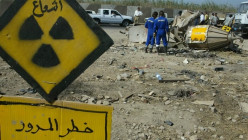
Iraq has brought all identified radioactive contamination sites under control and is working to remove the remaining hazardous materials, Iraqi Atomic Energy Commission (IAEC) acting chairwoman Thanaa Al-Zajrawi told Shafaq News on Thursday, expressing confidence that the country could soon be declared free of radioactive contamination.
Al-Zajrawi attributed setbacks in the Commission’s operations, infrastructure development, and scientific projects to a prolonged leadership vacancy from 2003 until her appointment on Oct. 3. Federal funding shortages, she added, have also limited access to essential supplies for patient testing and scientific research, as well as vehicles for transporting employees.
She acknowledged other operational difficulties but declined to provide details, pointing to the sensitive nature of the IAEC’s activities.
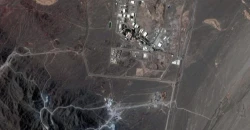
Iraq has faced radioactive contamination for decades following successive conflicts that damaged nuclear facilities and left hazardous materials across the country. Israeli fighter jets struck the Tammuz nuclear reactor at Al-Tuwaitha, south of Baghdad, on June 7, 1981, largely destroying the facility, while further airstrikes during the 1991 Gulf War targeted the complex. Radioactive contamination was subsequently reported at several locations, including sites in Baghdad, Al-Adaiya in Nineveh province, and Al-Dulab village in Babil province.
During the 2003 war, US-led forces dropped 19,040 guided bombs, 8,885 unguided bombs, and 1,276 cluster bombs, according to figures cited in a report by Human Rights Watch. The conflict also left environmental contamination, some of which persists today.
Following years of cleanup operations, the Commission has declared five provinces free of radioactive contamination: Basra, Maysan, and Dhi Qar in southern Iraq, along with Saladin and Al-Anbar.
Read more: Al-Anbar’s hidden danger: The battle against radioactive contamination