Iraq faces worst drought in 80 years, experts say


Shafaq News – Baghdad
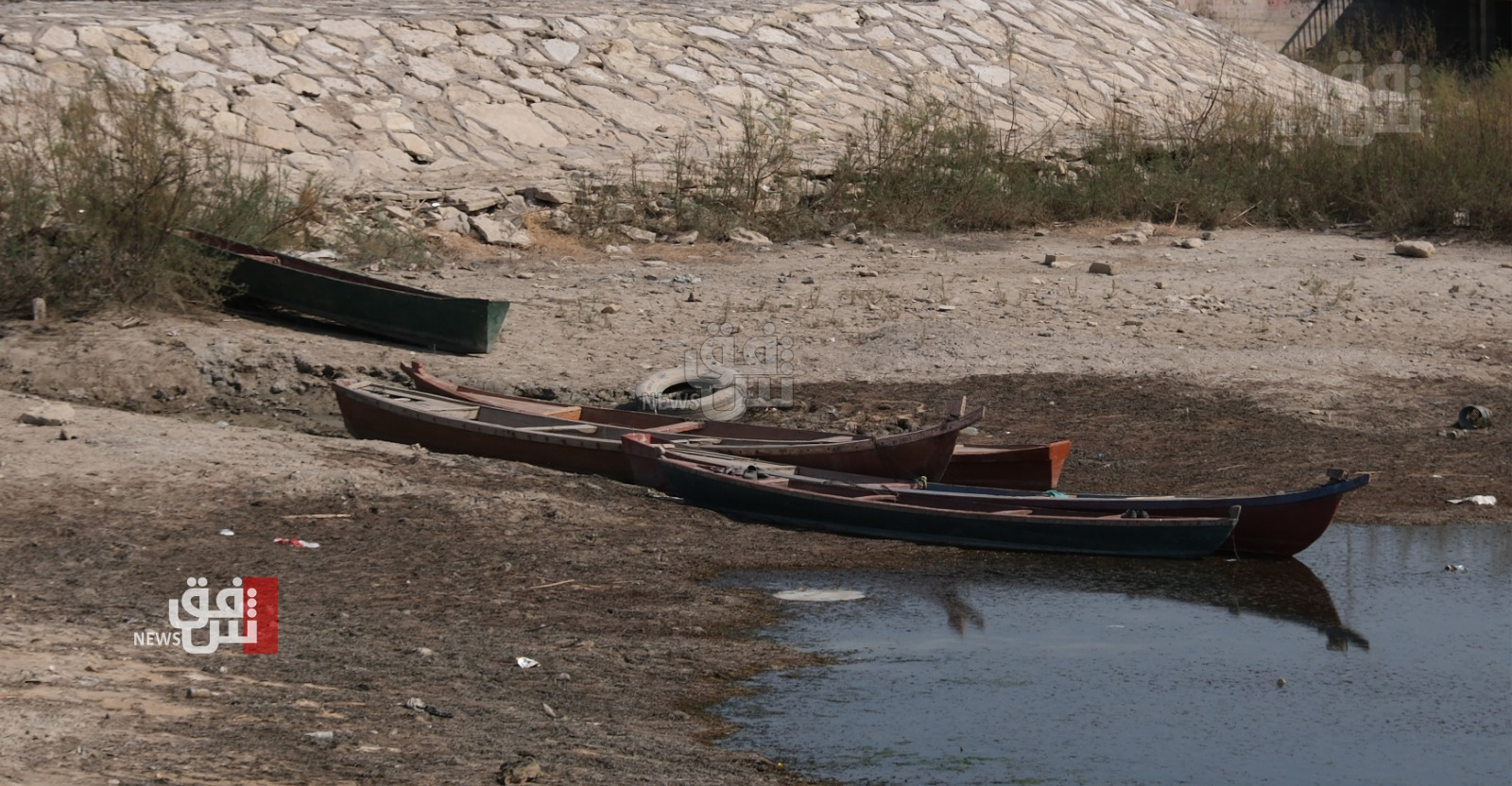
Iraq is facing its harshest drought in eight decades, with climate change and water shortages leaving the country with only 8 percent of its strategic reserves, specialists warned on Wednesday.
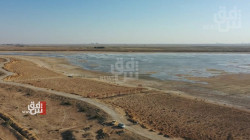
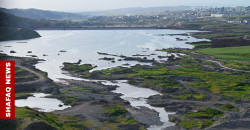
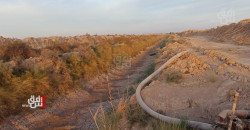
The water crisis has dried up many tributaries, vast areas of the southern marshes, and surface water bodies, while reservoir levels at major dams continue to decline. The shortage, caused by poor rainfall and reduced water releases from Turkiye, has also left villages without supplies and forced many treatment plants out of service.
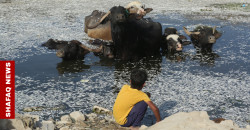
Environmental expert Ahmed Saleh explained to Shafaq News that these conditions have wiped out nearly half of Iraq’s buffalo population, billions of fish and migratory birds, and have devastated professions linked to water such as boatbuilding, tourism, restaurants, transport, dairy production, food processing, and textiles.
Saleh also attributed this partly to irrigation policies, noting that agriculture consumes more than 70 percent of Iraq’s water inflows. “This is dangerous, because water is not just for farming but for the entire ecosystem and other non-agricultural sectors.”
In recent years, the Ministry of Agriculture has begun introducing modern irrigation techniques, equipping farmers with new systems and providing subsidies. Estabraq Sabah, spokesperson for the Ministry of Water Resources, told Shafaq News that ongoing projects in central and southern provinces include water supply and sewage initiatives aimed at ensuring basic services in line with national standards. However, the Ministry acknowledged that the number of devices is “very limited compared with cultivated areas.”
According to Meteorologist Sadiq Atiya, rising temperatures and declining surface water levels could drive prolonged dry spells, as well as higher heat accelerates evaporation, and that dam construction and reduced upstream releases are worsening the crisis.
Omar Abdul Latif, a member of the Green Iraq Observatory specializing in environmental issues, also warned that the next phase “could be more dangerous if authorities fail to act quickly to address climate change impacts,” including sandstorms, drought, and rising temperatures.
He stressed the need for urgent measures to withstand future natural disasters, such as expanding vegetation cover, tackling air and soil pollution, improving waste management, and clearing landmines that have caused thousands of deaths and long-term disabilities in recent years.