Fuel, jobs dominate week of protests across Iraq


Shafaq News- Baghdad
Protests over fuel prices, unpaid dues and government jobs spread across several Iraqi provinces over the past week, with farmers blocking roads, oil workers threatening strikes and graduates repeatedly gathering outside ministries.
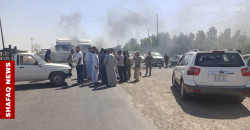
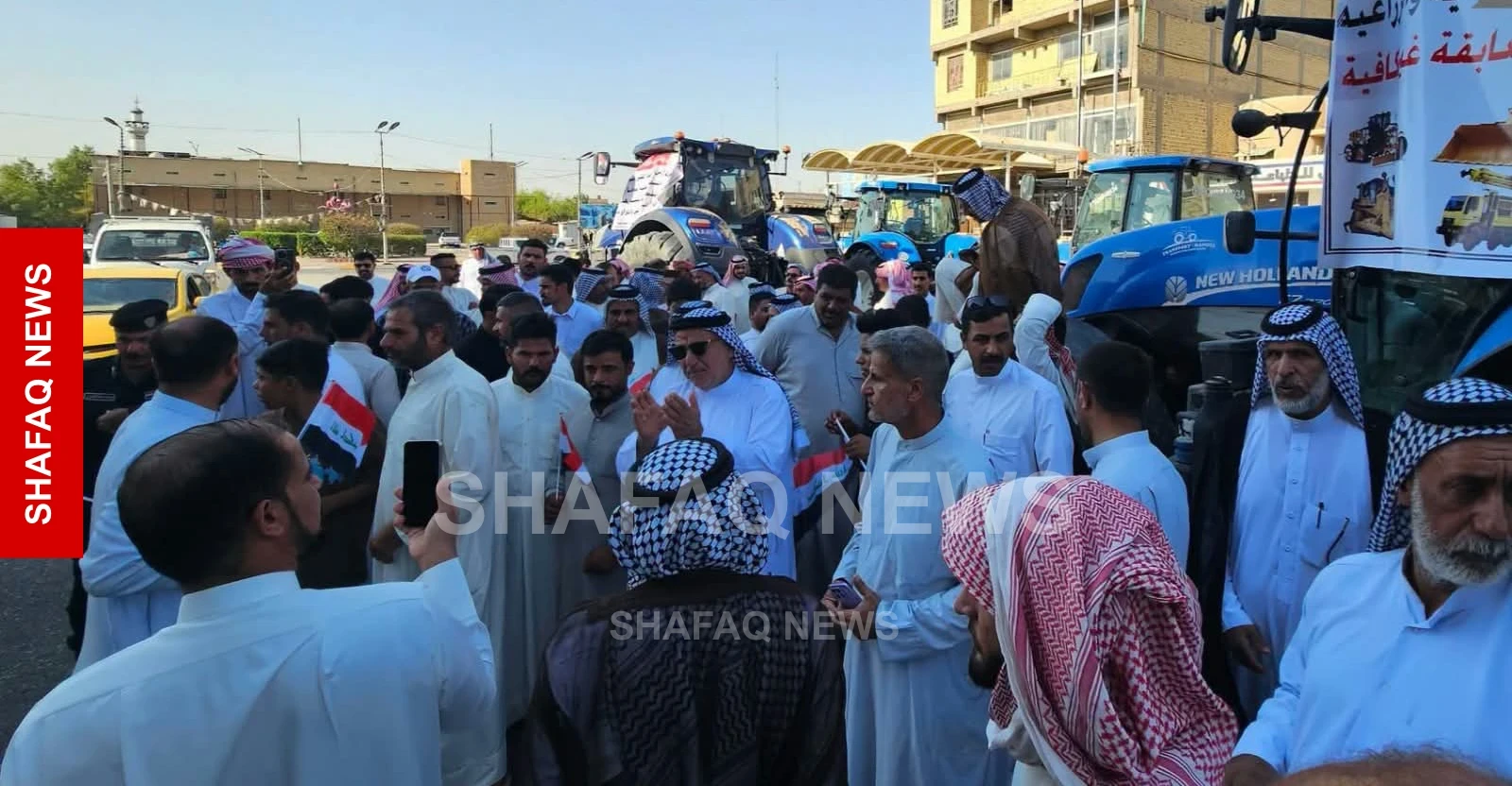
On Thursday, farmers in Wasit blocked the main road leading to the Al-Ahdab oilfield with agricultural vehicles in protest against higher diesel prices, demanding that the government reconsider the new pricing and ease costs on the agricultural sector.
#واسط.. #فلاحون يقطعون الطريق المؤدي إلى #حقل_الأحدب_النفطي رفضاً لارتفاع أسعار مادة #الكاز#شفق_نيوز pic.twitter.com/kqdqEbdyeq
— شفق نيوز - shafaq news (@shafaqnewsarb) September 10, 2026
In Karbala, farmers also protested over fuel costs and restrictions affecting diesel supplies for heavy machinery, chanting against corruption and Oil Minister Basim Mohammed Khudair Al-Abadi.
In Al-Muthanna, farmers demonstrated outside the Petroleum Products Distribution Company facility in Samawah, while factory owners and construction-equipment operators separately protested an increase in diesel prices from 400 IQD (about $0.31) to 1,250 IQD (about $0.95) per liter.
The demonstrations followed protests in Wasit’s Sheikh Saad on Tuesday, where farmers blocked a highway with combine harvesters and tractors over diesel prices and delayed crop payments. Parliament’s Agriculture and Water Committee said farmers who delivered crops to the government were still owed about 1.5 trillion IQD ($1.15 billion).
#مزاعون في #ناحية_شيخ_سعد بمحافظة #واسط يتظاهرون احتجاجاً على ارتفاع أسعار "الكاز" وتأخر صرف مستحقاتهم المالية ويغلقون طريقاً رئيسياً بالحاصدات والجرارات الزراعية#شفق_نيوز pic.twitter.com/xFtrlOs8Vi
— شفق نيوز - shafaq news (@shafaqnewsarb) September 8, 2026
Fuel shortages also brought truck drivers onto the streets in Mosul on Wednesday. Dozens gathered near the Al-Shamsiyat checkpoint southeast of the city and blocked a major road before police dispersed the protest and reopened the route.
The Oil Ministry has separately acknowledged pressure on diesel supplies, saying domestic consumption exceeded production as demand rose sharply during the summer peak.
Hundreds of medical and health graduates gathered outside the Finance Ministry in Baghdad on Wednesday, demanding government appointment orders and budget funding for their posts or permission to work in the private sector.
Under Iraqi law, medical, health and pharmacy graduates must complete a period of government service before obtaining permanent permission to practice privately, leaving many without state appointments with limited employment options.
Read more: Iraq: 250K graduates annually amid 20% youth unemployment
The rally followed demonstrations by graduates from several provinces outside the ministry earlier in the week demanding government jobs and funding in the 2027 budget for those who had spent years waiting for appointments. On Tuesday, a protester accused security forces of using batons, while a security source said forces used tear gas and rubber bullets but no live ammunition.
Prime Minister Ali Al-Zaidi subsequently instructed the Finance Ministry to include permanent or contract positions for long-waiting graduates in the draft federal budget according to the staffing needs of government institutions.
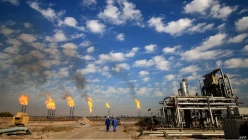
In Basra, dozens of engineering, technical and administrative workers at the West Qurna 2 oilfield protested on Tuesday over employment contracts and unpaid financial entitlements. They gave the operating companies one week to meet their demands and threatened a general strike that they said could affect production and exports.
Two days earlier, graduates of Iraq’s petroleum institutes demonstrated outside the Oil Ministry in Baghdad seeking jobs in the sector. Oil Minister Al-Abadi met the protesters and said his ministry had contacted the Cabinet and Finance Ministry over their demands.
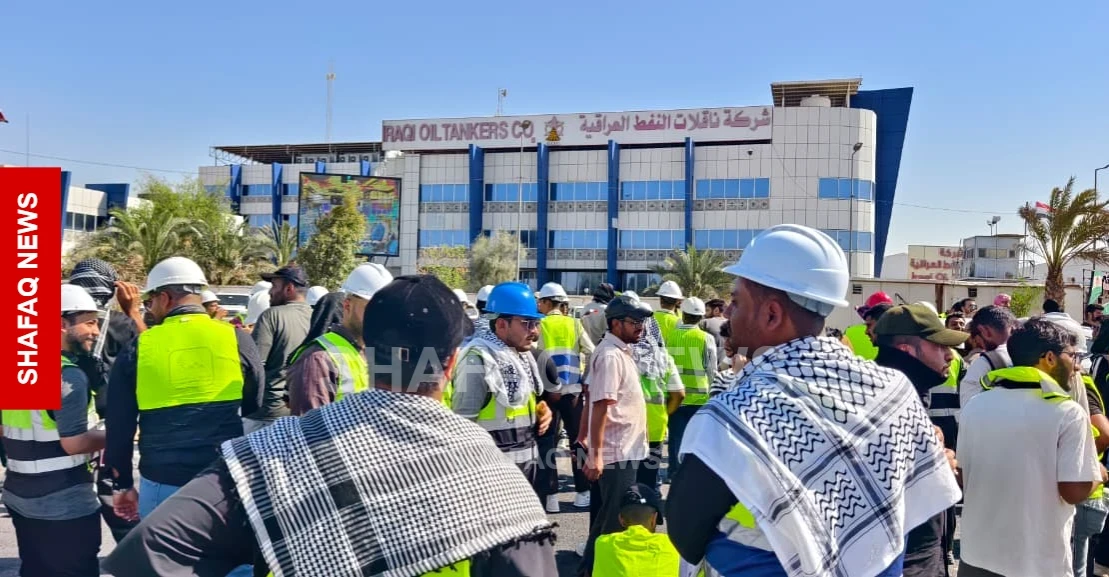
Engineering and science graduates also continued protests outside oil companies in Basra for a second consecutive week. Their campaign intensified on Sept. 3, when engineering, petroleum and science graduates staged a sit-in outside the Basra Oil Company, Oil Tanker Company and Petroleum Products Distribution Company, preventing employees from entering. Protest representatives said they had sought appointments for around a year and a half without a resolution.
On the same day in Al-Anbar, people listed in the “Al-Anbar 5160” grievance case gathered outside the provincial Education Directorate, demanding employment contracts after what they said was more than a year and a half of delays despite receiving the required ministerial approvals.
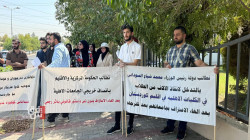
Not all of the week’s protests centered on economic demands. In Babil on Sunday, protesters tried to reach the provincial Court of Appeal to denounce what they called “malicious lawsuits” against activist Dirgham Majid and demand better public services. Security forces partially closed several roads after Babil’s Supreme Security Committee said the demonstration had not been authorized.
Read more: Iraqis ask whether the street still moves the state
In Diyala, a resident of Baquba’s Al-Tahrir neighborhood staged a sit-in on Saturday against the opening of a liquor shop beside his home, prompting renewed calls from Provincial Council members to enforce restrictions on liquor stores in residential neighborhoods.
The demonstrations extend a broader pattern of frequent protests over jobs, salaries and public services. A Shafaq News review in late August found Baghdad and other provinces were seeing around three to four protests a week, many centered on government employment, permanent status for contract workers and unpaid financial entitlements.
Those demands come as Iraq faces fiscal pressure from a state payroll and welfare system supporting about 4.2 million public employees, more than three million retirees and roughly three million social-protection beneficiaries, while salaries and pensions consume a large share of government spending.