Flash floods uncover buried historic water channels northern Iraq


Shafaq News– Kirkuk
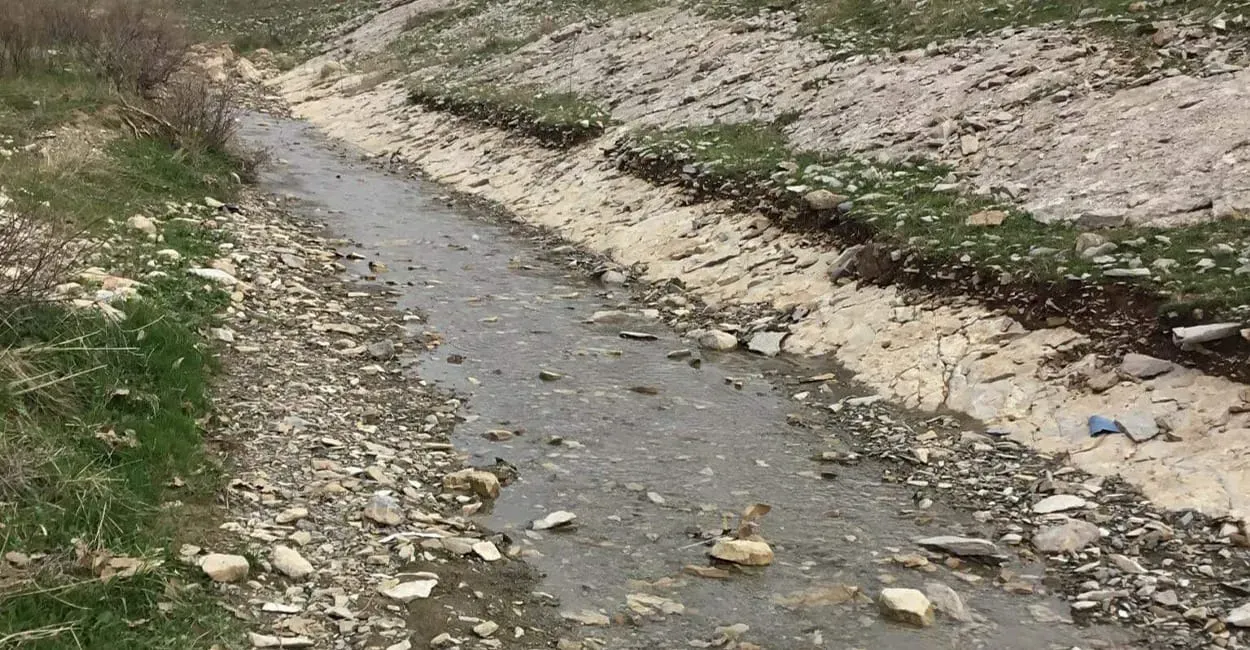
Recent flash floods in Iraq’s Kirkuk province cleared waterways uncovering ancient underground water channels that had been buried for years, and reviving public and official interest in preserving this natural heritage.
The systems consist of a series of wells spaced about 30 meters apart, connected by underground channels running 18 to 24 meters feet below the surface. The channels are about one meter wide and between two and four meters deep, carrying fresh water that largely originates from the Khasa River, a tributary feeding the Tigris.
Kirkuk Water Resources Director Zaki Karim told Shafaq News that the Bikhan channel systems are expected to be nominated for inclusion on the World Heritage list this year, following a field visit by a delegation from UNESCO, which outlined technical and regulatory requirements for registration.
Water Resources Directorate has met those requirements, including mapping the sites online and on Google Maps, alongside rehabilitation and landscaping work to highlight their environmental and historical value. The area’s geography, marked by hills and caves, also helps sustain long-distance water flow used for irrigation and farming.
According to Karim, the province is among Iraq’s most prominent areas for water systems and springs, which form a core part of its groundwater reserves. He added that these waters emerge from underground aquifers and natural caves and are known for their year-round flow in many locations.
Official data indicate that Kirkuk province is home to around 400 water channel systems and natural springs, spread across several areas. The Qara Hanjir subdistrict alone contains 81 such sites, with others located in Taza and Daquq, making Kirkuk one of Iraq’s richest regions in this type of water resource. Among the most notable sites are the Upper and Lower Bikhan systems in the Shwan subdistrict, about 35 kilometers north of Kirkuk, which flow year-round and attract thousands of visitors.
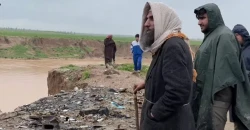
Resident Abdulrahman Al-Jammas said the channels sites near the southern entrance of Kirkuk, had previously turned into polluted dumping areas emitting foul odors, but recent floods transformed them into clean water sources with visibly flowing water. He called on authorities to protect the sites from encroachment and prevent their return to polluted use.