Fish die-offs recur across Iraq's Mesopotamian marshes


Shafaq News- Maysan
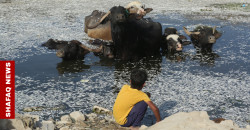
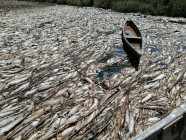
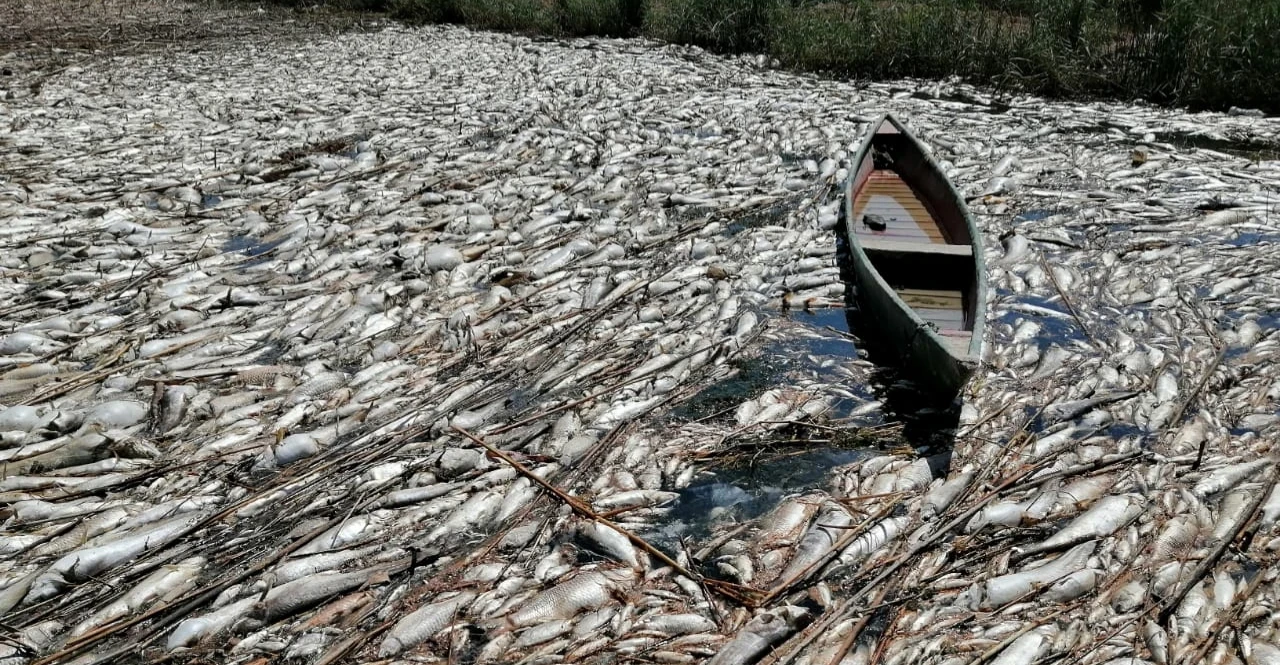
Environmental activist Murtada al-Janoubi warned Wednesday of a worsening mass fish die-off in the marshes of Maysan province, in southeastern Iraq, and across the country's south, describing it as the latest in a pattern that has repeated each year for three years.
Al-Janoubi, an activist specializing in marshland affairs, said the current deaths are centered in the central marshes, the al-Amshan canal, and the al-Ezz river. As water recedes, large numbers of fish concentrate in narrow channels, sharply lowering oxygen levels and producing large-scale deaths. He said the die-off could extend to the Hawizeh Marsh, one of the largest wetlands in southern Iraq, unless the Ministry of Water Resources releases urgent quotas to sustain water levels.
Read more: Hawizeh Marsh faces catastrophic fish die-off
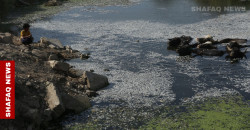
Social media users circulated a video showing large numbers of dead fish in the al-Amshan canal in the al-Khair sub-district of al-Majar al-Kabir district in Maysan province. Al-Janoubi said guaranteeing fixed water quotas and a steady flow into the marshes remains the only way to limit the recurring deaths.
The die-offs sit within a longer decline. In December 2025, al-Janoubi told Shafaq News that Maysan's marshes had in fact been dry for years, that livestock numbers had fallen by about 70 percent, and that agricultural quotas were halved in 2022.
The Mesopotamian Marshes, known in Arabic as the al-Ahwar and widely associated with the biblical Garden of Eden, were designated a UNESCO World Heritage Site in 2016. They form one of the world's largest inland delta systems, historically spanning between 15,000 and 20,000 square kilometers in the floodplain of the Tigris and Euphrates rivers, and are home to the Marsh Arabs, whose culture reaches back to Sumerian times.