Families of fallen Iraqi soldiers urge swift changes to Compensation Law


Shafaq News- Diyala/ Kirkuk/ Nineveh
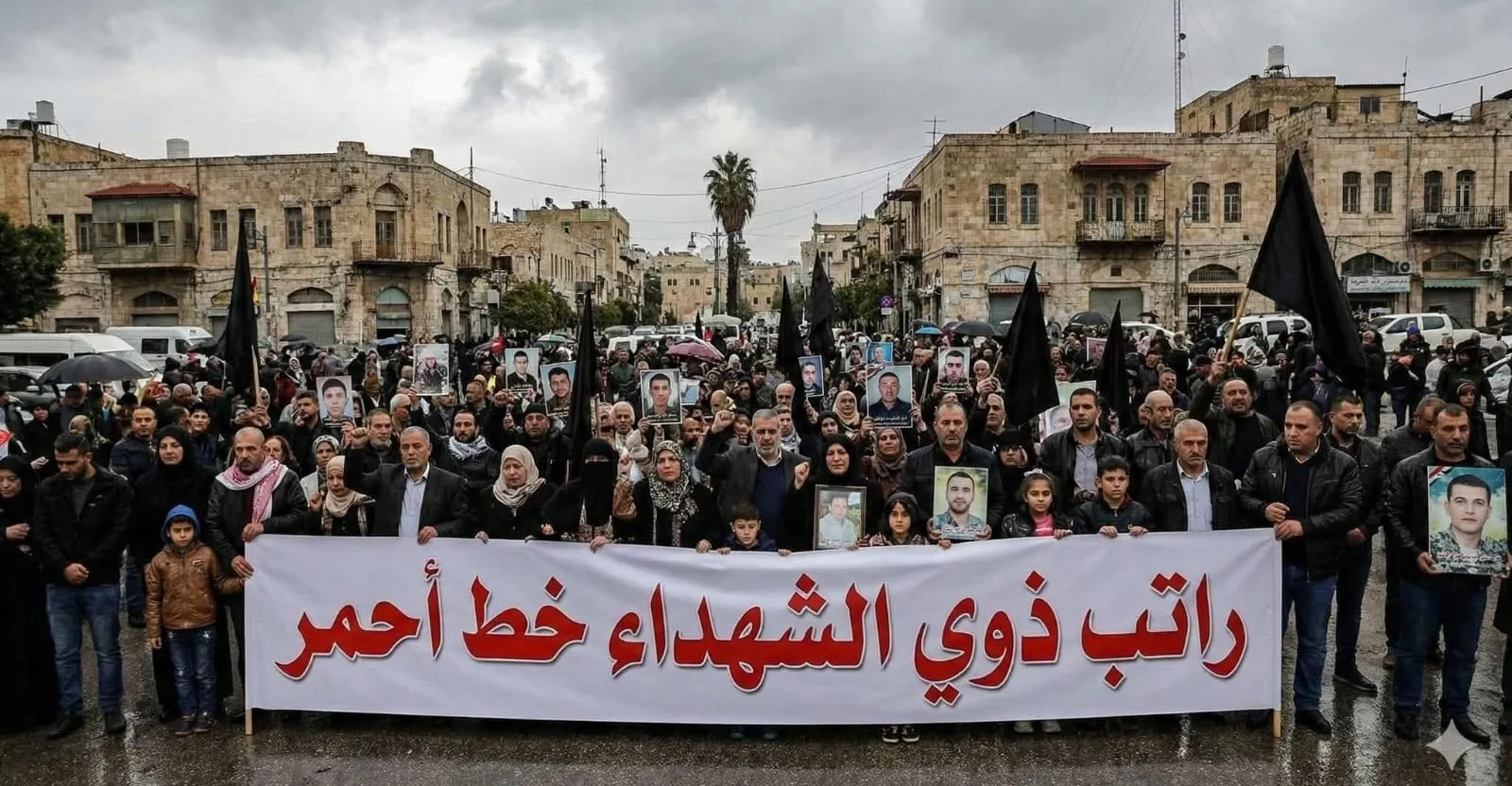
Delays in amending Iraq’s Law on Compensation for Victims of War Operations, Military Mistakes and Terrorist Operations (Law No. 20 of 2009) are leaving families of fallen soldiers facing mounting uncertainty over salaries and benefits, prompting renewed appeals to lawmakers to fast-track legislative changes and prevent further hardship for households.
The father of First Lieutenant Mahmoud Al-Souramiri, killed on October 18, 2024, told Shafaq News that authorities have officially recognized his son as a martyr on three separate occasions under Iraq’s applicable laws and regulations. Despite that recognition, he said, administrative procedures still classify him as a “deceased receiving a martyr’s salary,” a designation that denies the family full entitlements granted to martyrs.
He appealed to caretaker Prime Minister Mohammed Shia Al-Sudani to intervene personally, and urged parliament to finalize amendments to Law No. 20, allowing his son’s case —along with those of more than 37 other families— to be formally registered with the Martyrs Foundation.
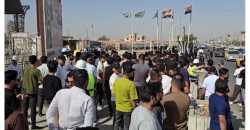
In Kirkuk, Ali, the son of a martyr, remarked to Shafaq News that any meaningful amendment must reflect “the daily realities faced by families” rather than rely on abstract legal language. He noted that his father’s death deprived the household of its primary breadwinner, reshaping its economic and social stability, while existing benefits have failed to keep pace with rising costs of living, healthcare, and education. “Lengthy administrative procedures have only intensified the strain.”
Meanwhile, Hajjah Maryam from Nineveh reported that authorities suspended her son’s salary this month despite a prior directive from the Prime Minister urging restraint in cutting payments to martyr families. Officials justified the decision, she said, by arguing that beneficiaries of Diwani Orders not covered by Law No. 20 cannot receive two salaries, as she had previously collected both a pension for her late husband and a salary for her martyred son.
Hajjah Um Mohammed, another mother, described living in constant uncertainty, explaining that she still does not know whether the payment her son receives qualifies as a pension or a monthly grant issued via a Mastercard. “Since the provision covering salaries for victims of terrorism expired on January 26, many families have feared that payments could stop at any moment.”
From the legislative side, MP Murtadha Al-Saadi, a member of parliament’s temporary Martyrs Committee, told our agency, “The panel was formed to advance the third amendment to Law No. 20,” clarifying that the proposed changes aim to extend salary payments for victims of terrorism, regulate the rights of remarried widows and the entitlements of martyrs’ children, prolong the law’s application for 25 years, and safeguard the rights of martyrs’ parents.
“The draft has not yet secured final political consensus,” Al-Saadi added, pointing out that several provisions remain under discussion and have yet to be finalized within the committee.
According to information obtained by Shafaq News, lawmakers submitted the bill during the previous parliamentary term and completed a first reading in August, but the process stalled due to a lack of quorum and election-related disruptions. Informed sources indicated that the draft includes provisions covering those martyred in service, extending salary payments for 25 years, and adding victims of US military operations in 1991, before parliament ultimately deferred the legislation to the current sixth legislative term.