FAO promotes water-saving rice cultivation in Iraq’s Najaf


Shafaq News- Najaf
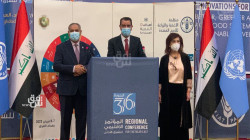
The United Nations Food and Agriculture Organization (FAO) showcased mechanical rice transplanting technology in Najaf, noting that the method could reduce water consumption by up to 30%.
FAO Representative in Iraq, Salah al-Hajj Hassan, told Shafaq News that the organization had completed a pilot project covering 100 dunams (10 hectares) of rice cultivation after authorities approved rice farming for the current season.
He said FAO plans to distribute around 80,000 seedling trays and provide farmers with modern equipment, including laser land-leveling systems, as part of a broader effort to improve water efficiency and agricultural productivity.
According to al-Hajj Hassan, the technology can cut seed requirements from around 150 kilograms to 60 kilograms per unit area and lower pesticide use by as much as 80%. The system can also increase yields by between 15% and 20% while reducing labor requirements.
FAO is implementing the initiative under its Green Climate project, supported by several international partners, including Sweden, Canada, and Norway, to expand climate-smart agriculture across Iraq. The project has expanded this year, reaching around 300 farmers and covering approximately 900 dunams (90 hectares) in 2026.
Read more: Iraq’s water crisis: A structural rewrite of agricultural governance