Baghdad pollution hits 'hazardous' levels


Shafaq News – Baghdad
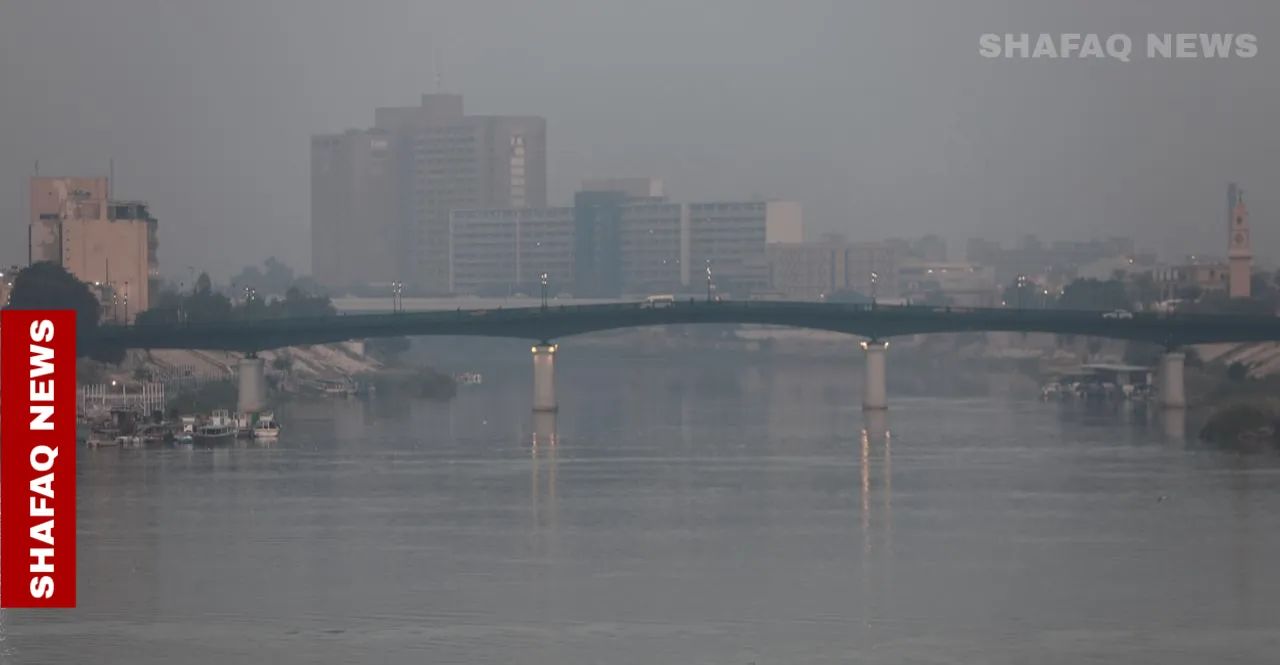
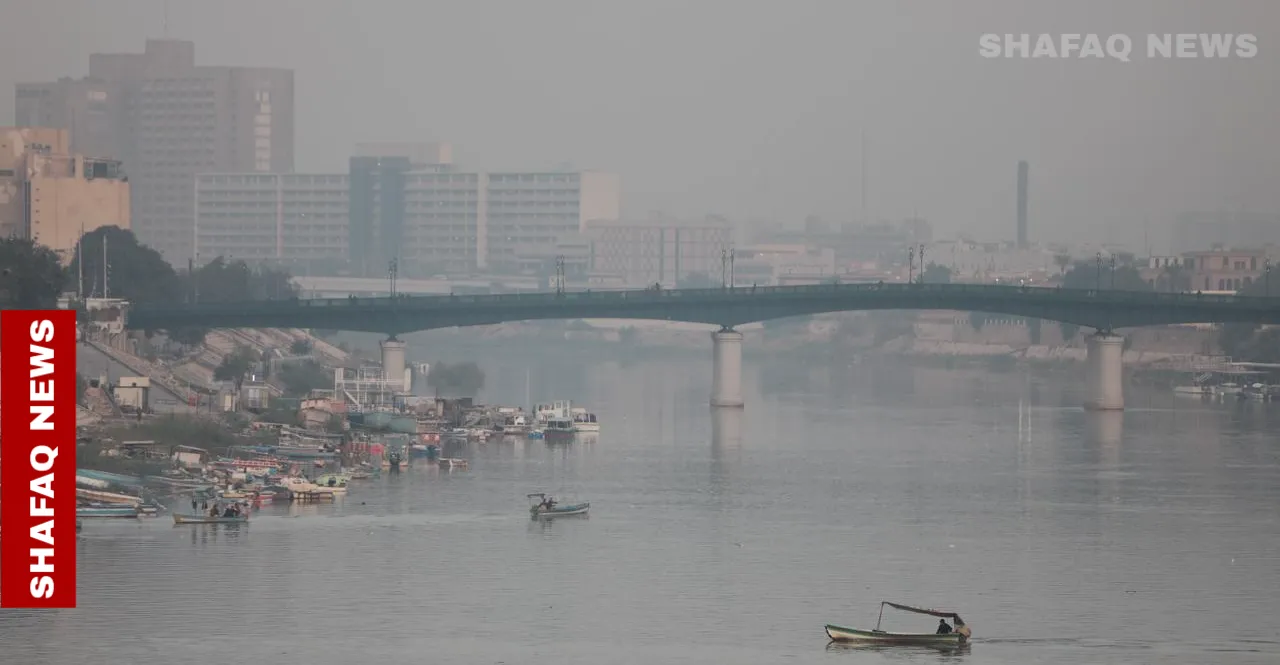
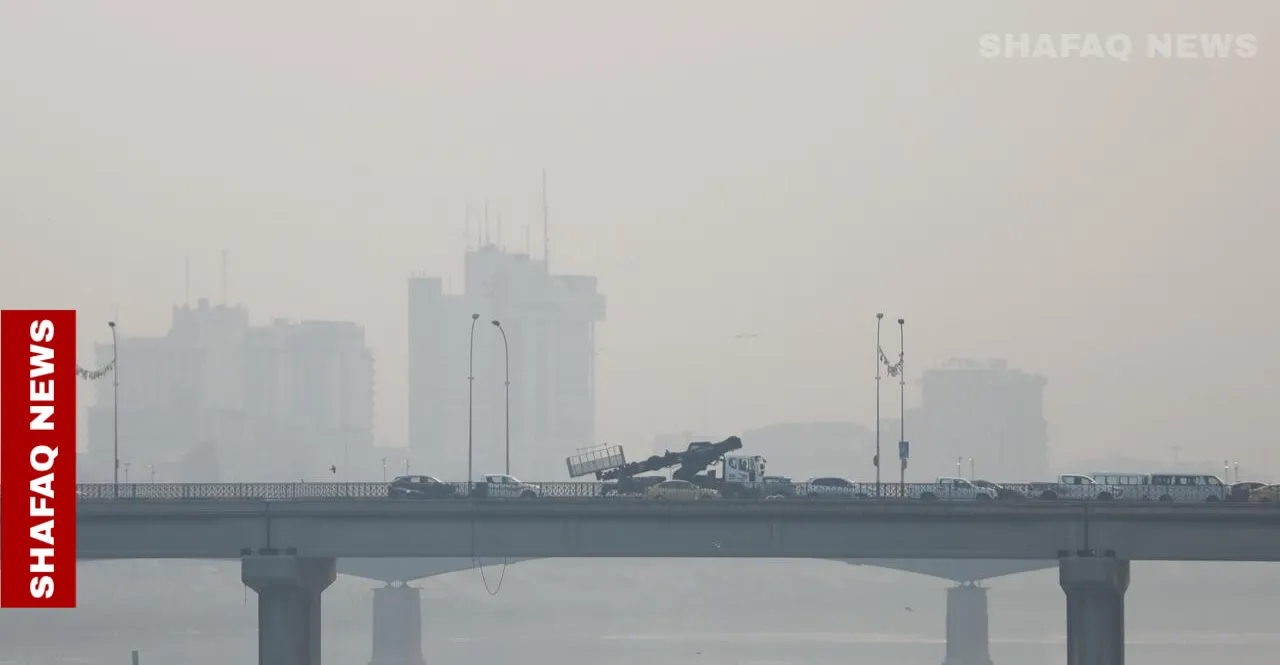
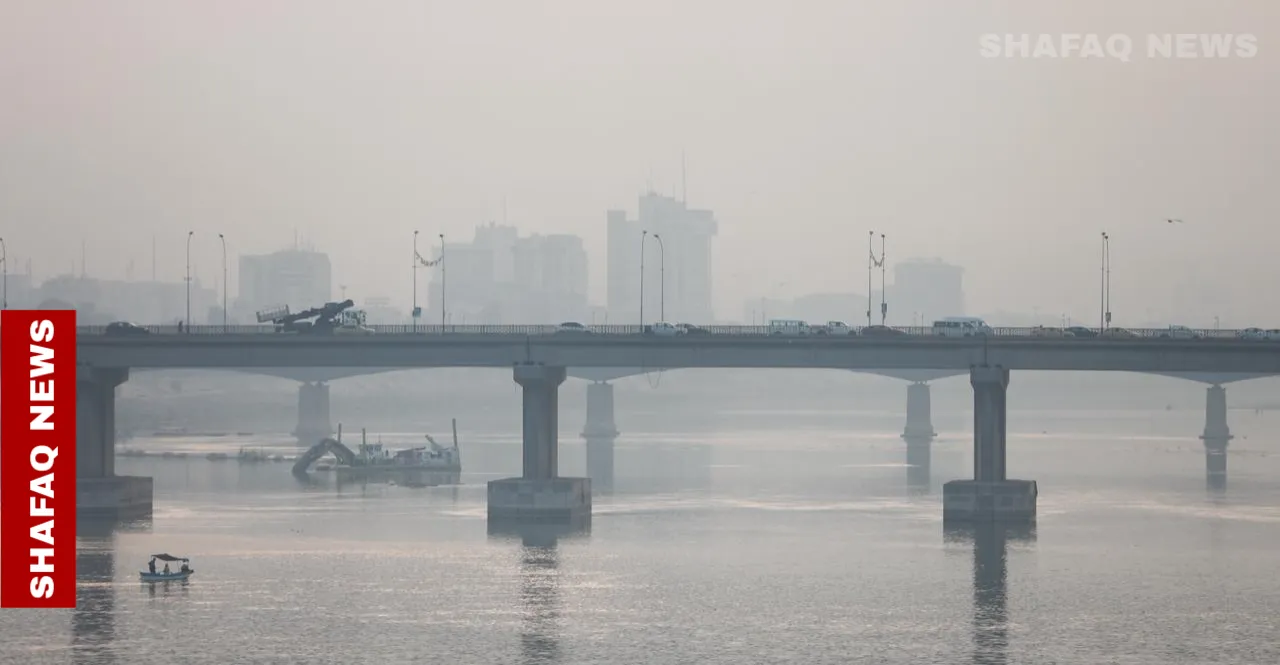
Thick smoke and a pungent sulfur smell have blanketed Baghdad in recent days, as air pollution in the capital reached dangerous levels, Iraq’s Green Observatory said on Sunday.
In a statement, the Observatory noted that clouds lingering over the capital have trapped pollutants near the ground, intensifying health risks for residents.
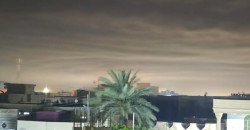
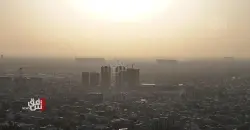
Earlier, Shafaq News captured dense gray smoke drifting across neighborhoods, with residents reporting the strong smell of sulfur.
Nitrogen dioxide (NO2), a major
pollutant in Baghdad’s air, irritates the eyes and the respiratory system.
Long-term exposure can increase the risk of heart and blood vessel diseases,
while sulfur dioxide (SO2), another key pollutant, contributes to acid rain,
triggering nausea, stomach pain, and serious lung damage.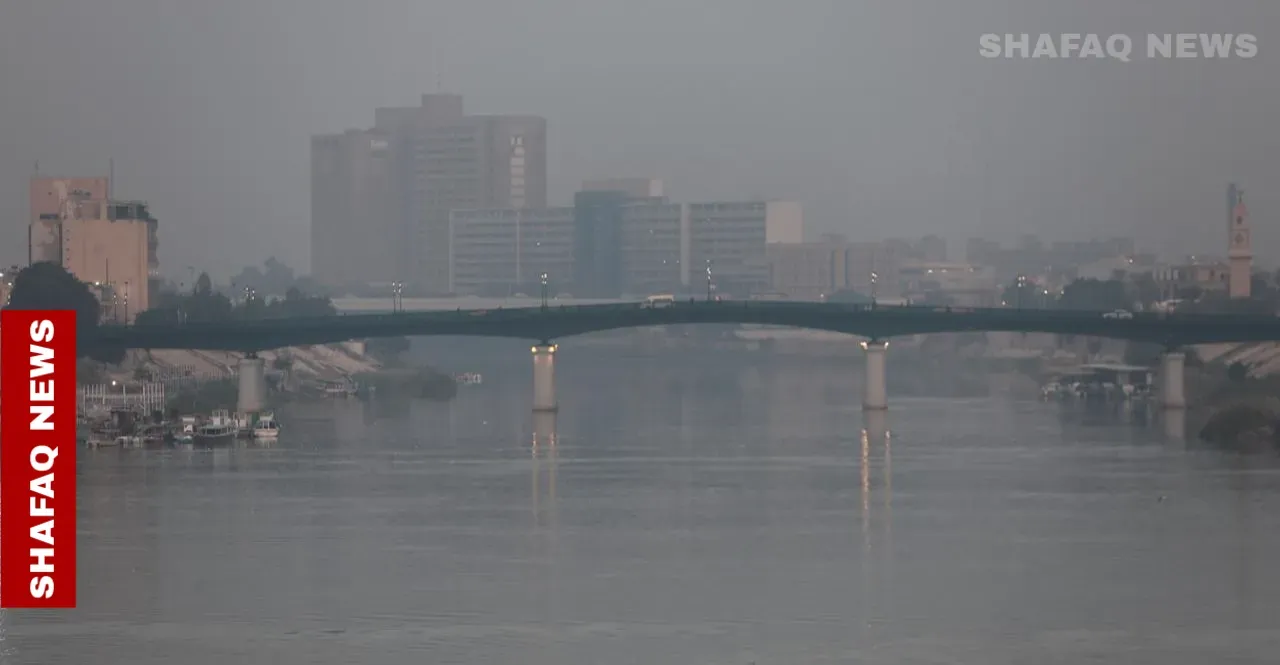
Air Quality Index (AQI) readings in Baghdad frequently hit 150 to 200, classified as unhealthy to very unhealthy, driven largely by fine particulate matter (PM2.5). The Observatory reported that AQI recently surged to 380 overnight, far beyond the threshold for hazardous air.
Meanwhile, average PM2.5 levels reached 40.5 micrograms per cubic meter, more than eight times the global safe limit of 5 micrograms per cubic meter. Authorities warn that pollution could spill into nearby provinces if weather conditions remain stagnant and winds fail to disperse the haze.
On November 25, the city ranked as the world’s most polluted, two days after dense smoke hit the capital. In response, Baghdad Operations Command closed entrances to Camp Rashid to curb the environmental impact of uncontrolled waste burning.
Read more: Pollution gnaws at Iraq: Laws without teeth, fines without impact