Iraq’s "Green Taxi" plan takes shape amid gasoline crisis


Shafaq News- Baghdad
A new project to introduce electric taxis in Baghdad is taking shape as the capital and several other Iraqi provinces face a severe gasoline shortage, while a study assessing the project’s economic and environmental feasibility is still being prepared.
Known as the “Green Taxi,” the initiative would provide charging facilities for electric taxis in Baghdad. The Transport Ministry is implementing the project in cooperation with the Environment Ministry.
The project could eventually involve thousands of electric vehicles. According to officials, measurements of pollution reductions and other environmental effects would begin after the project is launched.
An informed source told Shafaq News that the government is considering a contract with a Chinese automaker to import thousands of electric vehicles into Iraq alongside the project.
The vehicles would be imported under a government-backed arrangement and sold normally to citizens through the importing company, while the government would finance their import through internal contracts with the company, the source explained.
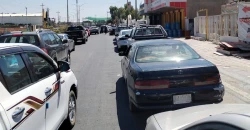
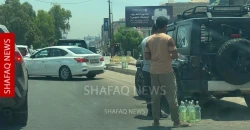
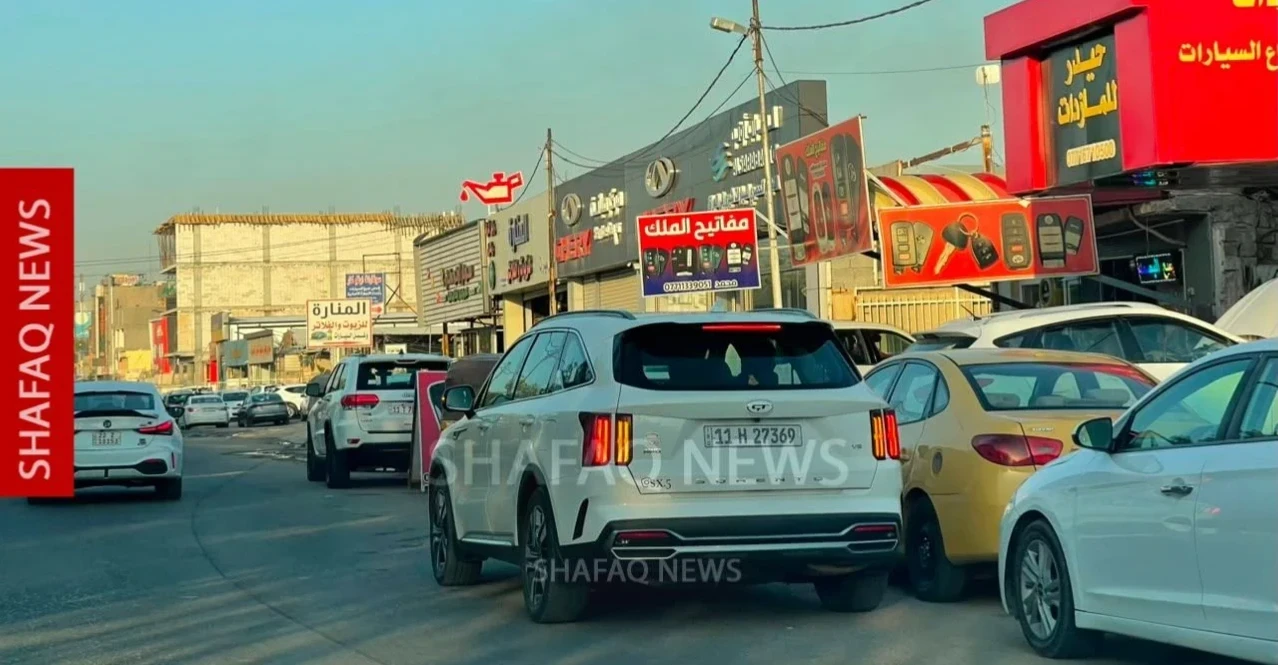
The Green Taxi project was announced days before the latest gasoline shortage hit Baghdad, where most filling stations closed because of a lack of fuel, particularly premium gasoline.
A spot check by Shafaq News found that prices for some electric and hybrid vehicles had risen by about 1 million Iraqi dinars (about $760) from their pre-crisis levels.
Hussein Ahmed, director of media and public relations at the Transport Ministry, stressed that Iraq needs targeted transportation projects to reduce carbon emissions, particularly given the large number of vehicles in Baghdad. “The Green Taxi project is an environmentally friendly and vital project,” Ahmed told Shafaq News, explaining that the Transport and Environment ministries would use existing garages and install solar panels to provide electricity for the vehicles.
Residents wishing to use the service will also be able to request Green Taxis through an electronic application, similar to those operated by other transportation companies, he added.
Ahmed noted that a study was being prepared to assess the project’s economic and environmental feasibility. He added that the Transport Ministry was developing plans to avoid failures seen in previous projects.
At the same time, Ahmed clarified that he had no information about importing new electric vehicles specifically for the Green Taxi project, noting that the Environment Ministry was conducting a detailed assessment of the initiative.
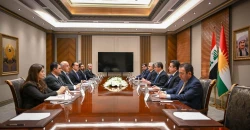
Earlier, Transport Ministry official Abbas Imran Mousa met with Environment Ministry officials and private transport representatives to discuss the Green Taxi project and the use of transport garages to support sustainable transportation, according to an official statement.
The initiative follows previous transportation projects that have faced criticism.
In 2024, the previous government, led by Mohammed Shia al-Sudani, launched the “River Taxi” project under the Transport Ministry as a way to ease traffic congestion in Baghdad. Stations were established to connect the capital’s Karkh and Rusafa districts on opposite banks of the Tigris River.
The project soon shifted to nighttime recreational river trips, with each trip costing 25,000 dinars (about $18), while the stations were used primarily for leisure rides rather than public transportation.
Haider Qasim al-Darraji, director general of the General Company for Carbon Economics at the Environment Ministry, emphasized that the environmental impact could become measurable once several thousand electric taxis enter service. “The real goal of the project is to gradually reach tens of thousands of electric vehicles, because its impact on air quality becomes greater as the share of electric vehicles increases,” he told Shafaq News.
The number of vehicles alone, however, would not determine the project’s environmental impact, al-Darraji noted. How often they operate in the most congested areas, the number of kilometers they travel each day, and the types of vehicles they replace would also have to be measured.
The project’s impact would therefore be assessed based on the emissions actually avoided rather than simply the number of electric vehicles introduced, al-Darraji explained. He added that a measurable first phase could then be expanded gradually based on emissions and air-quality measurements.
He also cautioned that an unpublished study should not be attributed to the Environment Ministry. The ministry has an air-quality and emissions monitoring system in Baghdad covering pollutants from multiple sources, including vehicle exhaust. “This would allow plans to be developed on an environmental basis and the project’s impact to be scientifically measured before and after implementation,” al-Darraji said.
The goal, he added, is to ensure that the “Green Taxi” project is not simply a vehicle-replacement scheme but one whose impact can be measured by calculating the amount of fuel displaced, emissions avoided, and changes in air quality in the areas where the taxis operate.
Estimates published by the Iraq Future Foundation on January 5, 2026, indicated that the number of vehicles in Iraq could exceed 9 million by 2030, after the General Traffic Directorate reported in December 2025 that the total had surpassed 8 million.
Baghdad had the highest number of vehicles, with about 3 million, followed by Erbil with about 982,000 and Al-Sulaymaniyah with about 721,000, according to those estimates.
Read more: Baghdad traffic: 3 million vehicles, buses short of drivers
The latest gasoline shortage has coincided with renewed discussion of alternative transportation. Shafaq News reported that drivers had complained that gasoline shortages were recurring at short intervals and called on authorities to explain the causes of the shortages and station closures.
The Oil Ministry has attributed the current supply gap to a difference between gasoline production and consumption, while delays in the arrival of imported premium gasoline have further worsened the situation. The ministry also reported that regional tensions had disrupted tanker movements and delayed gasoline shipments to Iraqi ports.
Academic researcher Sadiq al-Darraji told Shafaq News that Baghdad suffers from severe traffic congestion and high consumption of kerosene and gasoline, factors that directly affect the environment.
He argued that the economic feasibility of transportation projects had not been adequately studied before implementation and that clear plans had not been developed to address previous failures.
“Better use of public buses could have generated revenue while reducing congestion,” al-Darraji maintained, suggesting that more buses should operate across different routes and neighborhoods. Existing services remain limited, including a route between Al-Bayaa and Bab al-Muadham, he noted.
The “River Taxi” could also generate revenue without the road-maintenance costs associated with land transportation if it were used as a genuine public transport service rather than primarily for recreational trips, he observed. Al-Darraji expressed hope that the Green Taxi project would not become another stalled initiative, stressing the need for a detailed assessment of its economic feasibility and social benefits before further plans are implemented.