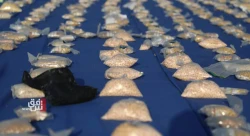
Al-Anbar detains 700 drug suspects in eight months


Shafaq News- Al-Anbar
Authorities in Al-Anbar province, western Iraq, recorded more than 900 suspects in drug-related cases in 2025, while about 700 suspects were registered from the beginning of this year through August, Judicial Council investigator Wissam Ali Shihan stated on Monday.
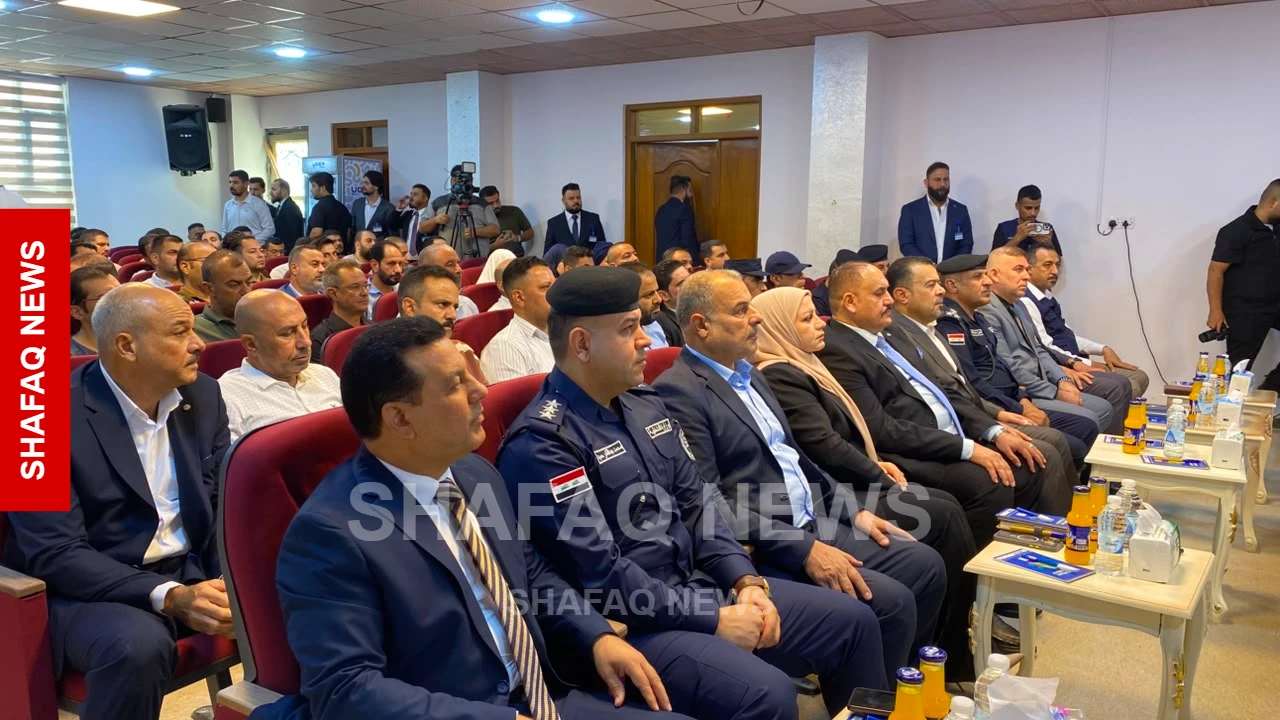
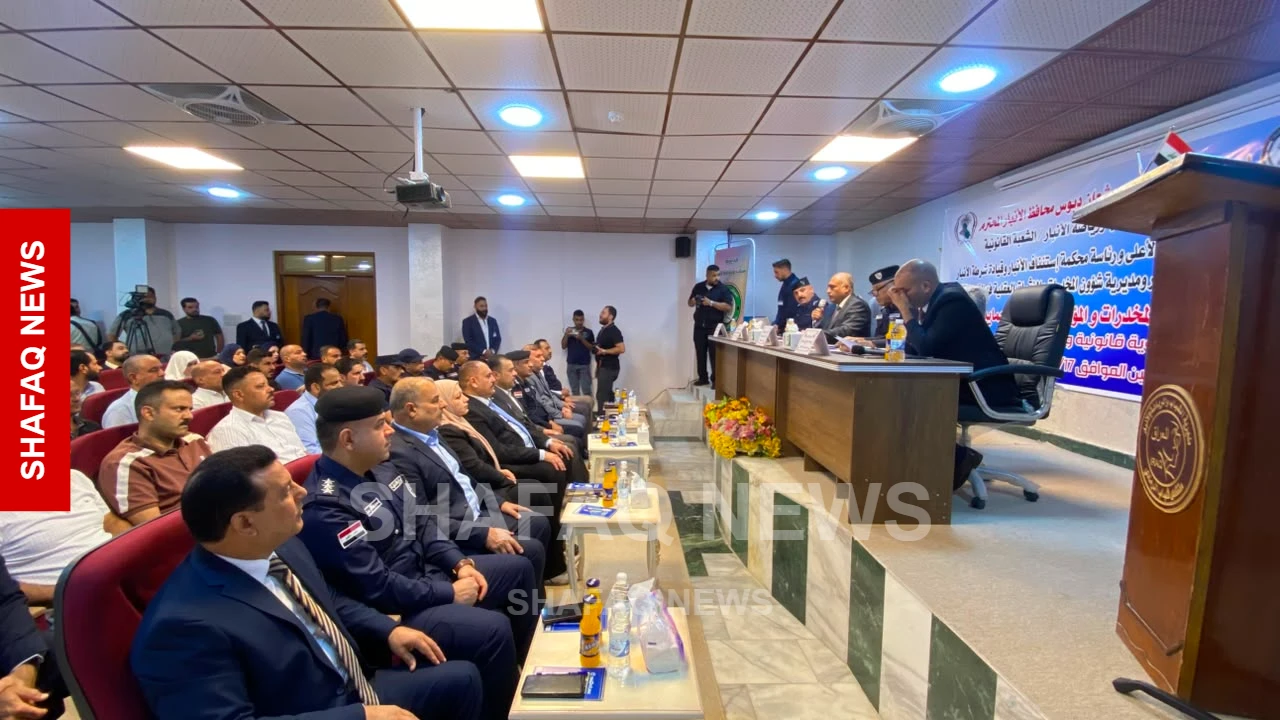
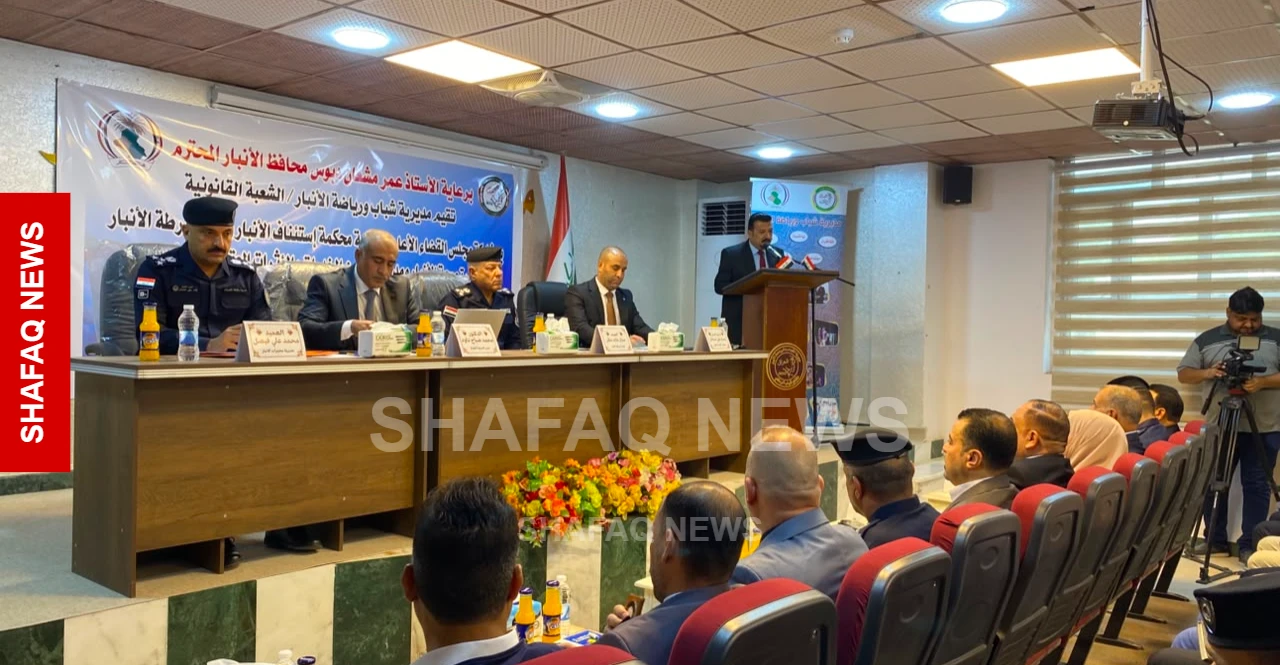
Speaking during a conference in Al-Anbar titled “Combating Drugs and Psychotropic Substances and Protecting Youth," he said that drug dealers and distributors had adopted new methods to transport narcotics, including concealing them inside animal organs, placing them in plastic bottles and containers, and throwing them into rivers to move them between districts. Shihan added that balloons filled with helium and equipped with GPS devices had also been used to transport drugs from one country to another.
“Most cases reaching specialized authorities originated in private power generators, barbershops, ovens and bakeries,” he explained, adding that regarding drug testing, authorities could not require students to undergo drug tests when moving from one educational stage to another, such as from the final year of secondary school to university or between stages of secondary education.
Shihan highlighted that an American company contracted by the Interior Ministry sells each drug-testing device to the ministry for $20, describing the cost as significant amid Iraq’s financial difficulties.
Read more: The Smuggler's Almanac: Iraq's war against narco-innovation
Al-Anbar Public Health Director Mohammed Sabah Dawood noted that combating drugs was a priority for the local government, stressing cooperation between Al-Anbar Health Directorate, the Directorate for Combating Drugs and Psychotropic Substances, Al-Anbar police authorities, and the Directorate of Youth and Sports.
“Authorities monitor changes in the groups using drugs and any emergence of new groups that could become targets, with particular attention to schools to maintain a drug-free educational environment.”
Awareness measures include lectures, guidance by school health coordinators and training for coordinators to identify suspected cases and report them, with the number of people currently entering rehabilitation centers remaining within levels that authorities can manage and provide services for.
On student testing, Dawood clarified that the examination committee does not conduct drug tests on students, but rather, its work is limited to assessing students’ appearance, physical condition and qualifications to determine whether they require special classes or can be admitted to regular classes.
“I cannot force every person to undergo a test. We would face a legal barrier. There are more than 700,000 students, which would require substantial effort, money, time, and cost for the state.”
The directorate had begun testing Interior Ministry personnel following an order from the minister covering all parts of the ministry, Mohammed Ali Faisal, a representative of Al-Anbar Directorate for Combating Drugs, stated.
Specialized teams have tested thousands of people and detected cases involving crystal methamphetamine use among some personnel and residents in Al-Anbar, Faisal noted, adding that the number of cases was “large.”
The teams currently conduct random inspections at cafes and security checkpoints, including surprise tests of delivery workers. Some people were found to have outstanding arrest warrants before testing, under Articles 28 and 32, he added.
Faisal explained that rapid testing kits had accelerated procedures because results appear quickly, allowing authorities to identify the substance used in less than a minute. “People who voluntarily surrender to security authorities are not prosecuted under Article 40. Instead, they are referred to a rehabilitation facility for a 30-day treatment and awareness program.”
A medical committee from Al-Anbar Health Directorate visits the facility to determine whether a person needs to remain longer or can complete the required paperwork and leave. If a person surrenders again, authorities follow the same procedure but place them in a more intensive treatment and awareness program at a designated facility, he added. If someone leaves rehabilitation and is later arrested without having voluntarily surrendered, a criminal case is recorded, and the person is referred to court under Article 32.
Ayman Al-Hayani, director of relations and media at Al-Anbar Directorate of Youth and Sports, said the directorate had developed a plan to combat drugs through an internal committee and its membership in the subcommittee on drug control. "The plan includes psychological and vocational rehabilitation programs inside treatment facilities and awareness programs in schools across the province."He emphasized that the programs provide life-skills training and prepare recovering users to enter the labor market, alongside vocational workshops focused on practical skills.
Coordination with Al-Anbar Health Directorate, drug-control authorities and police will continue, he concluded.