Al-Anbar council presses Baghdad over forcibly disappeared


Shafaq News- Ramadi
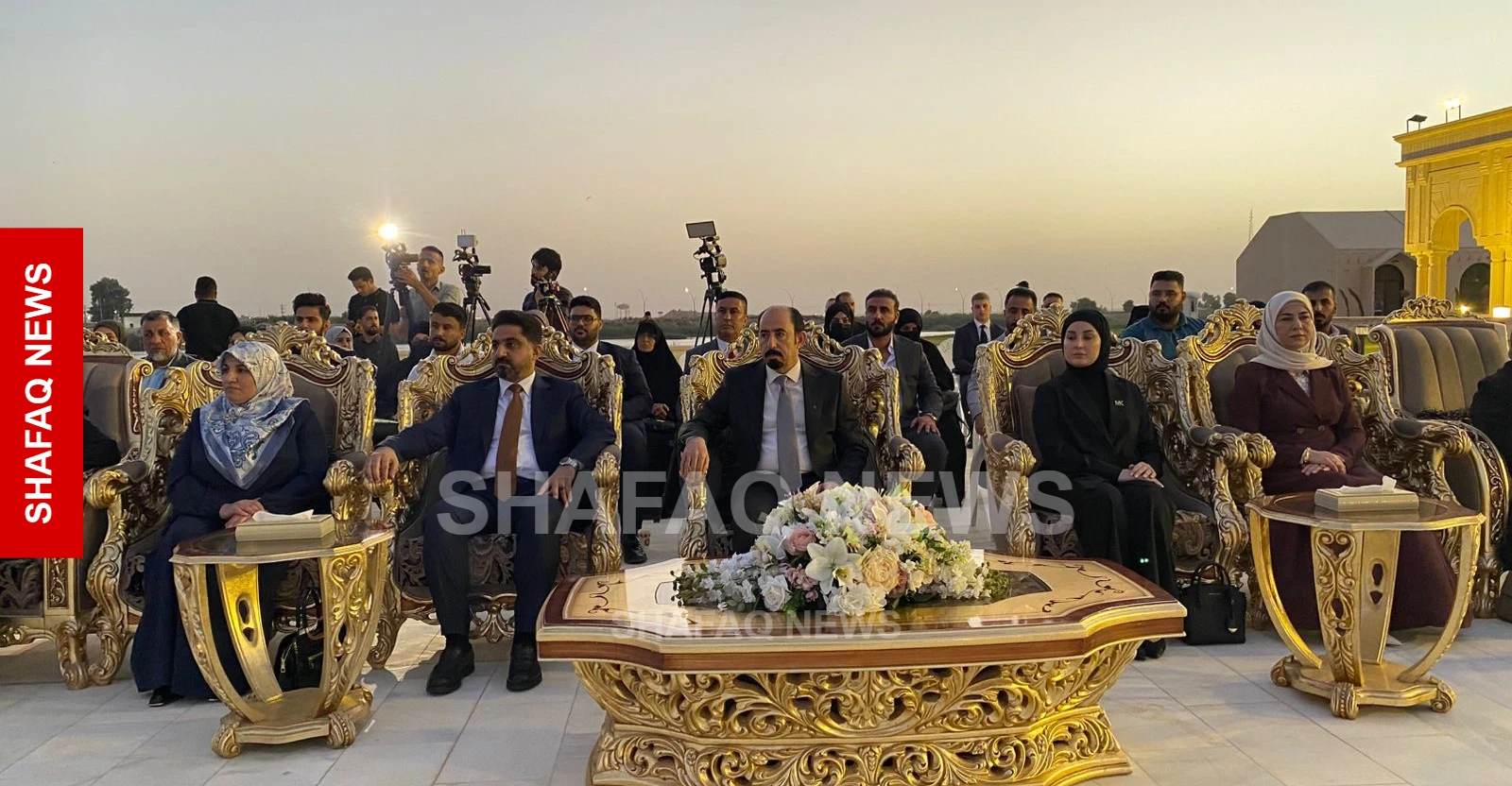
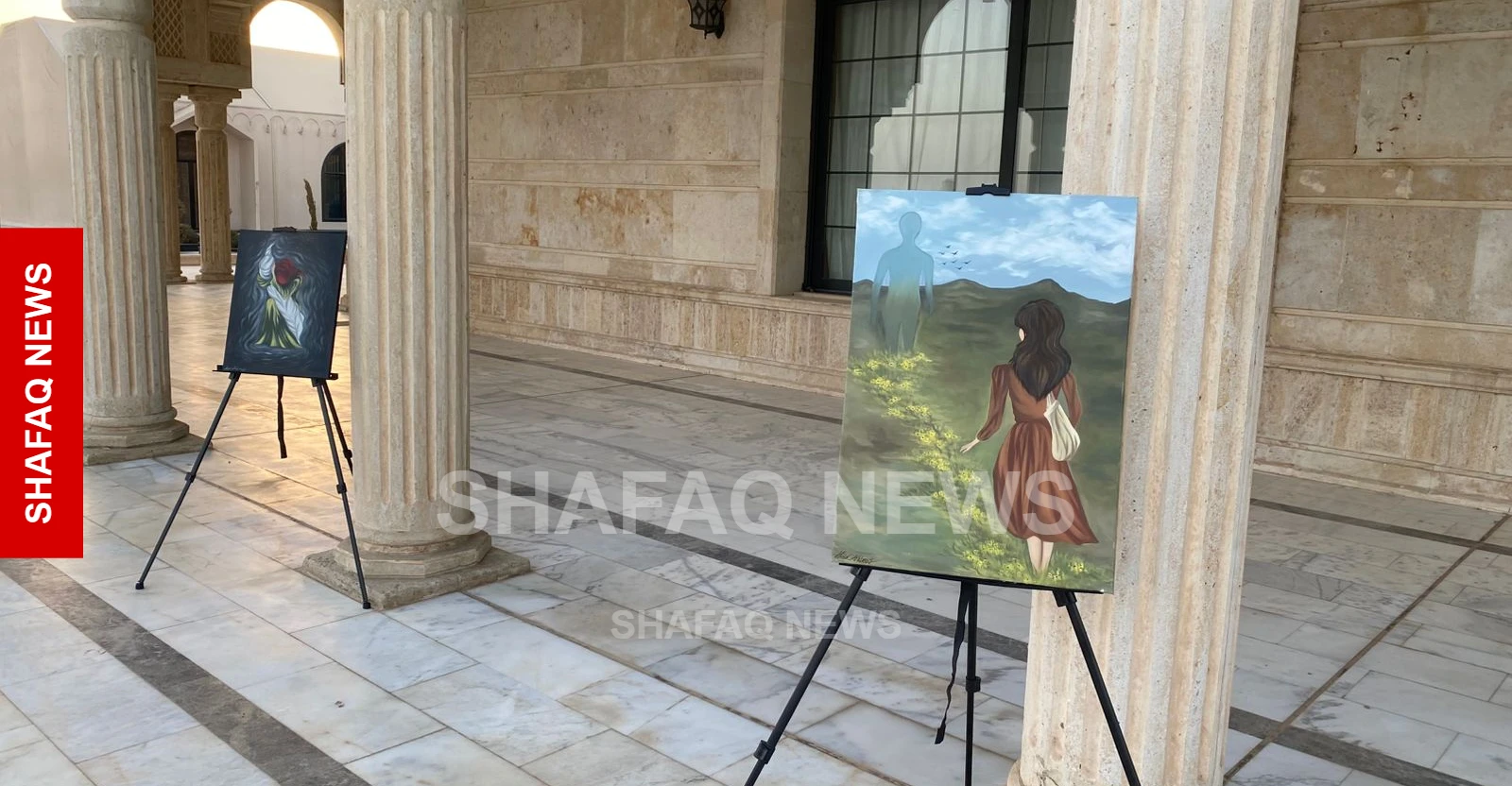
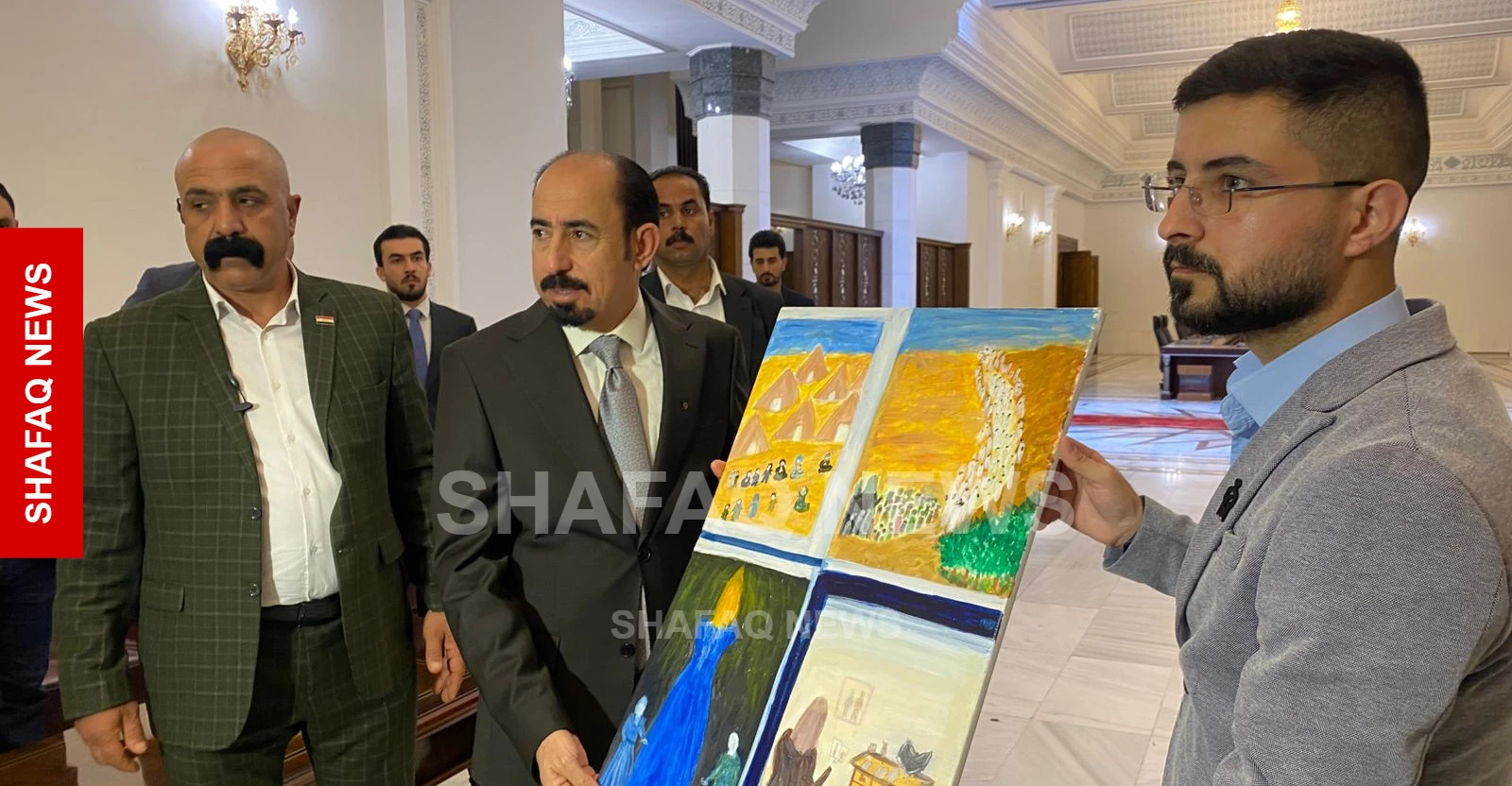
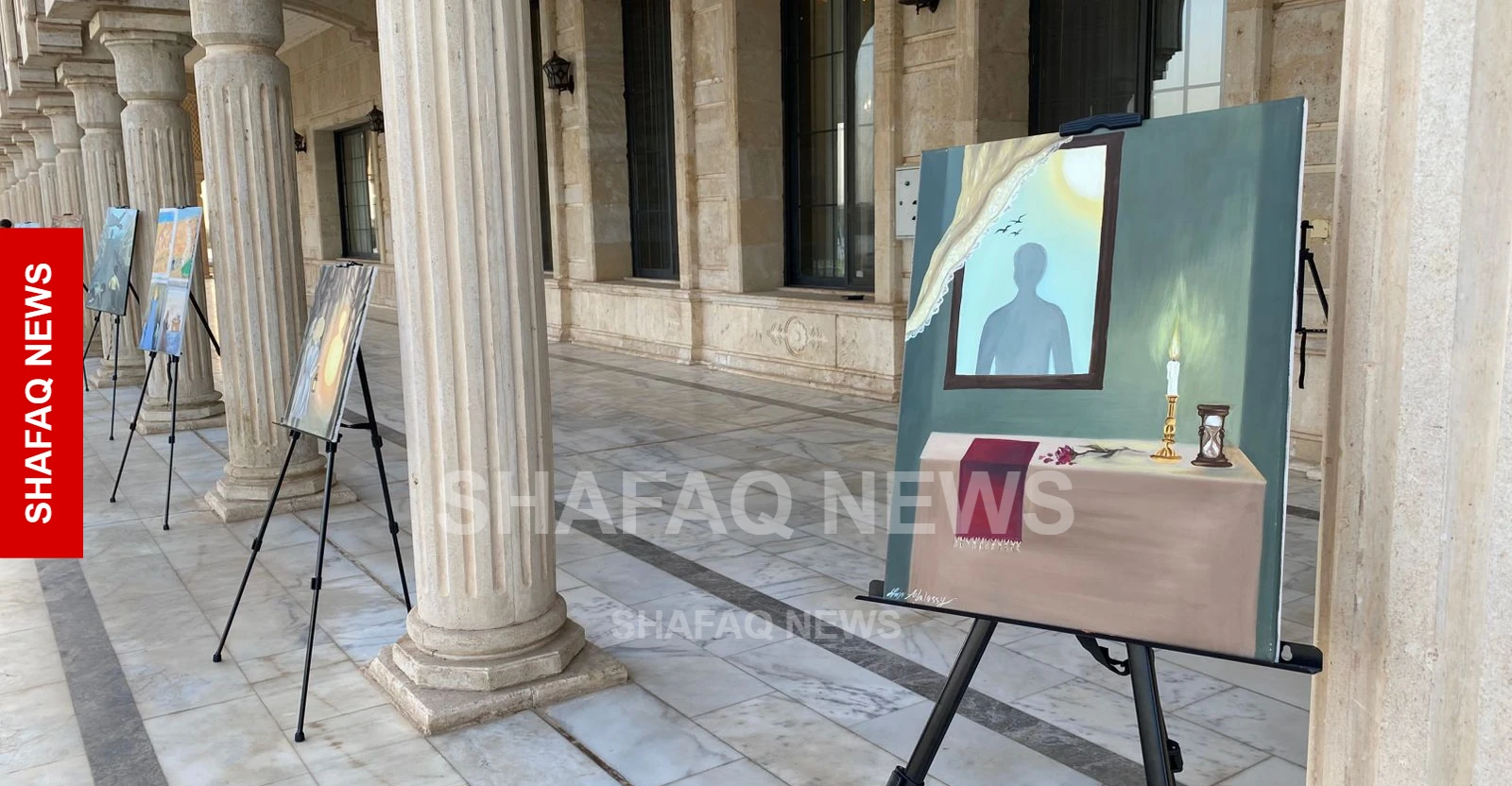
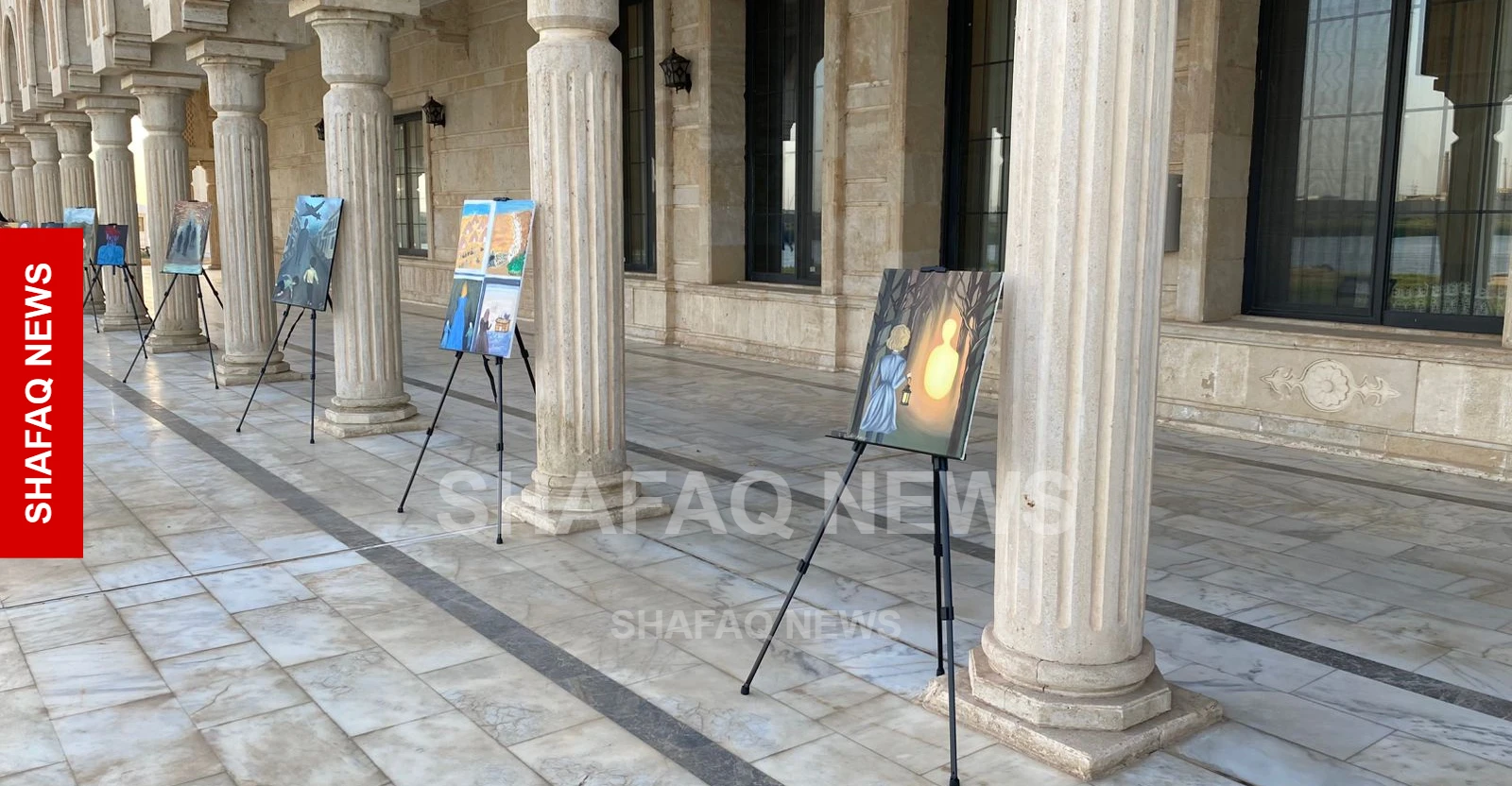
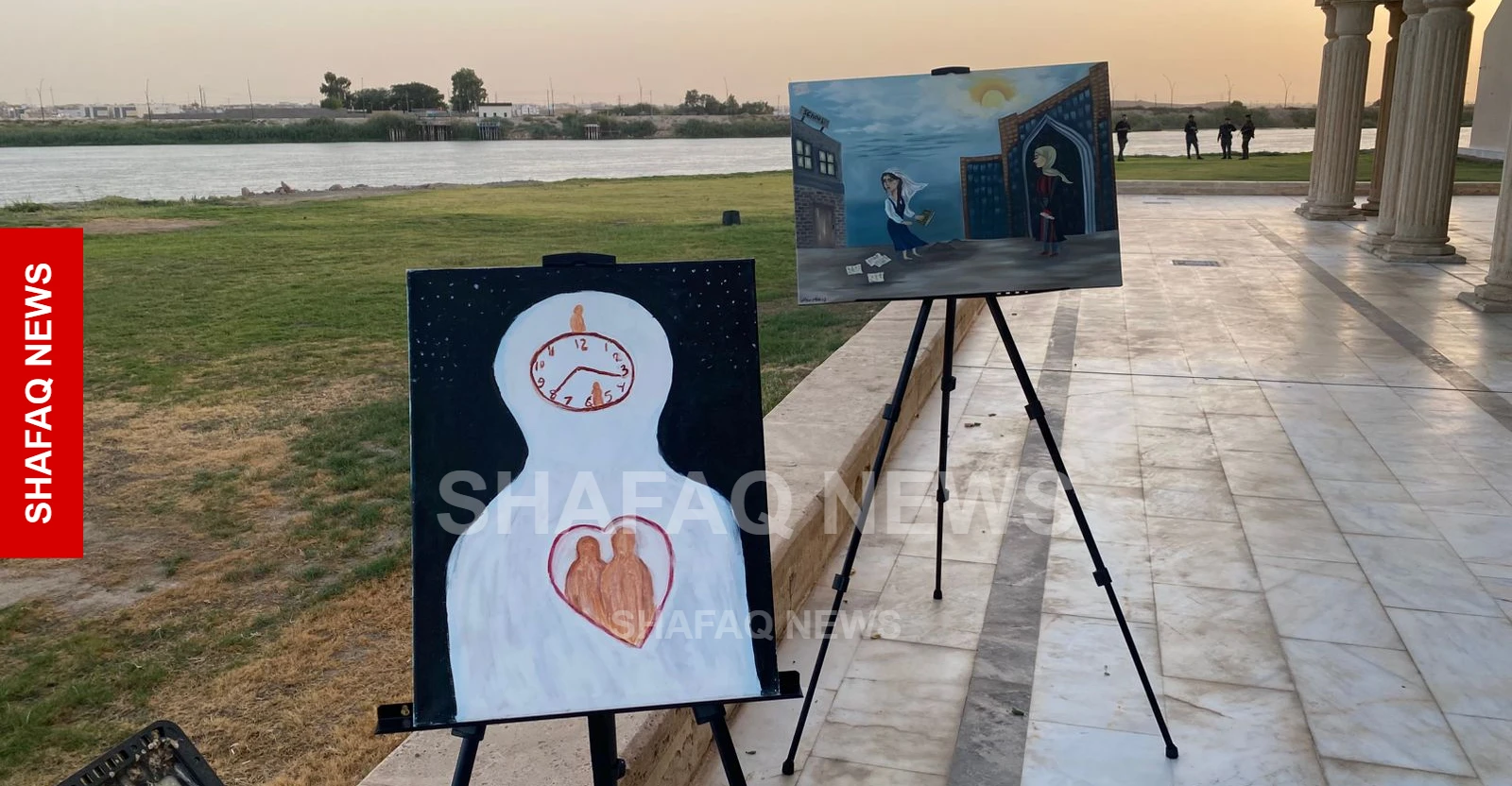
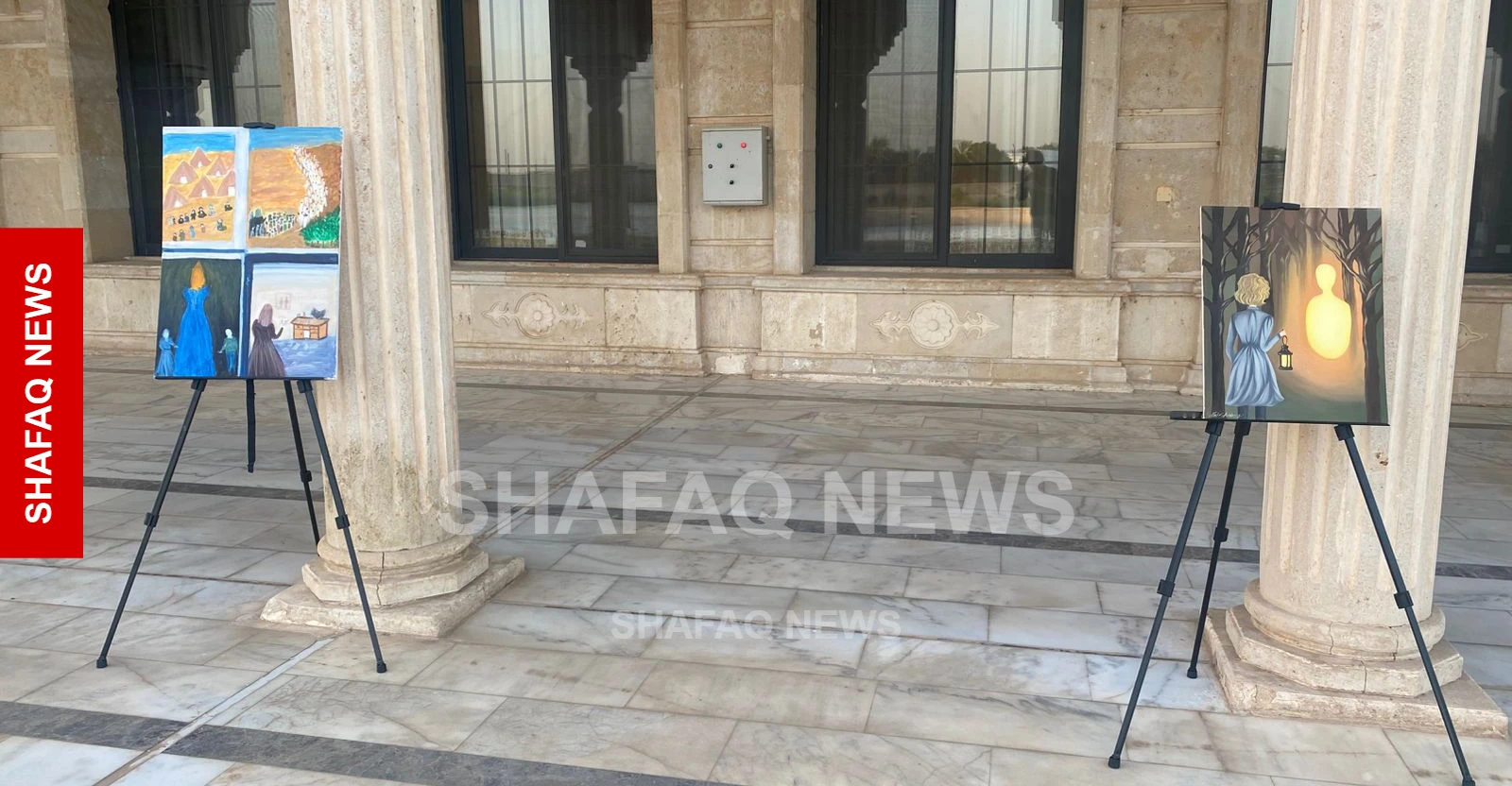
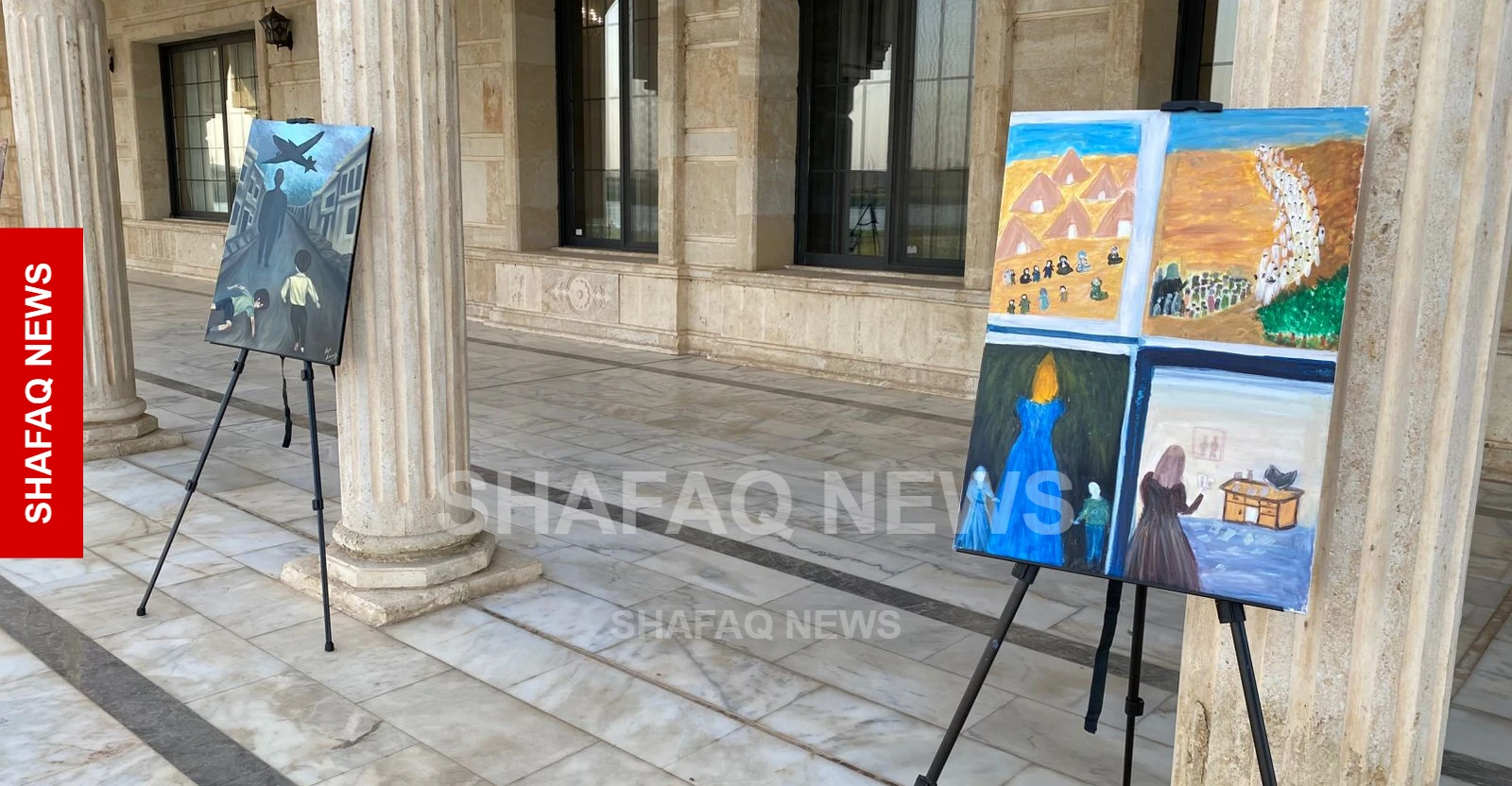
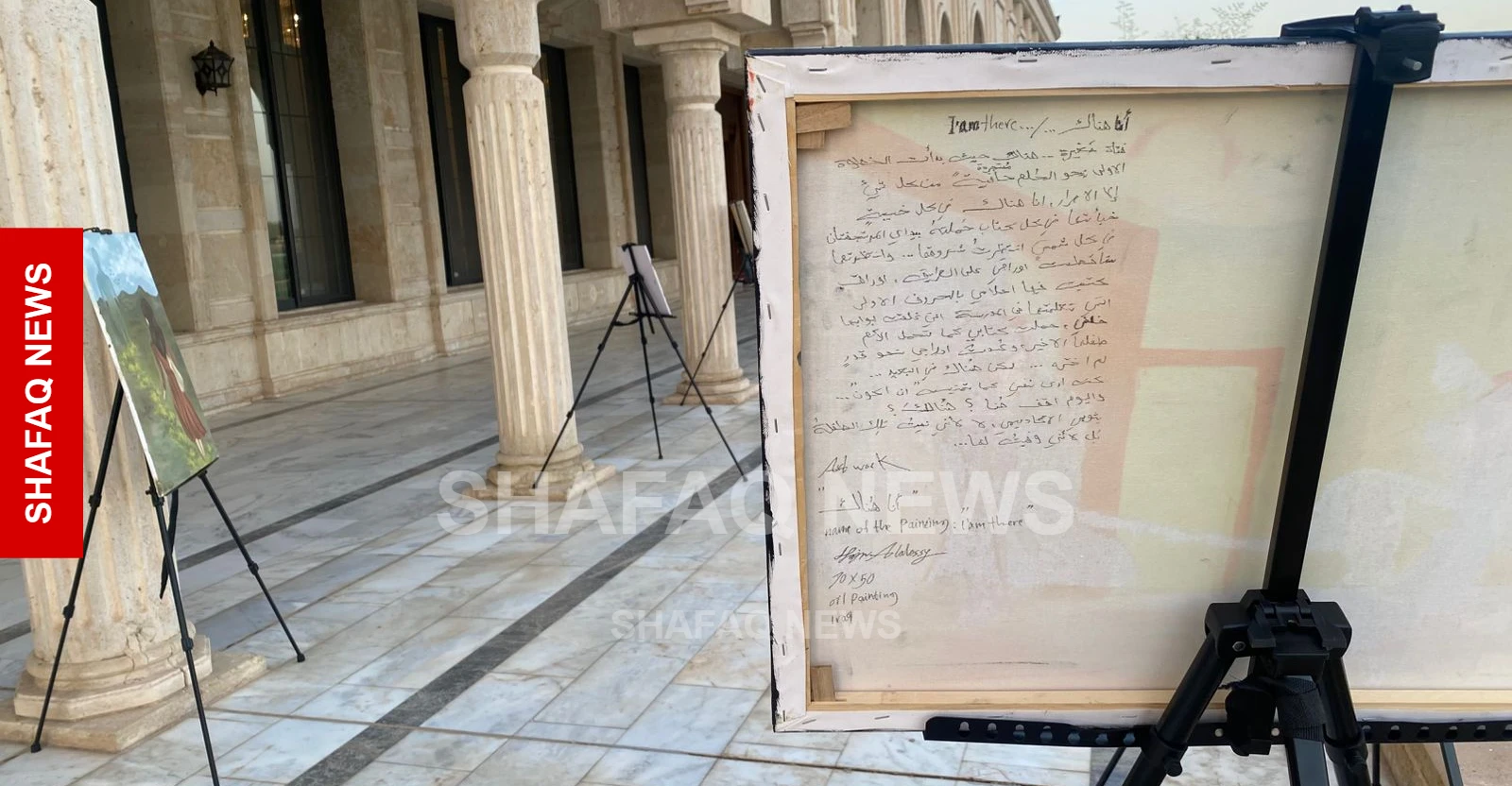
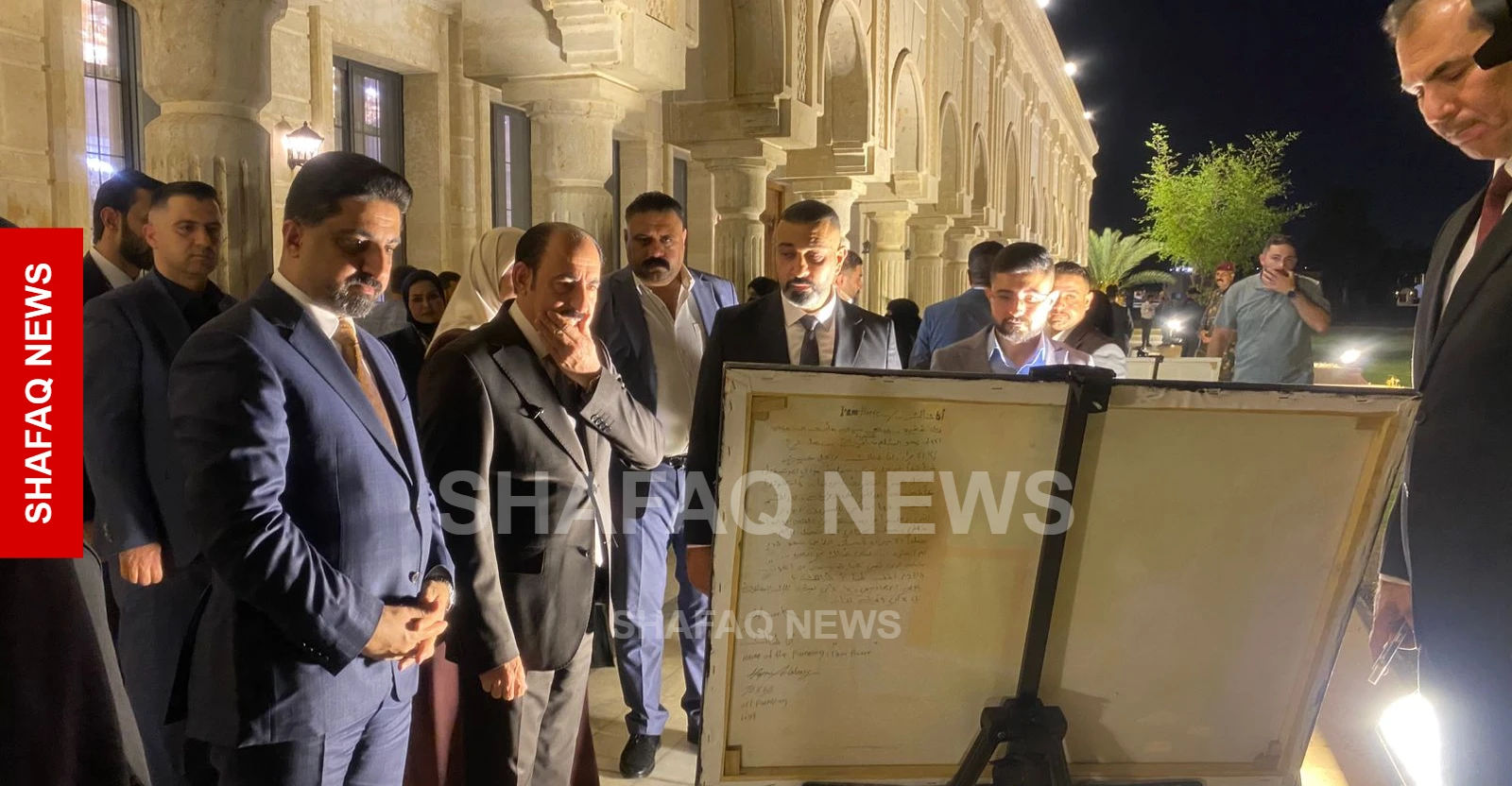
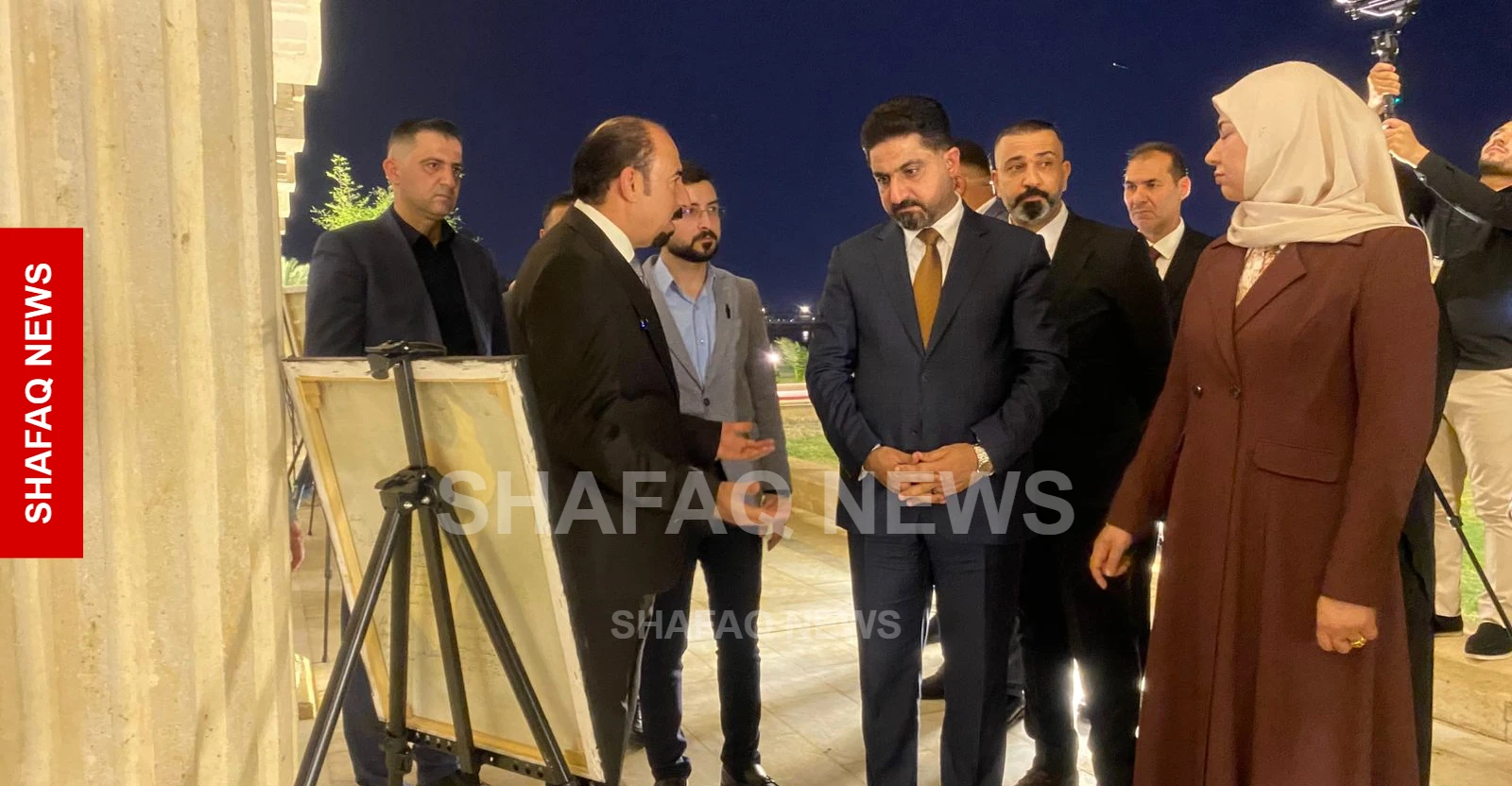
The Al-Anbar Provincial Council marked the International Day of the Victims of Enforced Disappearances by renewing calls for the federal government to determine the fate of missing people and compensate their families.
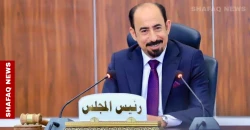
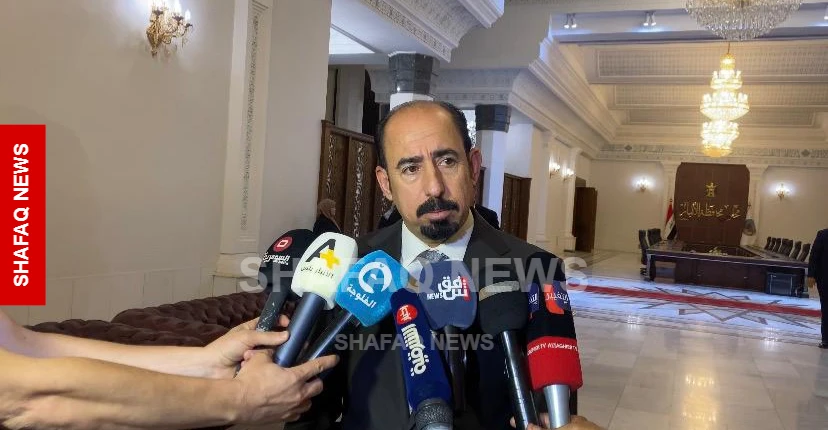
Hamid al-Alwani, head of the council, said at a press conference that it would continue pressing federal authorities to pay compensation owed to the families and determine the fate of those who went missing.
Regarding graves uncovered earlier this year in the Akkaz area of Saqlawiyah, Al-Alwani said the council had formed a committee to follow up on the case, but DNA results had yet to be released.
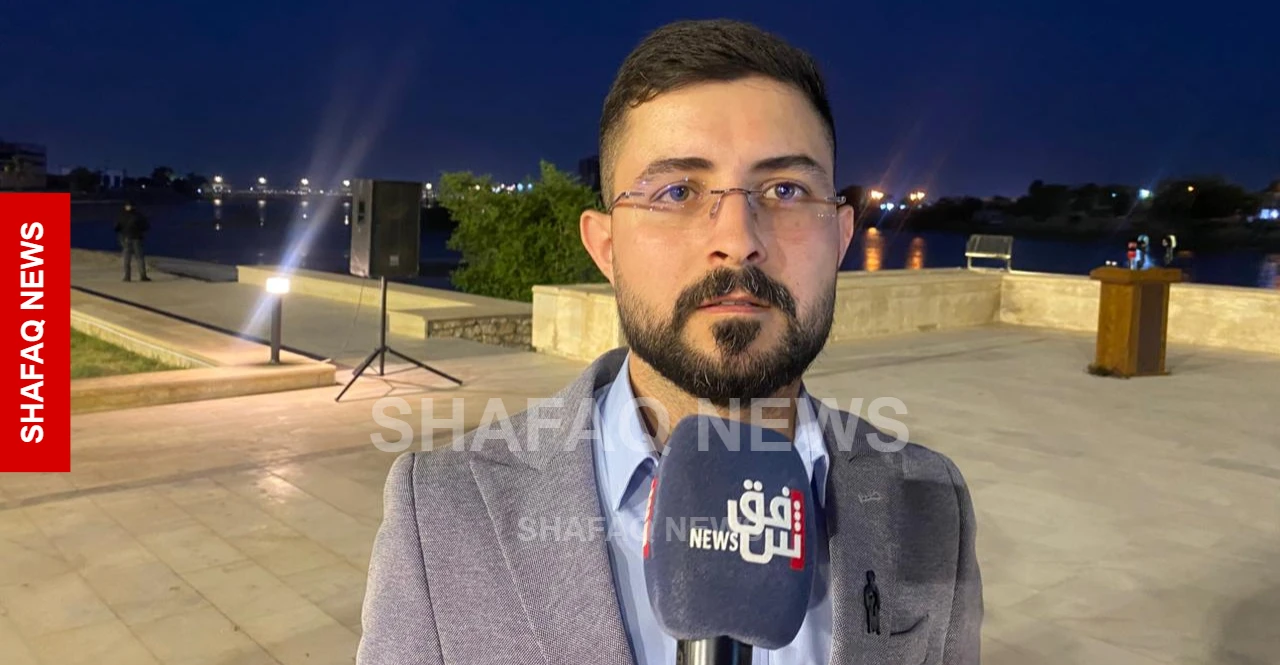
Sinaa al-Mohammadi, a relative of a forcibly disappeared person, called on the government to send a medical team to Saqlawiyah to collect samples on site.
“Doing so would spare families the trip from Baghdad or Ramadi and speed up DNA testing,” she said, adding that families in Saqlawiyah had been waiting 11 years for answers about their missing relatives.
The discovery of a mass grave in Saqlawiyah in May prompted conflicting accounts over its origin. The official account dates the site to the 1980s, while families of the disappeared and activists dispute that assessment, saying belongings recovered from the graves point to more recent killings.
The council has not taken a position on the competing claims. Al-Alwani said DNA testing would determine the identities of the remains and that the results would be announced once testing was complete. He gave no timeline.
Read more: HRW urges Iraq to intensify mass grave exhumations
Al-Alwani also raised delays in compensation for victims' families. He said council members had met Prime Minister Ali al-Zaidi, who had promised that payments to the families of those killed and wounded would be released soon.
The Martyrs Foundation, the federal body responsible for compensating victims' families, also drew criticism. Al-Alwani criticized the head of the foundation, saying he was unfit to represent the institution.
“There is discrimination and targeting of this province,” Al-Alwani said.
Al-Mohammadi described a bureaucratic process at the foundation's offices that she said had dragged on for years without resolution. She said families had been required to obtain 17 official documents and had approached several government bodies, including intelligence, national security and airport authorities, with some paperwork having to be renewed each year.
“Every time we complete one document, we are asked for another,” she said.