The longer we are in Cvoid-19 pandemic, the more chronic stress that we have, Study
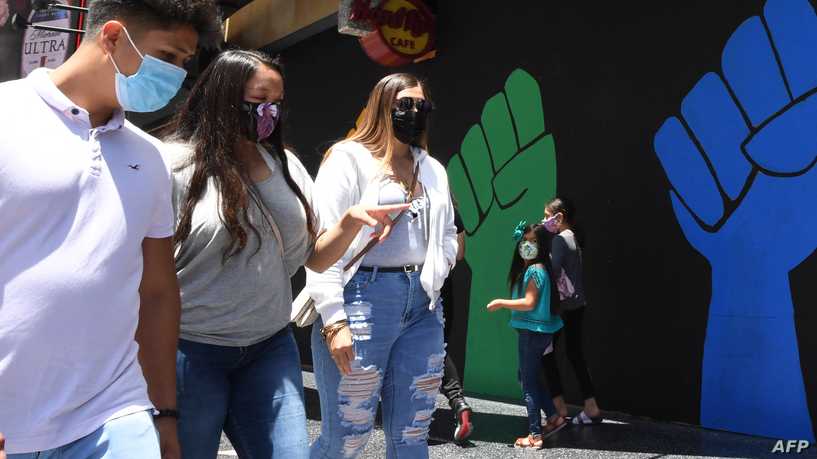


Shafaq News/ Many aspects of our pandemic lives are hurting our ability to plan, organize and remember things daily. Multitasking, stress and lack of sleep brought on by the pandemic have overloaded people mentally.
Working from home, managing distance learning, unemployment, trying to get vaccinated…all things many people are juggling. These all bring on chronically high levels of the hormone cortisol, which is associated with stress and can lead to memory impairments in healthy adults.
"There's been a lot of imaging studies to show that chronic stress and the pandemic is the epidemic of that," La Jolla-based psychologist Christina Huang said. "Chronic stress actually reduces the volume of the prefrontal cortex which is the part of the brain that is responsible for executive functioning and planning and the hippocampus which is the part of our brain responsible for memory consolidation."
Huang said managing too many details can definitely make you feel "foggy" and bring on other emotions as a result.
"So, overall the longer we are in this pandemic and the more chronic stress that we have. It's going to be harder to rationalize, harder to remember, we are going to be more easily agitated and more emotional," Huang said.
Even though the pandemic isn't over, Huang said there are things you can do to help your brain recover, including going outdoors and focusing on one task at a time. Huang says eventually we can get back our normal brain functioning.
"In order to help the brain recover a lot of its functions from before the pandemic, we can always help it out by mindfulness, meditation, getting it more relaxed, digitally detoxing. We can gain a lot of that back. There has been a lot of studies that show that chronic mindfulness can increase our brain volumes in the opposite direction," Huang said.
Earlier, the Unicef revealed new facets about coronavirus effects on children and young.
Based on new research, it said more than 330 million youngsters have been stuck at home for at least nine months, since the virus spread uncontrollably this time last year.
This has left them feeling isolated and anxious about their future, said UNICEF spokesperson James Elder: “Tens and tens of millions of youngsters have been left feeling isolated and afraid and lonely and anxious because of these enforced lockdowns and isolations that have become as a result of this pandemic.”
He said countries needed to emerge from this pandemic “with a better approach, a better approach to child and adolescent mental health, and that probably starts just by giving the issue the attention it deserves.”