Report: Asia's contribution to achieving net-zero emissions by 2050
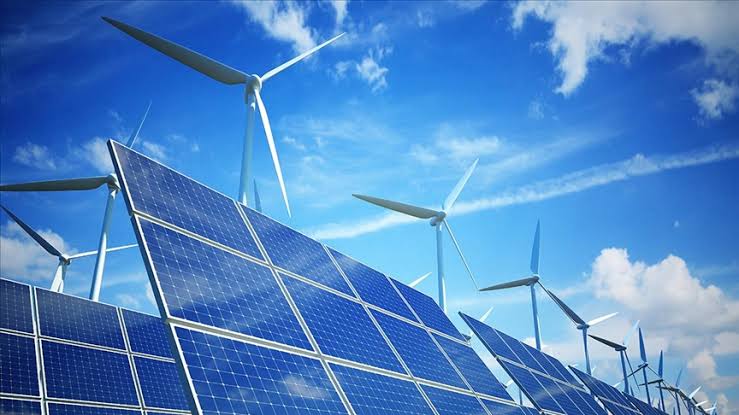


Shafaq News / Carbon emissions are on the rise globally, posing significant risks to the environment and life on Earth, according to a report by the Intergovernmental Panel on Climate Change. About three-quarters of greenhouse gas emissions are linked to the energy sector, making it crucial for the industry to reduce its carbon footprint. The International Energy Agency (IEA) has developed a Net-Zero Emissions by 2050 Scenario to guide the global energy sector in achieving this goal.
Asia, responsible for 53% of the world’s carbon emissions, plays a pivotal role in achieving net-zero emissions. At the Energy Asia conference, Tengku Muhammad Taufik, CEO of Petronas, emphasized this point, stating that the world cannot achieve net-zero without Asia’s contribution. The conference, which brought together business leaders and government officials, aimed to discuss solutions for the region’s shared net-zero goal.
Despite the commitment to global climate goals, the transition to clean energy in Asia must be handled carefully to avoid negative impacts on people’s livelihoods. Many countries in the region, including all 10 Asean countries, have submitted their emissions reduction plans to the United Nations, with most pledging to pursue a net-zero target. An ASEAN renewable energy target of 23% in the energy mix by 2025 has also been set.
While achieving net zero is the ultimate goal, it is crucial to ensure a just energy transition that takes into account energy security and affordability. Decision-makers must protect the needs of vulnerable markets and communities to ensure that the transition benefits all. Collaboration and partnerships among stakeholders are essential in developing tailored and sustainable solutions for each country’s unique conditions.
Accelerating the adoption of low-carbon technologies and investing in innovation are critical in achieving a sustainable future. Energy Asia and similar conferences serve as platforms for collaboration and knowledge-sharing, enabling stakeholders to discuss pathways to a more sustainable energy future. Such partnerships, along with policies, financing, innovation, and digital transformation, will play a crucial role in achieving an inclusive, prosperous, and sustainable Asia.
(Energy Portal)