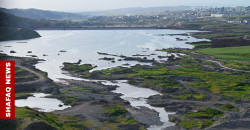
Where Mesopotamia once flowed: The dying rivers of southern Iraq


Shafaq News
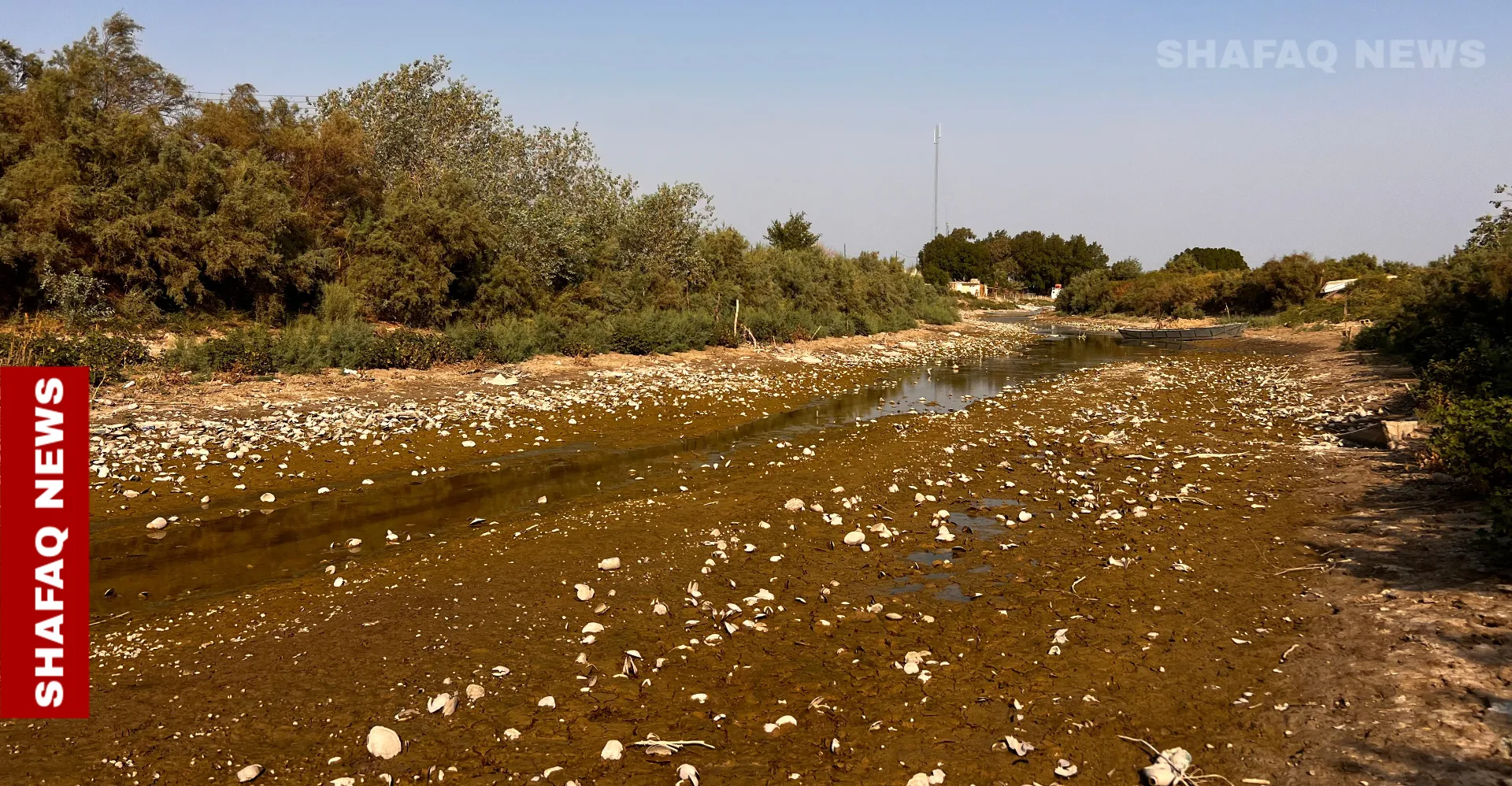
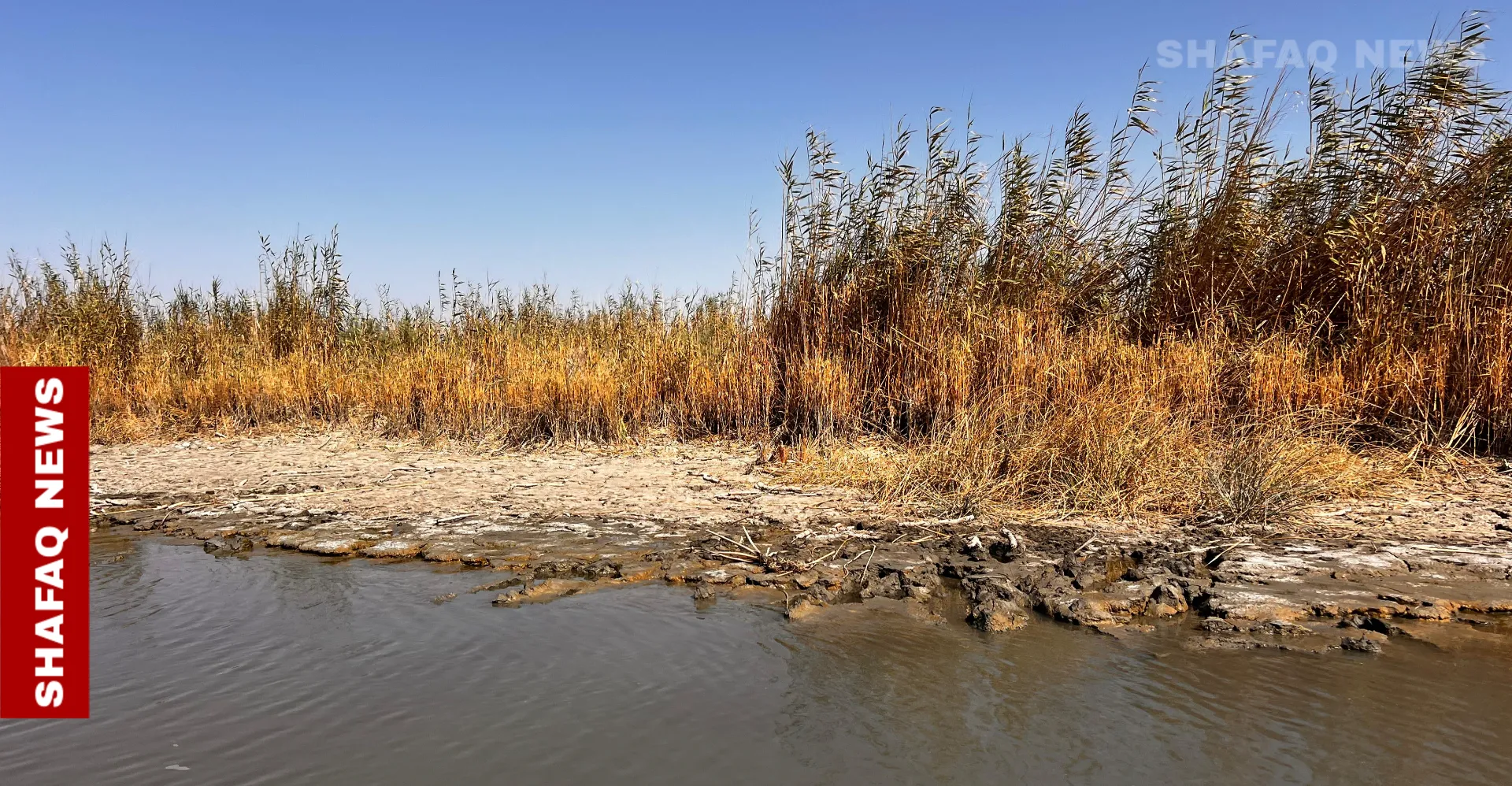
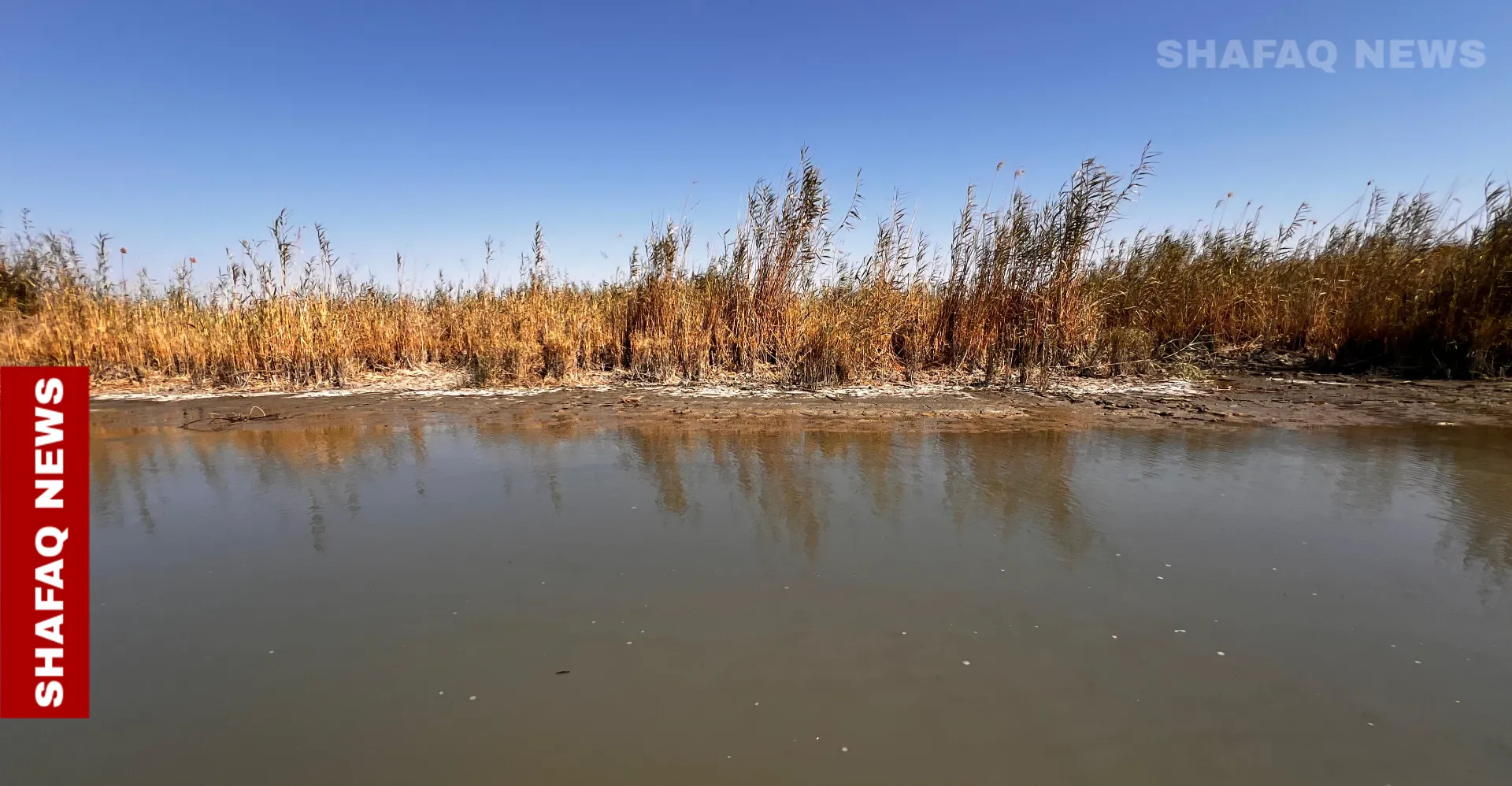
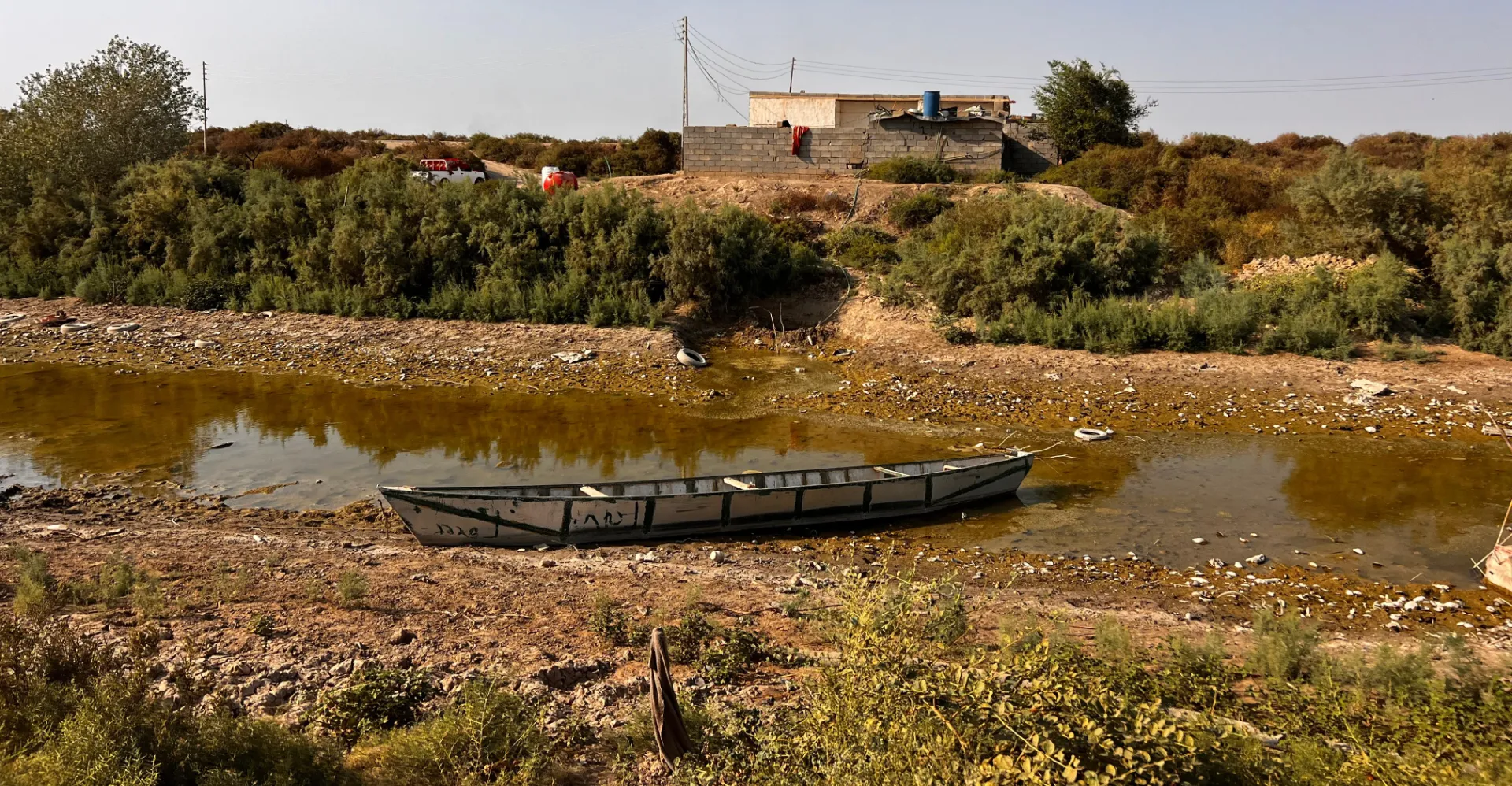
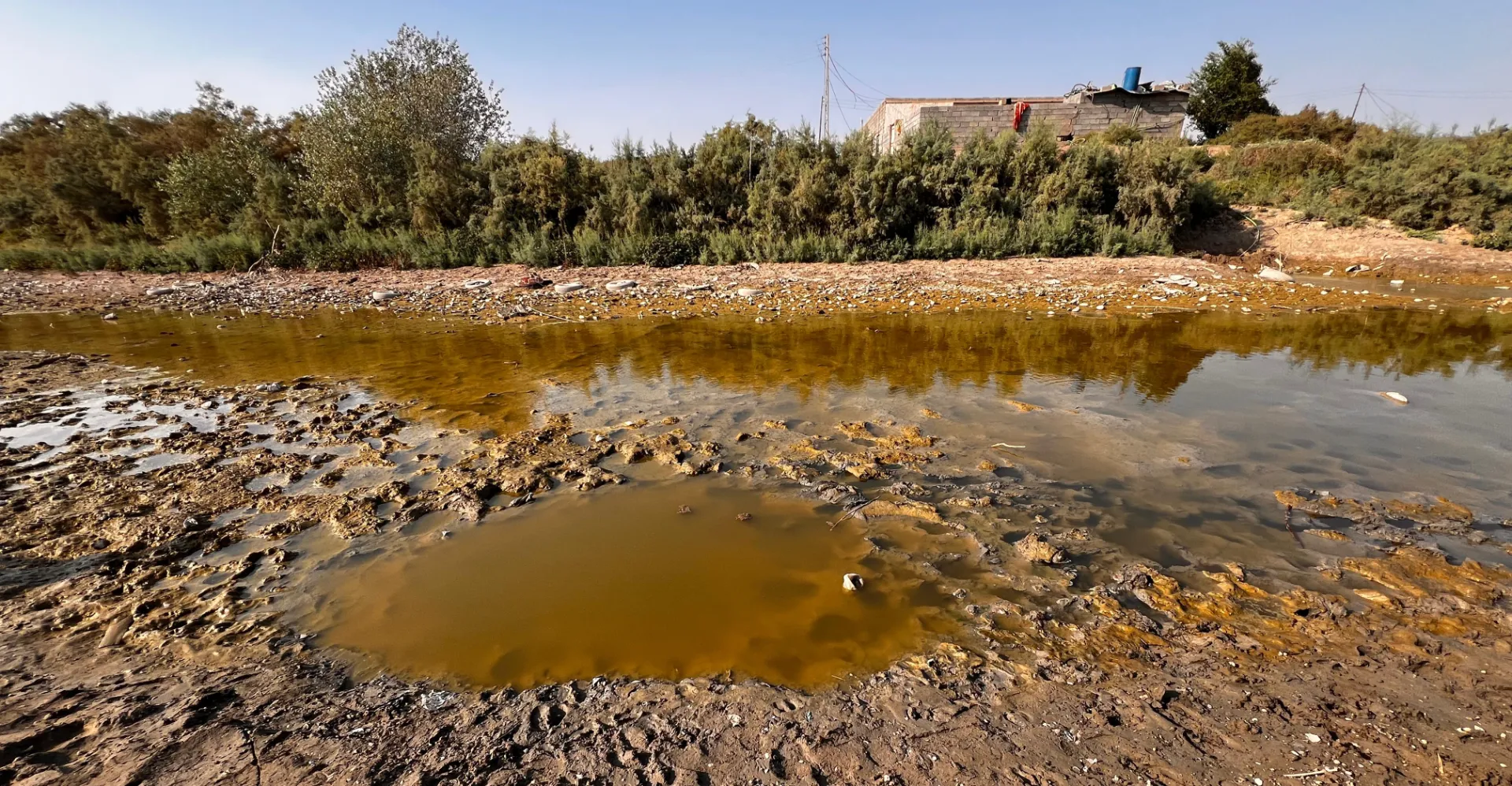
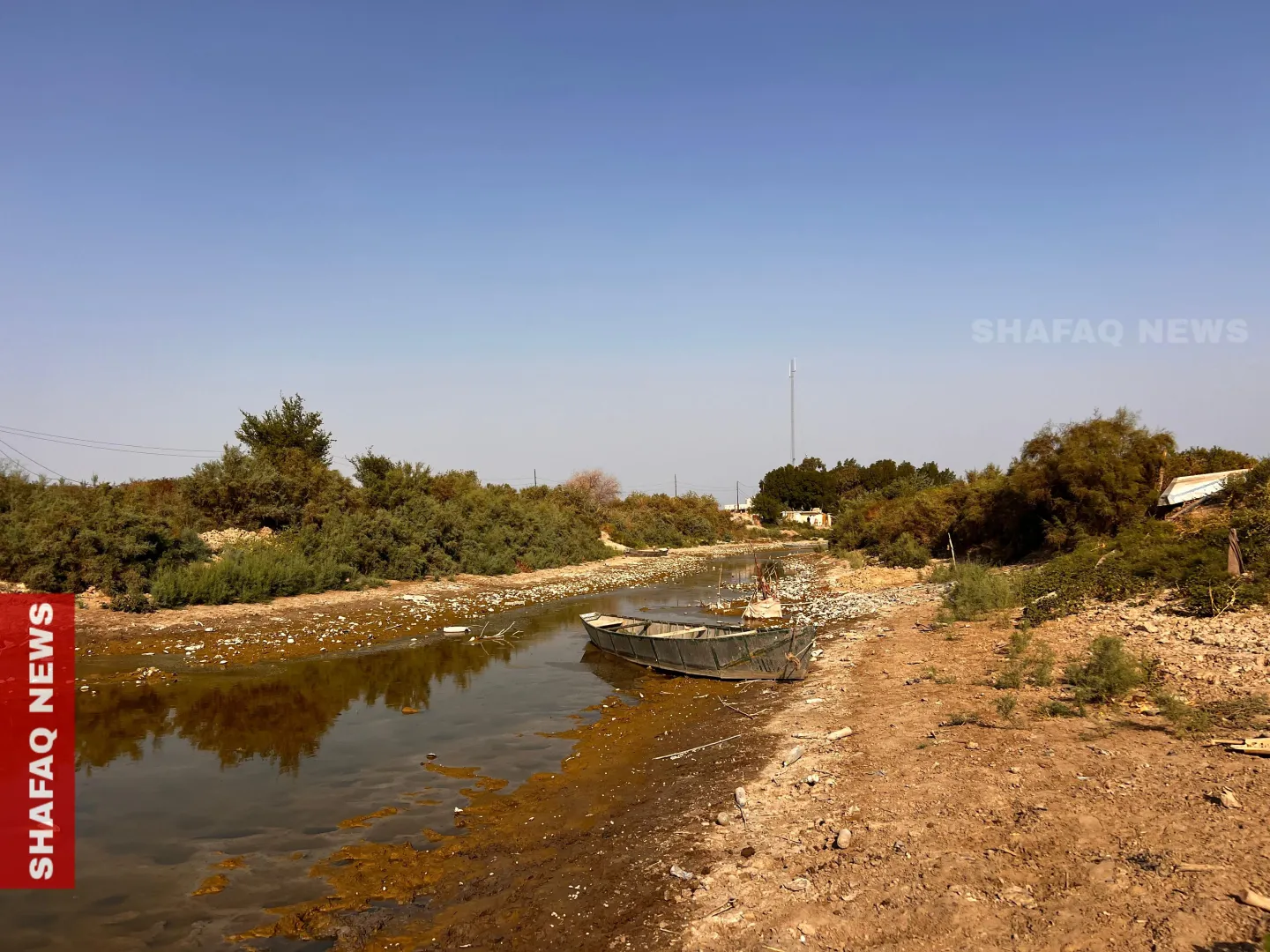
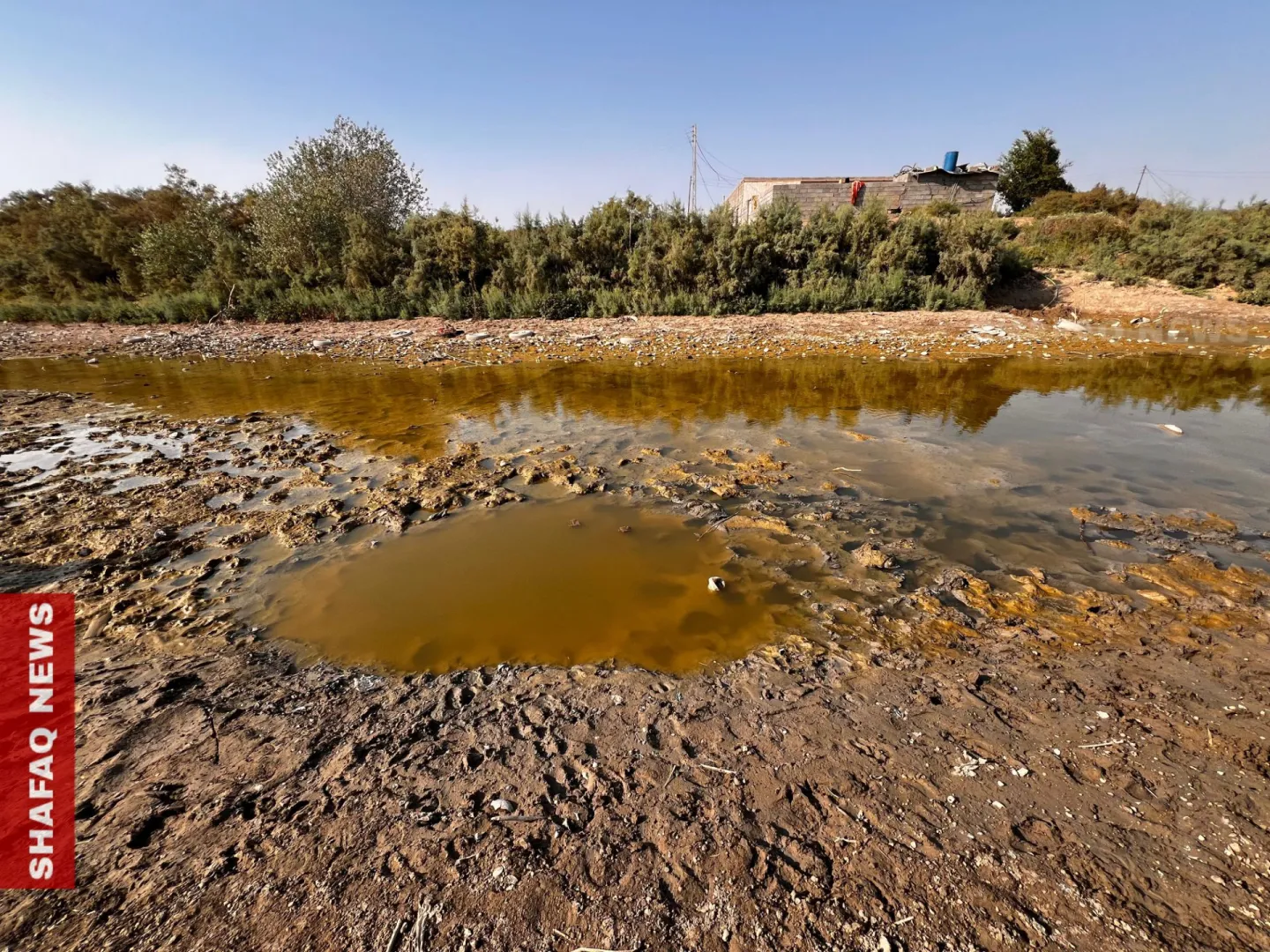
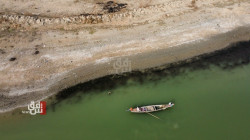
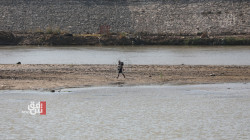
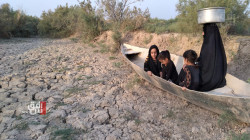
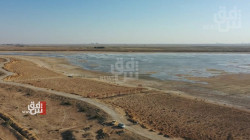
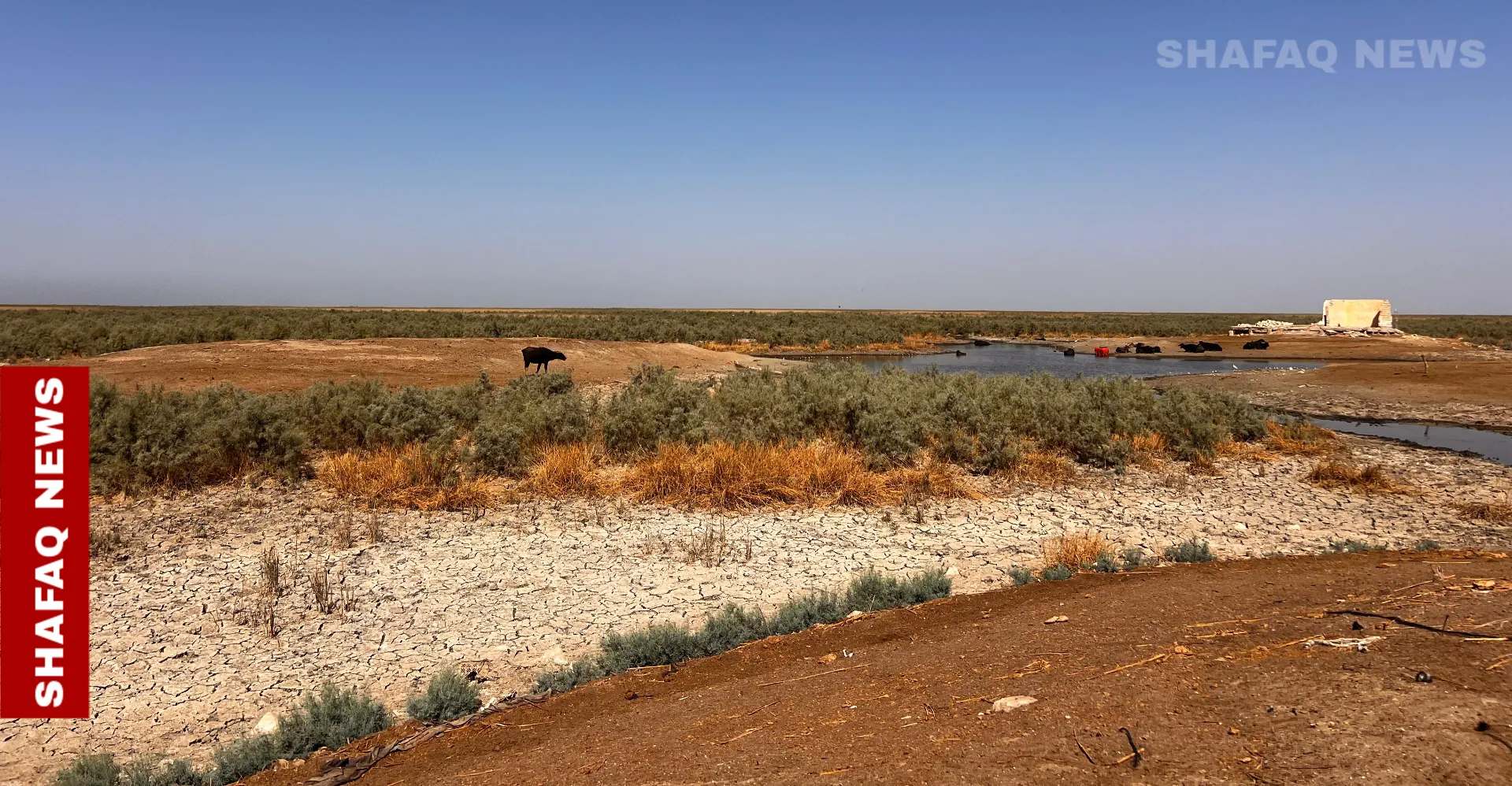
In the parched plains of southern Iraq, the riverbeds are cracking. Once the lifeline of villages and marshlands, the waters of the Umm al-Tus River have vanished, leaving behind dust, dead reeds, and silence.
For residents of Abu Khassaf in Maysan province, life without water has become a daily ordeal. “The river’s death forced many families to leave,” Kadhim Karim Hassan, a villager who once lived by fishing and buffalo herding, told Shafaq News. “We now drive for miles just to bathe or bring clean water.”
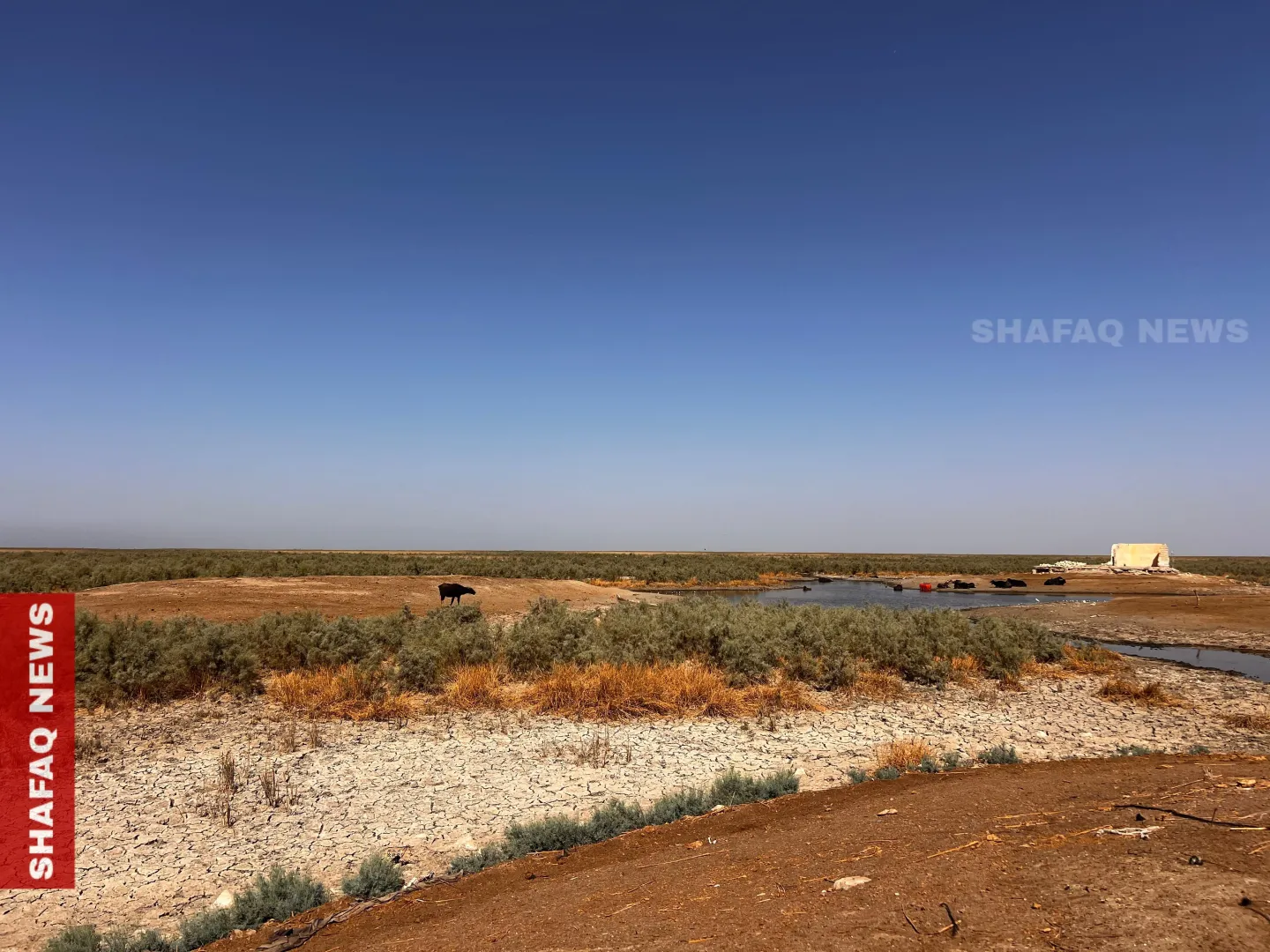
Across southern Iraq, rivers and marshes are collapsing under the combined weight of drought, upstream restrictions, and decades of mismanagement. Environmental groups warn that if current trends persist, the region that gave birth to Mesopotamian civilization could soon become uninhabitable.
The UN Environment Programme (UNEP) estimates that over 70 percent of Iraq’s southern marshes have dried up since 2021 — a pace it describes as “the fastest ecological collapse in modern Middle Eastern history.”
Rapid depletion has devastated ecosystems and disrupted traditional livelihoods, forcing more than 20,000 families to abandon fishing, reed harvesting, and livestock herding.
Environmental activist Ahmed Saleh Neama told Shafaq that the Umm al-Tus River, which once fed the Huweiza Marsh, has not seen a drop of water for months. “The pumping stations stopped long ago,” he explained. “The marshes are cut off and dying.”
In Dhi Qar and Maysan, buffalo herders report losing entire herds to thirst and disease. “Every drought year, we lose part of our history,” said Abu al-Hasan al-Musafari, head of the Gilgamesh Foundation for Heritage and Marshes.
Roots of the Crisis
Experts trace Iraq’s worsening water crisis to a convergence of political, climatic, and structural factors. Nearly 90 percent of Iraq’s freshwater originates in neighboring Turkiye, where massive dam projects along the Tigris and Euphrates — including the Ilisu Dam — have sharply reduced downstream flow.
Despite Ankara’s pledge in June 2025 to release 420 cubic meters per second, Iraqi officials and UN data show that actual inflows remain far lower.
“The problem isn’t just quantity; it’s consistency,” said a senior water official in Baghdad. “Unpredictable releases make it impossible to manage what little we have.”
Meanwhile, rainfall across Iraq has fallen 30 percent over the past two decades, while temperatures have risen nearly 2°C above pre-industrial levels — accelerating evaporation and desertification.
At the local level, unregulated fish farms, illegal irrigation canals, and excessive planting of water-intensive crops such as rice and wheat have drained tributaries like Umm al-Tus dry.
Read more: Iraq’s water crisis deepens: Reserves collapse, mismanagement continues.
Ecological and Human Fallout
According to the Food and Agriculture Organization (FAO), water buffalo populations have fallen by 80 percent since 2018, while migratory birds that once filled the skies over the southern wetlands no longer return. Rising groundwater salinity has rendered vast stretches of farmland barren.
For local communities, the disaster is both environmental and existential. Families who lived for generations among the reeds now flee northward. Schools in rural areas have closed, and health officials warn of waterborne diseases spreading from stagnant pools.
A Heritage in Peril
Iraq’s southern wetlands — recognized by UNESCO in 2016 as a World Heritage Site — once symbolized ecological rebirth after Saddam Hussein’s campaign to drain them in the 1990s. Today, those same marshes are again shrinking into dust.
UNESCO has warned that without sustained inflows and international cooperation, parts of the Huweiza and Central Marshes could become “permanently lost ecosystems.”
Baghdad says it continues to push for binding water agreements with upstream countries and to modernize irrigation systems. But experts caution that time is running out.
“The marshes are dying,” one resident said. “And with them, a way of life thousands of years old — the last living trace of ancient Mesopotamia.”
Written and edited by Shafaq News staff.