Uniforms off, campaigns on: Former Iraqi officers vie for parliament seats


Shafaq News
Iraq’s upcoming parliamentary elections on November 11, 2025, are shaping up as a battlefield of a different kind, where former military officers are trading uniforms for campaign posters.
They aim to bring battlefield experience into the halls of legislation, particularly in the parliamentary Security and Defense Committee. While their presence promises professional insight into Iraq’s security challenges, it also raises concerns about the politicization of the military at a pivotal moment in the country’s history.
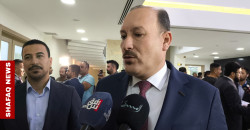
Many of these candidates argue that their military careers give them a unique perspective on what Iraq’s armed forces and security agencies truly need. Major General Yehia Rasool al-Zubaidi, running under the State of Law Coalition (Dawlat al-Qanoon) led by former Prime Minister Nouri al-Maliki, emphasizes that the Committee requires “military figures who have worked in the field and understand what the armed forces require in terms of legislation, development, and capacity building.”
He highlights the importance of laws covering the Defense Ministry, the Popular Mobilization Forces (PMF), and the wider security apparatus to ensure that institutions can protect Iraq’s sovereignty and the rights of service members.
Read more: Iraq’s 2025 Parliamentary Elections — What You Need to Know
The current Iraqi Electoral Law does not prohibit former military personnel from running for parliament if they are no longer in active service. This opens the door for figures like Retired Major General Nouri Ghafil Hamadi al-Dulaimi, representing the National Resolve Alliance (Al-Hasm Al-Watani) led by Iraq’s Minister of Defense Thabet al-Abbasi.
Al-Dulaimi frames political participation as a natural extension of military service. “History shows that war is an extension of politics by other means, and politics itself has a parliamentary dimension,” he emphasizes, noting that professional officers in parliament are necessary to shield security institutions from political interference. He also cites historical examples, including US presidents with military backgrounds.
Meanwhile, retired Colonel Bassam Ali al-Muhayawi, running with the Al-Azm Coalition led by Muthanna al-Samarrai, underscores how insider knowledge can fill critical gaps.
“A specialist understands the struggles of the sector he served in and can address its shortcomings,” he observes, while highlighting past failures in the Defense Committee’s work on training, service, and retirement reforms.
Speaking to Shafaq News, security analyst Adnan al-Kanani describes the rise of military candidates as a “healthy phenomenon,” pointing out that around 14 military officers are running in Baghdad alone.
“The Iraqi parliament is meant to reflect all segments of society. The military has sacrificed greatly and possesses the discipline and experience needed to guide the country through this difficult period,” he notes, adding that regional experiences, such as in Egypt, show how military leadership can provide stability in politically turbulent times.
Yet the expertise that makes these candidates appealing also carries risks. Strategic expert Ahmed al-Sharifi warns that Iraq faces “a serious equation where the problem is no longer the militarization of politics but the politicization of the military.”
He explains that partisan quotas and political loyalties have penetrated the command structure, weakening independence and turning the military into a tool for political ends.
“Buying loyalty with political money and co-opting officers are among the most dangerous aspects of the upcoming elections,” al-Sharifi adds, highlighting cross-border financial flows that signal attempts to influence Iraq’s political decisions, threatening national interests and undermining democracy.
Read more: Iraq’s 2025 Elections: Revised law reshapes the path to power
The electoral landscape itself is fiercely competitive. According to the Independent High Electoral Commission (IHEC), 31 coalitions, 38 parties, and 75 independent lists are contesting 329 parliamentary seats, with 7,768 candidates distributed across Iraq’s 18 provinces.
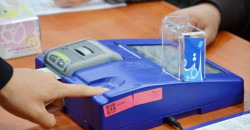
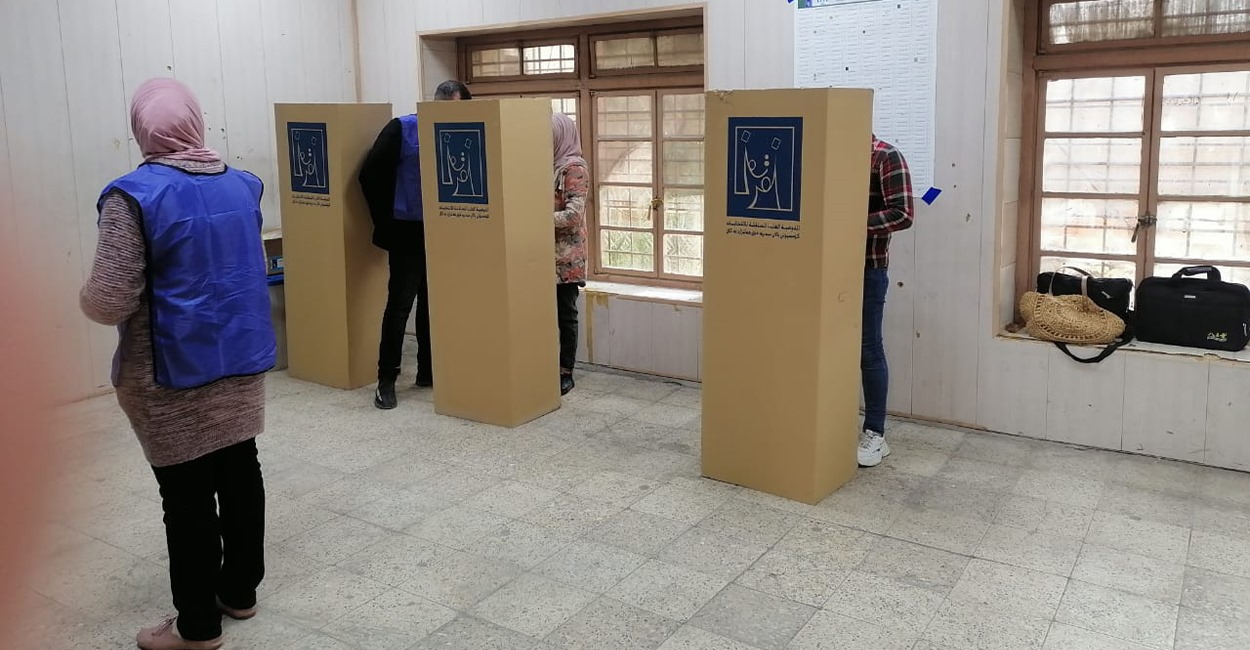
More than 21.4 million Iraqis are eligible to vote—20 million in the general ballot and 1.3 million through special voting for security forces and displaced persons.
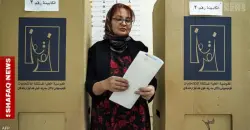
Special voting, scheduled for November 8, is designed for those unable to reach ordinary polling centers on Election Day, including members of the army, police, PMF, internally displaced persons living in camps, and eligible inmates.
Overall, the candidacies of military figures illuminate the tension between experience and influence, professionalism and politics. For some voters, officers bring discipline, insight, and a deep understanding of Iraq’s security realities; for others, their presence raises questions about the independence of institutions meant to remain apolitical.
Written and edited by Shafaq News staff.