The 150-year-old hill café: A timeless heart of Iraqi heritage
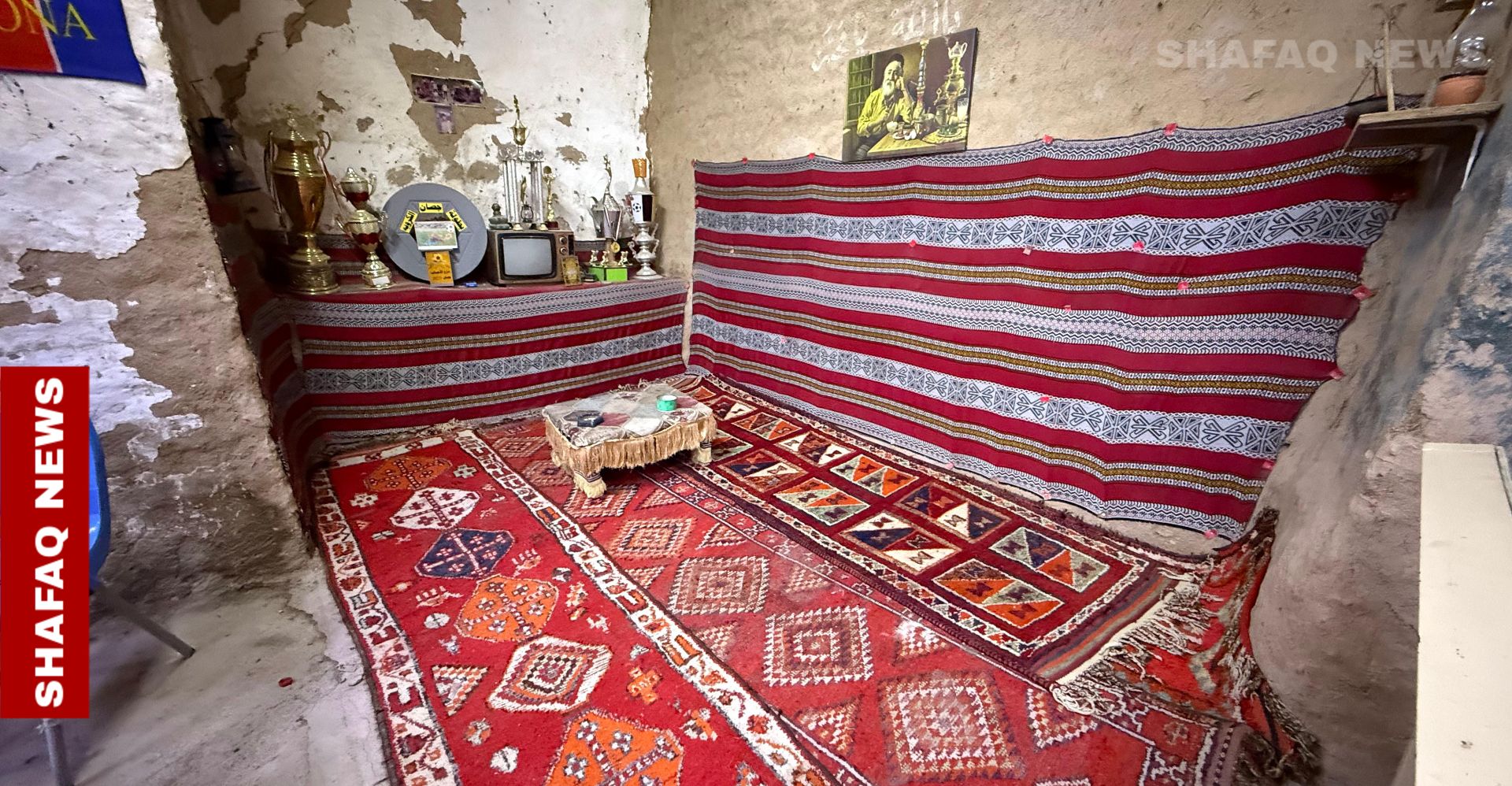


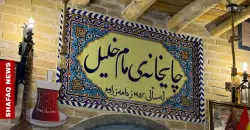
Shafaq News/ In the town of Tal Jassan, perched atop a 50-meter hill in Iraq’s eastern Wasit province, time seems to move more slowly. Generations have come and gone, but the town’s heritage-rich structures — built of mud, timber, and memory — continue to endure. At the middle of it all stands Maqha al-Tilla, or the Hill Café, a 150-year-old landmark that has become a living symbol of resilience.
Located in the Jassan subdistrict of Badra, near the Iranian border, Tal Jassan showcases Iraq’s enduring architectural and cultural traditions. Its homes, alleyways, and cafés, crafted from mud-brick and supported by tree-trunk beams, have withstood both natural decay and historical upheavals. The Hill Café, the oldest and most beloved of them all, remains remarkably intact.
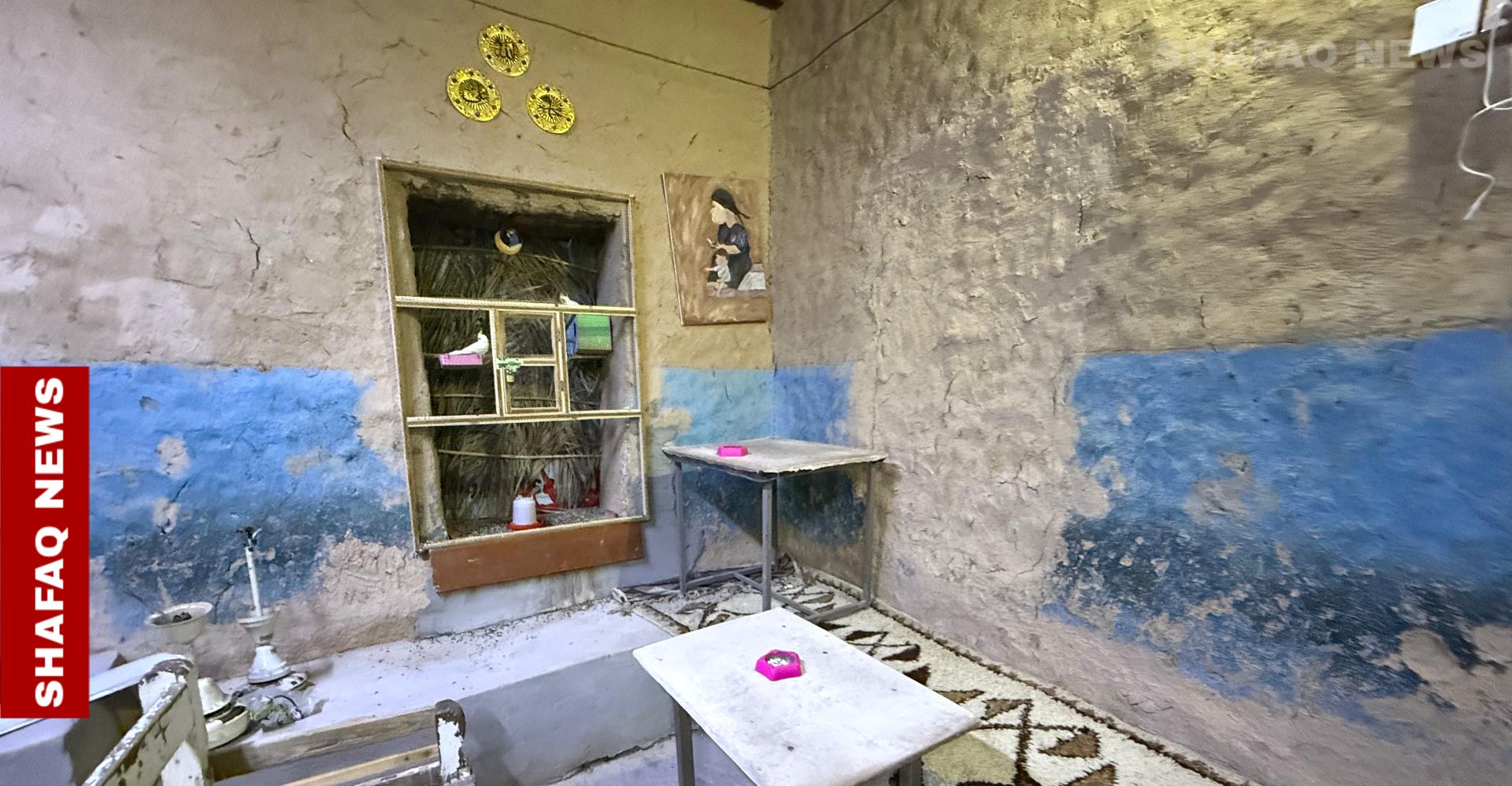
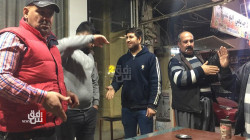
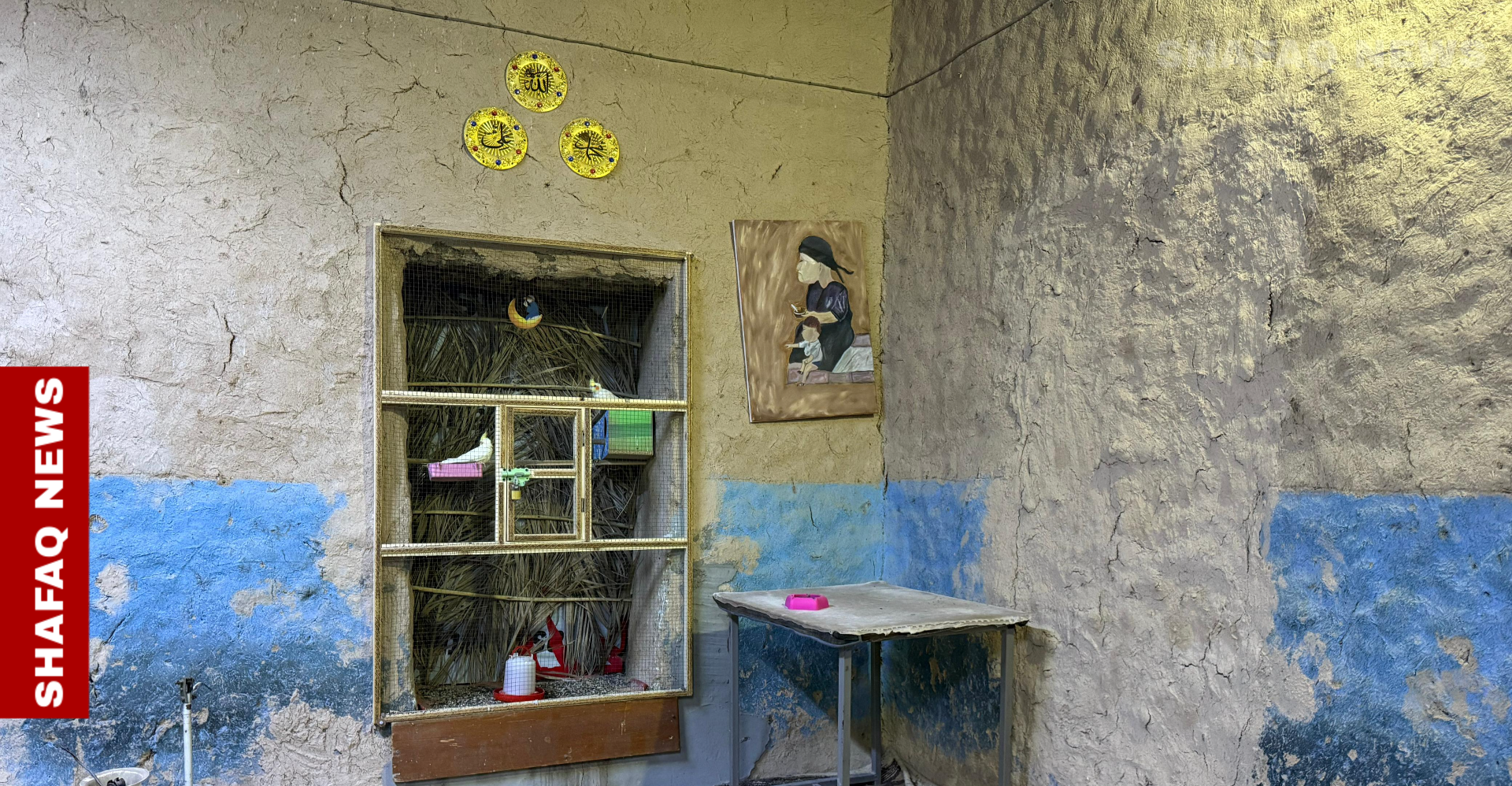
Spanning approximately 100 square meters, the café continues to welcome visitors daily. Some of them have brought in photographs of their ancestors to hang on its walls, paying tribute to family members considered icons of the town’s early days.
Abdu Talib, owner of the Hill Café, has kept it open for
decades, committed to maintaining both the building and its role in the
community. “The café overlooks the town, and I’ve always wanted it to remain
open,” he explained to Shafaq News. “I carry out repairs periodically to
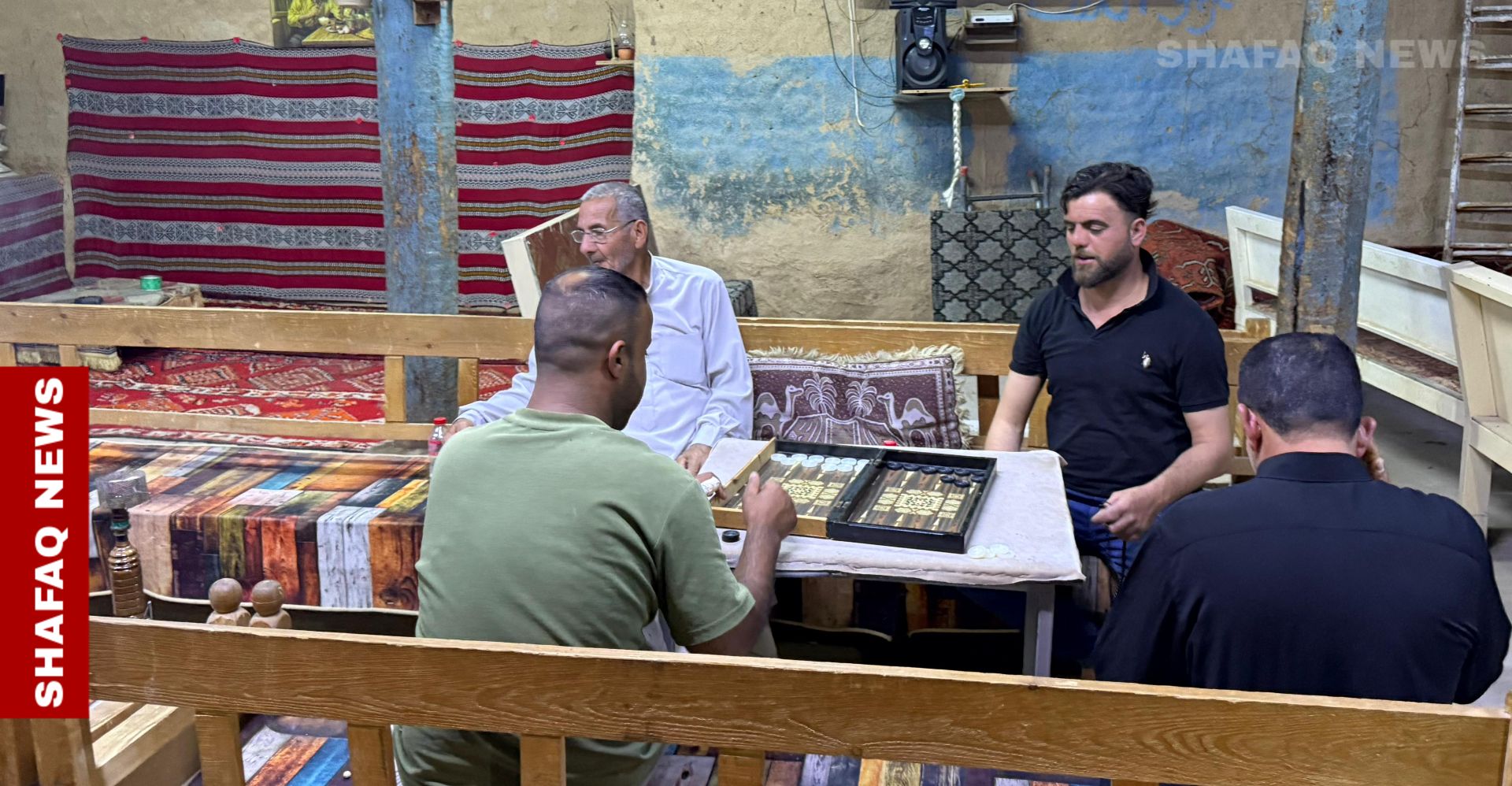
prevent deterioration. We replaced the old stone seating with concrete blocks
and laid carpets over them to improve comfort.”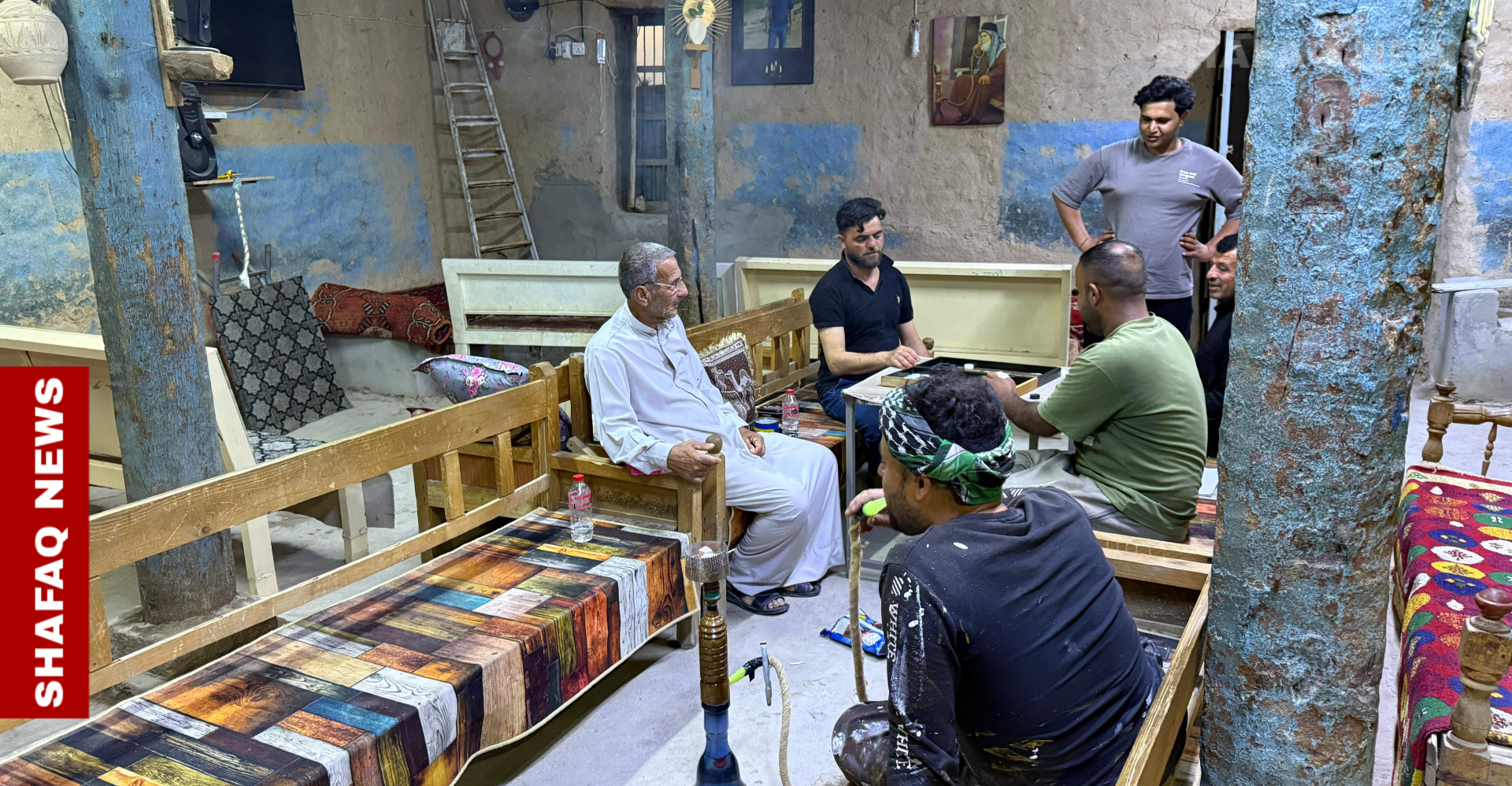
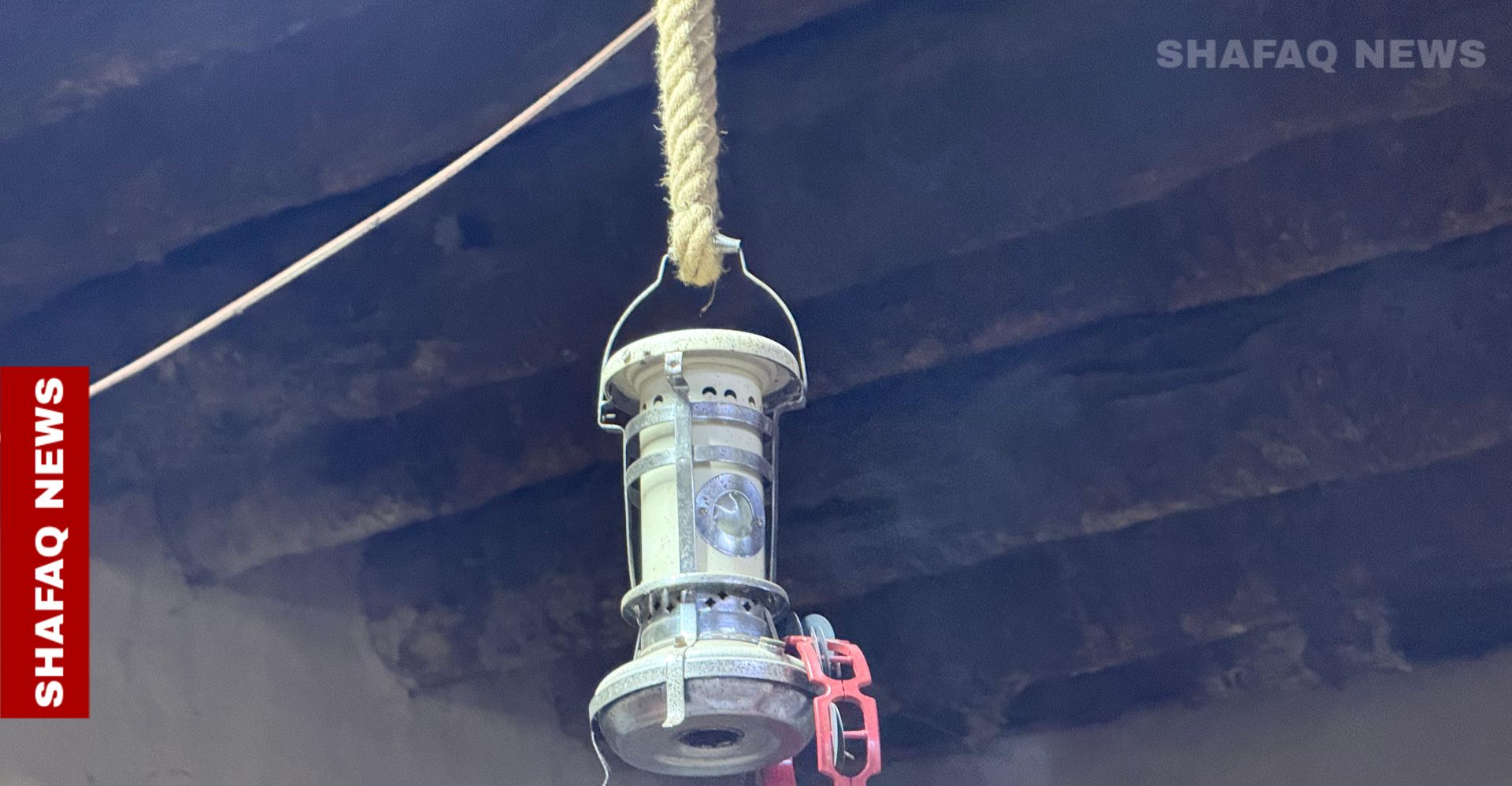
Despite its age, the structure has shown remarkable durability. “The café is hundreds of years old and has not been infested by termites,” said resident Mustafa Radi in a comment to Shafaq News. “It still retains its mud structure with wooden windows in the old style, and its roof is made of tree trunks.”
Radi added that the café’s location enhances its appeal, especially in colder months. “It’s built atop an archaeological hill, so in winter people like to climb up here. The view and atmosphere make it ideal for gatherings.”
Only 50 families still reside in Tal Jassan, a steep decline from earlier decades when more than 70 clans, mostly from low-income backgrounds, lived on the hill. The current population includes both Arabs and Feyli Kurds, who have long maintained peaceful coexistence through intermarriage, shared customs, and close-knit communal ties.
The town’s shrinking population is partly due to limited economic opportunities and the redistribution of residential land away from the historic core. Yet Tal Jassan’s mud cafés continue to stand. Resident Salem Ghali stated t Shafaq News that seven such cafés still operate in the Jassan area, each with its own clientele. “Most of those who frequent the Hill Café are teachers,” he explained. “Just across from it, there’s another café mostly visited by farmers. These buildings, made from mud and stone, continue to stand despite the conditions.”
 Filmmakers have taken notice. The distinct look of Tal
Jassan — its untouched architecture and natural landscape — has drawn
documentary producers seeking authentic shooting locations. Locals believe
that, with proper restoration, the site could evolve into a permanent
destination for filming projects in Iraq.
Filmmakers have taken notice. The distinct look of Tal
Jassan — its untouched architecture and natural landscape — has drawn
documentary producers seeking authentic shooting locations. Locals believe
that, with proper restoration, the site could evolve into a permanent
destination for filming projects in Iraq.
Recognizing this potential, the Wasit Inspectorate of Antiquities and Heritage has conducted preliminary assessments for restoration, maintenance, and excavation at the site. These efforts align with broader calls from residents and activists to preserve Tal Jassan as a cultural and touristic landmark. The town’s historical roots are believed to stretch back more than 1,200 years.
Wasit province itself is home to nearly 500 archaeological sites. Among the most prominent is the ancient city of Wasit, founded in the 8th century by Umayyad governor al-Hajjaj ibn Yusuf. Once a thriving administrative and military center during the Islamic
Golden Age, the city was eventually abandoned when the Tigris River shifted course.
The provincial government has recently launched a tourism development initiative aimed at protecting historic landmarks, enhancing accessibility, and engaging with UNESCO in hopes of securing World Heritage recognition. In 2024, local authorities introduced plans to transform Wasit’s historical and environmental sites into focal points of sustainable tourism.
This vision extends to the province’s southern marshes — including al-Shuwayja, al-Attariyah, and Hor Aldelmj — which support Marsh Arab communities and provide vital ecosystems for birds and aquatic life.
Yet for the residents of Tal Jassan, the town’s mud-built cafés carry a meaning that extends far beyond tourism. They represent memory, continuity, and a way of life rooted in simplicity and shared history. In a rapidly changing country, the Hill Café remains a place where tradition holds firm, a quiet witness to more than a century of life on the hill.