Silent skies over Iraq’s Diyala as climate change drives migratory birds away


Shafaq News
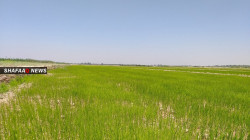
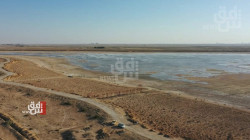
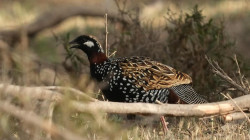
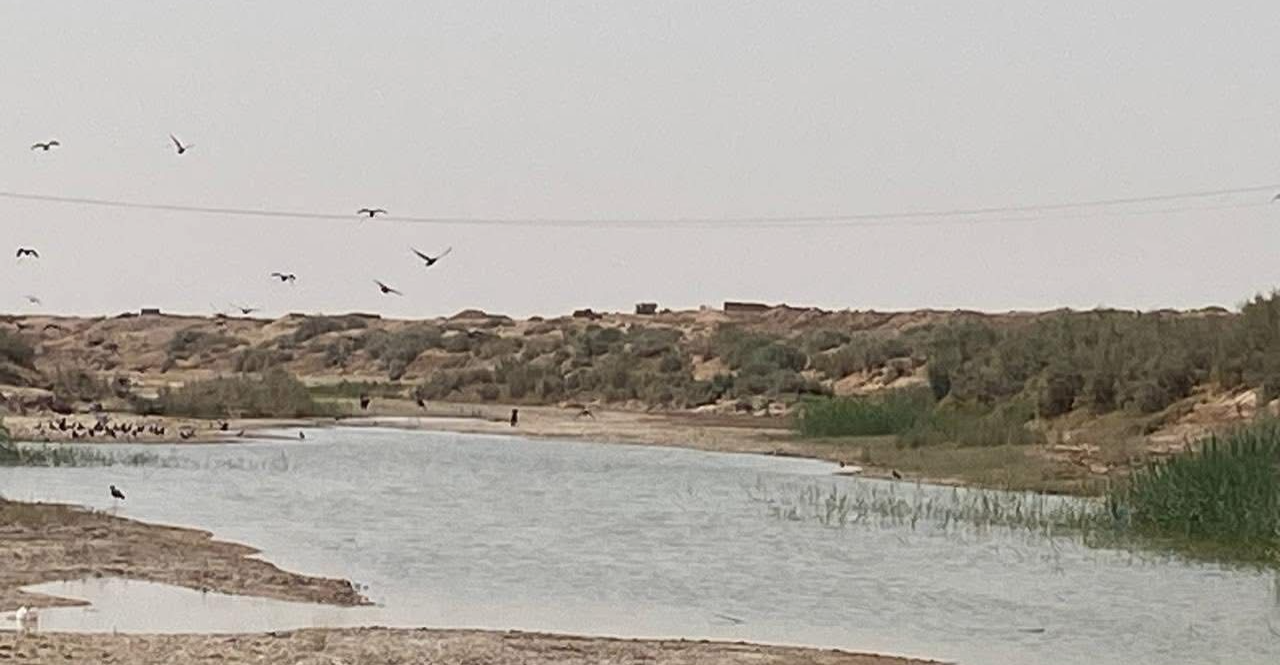
Each autumn, the skies over eastern Diyala once filled with the sound and color of migratory birds—geese, hawks, and falcons tracing paths across the valleys of Mandali, Qazaniya, and Hamrin. Today, those skies are almost empty. Marshes, riversides, and lakes that once echoed with calls of wild geese lie dry and silent, a stark testament to Iraq’s accelerating climate crisis.
Residents say the disappearance is unprecedented. “The sky used to darken with migrating flocks at sunrise and sunset,” recalled 74-year-old Ali Sattar of Mandali to Shafaq News. “Now it feels as if the birds have left us forever.” Hunters, once able to catch rare falcons worth tens of thousands of dollars, report returning empty-handed. “It’s one of the region’s lost treasures,” said another local.
Migration Routes Shift
Environmental experts warn that Diyala’s eastern districts were once a key passageway for birds flying between southern Iraq and Syria or Turkiye. That corridor has now shifted. “Climate change, prolonged drought, falling water levels, and relentless hunting have forced birds away from their traditional habitats,” environmental specialist Youssef al-Khuwari told Shafaq News. “The wetlands they relied on no longer exist, and the decline in numbers is dramatic.”
Al-Khuwari noted that the loss of species such as geese, vultures, and eagles is more than an aesthetic absence. “It undermines biodiversity. Drought is pushing the birds to bypass Diyala entirely, with long-term impacts on ecosystems,” he explained.
Ecological Balance at Risk
Environmental activist Saif al-Jumaili confirmed that migratory birds play a critical role in balancing food chains, pollinating plants, and controlling insect populations. Their absence, he said, “creates serious ecological imbalances” that threaten vegetation and agriculture.
Al-Jumaili attributed the decline not only to climate change but also to unchecked urban expansion and land clearance at the expense of orchards and farmland. He urged the government to establish protected areas, enforce hunting restrictions, and treat natural landscapes as potential tourism resources. “Preserving the environment could bring both ecological and economic benefits,” he affirmed.
National Crisis
Iraq is ranked among the world’s most climate-vulnerable countries. Consecutive years of record drought, shrinking rainfall, and upstream dam projects in Turkiye and Iran have reduced river flows, depleted reservoirs, and pushed agricultural land into desert. Nearly a third of Iraq’s arable land has been lost over the past three decades, while water storage has dropped below safe levels.
Written and edited by Shafaq News staff.