Silent extinction: Iraq’s wildlife fades as water runs out


Shafaq News
Iraq’s wildlife is not disappearing in a single catastrophic moment. It is slipping away year after year until absence starts to feel ordinary, from the Mesopotamian Marshes in the south to northern mountain ranges and western deserts, where habitat loss, water scarcity, and weak enforcement of environmental protections are pushing several species closer to local extinction.
Sitting on one of the world’s key migratory flyways linking Asia, Europe, and Africa, Iraq historically supported exceptional biodiversity. Yet systematic monitoring of wildlife populations remains limited, and declines often become visible only through sudden die-offs, trafficking cases, or localized field documentation.
Endangered species recorded in Iraq include the smooth-coated otter and the long-tailed nesokia, both listed on the International Union for Conservation of Nature (IUCN) Red List, alongside the Euphrates softshell turtle, the Basra reed warbler, the marbled duck, the steppe eagle, and the brown eagle.
Marshlands Under Siege
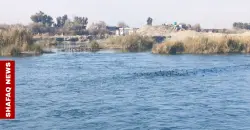
The southern marshlands, designated a UNESCO World Heritage Site in 2016, have become a focal point of Iraq’s biodiversity crisis, not because the damage is new, but because the pace and scale of drying are now “harder to ignore.”
Drying episodes have triggered broader disruption across the marsh ecosystem. Populations of binni, a brownish-gold fish prized by Marsh Arab communities, have plummeted, and rights officials have warned that prolonged drought is placing the region’s wildlife and the communities that depend on it under mounting strain.
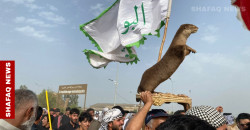
The smooth-coated otter, known locally as Maxwell’s otter and associated with Iraq’s southern marshes, illustrates how the crisis is reshaping movement and survival patterns. A published population assessment of the subspecies in the Hawizeh Marshes estimated roughly 930 individuals and warned that habitat pressure and human activity threaten long-term viability.
Another species tied to the health of the basin, the Euphrates softshell turtle, is listed as endangered and remains dependent on shrinking freshwater systems across the Tigris-Euphrates basin, where drought, pollution, and habitat disruption are repeatedly identified as core pressures.
Species on the Edge
The marshes concentrate attention, but they are not the only front line. Across deserts, plains, and mountain edges, multiple species face the same stacked pressures, reduced water, degraded habitat, and human exploitation that accelerate decline once populations are weakened.
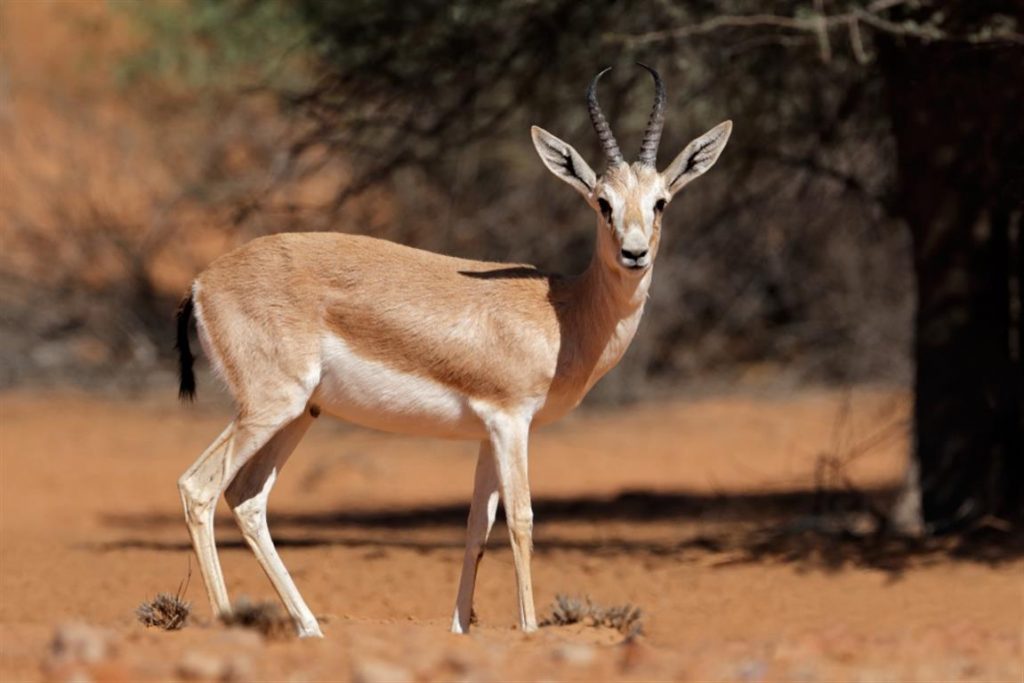
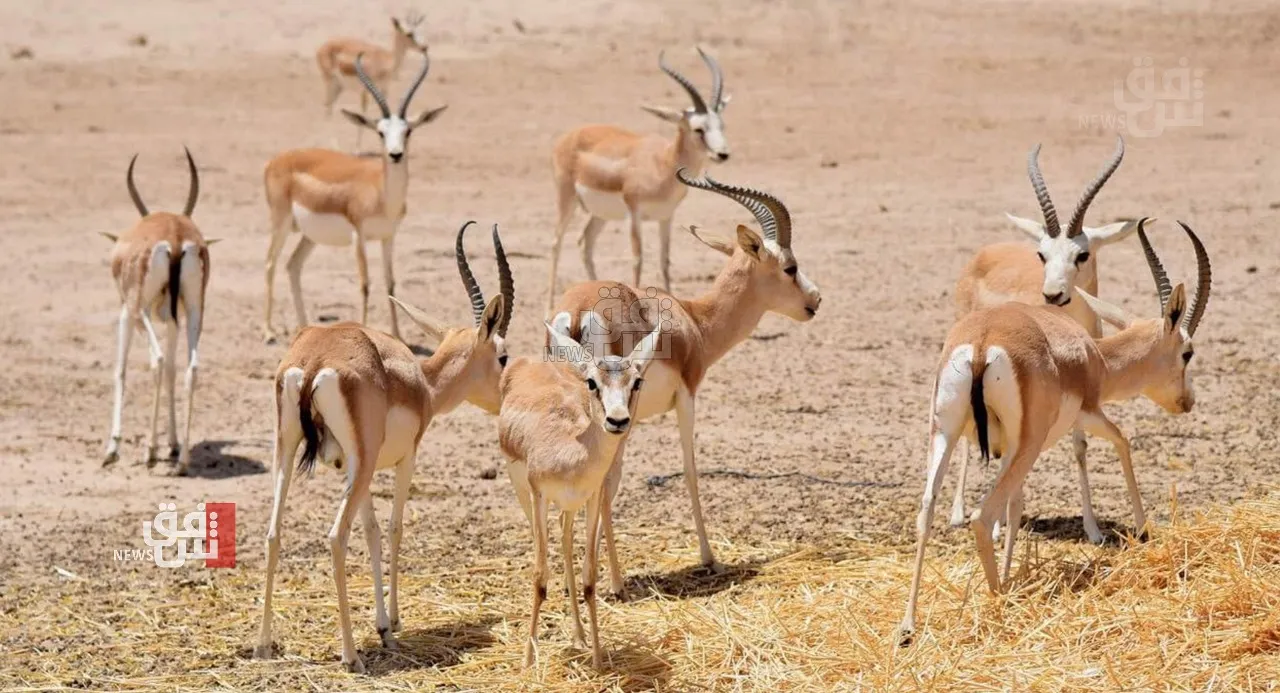
Goitered gazelles, for example, have faced repeated drought shocks in protected and semi-protected areas, while local officials have warned in different provinces that budget constraints and shrinking pasture can quickly turn a reserve into a holding pen without food or water. Even where protection exists on paper, animals remain vulnerable to theft, trafficking, or unmanaged hunting, especially when oversight is fragmented.
In western Iraq, the Nubian ibex, historically recorded in parts of the country, is described by Iraqi wildlife researchers as no longer present locally, with overhunting and habitat degradation repeatedly cited in accounts of its disappearance. Meanwhile, the Arabian striped hyena, an ecologically important scavenger, continues to face persecution and habitat loss, alongside other carnivores such as the caracal and sand cat.
Birds as an Early Warning
Bird populations often show the first visible cracks in environmental stability, and Iraq’s birdlife reflects the same broad pattern seen in mammals and reptiles: fewer safe habitats, heavier human pressure, and dwindling water.
Fadel Al-Gharrawi, head of the Strategic Center for Human Rights, told Shafaq News that Iraq ranks among the leading Arab countries for threatened wildlife species, linking that trend to the combined impact of climate change and unregulated human activity.
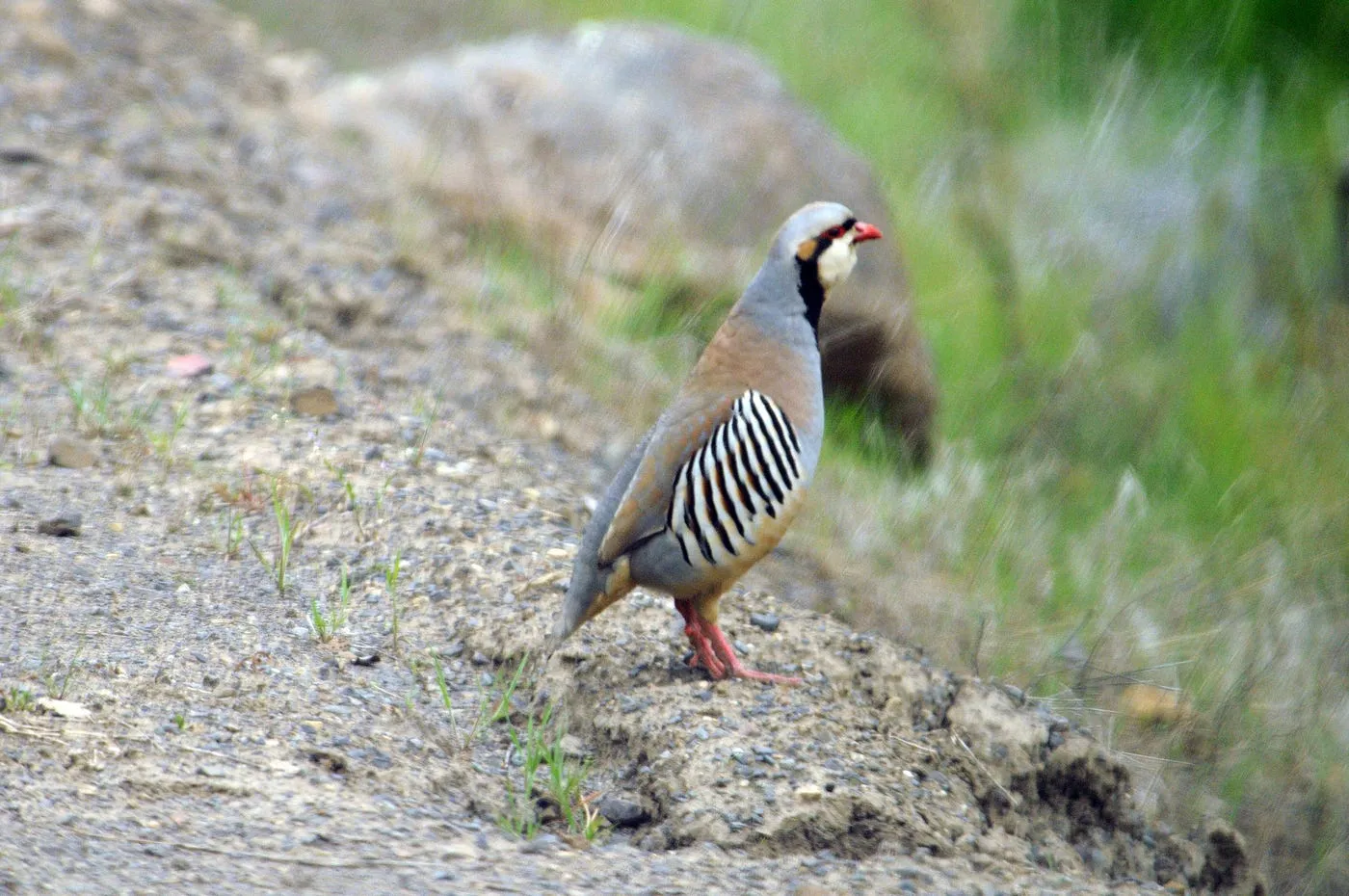
In the north, the chukar partridge, deeply embedded in cultural identity in parts of Iraq, has seen marked declines across mountain habitats. Wildlife specialist Rizkar Gharib linked the drop to illegal hunting methods, urban expansion, uncontrolled grazing, and climate-driven disruptions to food and water sources.
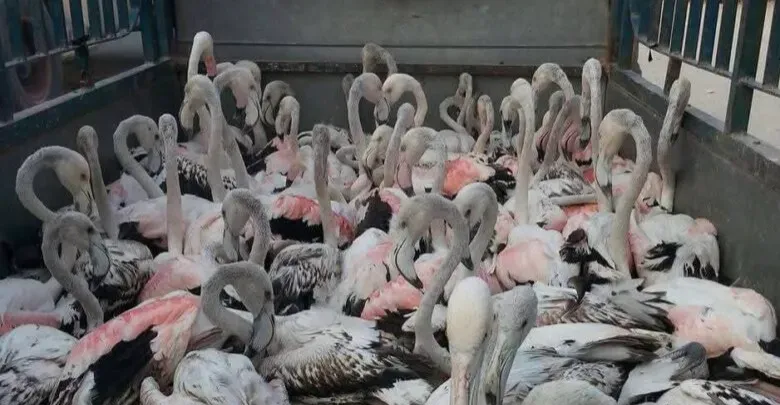
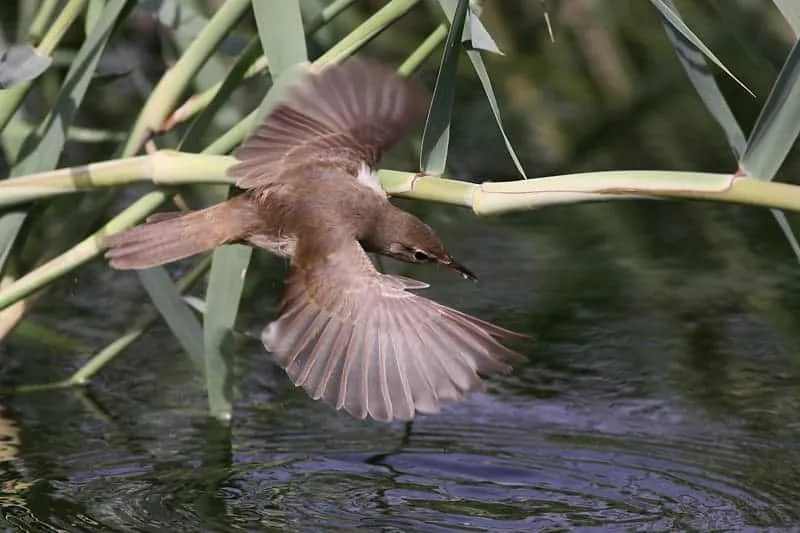
For the marshes, the Basra reed warbler is one of the clearest indicators. BirdLife International lists it as endangered and describes its dependence on southern Iraqi wetlands as a direct sign of marsh fragility, while also tracking other wetland-linked species such as the marbled duck and Macqueen’s bustard that are affected by habitat loss and hunting pressure.
Poaching and the Enforcement Gap
Poaching in Iraq has expanded beyond isolated violations and, in many areas, functions as a sustained practice enabled by weak oversight and overlapping authorities. Environmental activist Ali Al-Mosafri has documented the sale of protected bird species, including eagles, at Baghdad’s Al-Ghazal animal market. Baghdad’s Environment Directorate acknowledged inspections after those reports, but follow-up enforcement outcomes have not been consistently published in a way that allows the public to measure impact.
Iraq’s legal framework includes environmental legislation such as the Protection and Improvement of the Environment Law No. 27 of 2009, alongside other statutes regulating hunting, trafficking, and conservation measures. But even with laws in place, enforcement capacity has not matched the scale of pressure on ecosystems, monitoring programs remain fragmented, and regular public reporting on population trends is limited.
Iraqi environmental researcher Omar Al-Sheikhly has warned that the absence of continuous field surveys makes it difficult to assess extinction risk before population collapse becomes irreversible, especially in ecosystems already strained by water decline and land use change.
Climate as the Structural Driver
Climate change has shifted from a secondary factor to the central driver of Iraq’s biodiversity crisis, compressing habitats and magnifying every other threat. Rivers, lakes, and marshlands are shrinking, and in some cases disappearing, while extreme heat, erratic rainfall, drought, and sand and dust storms intensify environmental stress.
UN-Habitat has described Iraq as among the world’s most climate-vulnerable countries, citing exposure to high temperatures, water scarcity, and worsening dust storms that affect ecosystems as well as human health and livelihoods.
Reduced flows in the Tigris and Euphrates, combined with upstream dam construction in Turkiye and Iran and domestic water management challenges, have weakened water security across ecosystems. Drought concentrates wildlife around remaining water sources, increasing exposure to hunters and conflict with humans. Heat waves push species beyond physiological limits. Fish and prey populations crash, leaving predators and scavengers without food.
These linked pressures mean that treating poaching, habitat loss, and climate stress as separate problems is a recipe for cosmetic solutions.
Conservation responses remain uneven; meanwhile, mixing government programs, international interventions, and grassroots initiatives is often reactive rather than sustained. Government-run breeding centers and reserves operate in several provinces, focusing largely on gazelles and selected bird species.
In the Kurdistan Region, authorities have maintained stricter hunting prohibitions and passed an Animal Protection Law in 2022 that explicitly bans the killing of wild animals, including species such as the Persian leopard that are rarely seen but historically recorded in northern Iraq, an approach officials have framed as part of a wider push to modernize local environmental governance.
Grassroots initiatives also exist. In Kurdistan, advocate Sharifi Haji Rasul has released captive-raised chukar partridges into the wild to replenish depleted populations. In Baghdad, the rescue of a rare albino Eurasian otter in 2022 became a public awareness moment for otter conservation, with the animal later housed at Baghdad Zoo.
Raad Al-Asadi, head of the Chibayish Organization for Tourism and Environment, argued that international recognition of Iraq’s marshes has not translated into effective protection, pointing instead to continued water decline, pollution, and hunting as persistent threats to marsh-dependent species.
A Narrowing Window
International Union for Conservation of Nature (IUCN) guidance ties species survival to maintaining viable habitat and limiting human pressure during periods of climatic stress. In Iraq, those conditions are increasingly difficult to secure, and the decline of species tied to water, whether the Euphrates softshell turtle or marsh-dependent birds, tracks the same reality: when ecosystems shrink, every failure in governance becomes biological.
The wildlife crisis is not only an environmental story. It is a test of state capacity to manage natural resources under mounting climatic and institutional strain. Laws exist. Strategies are announced. International recognition has been secured. The gap between policy and practice remains the defining fault line.
Experts have agreed on one thing: without sustained monitoring and enforcement, losses will keep surfacing only after they become irreversible, and in Iraq’s marshes, deserts, and mountains, disappearing species will remain the clearest early warning of a deeper governance failure.
Written and edited by Shafaq News staff.