Proposed retirement age reform in Iraq sparks debate on economic and social impacts
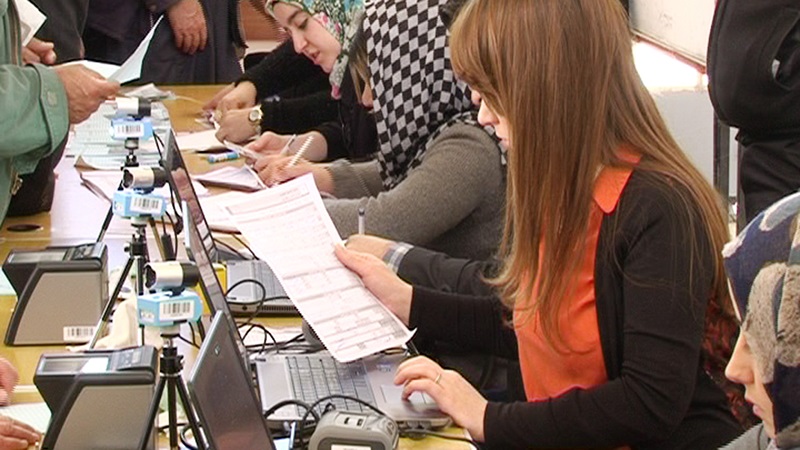


Shafaq News/ Iraq’s parliament is set to conduct the first reading of a proposed amendment to the retirement law, raising the mandatory retirement age from 60 to 63 years. The proposed legislation also includes provisions to extend the retirement age to 65 for employees in rare and specialized positions.
The move, initiated by the Parliamentary Finance Committee, has sparked a complex debate over its potential economic and social implications. While proponents argue the amendment addresses the need for experienced professionals in certain fields, critics caution that it could exacerbate youth unemployment and strain the country’s financial resources.
Government Approval Pending
Finance Committee member Jamal Kojar highlighted that any legislation with financial implications falls under the exclusive purview of the executive branch. "The government has not yet approved the proposed amendment to the retirement law," Kojar stated, noting that until the law is officially amended, retirement-related transactions will continue under the current age limit of 60 years.
Youth Employment at Stake
Economists warn that extending the retirement age could hinder job opportunities for young graduates, who already face challenges in entering the public sector.
Economist Nabil Al-Marsoumi told Shafaq News that while raising the retirement age to 63 years might be beneficial in certain sectors requiring specialized expertise, the broader impact could be detrimental.
"This reform risks narrowing opportunities for young Iraqis aspiring to government jobs," Al-Marsoumi said, pointing to the financial implications of retaining senior employees, many of whom draw high salaries, contributing to an inflated public wage bill.
Fiscal Pressures and Workforce Dynamics
Economic expert Durgham Mohammed Ali echoed concerns over fiscal and administrative challenges. He explained that reducing the retirement age was originally intended to promote workforce turnover and create opportunities for new hires. However, provisions allowing service extensions for specific groups, such as the families of martyrs and politically dismissed individuals, have created inconsistencies in service durations.
"The increased influx of new employees replacing retirees will raise the number of pensioners, adding pressure to the national budget," Mohammed Ali explained, stressing the need for a more nuanced approach, linking retirement extensions to health conditions and professional performance.
A Need for Targeted Reform
Both experts advocate for a targeted reform strategy. "The extension of service should be reserved for skilled employees with excellent health and proven professional competence," Mohammed Ali said. He recommended forming evaluation committees to assess eligibility for extensions, ensuring that unskilled or physically unfit workers transition into retirement.