Post-ISIS recovery stalls as reconstruction lags in northern Iraq village


Shafaq News
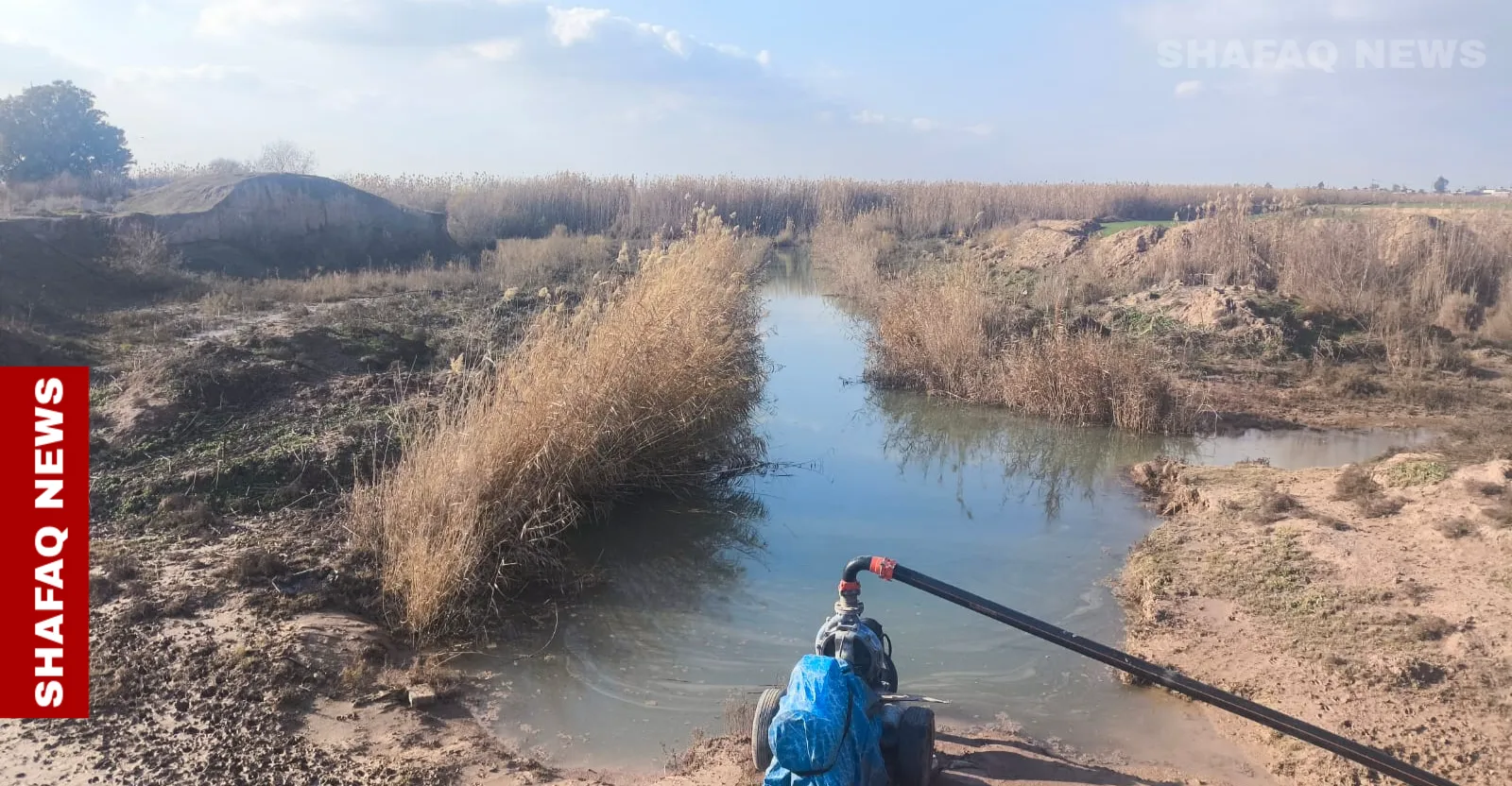
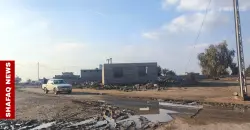
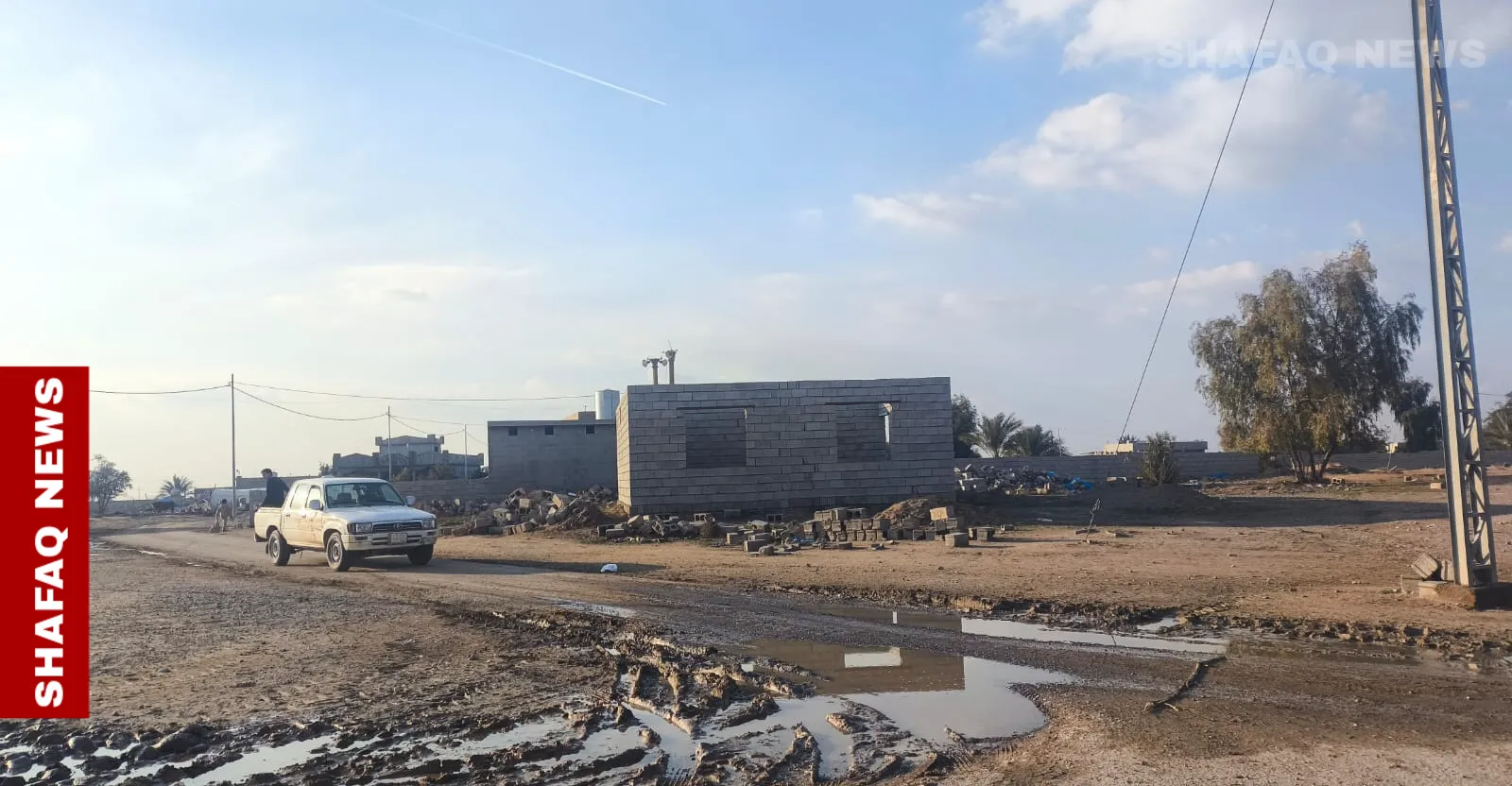
The scars of destruction remain stark in the village of Tuwailia in Kirkuk, northern Iraq, as if time has stood still since 2014, when ISIS seized the area, leaving behind devastated villages and displaced residents whose return has yet to materialize.
Located along the main road linking Kirkuk city to Daquq
district, Tuwailia lies in an area traditionally inhabited by the Al-Zubaidi
tribe. Before the ISIS incursion, the village was home to more than 100 houses
and dozens of families who relied on farming and livestock.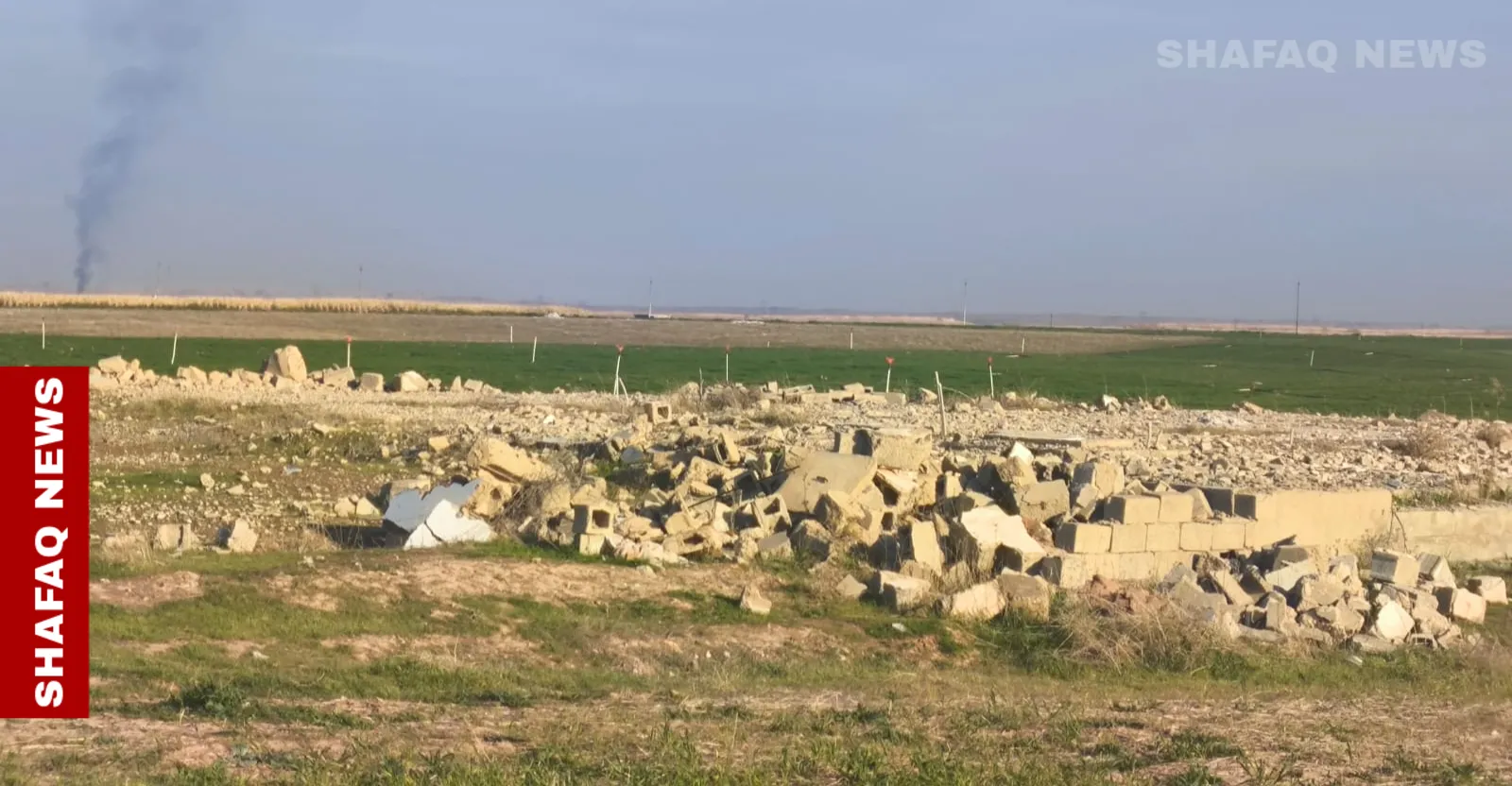
Nearly 12 years later, access to the village still requires
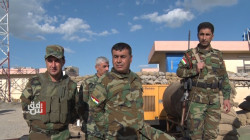
passing through a checkpoint manned by the Popular Mobilization Forces (PMF),
and only about 20 families have returned. Most homes remain abandoned,
destroyed, or damaged to the point of being uninhabitable. The village’s
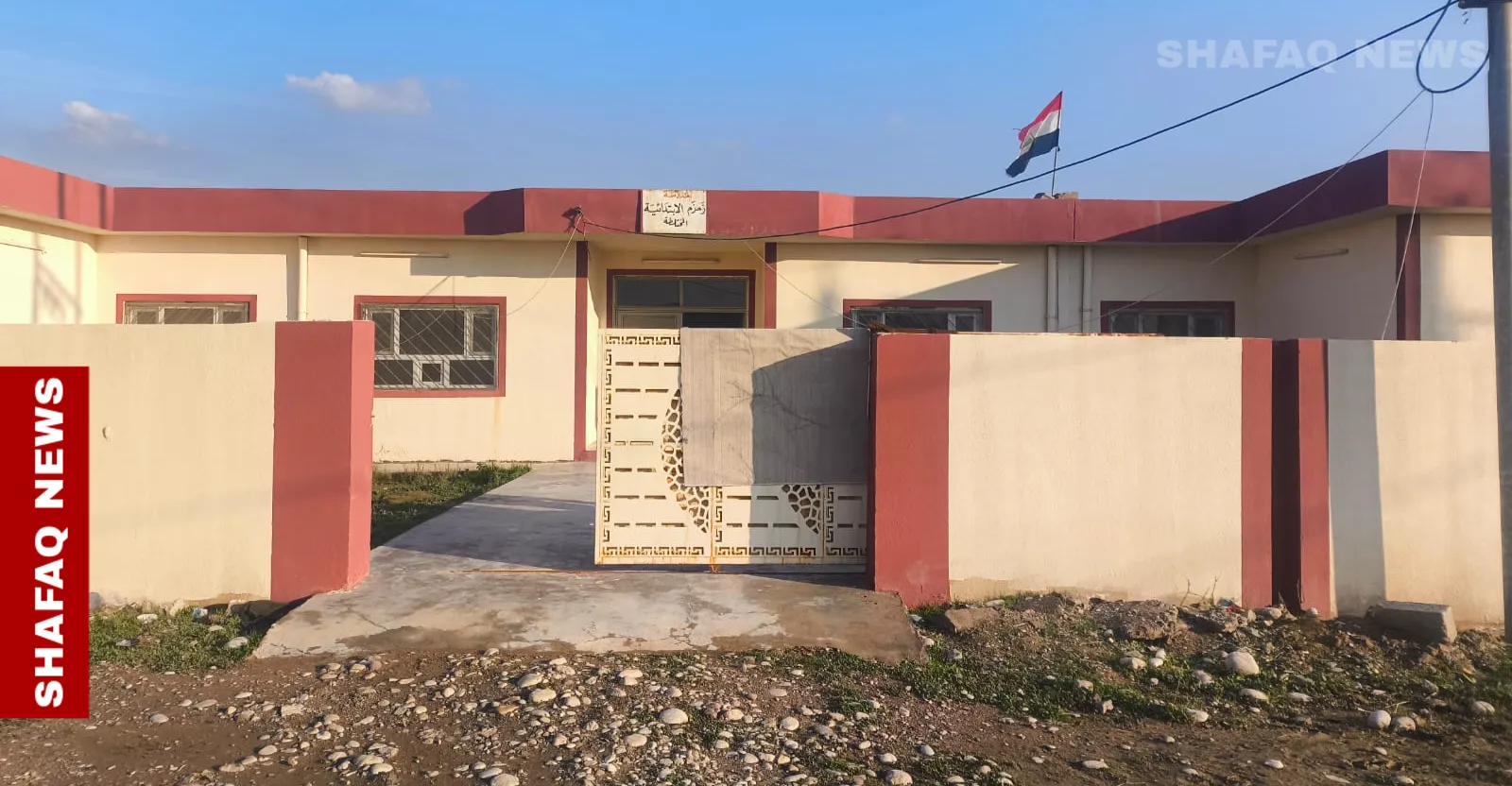
primary school is the only government facility rebuilt since 2014, while other
basic services remain unavailable, with no stable water network, irregular
electricity supply, or municipal services.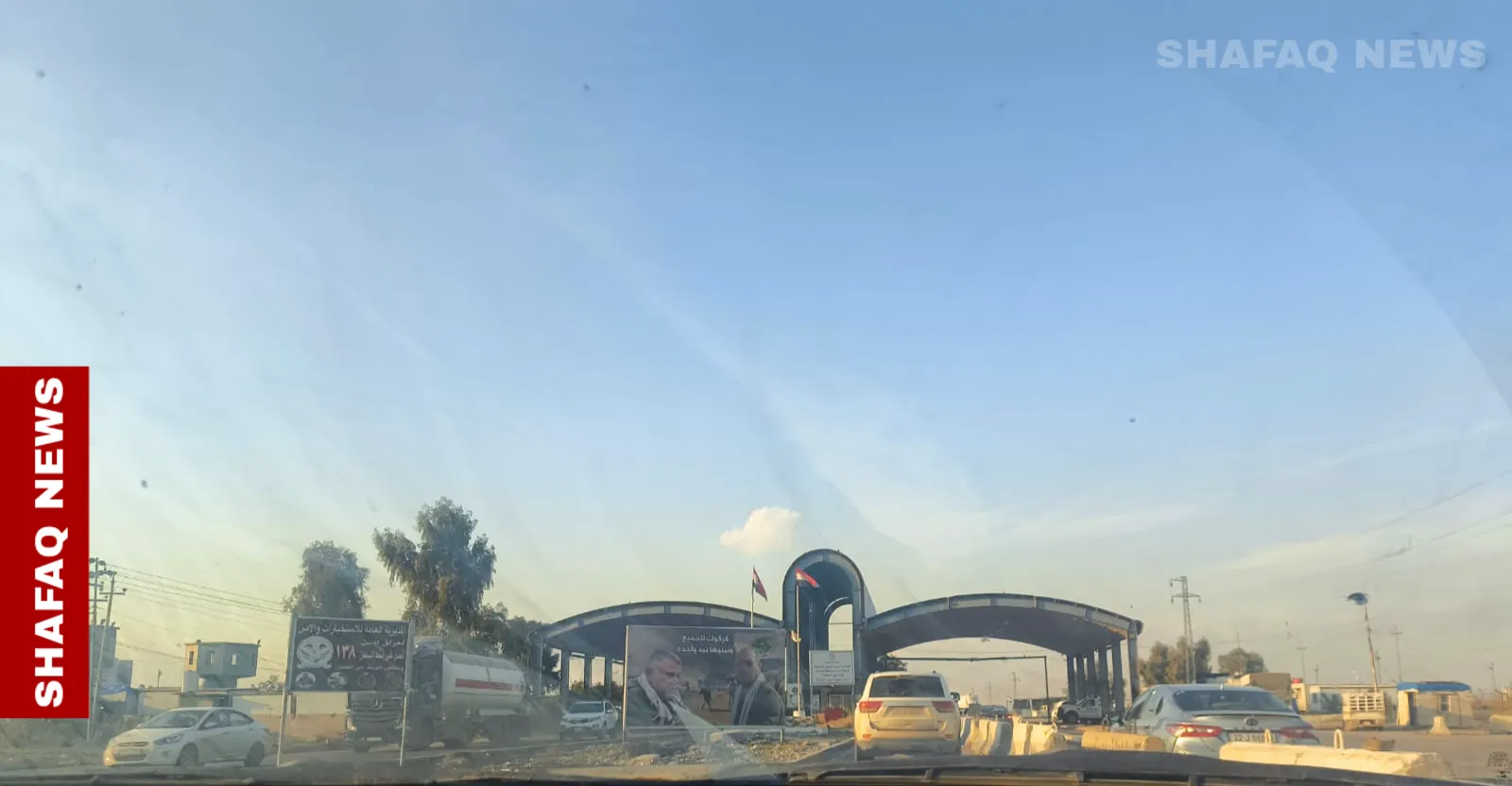
Speaking to Shafaq News, Hani Al-Juhaishi, a resident, said that Tuwailia has yet to receive any genuine reconstruction project, noting that most families are unable to return despite their desire to come back due to the destruction of homes and the lack of essential services. Many residents, he added, own agricultural land but are unable to cultivate it properly because of limited government support.
Another resident, Adnan Hamad, told Shafaq News that
families who have returned were compelled to repair their homes using personal
efforts and limited resources. “Although the village includes a number of
public employees and members of the security forces, this has not translated
into improved services.”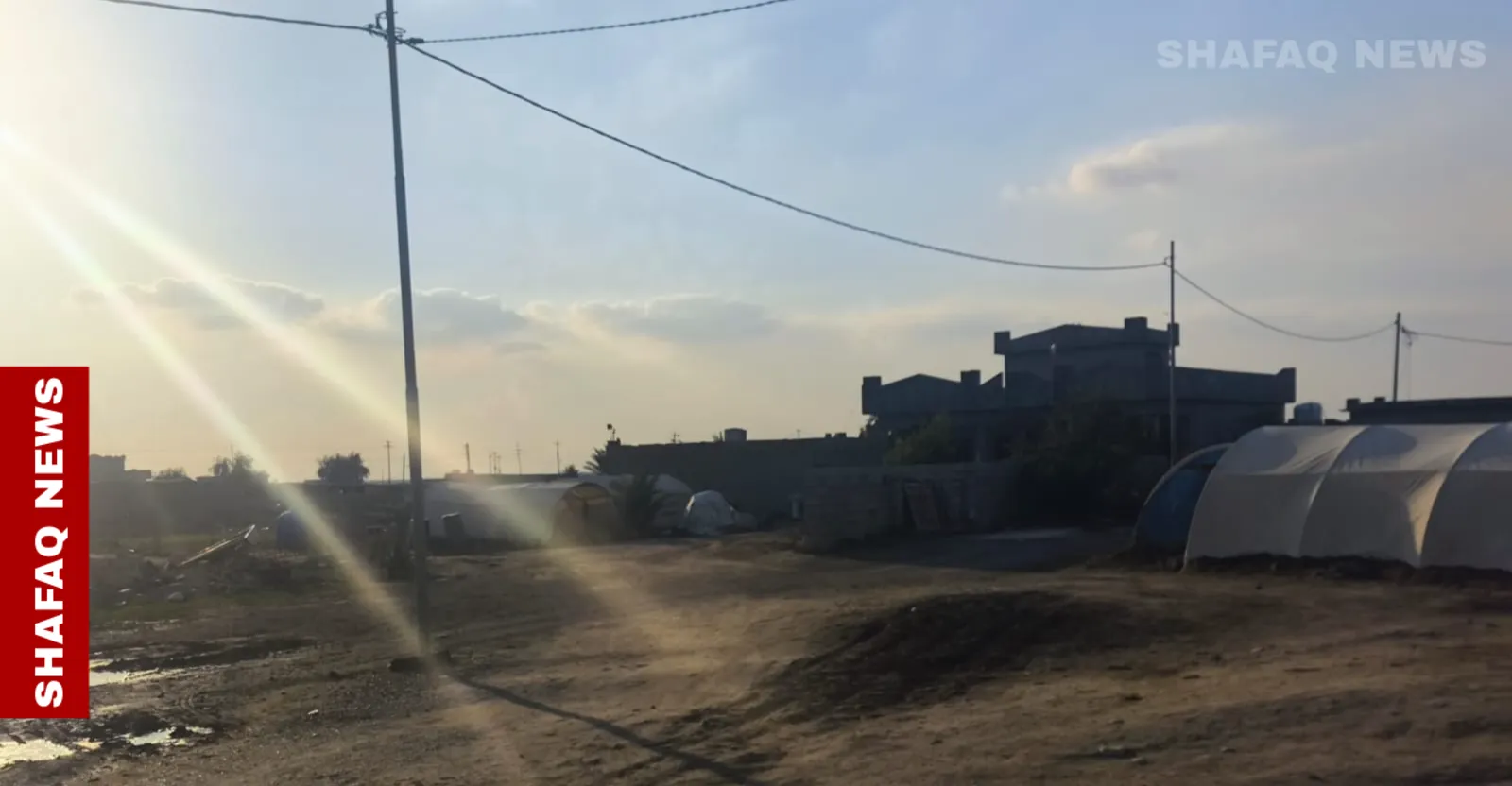
ISIS first emerged as a major security threat in Iraq in 2014, capturing large areas of the country, including parts of Kirkuk, before being territorially defeated by Iraqi forces in December 2017 with support from the US-led Coalition. However, the group continues to operate in Kirkuk through small, mobile cells that exploit the province’s rugged terrain. Areas such as Wadi Daquq, Zarka, Zghaitun, Wadi Al-Shay, and the Mama Mountain range stretching toward Al-Dibis and Altun Kupri have remained key hideouts due to their valleys, caves, and difficult access.
Read more: On ISIS defeat anniversary, Iraq confronts area wakening insurgency
Since early 2025, Iraqi security forces have intensified counterterrorism operations in these zones, relying on coalition intelligence, drone surveillance, and a comprehensive biometric database to track, identify, and eliminate ISIS operatives, significantly reducing the group’s operational capacity.
Read more: Tracking down ISIS in Iraq: From rugged terrain to DNA identification
Written and edited by Shafaq News staff.