Opinion: US expert warns strike on Iran’s Kharg Island may send oil prices soaring


Shafaq News- Washington
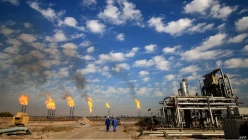
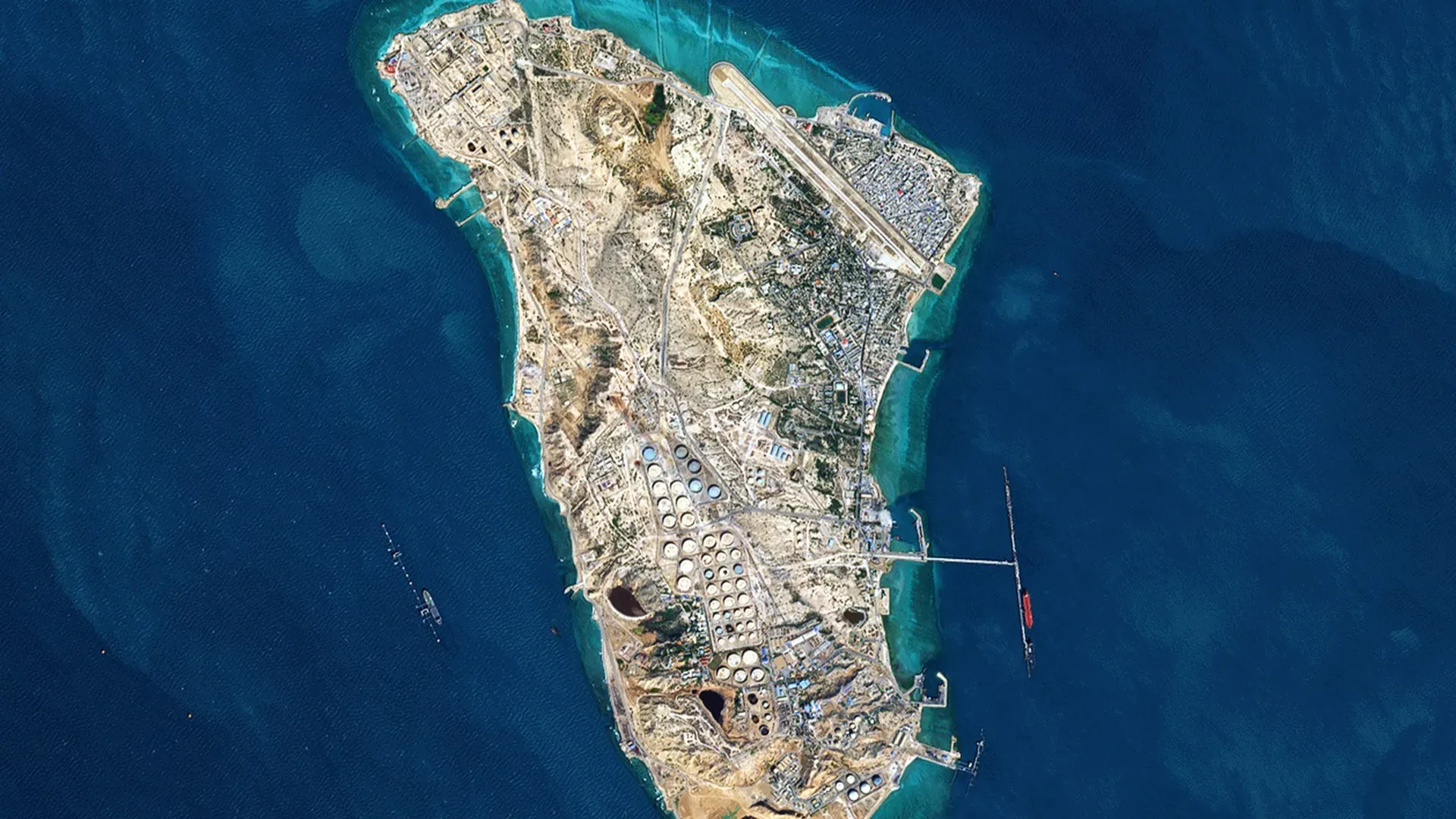
A strike on Iran’s Kharg Island oil facilities could trigger a sharp surge in global oil prices and place renewed strain on the world economy, a US energy-security expert told Shafaq News on Tuesday, warning that the impact would extend far beyond the loss of Iranian production.
Dr. Paul Sullivan, Professor of Energy Security at Johns Hopkins University, indicated that the shock would stem not only from disrupted supply but also from the geopolitical uncertainty such an attack would inject into global markets. “The price of oil is going to skyrocket more than what would be caused by the reduction in oil production and refining on the island,” Sullivan said, noting that markets would likely react strongly to the risk premium created by a major strike on Iran’s main export hub.
He cautioned that the scale of any price surge remains difficult to predict. “I have no idea what the price would be after that,” Sullivan acknowledged, adding that the economic burden would fall disproportionately on lower-income economies.
“For Americans, it's not so bad because they're pretty well off, most of them. But for Egyptians, it would be terrible,” he explained, noting that rising fuel costs already strain livelihoods in countries such as Pakistan, Sri Lanka, and Bangladesh, where higher prices can push fishermen, drivers, and commuters out of work while raising the overall cost of living.
Sullivan warned that a rapid spike toward $150 per barrel could destabilize the global economy, emphasizing that the speed of the increase would shape its impact. He also dismissed assumptions that a wider conflict would end quickly. “Nobody knows how long wars will go. Nobody. Once they start, they have a life of their own,” he observed, recalling early expectations surrounding the wars in Iraq and Afghanistan.
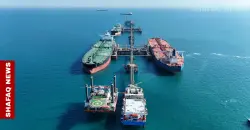
The Strait of Hormuz, according to Sullivan, remains the central vulnerability because spare production capacity matters only if it can reach global markets. “You have to get it out to be effective spare capacity,” he explained, saying that most backup production capacity lies in Saudi Arabia and the United Arab Emirates.
“The total passage where ships can go through is at most six kilometers wide,” he noted, adding that even limited damage to tankers could push prices higher through market psychology. The fallout would extend beyond crude markets, he warned, with natural gas, fertilizers, chemicals, and shipping costs likely to rise as well.
Iraq faces particular exposure due to its reliance on southern export routes, he said, warning, “Iraq never will recover unless it can get the oil out. Period.”
He also questioned expectations that releasing US strategic petroleum reserves would quickly calm markets. “When you say you're going to let reserves go, this is not immediate… It can take almost a month to get these onto certain markets.”
Sullivan concluded by urging efforts to reduce tensions and seek diplomatic off-ramps. “Try to arrange to back off of this and find an off-ramp that can allow time for the world to adjust.”
For Shafaq News, Mostafa Hashem, Washington, D.C.