Israel warns Lebanon: Deterrence or descent into new war?


Shafaq News
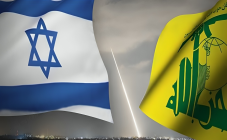
Israel’s leadership has issued the sharpest warnings in months that it could expand military operations in Lebanon if Hezbollah’s post-ceasefire rebuilding continues—raising a central question for Beirut and the region: does this signal a slide toward a new war, or a calibrated campaign meant to restore deterrence without crossing into all-out conflict?
Recent Israeli statements, UN peacekeeping alerts, and field developments point to a precarious “controlled escalation” phase—one that could flip quickly if political restraints erode or if a single incident breaches Israeli red lines.
A Fragile Truce With Moving Goalposts
A ceasefire between Israel and Hezbollah took effect on November 27, 2024, after more than a year of hostilities layered onto the Gaza war, including two months of devastating fighting that killed more than 4,000 people and injured around 17,000 in Lebanon. Despite the truce, Israel has retained positions in several pockets of southern Lebanon, and cross-border strikes have persisted.
UNIFIL has repeatedly warned that Israeli actions north of the Blue Line—most recently an alleged incursion near Blida on October 30, 2025—violate Resolution 1701 and risk unraveling the uneasy calm.
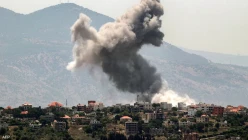
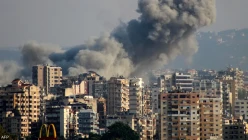
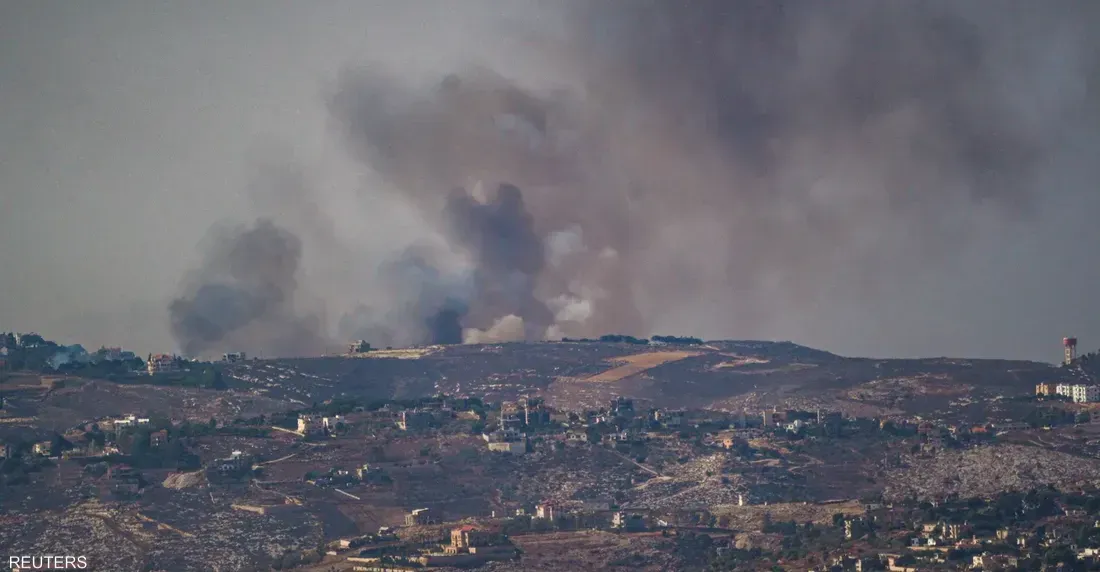
According to Lebanon’s Health Ministry, as of late October 2025, at least 300 people have been killed and 650 injured since the ceasefire. Many displaced residents who tried returning to their villages found Israeli troops still deployed nearby. The death toll continues to climb, with new strikes reported this week in Nabatieh and other southern areas. Israel maintains it is targeting Hezbollah operatives, but most of the victims have been civilians, including women and children, according to the Health Ministry.
Targeted Strikes And Contested Narratives
Prime Minister Benjamin Netanyahu warned that Israel “will not allow Lebanon to become a renewed front,” accusing Hezbollah of rearming and vowing to act “as necessary.”
Defense Minister Israel Katz struck the same tone, suggesting that if Beirut fails to act, Israel will. Israeli media frame this as “deterrence through escalation”—limited, tactical pressure meant to prevent Hezbollah’s logistical rebuild without committing to a full-scale war.
Analysts in Beirut view this as part of Israel’s post-Gaza deterrence recalibration — a shift from containment to deterrence through attrition, designed to maintain pressure on Hezbollah while avoiding a politically costly ground war.
UNIFIL and Washington are both pressing for restraint. The UN mission continues to urge adherence to Resolution 1701 and restoration of Lebanese state authority in the south. US Envoy Amos Hochstein, who has led border talks throughout 2025, said a land-border arrangement is “within reach” if political will exists—a deal he sees as critical to locking in ceasefire understandings and avoiding a relapse into major combat. Yet progress has been halting.
Following Hochstein’s months-long shuttle diplomacy, US Envoy Tom Barrack has issued tougher public warnings linking de-escalation to measurable steps on the ground. He has urged strict adherence to 1701, demanded the pullback of all “non-state” armed elements north of the Blue Line, and called for the Lebanese state to reassert control in coordination with UNIFIL.
Barrack also pushed for sequenced border arrangements tied to verifiable milestones rather than open-ended promises, stressing that continued Hezbollah rearmament would narrow the space for diplomacy and risk a wider confrontation. His tone has been more coercive than conciliatory—framing Lebanese action as a precondition for avoiding war while underscoring the need to protect civilians and prevent further displacement.
Lebanese authorities have responded by framing recent Israeli incursions and strikes as violations of sovereignty and international law. President Joseph Aoun instructed the army to confront any further incursions, calling the Blida operation a breach of both Lebanese territory and Resolution 1701.
The Lebanese Army Command condemned the attacks as “criminal acts” and reiterated that Israel must fully withdraw from Lebanese land. Beirut continues to support the 1701 framework, pledging to extend state authority in the south and cooperate with UNIFIL while rejecting any unilateral Israeli “security zones.”
Officials emphasize that Lebanon’s priority remains the safe return of displaced families to border villages and the reconstruction of communities devastated by months of fighting. Diplomatically, Beirut favors continued engagement with international mediators, maintaining that a political path—not expanded military confrontation—offers the only sustainable exit from the crisis.
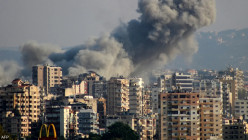
On the ground, the conflict’s rhythm has become familiar: pinpoint Israeli strikes on alleged Hezbollah infrastructure and personnel, accompanied by announcements of disrupted supply lines or Radwan Force operatives killed. UNIFIL regards such actions as cumulative violations eroding the truce’s foundations. Each warning from the mission now doubles as a political signal that the 1701 guardrails are weakening.
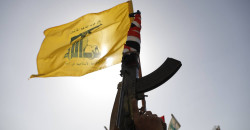
Israeli leaders appear to be pursuing three overlapping goals: to slow Hezbollah’s rearmament through precision strikes; to raise the political cost for Beirut by invoking state responsibility under 1701; and to preserve operational freedom while keeping a full-scale campaign as a credible threat.
This approach points to continued tactical intensification—more operations like those reported near Kfar Roummane and Meiss al-Jabal—paired with public warnings designed to deter without forcing a decision for war.
Barrack’s warnings amplify the pressure track, while Hochstein’s diplomacy offers a reconstruction and border-settlement track. Together they form a dual US strategy: tighten constraints on Hezbollah while maintaining an exit ramp through diplomacy and aid if Lebanese institutions assert greater control in the south.
Are We Heading For A New War?
Israel’s current pattern of operations amounts to coercive signaling just below the threshold of open war. Repeated precision strikes, rhetorical escalation, and diplomatic framing that shifts responsibility to the Lebanese state under 1701 reflect a strategy of deterrence-through-attrition rather than preparation for an outright invasion.
However, a single mass-casualty event—whether a misfired rocket, an Israeli raid gone wrong, or a targeted assassination—could shatter the fragile rules of engagement. Likewise, visible Hezbollah deployments south of the Litani or installation of new precision munitions and anti-air systems could cross Israel’s declared red lines.
Diplomatic failure is another danger: if border-arrangement talks collapse and UNIFIL’s authority erodes, armed actors could set the pace on both sides. Internal Israeli politics could also accelerate escalation if leaders conclude that only a decisive military move will allow displaced residents of northern Israel to return home.
US and European governments are exerting pressure to contain the conflict while broader regional crises—particularly Gaza stabilization and Red Sea security—remain unresolved.
Both Israel and Lebanon are mindful of the immense costs of renewed escalation. The 2024 fighting demonstrated how quickly strikes can spiral and how hard it is to limit civilian damage once operations intensify. Lebanon’s economy and infrastructure remain too fragile to absorb another round of destruction.
Finally, ambiguity in the ceasefire’s exact terms gives both sides diplomatic breathing room. Competing interpretations of Hezbollah’s disarmament timeline make compliance complex but also allow space for negotiation rather than confrontation.
The danger now lies in how little space remains between deterrence and war. Israel’s calibrated strikes and Hezbollah’s quiet rebuilding keep both sides in a state of tense equilibrium—sustainable only as long as political restraint holds. Whether this fragile balance endures, or collapses will depend on the credibility of diplomacy and the willingness of regional actors to enforce it.
Written and edited by Shafaq News staff.