Iraqi students challenge fees for new digital education platform


Shafaq News (Updated on Oct. 2, at 19:12)
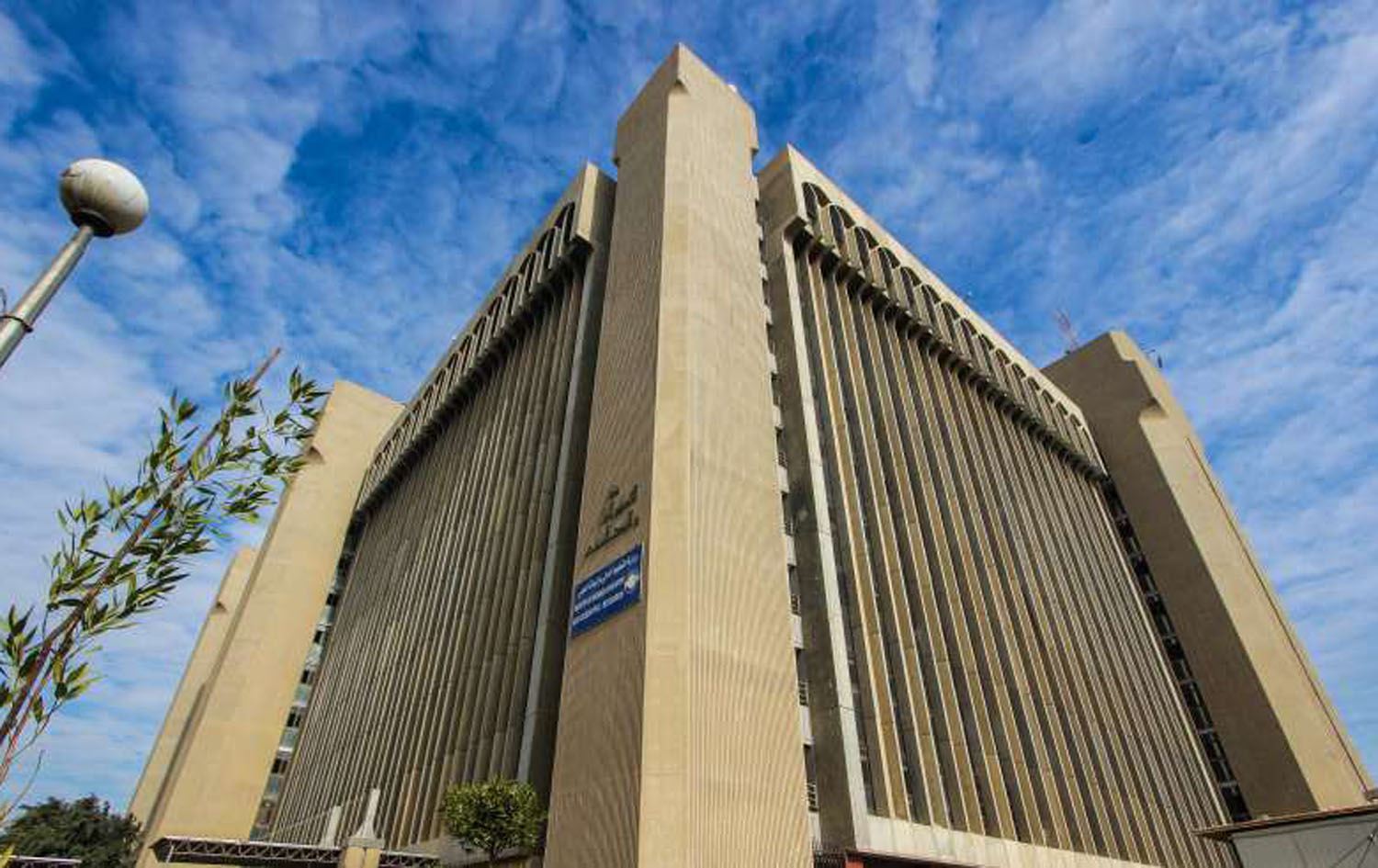
The Iraqi Ministry of Higher Education’s decision to impose fees on its new digital platform “HEBIQ” has triggered protests and debate as the 2025–2026 academic year begins.
Students say the charges come at the wrong time. “It’s an added burden when many can barely cover basic costs,” said Alia, a third-year student at a state university.
Jamal from Mosul described the 66,000-dinar annual fee (approximately $50) as “unjust,” noting that some had to pay the amount twice due to errors in issuing university IDs, which raised their expenses to 132,000 dinars.
Several students also said they could not begin classes because they lacked the required funds or the national card needed for registration.
The frustration has fueled wider criticism from activists and analysts. Activist Ayoub Abdul-Hussein warned that the new system, applied across public, private, and technical institutions as well as to graduates seeking authenticated documents, could signal a shift toward opaque “self-funding.” He argued the services covered—attendance tracking, schedules, and grades—are “basic, not extras.”
The ministry, however, frames HEBIQ as a transformative step. Spokesman Haider al-Aboudi stressed that the charges cover “secondary digital services” and form part of a broader project to integrate more than 120 university systems.
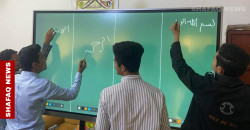
In a similar vein, Northern Technical University President Alia al-Attar told Shafaq News the platform represents “a digital revolution in the history of higher education in Iraq,” aligning the country with global trends. She said it would streamline tasks such as course registration, lecture tracking, electronic notifications, and even allow the student ID to function as a smart payment card.
Parliament’s Higher Education Committee also defended the move. Member Firas al-Musallamawi said the minister explained that HEBIQ would centralize document issuance, record verification, and digital signatures, describing the fee as modest compared to traditional paperwork costs and arguing it could help curb corruption. “Banks may provide student loans for this,” he added.
Yet experts caution against ignoring the socioeconomic pressures. Education analyst Mohammed Fakhri al-Mawlawi urged the ministry to revise the plan, pointing to Iraq’s two million students. He suggested exemptions for low-income groups and installment payments for others to avoid compounding hardship.
Beyond the fees, students in Nineveh also complained of technical and administrative glitches that disrupted classes. Some noted the application’s links with private companies, such as fuel-card providers, which further complicated access.
While the ministry insists HEBIQ does not undermine Iraq’s long-standing model of tuition-free public higher education, persistent challenges remain: 80% internet penetration does not compensate for frequent power cuts, weak infrastructure outside major cities, and limited institutional capacity that threaten to undermine the platform’s rollout.
For now, the debate over HEBIQ is less about technology than about confidence in governance. How the ministry manages this standoff will determine whether Iraq’s digital “revolution” in higher education becomes a symbol of progress — or another chapter in the struggle over access and equity on campus.
Written and edited by Shafaq News staff.