Iraqi journalists struggle to access official information


Shafaq News
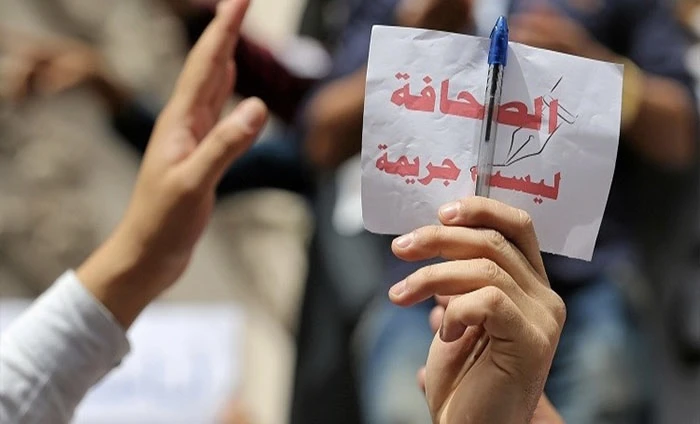
Iraqi journalists are facing growing difficulties in obtaining official information as several ministries and government institutions lack designated spokespersons and some officials decline to comment, forcing reporters to rely on leaks and information circulating on social media.
A draft Right of Access to Information Law, approved by the Council of Ministers and referred to parliament, remains under discussion as lawmakers consider amendments to some of its provisions. The legislation aims to strengthen transparency and allow citizens, journalists, and researchers to request official data, but has not yet taken effect.
Interviewed by Shafaq News, Wissam al-Mulla, a member of the Alliance for the Defense of Freedom of Expression in Iraq, described the absence of official spokespersons at many ministries as a major obstacle for journalists seeking information from government institutions and other organizations.
“Some official spokespersons refuse to give statements and rely solely on written releases,” al-Mulla noted, pointing to “excessive bureaucracy within government institutions.”
Al-Mulla also identified the lack of laws protecting journalists and guaranteeing transparent access to information as a major challenge. He argued that some provisions of the current draft could restrict journalists and potentially expose them to imprisonment.
“Parliament should consult journalists and civil society organizations before passing the legislation and amend provisions that could restrict access to information.” He also urged ministries to appoint official spokespersons to improve transparency and limit the spread of inaccurate or misleading information on social media.
Alaa Najah, an academic at the University of Iraq’s College of Media, told Shafaq News that previous governments had faced disputes over the Right of Access to Information Law and that its passage would give journalists a stronger basis for obtaining official information.
Journalists under previous governments faced “fierce attacks” from officials, ministers, and some lawmakers, including lawsuits and efforts to silence the media.
According to Najah, the absence of reliable information creates major difficulties for news organizations, particularly as social media and digital news outlets have expanded.
Read more: The New era of control: Can Iraq's free press survive its politically-tainted rulers?
Media professional Khattab Adel said withholding information from journalists has pushed news agencies and correspondents to rely on what is known as “circulated information,” a term that has become increasingly common. In an interview with Shafaq News, he linked the lack of professional communication between journalists and ministry spokespersons to the “spread of rumors and difficulties in field reporting.”
Investigative journalist Hassan al-Shannoun described obtaining information from official sources and securing documents needed for journalistic work as increasingly difficult. “Even obtaining simple information has become a challenge and an obstacle for journalists,” he noted, adding that requests sometimes require lengthy rounds of calls, official correspondence, and long periods of waiting without receiving a response.
Speaking to Shafaq News, Al-Shannoun argued that the problem reflects an administrative culture that continues to treat information as something that can be withheld rather than as a public right and a tool for transparency.
“Journalism cannot perform its watchdog role if obtaining information is difficult,” al-Shannoun argued, adding that transparency cannot be achieved without clear and rapid channels for accessing official information.
Read more: Rights groups challenge Iraqi bill curbing access to information
Written and edited by Shafaq News staff.