Iraqi Kirkuk railway station: Heavy with memory, waiting for movement


Shafaq News
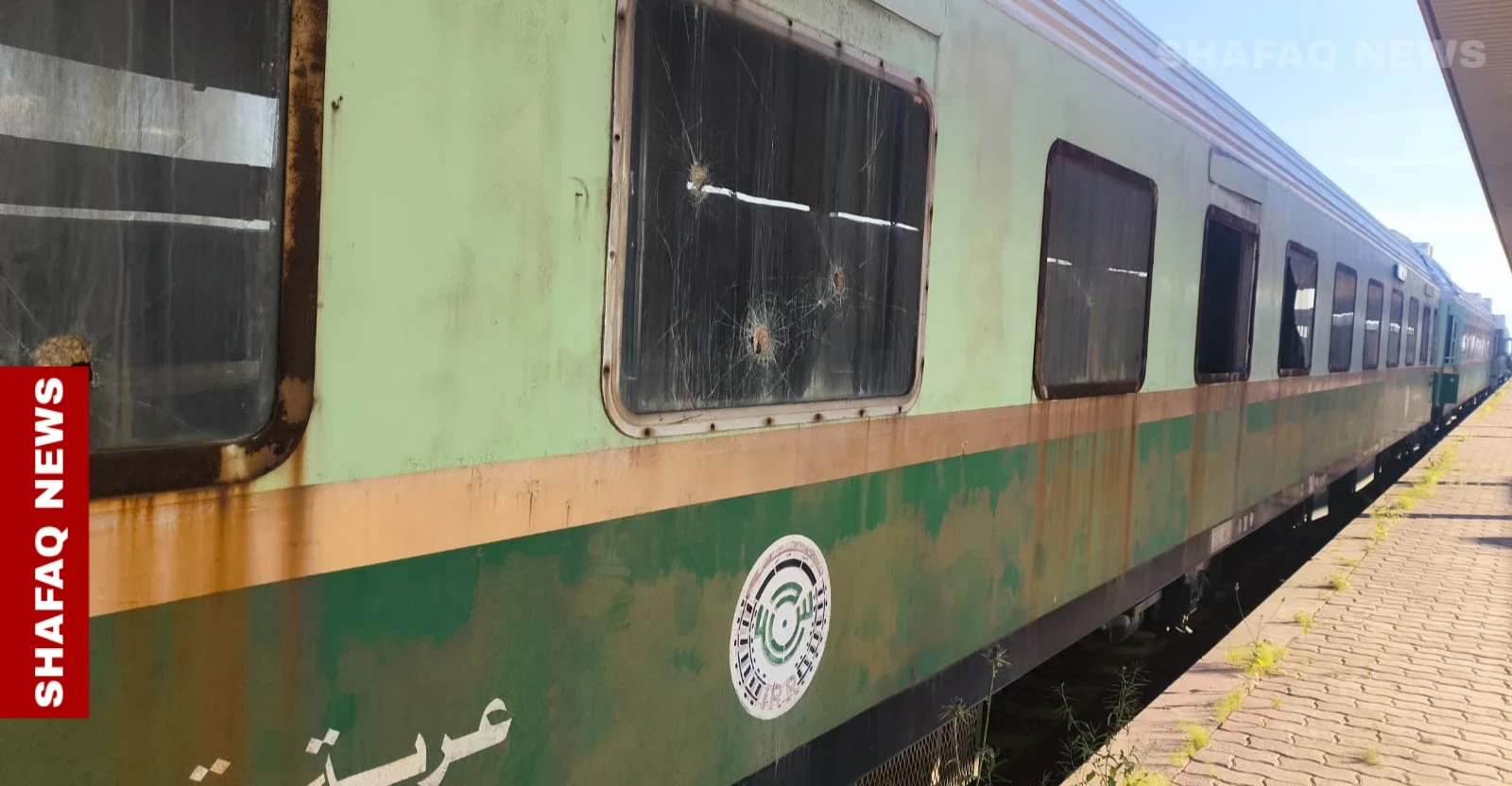
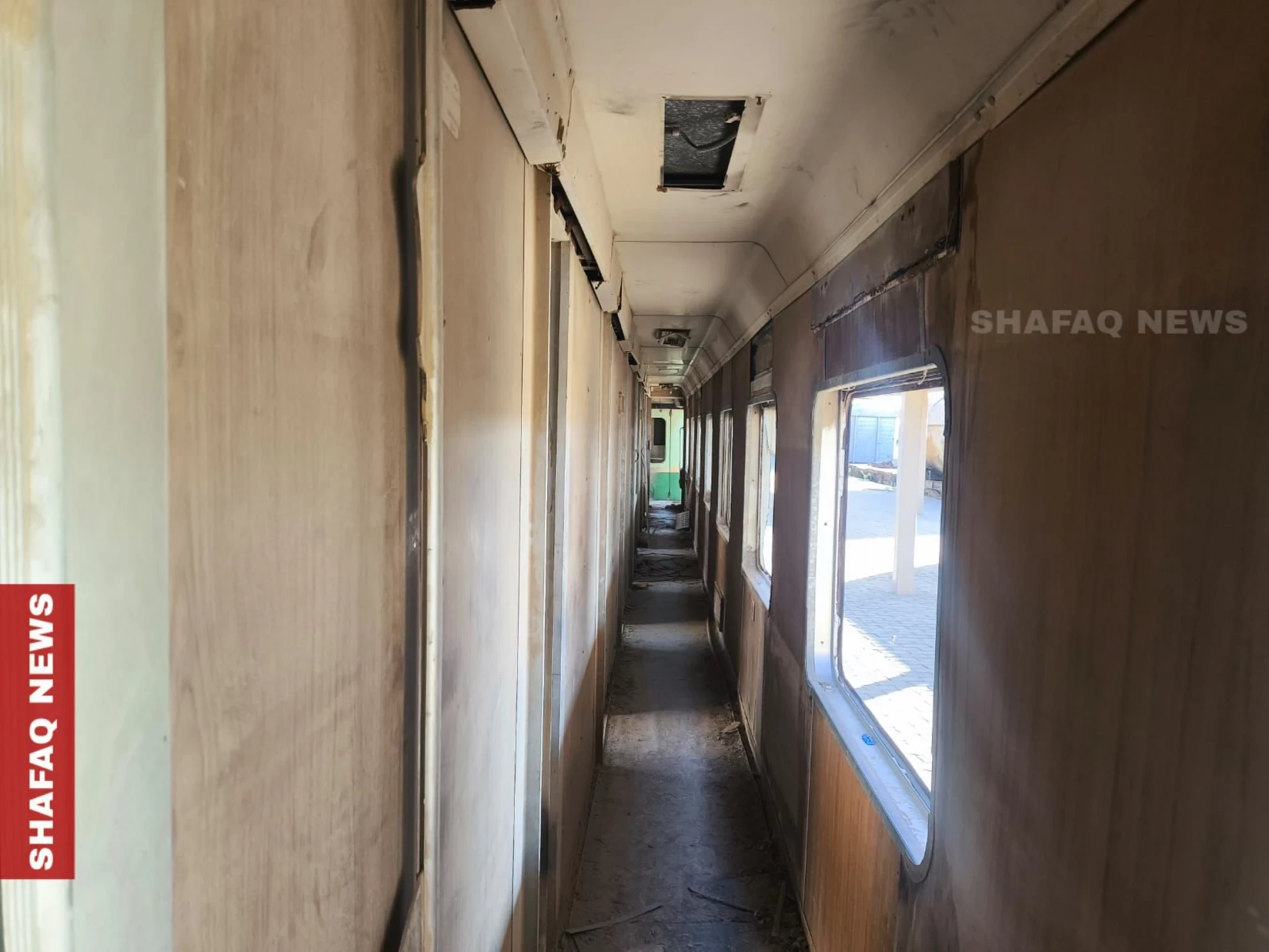
Kirkuk's railway station has not seen a train in more than a decade. The platforms are empty, the schedules obsolete, and the whistles that once marked the city's rhythm have been absent since 2014. What remains is a building that locals describe as thicker with memory than movement, and a provincial council that wants to change that.
For Ali Al-Hamzali, a Kirkuk resident whose family has lived beside the station for generations, the building holds a record of the city's twentieth century that no archive quite captures.
Speaking to Shafaq News, Al-Hamzali said the original station once stood in the Al-Hamzali district near the air base before being relocated to its current site, and recalls that among the events fixing it in local memory was the passage of the late Kurdistan Democratic Party (KDP) founder Mullah Mustafa Barzani through Kirkuk in 1970, in the period that followed the March 11 autonomy agreement between the Kurdish movement and the Iraqi government.
Read more: Mullah Mustafa Barzani and other Barzanis released from Ottoman prison
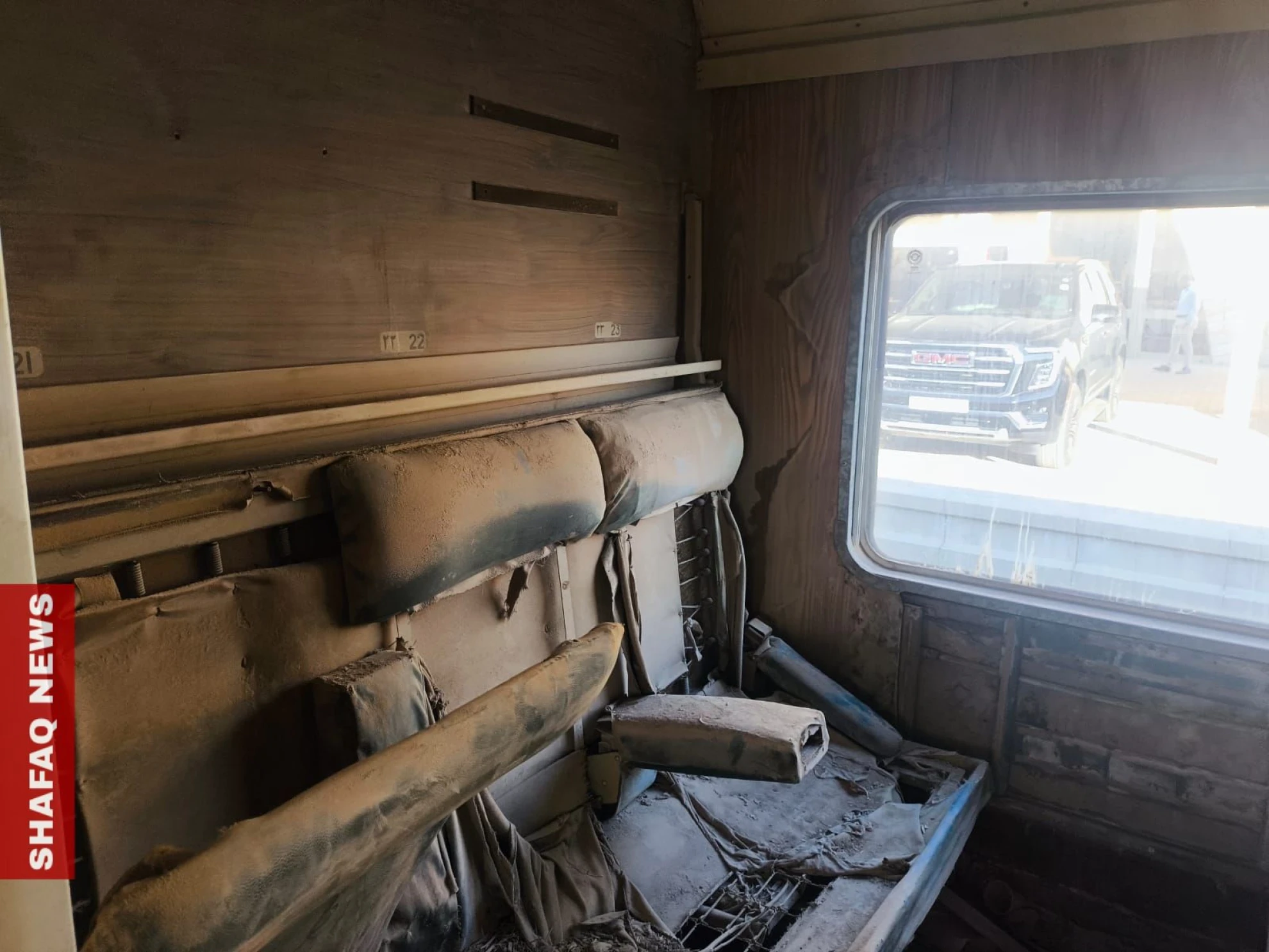
The station went beyond a transit point to a meeting ground for families, travelers, and merchants, a daily public space whose rhythm shaped the markets around it. Older residents still remember the long journeys to Baghdad and Mosul, and the way the station’s traffic fed the surrounding economy, particularly as the oil sector expanded and the railway carried workers, equipment, and freight through the province.
A Line’s Revival
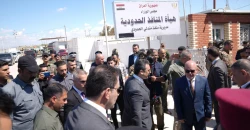
The latest attempt to bring the station back into national life was announced from inside the building itself. At the opening of Kirkuk's second Investment and Real Estate Exhibition, held on the station grounds, provincial council head Mohammed Ibrahim Al-Hafez revealed a proposal to link Kirkuk's railway with neighboring countries, describing it as a strategic step to reposition the city as a logistics hub connecting Iraq to its regional surroundings.
No timeline, financing plan, or named bilateral agreements have been announced in connection with the proposal.
The picture on the ground is more specific, if still conditional. Iraqi Republic Railways completed its assessment of the Kirkuk–Baiji line in late April 2026, including structural evaluations of the Al-Fatha bridge, the main link between the two lines, and the Canal bridge. The deputy director general of Iraqi Republic Railways, engineer Ali Oudeh, said during a visit to the station on April 30 that rehabilitation of the Al-Fatha bridge is estimated at around 60 billion dinars, while the Canal bridge would require approximately 1.5 billion dinars.
The station itself, he said, is technically ready to receive trains. What it is waiting for is the bridges and the money to fix them. That money depends on a federal budget that Iraq has not passed in 16 consecutive months. Oudeh said that if budget allocations are secured, the line could be restored to service within a year and a half.
The Line That Reached Aleppo
Kirkuk's railway story begins in the first decades of the twentieth century, as the Iraqi state worked to tie its main cities into a modern transport network. The city's geographic position and economic weight, particularly in oil, gave the station exceptional importance from the start.
Service to Kirkuk commenced in August 1925, extending the wartime line pushed northeast from Baghdad through Diyala. By 1930, foundations were being laid for a more ambitious Kirkuk–Baghdad–Haifa route, though the Haifa section was abandoned when the 1948 Arab–Israeli war rendered that terminus inaccessible. A 105-kilometer extension toward Erbil followed, with the first train arriving there in 1950.
Regional historian Ahmed Al-Bayati told Shafaq News that the line connected Kirkuk southward to Saladin, Diyala, and Baghdad, and northward through Nineveh as far as the Syrian city of Aleppo. With the completion of the Mosul–Tel Kotchek section of the Berlin–Baghdad railway in July 1940, the Taurus Express ran its first uninterrupted Istanbul–Baghdad service, drawing Kirkuk into a corridor that linked the Bosphorus to the Gulf.
The station's slow eclipse began in the 1980s, when Baghdad used railway policy as an instrument of political geography. A new standard-gauge line running from Haditha through Baiji to Kirkuk, opened in 1988 at a cost of around 960 million dollars, tied the city more closely to Sunni Arab areas in western Iraq while deliberately severing rail access to the Kurdish region that had been granted nominal autonomy in 1970, a physical expression of Saddam Hussein's Arabization policy. The meter-gauge line to Erbil was wound down between 1984 and 1988.
Read more: Iraq’s railway network: Glorious past vs. troubled present
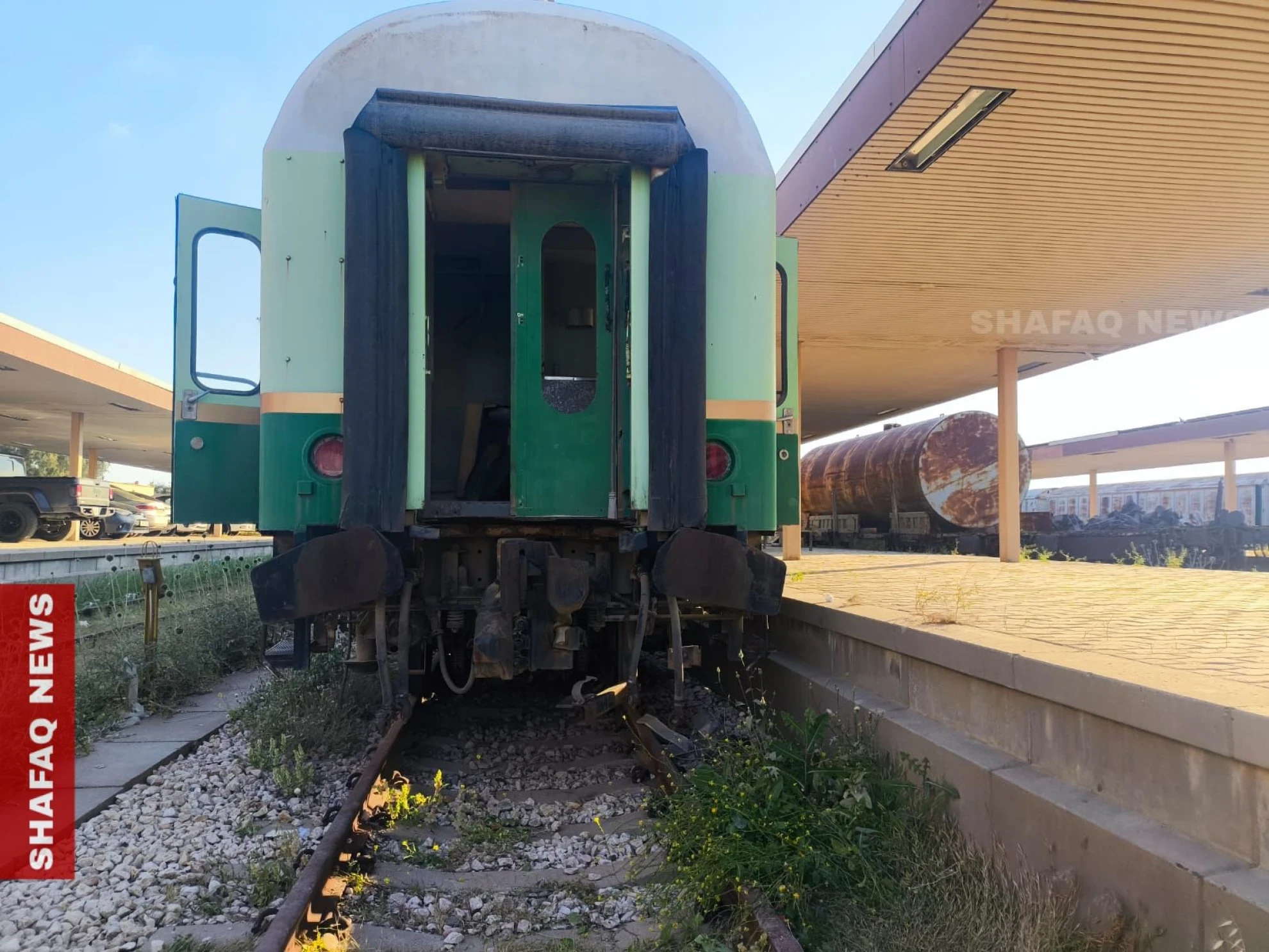
The line absorbed successive shocks over the following decades. A US Air Force strike during the 1991 Gulf War damaged key infrastructure along the Transversal Line between Baiji and Kirkuk. The 2003 invasion brought further disruption to a network already stretched by years of sanctions and neglect. Then ISIS swept through northern Iraq in 2014, and what remained of rail movement through Kirkuk stopped entirely —the western branch toward Haditha closed after militant vandalism, and the whistles familiar to the city's residents fell silent.
They have not returned since.
Written and edited by Shafaq News staff.