Iraq's psychological wounds: A generation scarred by conflict



Shafaq News
N.S. (pseudonym) was still a teenager when sectarian violence tore through Iraq in the mid-2000s. She stood frozen as her father was shot dead, the sound of her mother and sisters crying etched into her memory. Nearly three decades later, the fear born that day continues to shape her life. At 45, she refuses to marry, convinced that anyone she loves will also be taken away from her.
Three years after her father’s death, N.S. lost the ability to speak. Her mother, concerned about social stigma, rejected psychiatric treatment and confined her daughter to a separate room, believing that seeking medical help would bring shame. Her story reflects a wider, silent epidemic of untreated trauma affecting millions across Iraq.
Scars Run Deep
Years of conflict, unrest, and political instability have left Iraqis facing deep psychological scars. Depression, schizophrenia, and other mental health disorders are increasingly common. Studies estimate that more than one in five Iraqis suffer from mental illness, while government data released in 2024 shows suicide cases have surged 40% over the past decade, reaching 772 incidents.
Many young Iraqis carry personal burdens similar to N.S.’s. Nineteen-year-old protester Seif Ramzi lost friends during the October 2019 demonstrations, withdrawing from daily life and developing severe depression. His father avoided psychiatric care, fearing social stigma.
Ramzi recounted to Shafaq News, “My father kept taking me from one sorcerer to another. Some prescribed bizarre remedies — mouse ears, a cat’s tail, boiled and inhaled at sunset. These rituals only intensified my misery.”
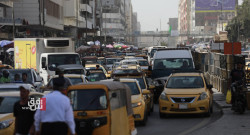
The stress of daily life in Iraq — including political instability, economic hardship, power cuts, traffic congestion, and extreme heat — compounds mental strain. The COVID-19 pandemic in 2020 further affected mental health, with national surveys indicating that 68% of Iraqis believe these challenges have strained their relationships, often leading to isolation and family conflict.
Children are particularly vulnerable, and research showed that 22% of Iraqi children experience depression, while 38% live with anxiety, reflecting the broad reach of trauma across age groups.
Barriers To Care
Even for those willing to seek help, private care is often unaffordable. “Doctors charge 100,000 dinars ($77) for a single visit,” remarked Abdullah al-Qaisi. “How can Iraqis pay that several times a week?”
Psychology student Hossam al-Rawi highlighted the social stigma surrounding mental health, noting that many people fear visiting a psychiatrist could expose their secrets or lead to blackmail. Others believe doctors only prescribe sedatives that induce sleep and cause addiction.
“That’s not the case — treatments vary, often for limited periods, and sometimes involve only recommendations or medication taken as needed,” he clarified.
However, Iraq faces a severe shortage of mental health resources, with only six psychiatric hospitals and roughly 0.57 psychiatrists per 100,000 people, far below the global average of around nine.
By comparison, Lebanon has more than one psychiatrist per 100,000 people, and Jordan approaches 1.5. This scarcity leaves millions of Iraqis without adequate support, profoundly affecting their family life and social well-being.
Change on Horizon
Despite these barriers, demand for psychiatric care is increasing. Psychiatrist Adnan al-Qarah Ghouli shared with our agency that he has treated more than 18,000 patients since 2019, with numbers surging during the COVID pandemic. Many are youth and children struggling with insomnia and hyperactivity linked to excessive phone use.
“Female patients outnumber men significantly,” he noted, citing that cultural attitudes discourage men from seeking psychiatric or sexual health care.
In turn, consultant psychiatrist Ali al-Fatlawi observed a broader shift. “Compared to the past, more Iraqis are seeking psychiatric care, but the numbers remain below actual needs,” he explained, emphasizing that “People usually come only after their condition worsens or after trying non-medical solutions.”
He also highlighted sharp rises in anxiety, depression, and post-traumatic stress, particularly among survivors of domestic violence, substance abuse, and behavioral addictions such as online gaming. “What stands out is that young people, particularly in Baghdad and Erbil, are more open to mental health care.”
“They understand that treatment is not madness, but a way to improve quality of life and manage stress,” he added, stressing that “The real challenge is not just treatment, but overcoming social barriers and promoting awareness that mental health is part of overall health.”
Clicks to Heal
Some Iraqis are also turning to online counselling, with patient Tayba Mahmoud explaining how remote sessions helped her recover. “Online sessions save time, protect privacy and ease anxiety. I benefited from them and my condition improved.”
Yet, Psychiatrist Moammal Khaled pointed out several limitations, noting that “Poor internet connections and the lack of quiet spaces in most Iraqi homes make online therapy difficult.”
Doctors need to observe body language and interact directly to provide effective care, he concluded.
Written and edited by Shafaq News staff.