Iraq’s ambassadorial appointments: Reform or political bargain?


Shafaq News
Iraq’s parliament has approved 91 new ambassadors, a move the government hailed as a breakthrough but which lawmakers and experts denounced as unconstitutional, nepotistic, and politically driven. The dispute has now cast doubt on both the legitimacy of the appointments and the credibility of Iraq’s diplomatic face abroad.
A “Breakthrough” vs. a Broken Quorum
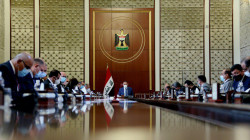
Prime Minister Mohammed Shia al-Sudani welcomed Tuesday’s vote as part of his reform agenda, filling posts vacant since 2009. The Foreign Ministry also described the step as a long-awaited chance to strengthen Iraq’s international presence.
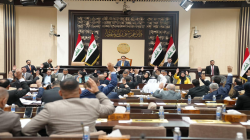
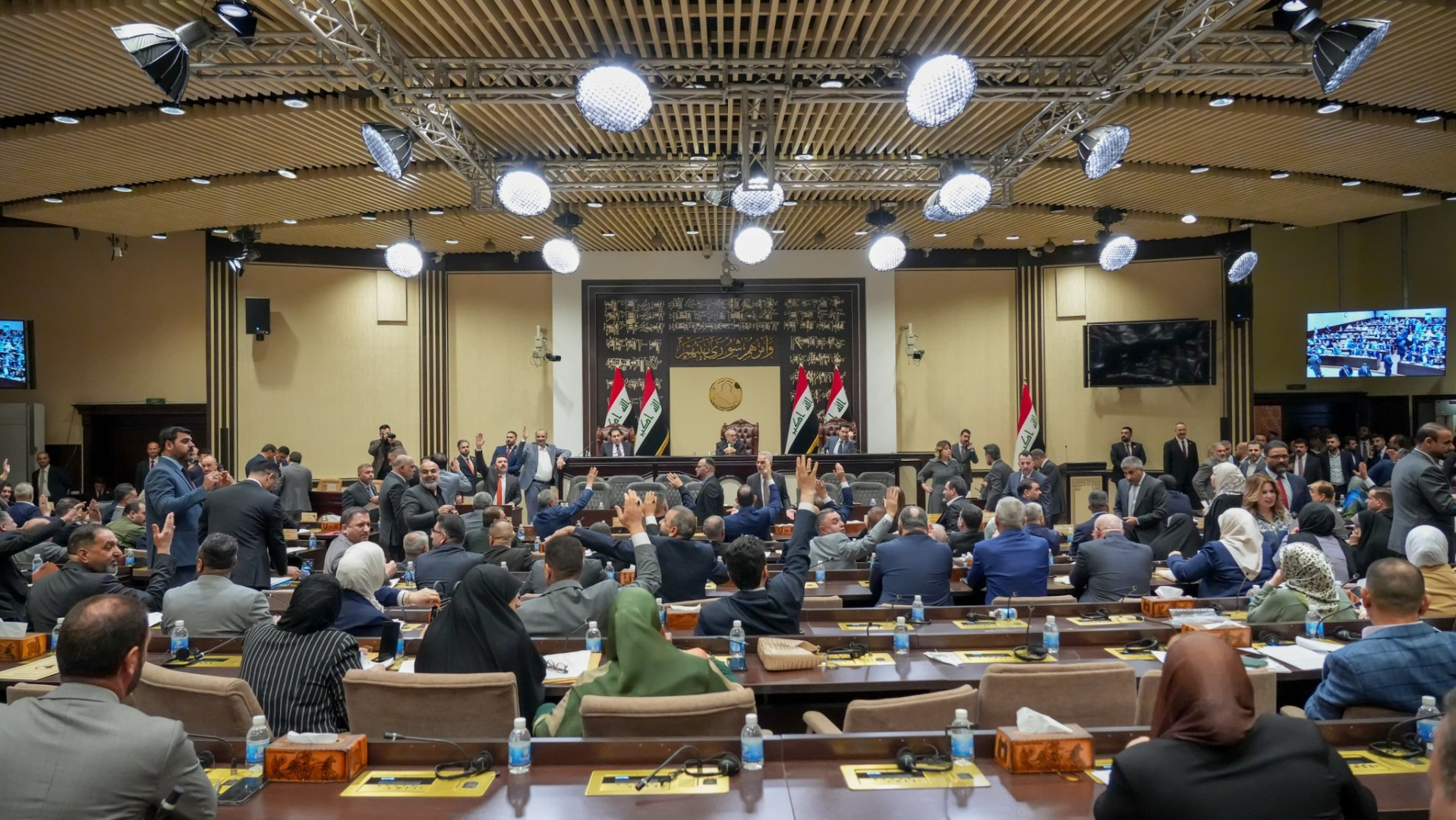
But opposition MPs challenged the validity of the session. Independent lawmaker Hussein al-Saabri told Shafaq News that the vote “lacked quorum” after around 20 MPs withdrew, leaving only 169 out of 329 in attendance. He vowed to contest the decision in the Supreme Federal Court, noting that the process sidestepped constitutional safeguards.
Independent MP Amer Abdul-Jabbar echoed this stance, stressing that quorum was “broken” and confirming his intention to file a legal appeal against the vote.
Skipped Procedures and Ignored Committees
Al-Saabri argued that parliament should have followed a legal sequence: nominees’ résumés circulated at least a week in advance, with scrutiny by five committees—Foreign Relations, Security and Defense, Migration and Displacement, Accountability and Justice, and Integrity. “What happened bypassed all of these steps,” he said. “It was one political bargain without transparency.”
Mukhtar al-Moussawi, a member of the Foreign Relations Committee, agreed, accusing blocs of sending “relatives and allies” abroad under the guise of diplomatic service. He added that his committee never even saw the list of names, despite being the primary body responsible for vetting ambassadors.
MP Arshad al-Salihi also criticized the process, calling the session “rushed and unacceptable” since résumés were never provided to MPs.
Such complaints deepened suspicions that the vote was shaped more by political deal-making than by professional standards.
Speaker Accused of Forcing Votes
MP Adnan al-Jabri accused Speaker Mahmoud al-Mashhadani of repeatedly forcing votes without quorum, citing the ambassadorial session as the latest example.
While a few of the 91 nominees were competent, al-Jabri pointed out that “many were unknown figures with no résumés,” casting doubt on the seriousness of the appointments.
Legal Standards and Reported Breaches
Legal expert Mohammed Jumaa told Shafaq News that Iraq’s Foreign Service Law sets explicit requirements: ambassadors must be at least 35 years old, hold the rank of Adviser or higher, possess a relevant university degree, and be fluent in two languages.
“These standards were not respected,” Jumaa said. “Nearly half of the appointees lack English or any second language, and many have little to no diplomatic experience.” He described this as a “serious breach” of the law.
Despite these violations, others argued that the appointments were still necessary to restore Iraq’s diplomatic presence after years of stagnation.
The Stakes for Iraqi Diplomacy
Political commentator Wael al-Rikabi said ambassadors are essential to advancing Iraq’s foreign policy, “Ambassadors are vital for building alliances and lobbying networks. Even if some names are controversial, Iraq cannot afford gaps in representation.”
Researcher Wathiq al-Jabri acknowledged flaws, noting that the list also includes competent specialists, “Parties nominate ambassadors in many countries. If the individuals are qualified, their political affiliations matter less. What counts is whether they can project Iraq positively abroad.”
Written and edited by Shafaq News staff.