Iraq’s Parliament Speakership vote: Stress test ahead of Dec. 29


Shafaq News – Baghdad
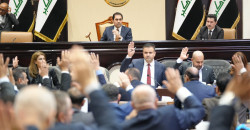
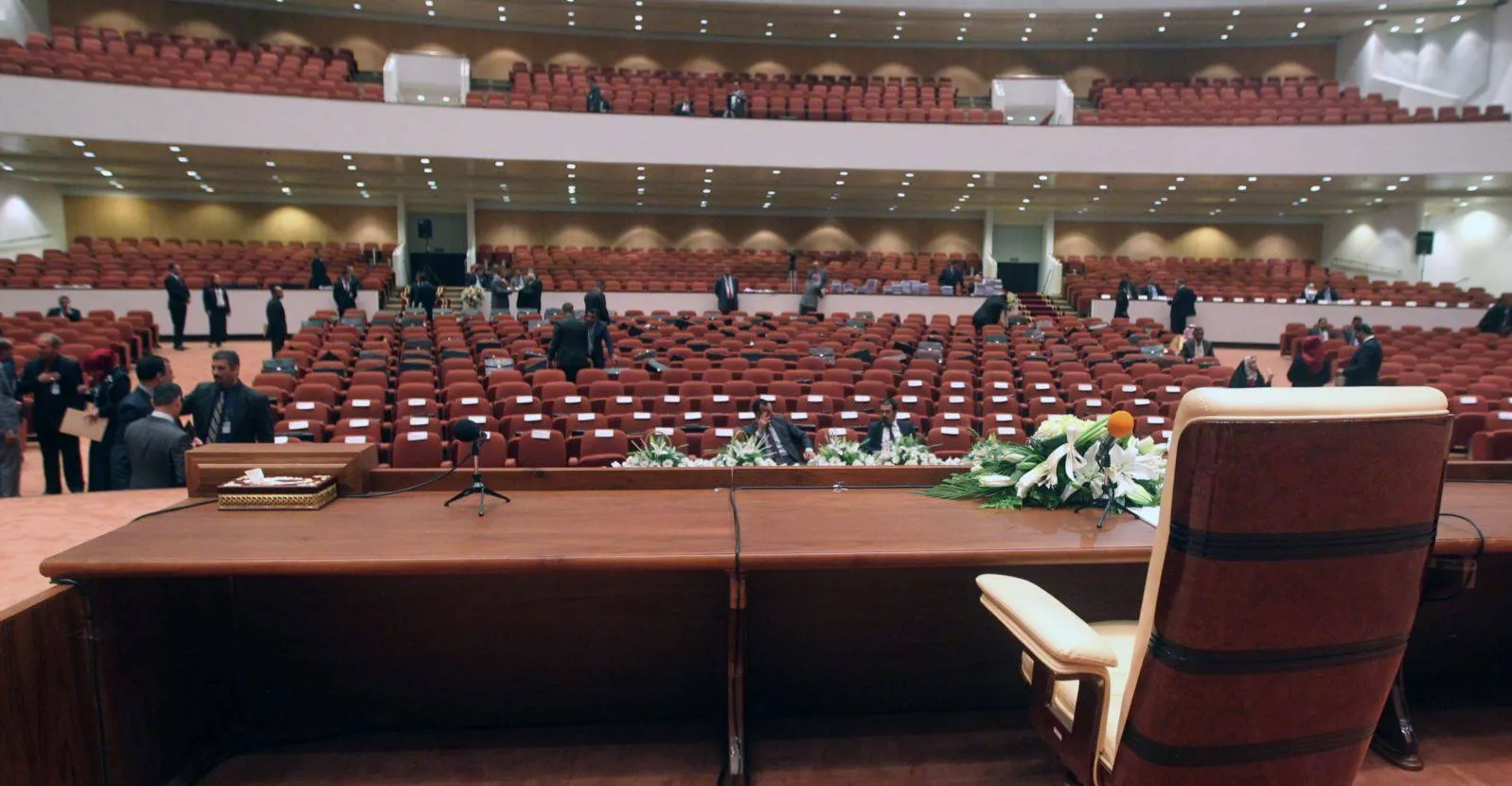
With just days remaining before the first session of the new Iraqi parliament, the contest over the speakership has moved beyond a routine power-sharing negotiation and into a critical test of the post-election political order. The ability—or failure—of political forces within the National Political Council to settle the position before the chamber convenes on December 29 is now widely seen as an early indicator of whether the next phase of governance will proceed smoothly or slide into procedural strain.
Under Iraq’s constitutional sequence, the election of the speaker and two deputies opens the door to the remaining milestones: choosing a president and tasking a prime minister-designate with forming a government. Despite repeated warnings from the judiciary that the first session cannot be postponed or extended, political disputes—most notably within the Sunni camp—have left the speakership unresolved, placing the incoming parliament under immediate pressure.
The challenge is sharpened by new parliamentary arithmetic. Sunni representation has risen to about 77 out of 329 seats, strengthening the community’s numerical weight but also exposing internal fragmentation. Six figures initially emerged as contenders, including former speaker Mohammed al-Halbousi, Al-Azm leader Muthanna al-Samarrai, former Education Minister Mohammed Tamim, Defense Minister Thabet al-Abbasi, MP Salem al-Issawi, and MP Mahmoud al-Qaisi. In practice, however, the race has narrowed to al-Halbousi—who leads the largest Sunni bloc with 27 seats—and al-Samarrai, whose alliance controls 15.
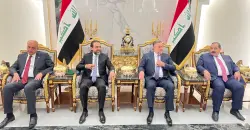
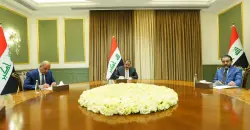
At the center of the effort to bridge these divisions is the National Political Council, which brings together Sunni forces that won seats in the election. MP Faisal al-Issawi of the Al-Tafawoq Coalition revealed to Shafaq News that the council is set to hold its final meeting on Saturday before the parliamentary session, aiming to agree on a single candidate. “If consensus proves impossible, the council may allow two nominees to advance to the floor, leaving parliament itself to decide through a vote.”
That scenario carries significant risks. Electing a speaker requires an absolute majority—at least 165 votes—an increasingly difficult threshold in a fragmented chamber. Failure to reach it could delay proceedings or force last-minute compromises that reshape committee leaderships and future ministerial allocations, extending the impact of the speakership battle well beyond the Sunni bloc.
Political analysts broadly converge on one assessment: prior political agreement is the decisive variable. Haider al-Barzanji noted that the session’s viability depends directly on settling the parliamentary leadership in advance. One deputy speakership, he pointed out, has already been resolved in favor of Shakhawan Abdullah of the Kurdistan Democratic Party, while expectations are that the first deputy speaker will be finalized shortly. The unresolved issue remains the speaker’s post itself. “If Sunni forces coalesce, the session is likely to proceed normally; if not, a split vote could divide other blocs, including the Shiite Coordination Framework, between rival candidates.”
While al-Barzanji believed the signs lean toward a resolution rather than a breakdown, he cautioned that disagreement over names could still undermine quorum, even though the constitution requires the chamber to convene at least to administer the oath and begin formal procedures.
Yassin Aziz, another political analyst, framed the stakes more bluntly, arguing that entering the first session without a unified Sunni candidate would force an open contest that risks “embarrassing Sunni leaders and exposing already delicate relationships between Sunni parties and the Coordination Framework.” In this reading, the damage would not stem from who wins, but from how the decision is reached and the political costs of a visibly fractured process.
Read more: Six candidates chase Iraq’s speakership
From within the Al-Azm alliance, the dispute is described less as a personal rivalry and more as a clash over decision-making norms. Alliance leader Muzaffar al-Karkhi told Shafaq News that the National Political Council agreed that key decisions should be made by full consensus, including the speakership. Allowing two candidates to proceed, he argued, was intended to avoid paralysis and prevent the first session from collapsing into procedural deadlock.
Al-Karkhi criticized “al-Halbousi’s earlier insistence on running as the sole nominee,” while acknowledging that all Sunni MPs have the right to compete under established political custom.
Legal experts warn that room for maneuver is limited. Constitutional specialist Abbas al-Uqabi explained to Shafaq News that the first session must convene on December 29 under the chairmanship of the oldest member, which is now Amer Hussein Jassim Ali Al-Fayez of Tasmeem Alliance, beginning with the oath and followed immediately by nominations for speaker and deputies, as stipulated in Article 55 of the constitution.
While some view these timelines as organizational, al-Uqabi cautioned that ignoring them would amount to a serious constitutional breach, potentially leaving the country under a caretaker government until the parliamentary leadership, presidency, and premiership are resolved.
Since 2003, Iraq’s informal power-sharing arrangement has assigned the premiership to Shiite forces, the presidency to the Kurds, and the speakership to the Sunni component. The current impasse highlights how this system depends not only on sectarian balance but on cohesion within each bloc. Whether Sunni parties can manage competition without derailing the parliamentary process will signal the resilience of the post-election framework.
In that sense, the speakership vote has become an early stress test of whether the new parliament can absorb rivalry and negotiate compromise without tipping into institutional strain—setting the tone for the political phase that follows.
Written and edited by Shafaq News staff.