Iraq’s Najaf: Libraries resurrecting history from the ashes


Shafaq News
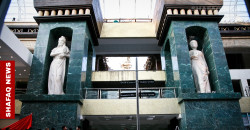
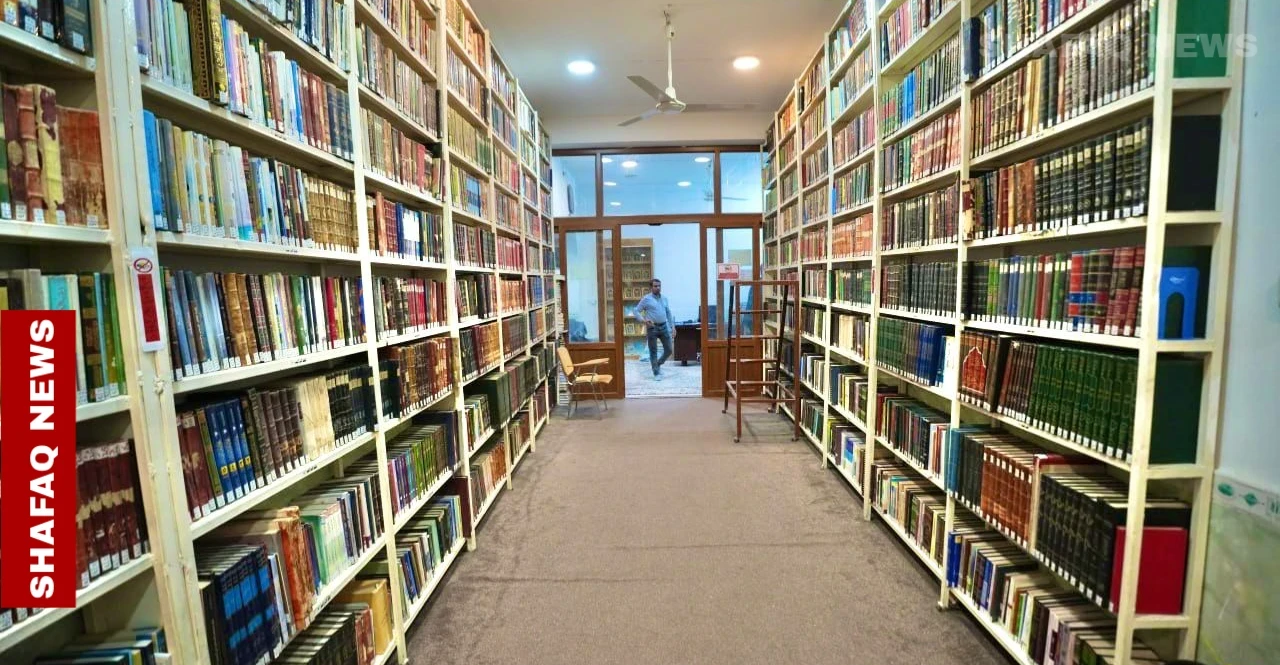
In the narrow alleys of Najaf, behind wooden Mashrabiyya (ornamental lattice) screens and heavy doors, four libraries safeguard one of the Islamic world’s most significant concentrations of manuscript heritage. Some of their holdings are more than a thousand years old.
The collections span an extraordinary range —stone-inscribed texts, undotted Quranic manuscripts, and Quranic verses recorded on materials as unusual as snakeskin and grains of rice. The city itself, located roughly 160 kilometers southwest of Baghdad, has drawn scholars, rulers, and pilgrims for centuries because of the shrine of Imam Ali ibn Abi Talib, the cousin and son-in-law of the Prophet Muhammad and the first imam of Shia Islam. Where pilgrims travel, knowledge accumulates.
The Al-Alawi Repository
The first stop was the al-Alawi Repository, one of the oldest manuscript collections in Iraq. Ali Lafta al-Issawi, head of its research and studies unit, told Shafaq News that the repository ranks second in age among Iraqi collections, after the Iraqi National Museum, with its origins tracing back to the fourth Hijri century under Adud al-Dawla al-Buwayhi, who died in 372 AH.
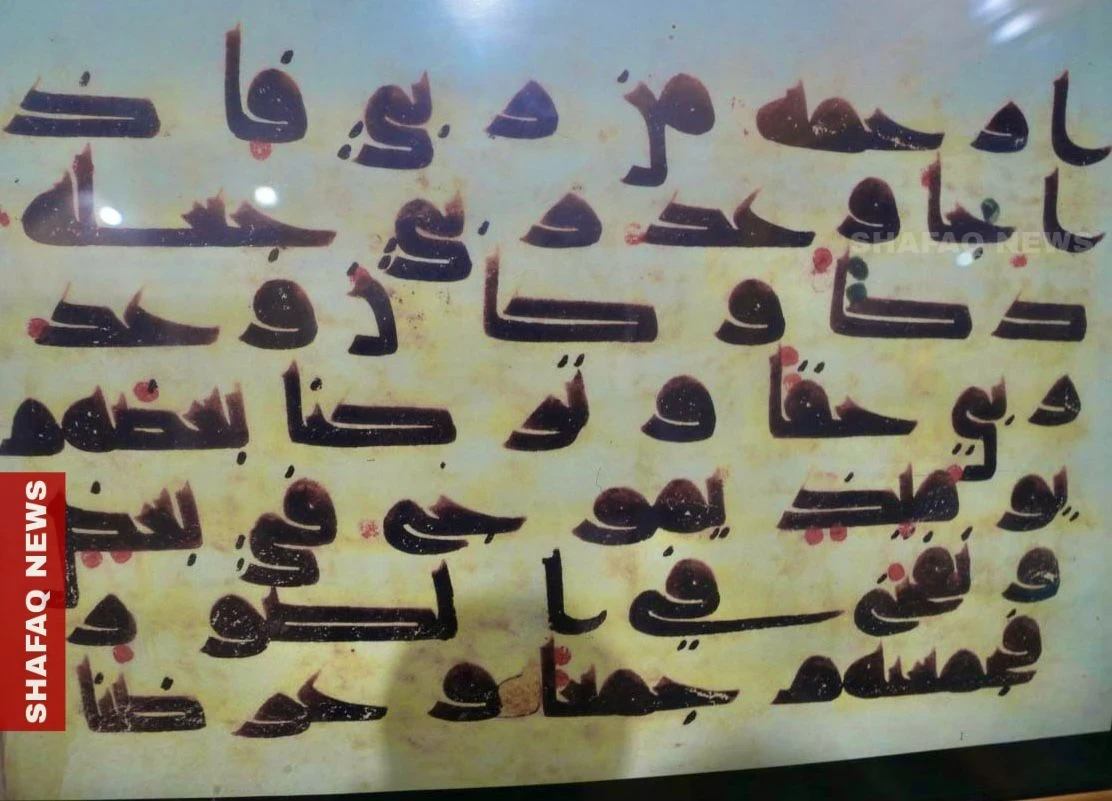
The collection is divided into two categories. The first includes Quranic manuscripts of exceptional historical significance, donated by kings and sultans who visited the shrine of Imam Ali. Among them are copies attributed to master calligraphers Yaqut al-Mustasimi, al-Suhrawardi, and al-Sayrafi, along with ancient vellum manuscripts more than a thousand years old, including two copies attributed to Imam Ali and his son Imam al-Hasan.
The second category contains millennium-old manuscripts written over a thousand years ago. The repository preserves approximately 15 handwritten works from this period, including texts attributed to Sheikh al-Tusi, who died in 460 AH, and to Allama al-Hilli. The oldest item is a Quran attributed to Imam Ali, written in undotted Kufic script —the earliest known form of Arabic calligraphy.
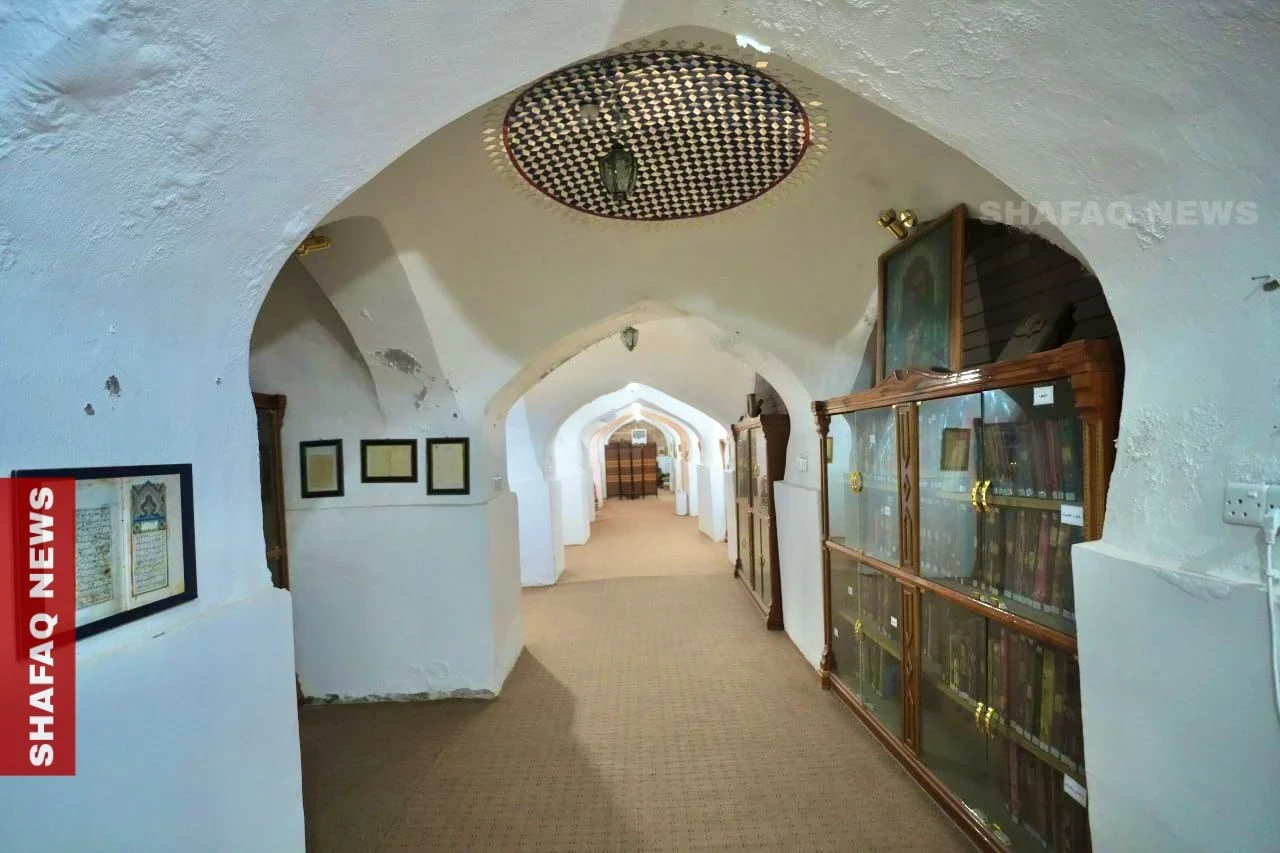
Al-Issawi explained that total holdings reach roughly 8,000 manuscripts, spanning jurisprudence, Islamic legal theory, medicine, astronomy, chemistry, mathematics, and other fields. After 2003, the Alawi Shrine established a dedicated center for manuscript photography and restoration using modern equipment, expanded the collection by 4,000 manuscripts, and issued seven volumes of catalogues documenting the archive.
The Haidari Library
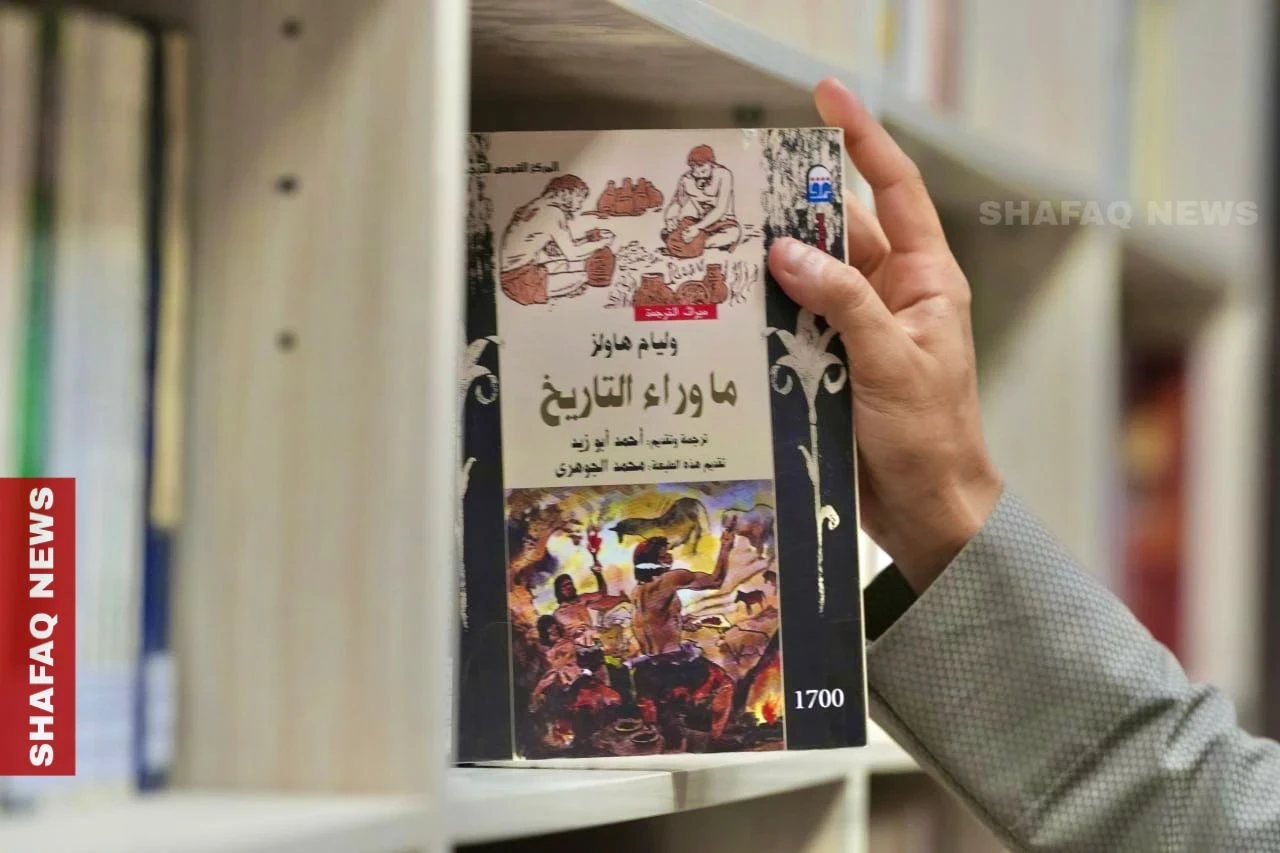
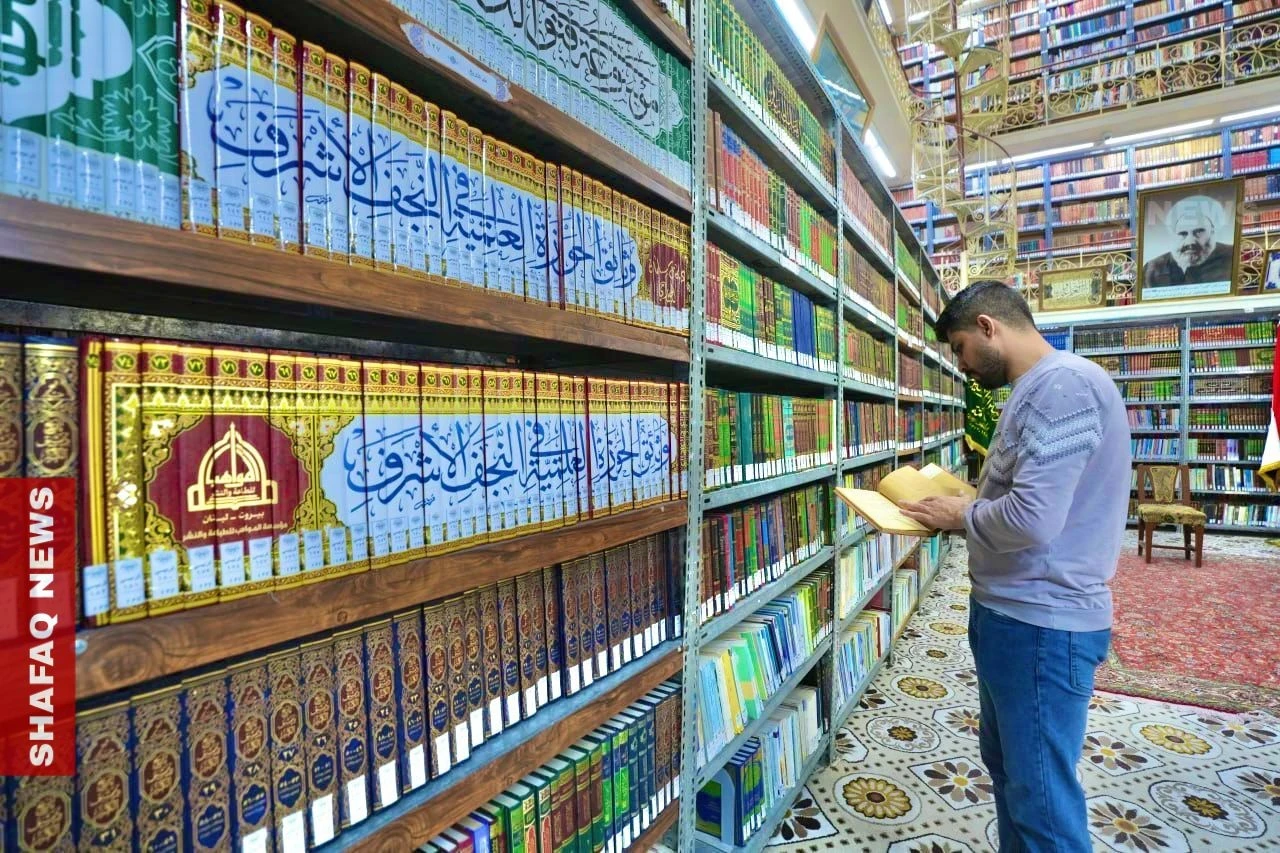
The Haidari Library opened in 2005 under directives from Grand Ayatollah Ali al-Sistani, the highest Shia religious authority in Iraq. At its founding, it contained around 8,000 books. Today, according to library official Ali Kadhim Hamad, that figure exceeds 350,000 volumes.
Hamad noted that the library has received nearly 130 personal collections donated as religious endowments, alongside 8,000 university theses. It holds close to 450,000 titles related to the biography and legacy of Imam Ali, as well as more than 400 scientific and religious journal titles, open to readers of all faiths and denominations. Monthly visitors average about 2,000. The oldest printed item in the collection is a periodical titled Al-Jinan, dating to 1880.
The Al-Hasan Library
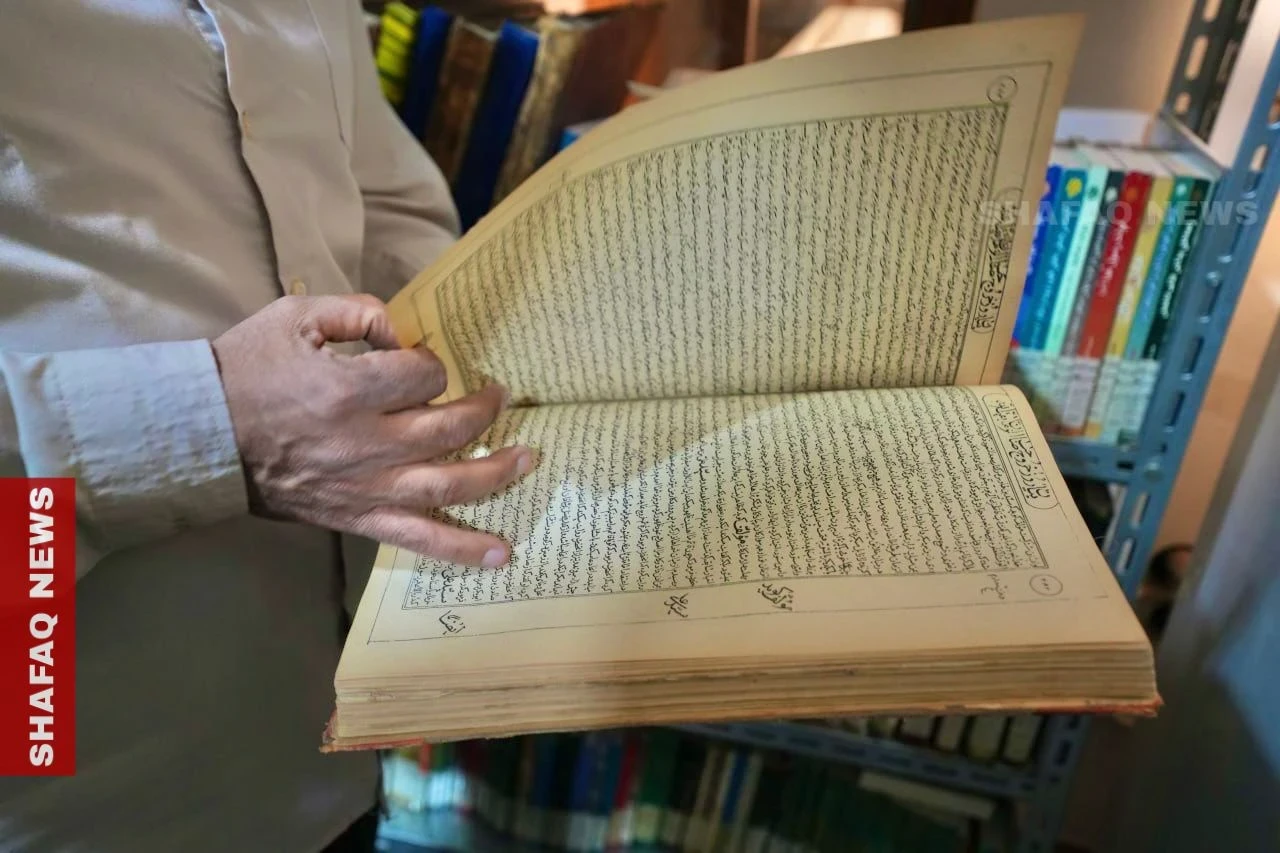
The third stop was the Al-Hasan Library, where Sheikh Mahdi Baqer al-Quraishi serves as director. He explained that the library began with only dozens of books before expanding into one of Najaf’s largest collections, now surpassing 100,000 volumes. Its readers include students from the Hawza —the Shia Islamic seminary system centered in Najaf— as well as postgraduate students from universities across Iraq. Religious classes are also held within its reading rooms.
The library, Al-Quraishi noted, preserves rare manuscripts dating back more than 700 years, including a copy of Nahj al-Balagha —a canonical collection of sermons and letters attributed to Imam Ali— brought from India, as well as at least one manuscript older than a thousand years. One of the library’s founders, Sheikh Baqer al-Quraishi, authored nearly 100 scholarly works.
Read more: Discover Iraq: Najaf, a city of dust and divinity
The Kashif al-Ghata Library
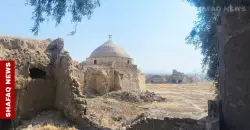
The final stop was the Kashif al-Ghata Library, where Sheikh Ahmed Kashif al-Ghata described conditions unlike those faced by the other three collections. Before 2003, and especially after 1991, libraries in Najaf operated under severe pressure. Some manuscripts were burned for fuel. Others were struck by gunfire, with visible damage still marking their pages.
Sheikh Ahmed noted that the Sheikh al-Tusi Library —closely linked to this network— managed to photograph roughly 55,000 manuscript copies, a figure that reflects the scale of Iraq’s still largely uncatalogued manuscript heritage. He added that around eight million images and historical documents have been photographed and catalogued, with the first volume published and additional volumes in preparation.
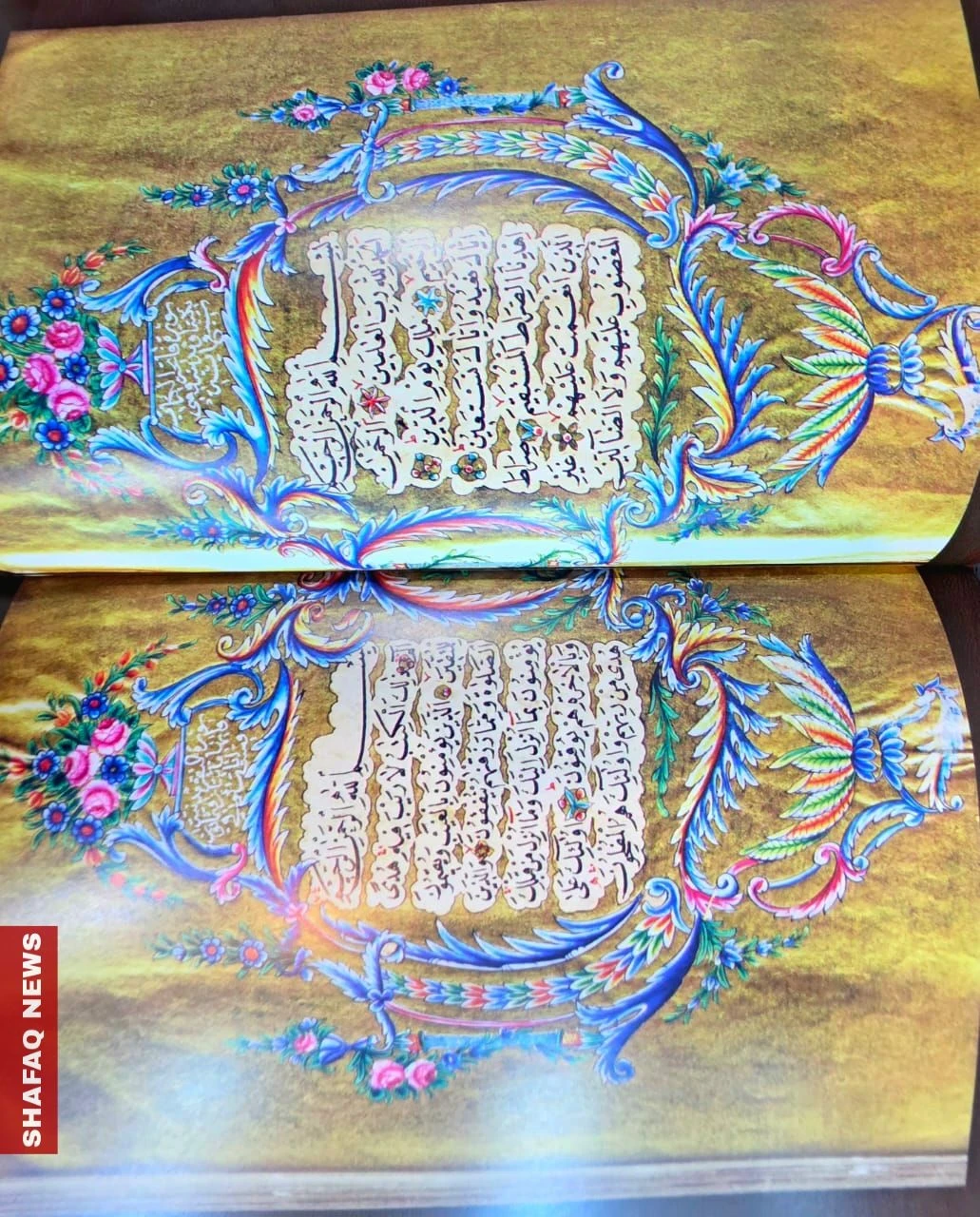
The Kashif al-Ghata Library itself houses more than 40,000 books, including 1,000 rare copies. Among its most notable holdings are the earliest known edition of Sahih al-Bukhari, one of the most authoritative hadith collections in Sunni Islam; the first edition of the Bible printed in Berlin; and an Arabic translation of the Bible dating to 1600 CE.
A City That Accumulates Knowledge
Najaf is Iraq’s fifth most populous city with more than 1.19 million people, but its significance extends far beyond population. The presence of the shrine of Imam Ali has made it a global center of Shia religious scholarship for more than a millennium. The Hawza continues to draw students from across the Muslim world.
The libraries visited by Shafaq News are inseparable from that history: they exist because kings donated manuscripts when they came to pray, because scholars settled nearby to remain close to the shrine, and because knowledge —like the city itself— has proven difficult to erase.
Written and edited by Shafaq News staff.