Iraq’s Gen Z faces choice: Vote or boycott in 2025 elections


Shafaq News
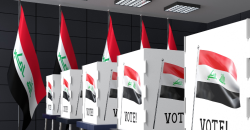
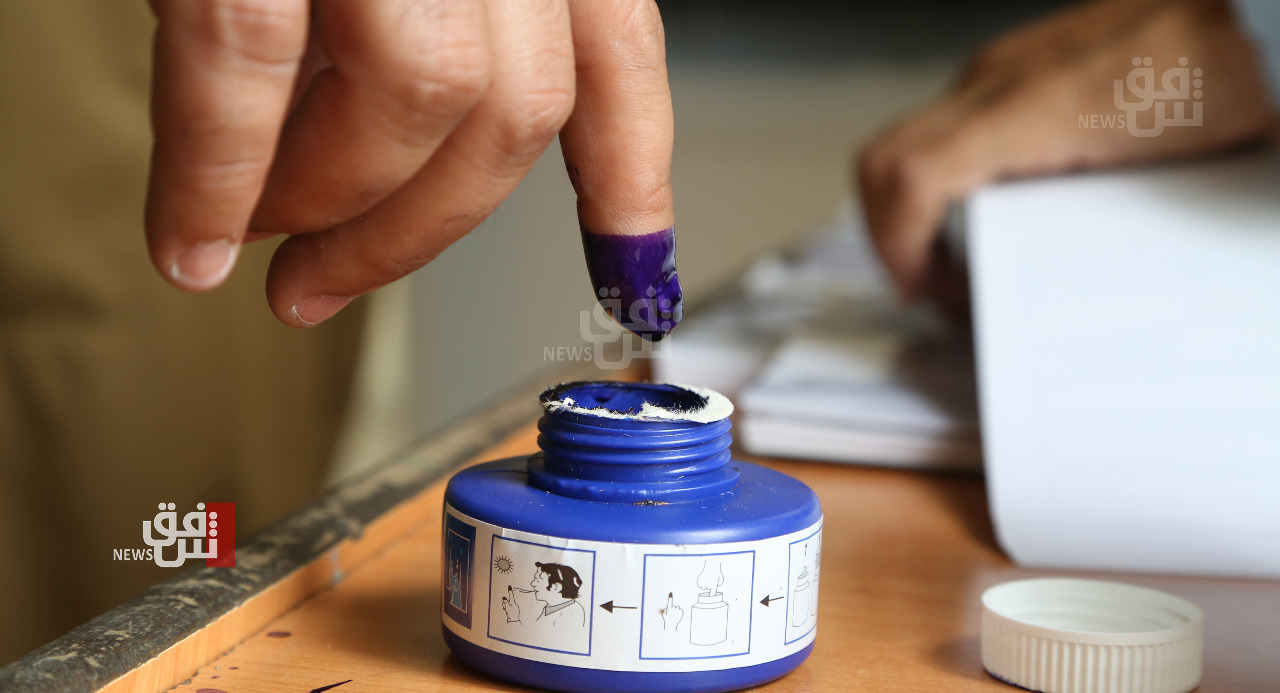
Iraq stands at a pivotal political moment as its legislative elections, set for November 11, 2025, draw near. At the center of attention is Generation Z, whose participation remains unpredictable. Born between the mid-1990s and early 2010s, this generation grew up amid Iraq’s political upheavals and accumulated crises, shaping a deep skepticism toward the electoral process.
Born Digital, Raised In Crisis
More than 60% of Iraq’s population is under thirty, making young voters potentially decisive. Having grown up with the internet and social media, they are more politically aware than previous generations, yet also more disillusioned by unfulfilled promises since 2003. For them, elections are not simply democratic rituals but a test of the state’s ability to provide jobs, services, and stability.
Torn Between Hope And Boycott
For 19-year-old first-time voter Wissam al-Jouani from al-Anbar’s al-Baghdadi subdistrict, casting a ballot is a “final attempt” at change. His area of more than 40,000 residents lacks paved roads, housing projects, or recreational facilities despite clear potential. Al-Jouani ridiculed past candidates who secured thousands of votes yet achieved little, saying some “did no more than organize football tournaments.” Despite his frustration, he intends to vote for a candidate who has delivered real projects, even if not from his tribe.
Read more: Iraq's game changer: Football pitches become political arenas
Other young Iraqis are less certain. In Diyala, Baraq Murtada admitted she has yet to find a program that meets her expectations after attending multiple campaign events.
Dorra al-Asmar, born in 2005 in Karbala, described voting as an “important step toward shaping a better future for Iraq.”
By contrast, 20-year-old Baghdad resident Alaa Omar has already decided to boycott, dismissing offers of jobs, salaries, or temporary projects as “vote-buying tactics.” Mohammed Ali, also in Baghdad, echoed his family’s tradition of abstention, saying non-participation “makes the most sense right now.”
Read more: Financial muscle: How money shapes Iraq's upcoming elections
Old Practices, New Frustrations
Persistent electoral habits—vote buying, patronage networks, and short-term projects rolled out before elections—fuel Gen Z’s distrust. For some, boycotting is not apathy but a deliberate protest against a system they view as transactional rather than representative.
Yet Adnan al-Kubaisi, a member of al-Anbar’s Provincial Council, insists that youth engagement can be revived through awareness campaigns and stronger civil society efforts. With first-time voters forming the bulk of Generation Z, their participation could significantly influence the balance of power.
A Decisive Generation
Youth unemployment exceeds 25% in Iraq, while poverty rates approach 30% in certain provinces. Against this backdrop, the Gen Z vote could prove pivotal if directed toward credible political movements. Their digital upbringing has heightened both awareness and impatience: they are quick to reject empty slogans and increasingly demand measurable results.
Read more: Iraq's democratic malaise: Challenges mount ahead of 2025 Elections
The challenge now is whether Iraq’s political system can channel this generation’s frustration into constructive participation—or whether disillusionment will push many to abstain, repeating trends seen across the region, from Tunisia to Lebanon, where youth often turn to civic activism outside the ballot box.
Written and edited by Shafaq News staff.