Iraq: 250K graduates annually amid 20% youth unemployment


Shafaq News
Hundreds of graduates demonstrated in Baghdad and several provinces in recent days, demanding appointments to state institutions and positions that match their academic qualifications, as Iraq continues to produce nearly 250,000 graduates annually amid youth unemployment rates of around 20%.
Iraq’s labor market absorbs roughly a quarter of a million graduates each year, intensifying pressure on a system where youth unemployment remains well above the national average and public-sector hiring no longer guarantees work.
Many protesters describe prolonged unemployment that has strained incomes and pushed them toward temporary or low-paid jobs unrelated to their fields. One protester told Shafaq News he has remained without stable employment for nearly seven years despite holding a university degree. “Our years of study have not turned into real opportunities,” he said, warning that the continuation of this reality keeps a broad segment of youth outside the productive cycle, with social repercussions for the country.
Graduate Surge Meets Limited Jobs
Recent data published by Trading Economics placed Iraq among the ten Arab countries with the highest unemployment rates in 2025, reflecting continued labor market strain as graduate numbers rise each year.
Estimates from the Ministry of Planning show that nearly 250,000 students graduate annually from Iraq’s public universities and institutes, excluding private colleges. Lawmaker Mudhar al-Karawi said the total number of graduates could approach one million each year when private institutions and Iraqis studying abroad are included.
Against this backdrop, Abdul Zahra al-Hindawi, spokesperson for the Ministry of Planning, told Shafaq News that Iraq’s unemployment rate stood at 13% in early 2025, down from 16% in 2022, while youth unemployment remains higher at around 20%. Economically active citizens account for 60.4% of the population based on census data, figures he cited in the context of ongoing efforts to stimulate investment and expand employment programs.
Read more: Youth in despair, no jobs to share: Iraq’s workforce hanging in the air
Oil Economy Limits Absorption Capacity
Mudhar Mohammed Salih, economic adviser to the caretaker Prime Minister, described unemployment as “a structural challenge” despite the reported decline in overall rates. In remarks to Shafaq News, he said increasing public-sector recruitment alone “would not correct the imbalance in an oil-dependent economy.”
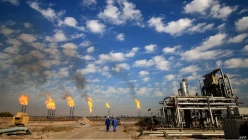
The oil sector contributes roughly 50% of gross domestic product and nearly 90% of state revenues, yet employs only a limited share of the workforce. This disparity has expanded the public payroll while leaving a persistent gap between labor supply and demand. Salih linked sustainable job creation to diversifying income sources, strengthening manufacturing and agriculture, supporting small and medium-sized enterprises, and aligning educational outputs with market needs.
Economic and Social Implications
Economic expert Hilal al-Taan told our agency that youth represent “a double-edged sword,” capable of driving development if empowered but vulnerable to marginalization if neglected. Continued neglect, he cautioned, could carry serious repercussions, including rising poverty, social and security instability, brain drain, and the potential exploitation of young people by extremist groups. He urged a comprehensive policy approach centered on promoting entrepreneurship, expanding vocational training, reforming education to align with modern economic demands, and providing soft loans to youth.
Meanwhile, financial expert Mohammed al-Hassani said the labor market is experiencing a contraction in hiring activity, with companies scaling back recruitment amid higher operating costs and weaker economic momentum. As a result, “many graduates are entering the workforce at a time when expansion across key sectors has slowed.”
If this pattern persists, al-Hassani cautioned, youth unemployment could rise further, urging a reassessment of economic policies and the opening of new investment avenues capable of absorbing young talent.
Officials have previously indicated that expanding private-sector investment and vocational training programs will remain central to efforts aimed at addressing youth unemployment in the coming years.
Read more: Iraq’s unemployment crisis: A European solution?
Written and edited by Shafaq News staff.