Invisible yet everywhere: Iraq’s struggle to support 4M citizens with disabilities


Shafaq News
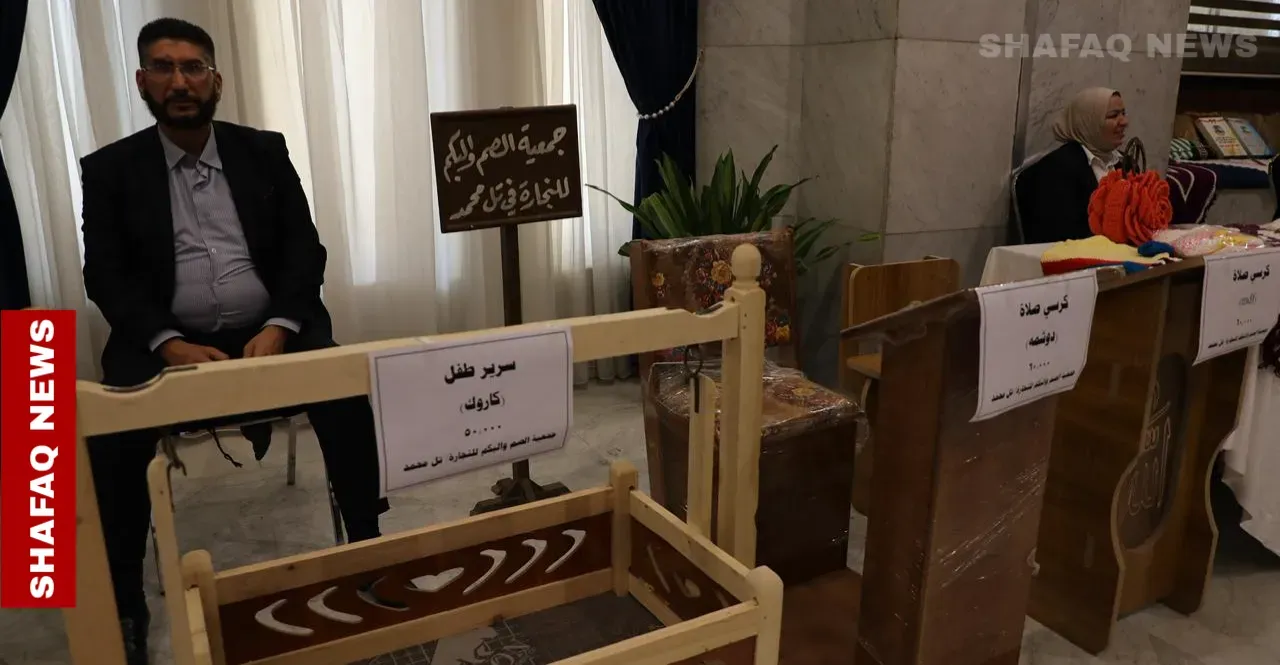
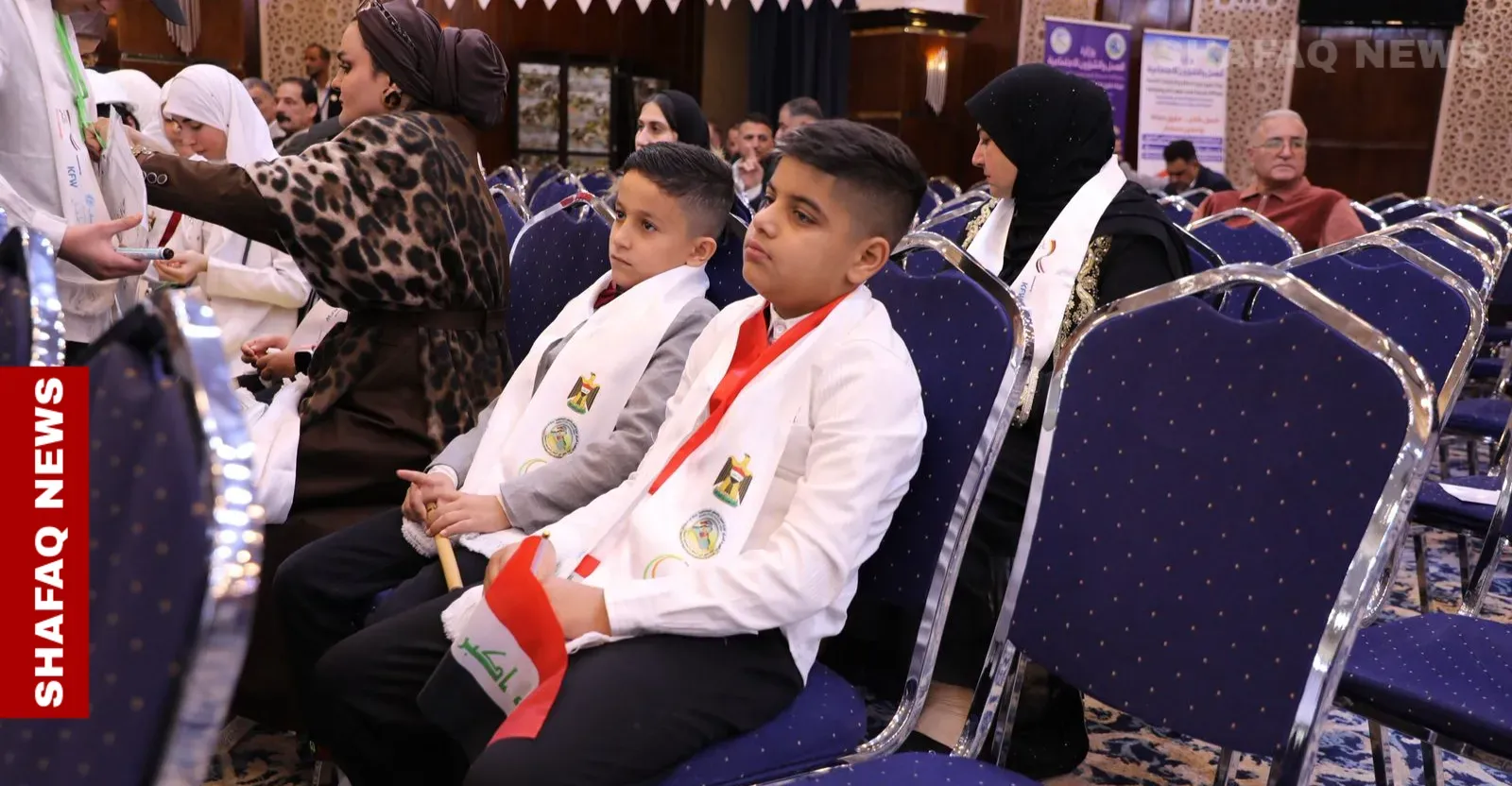
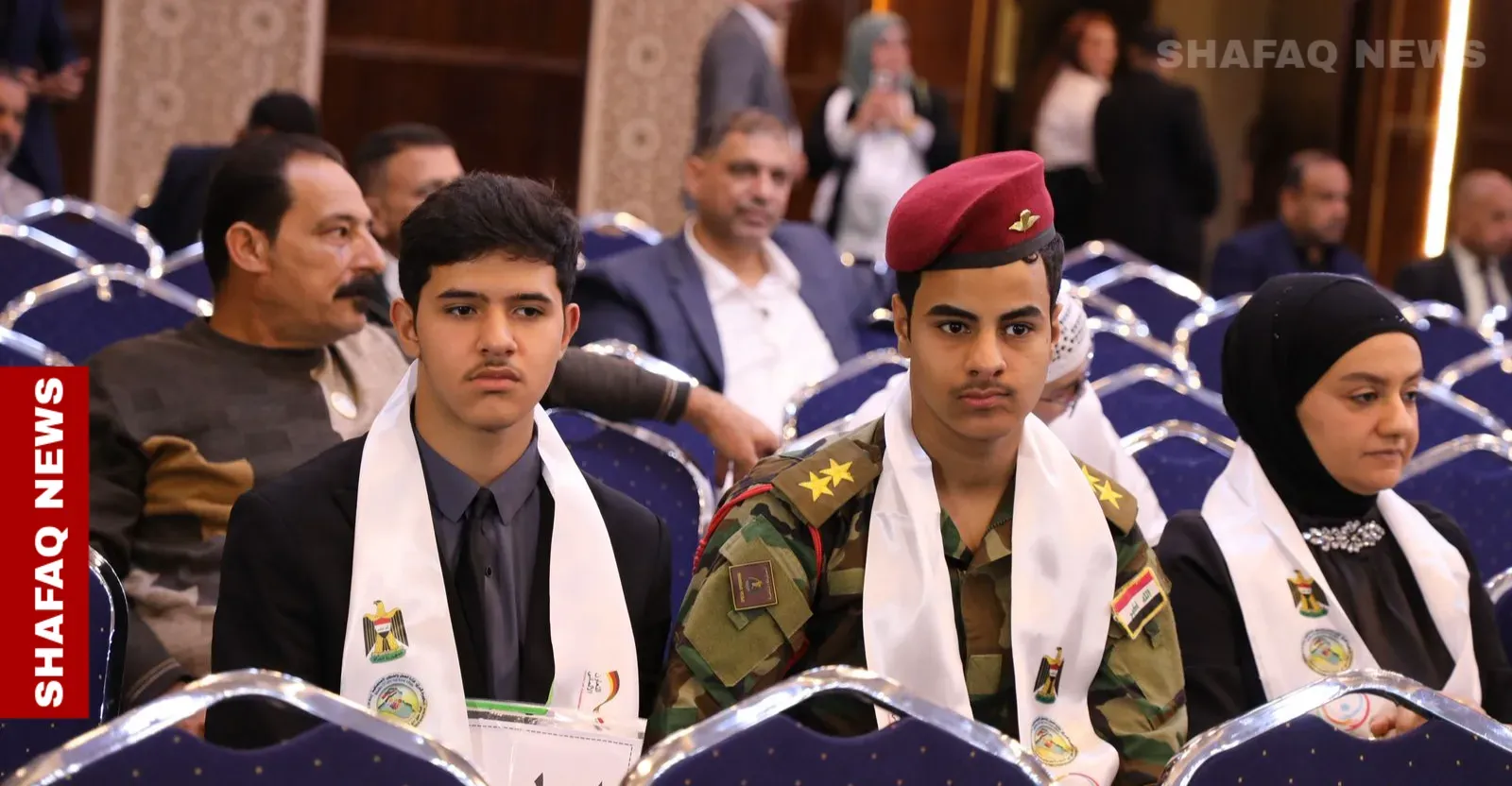
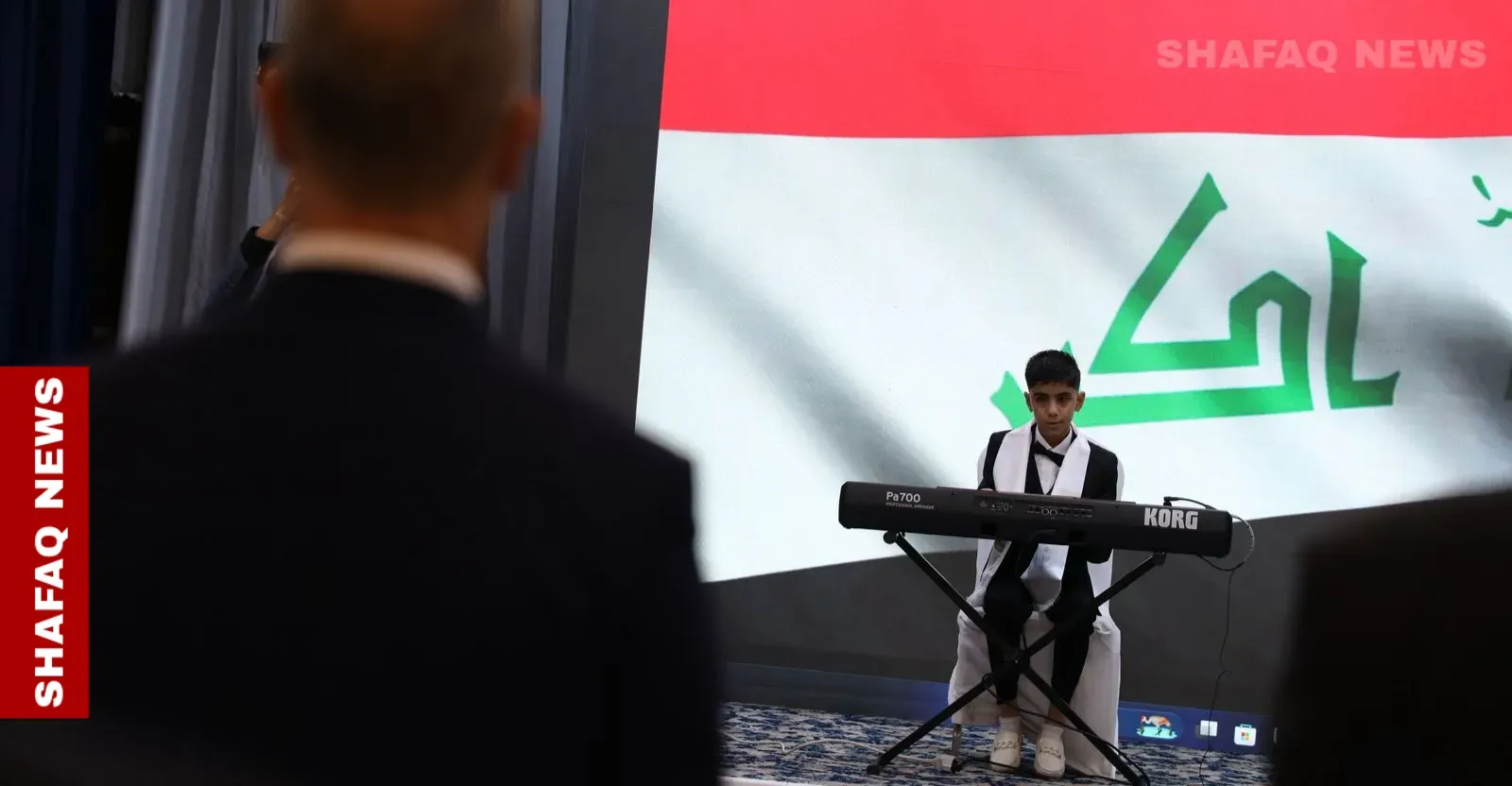
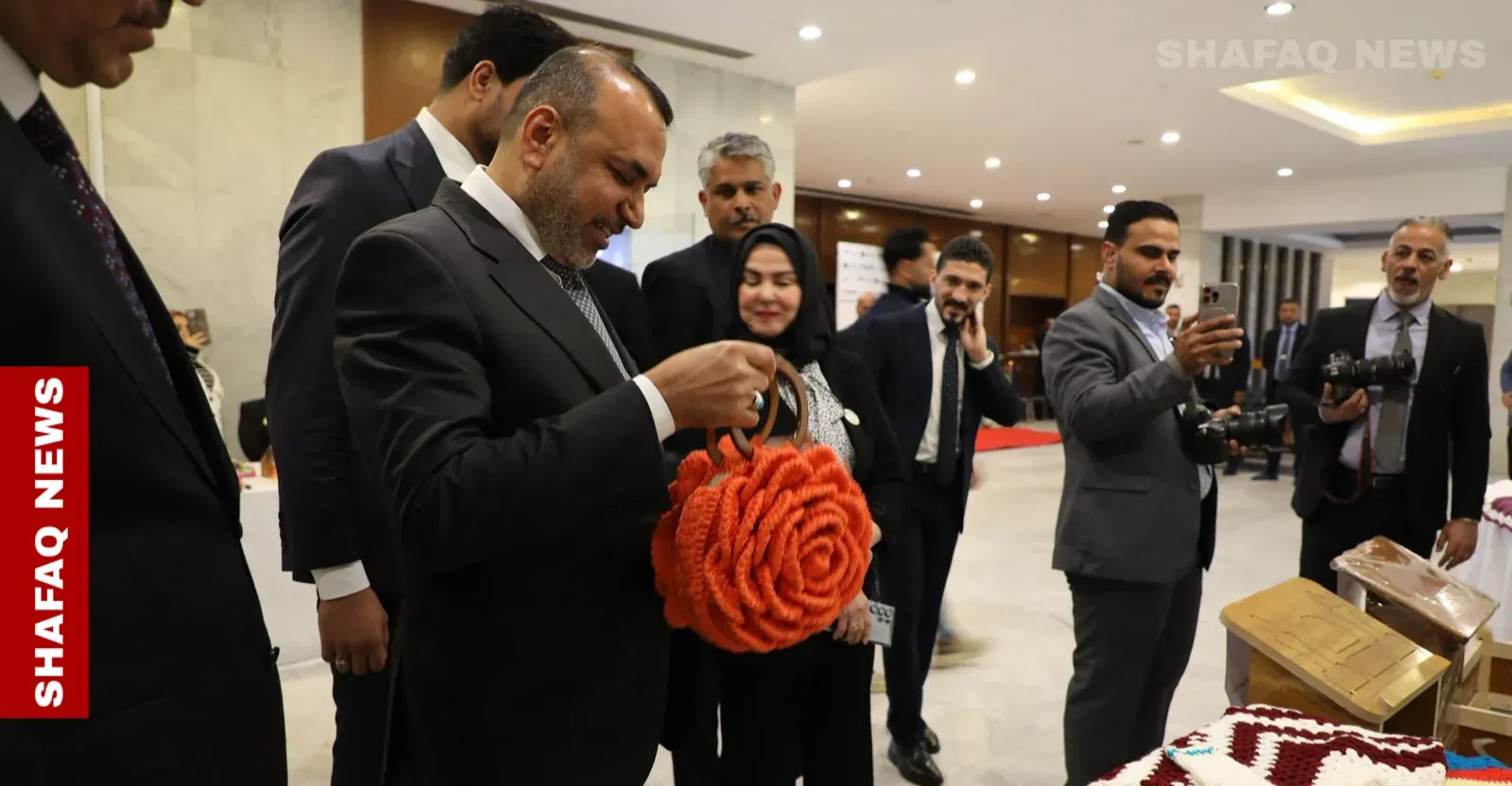
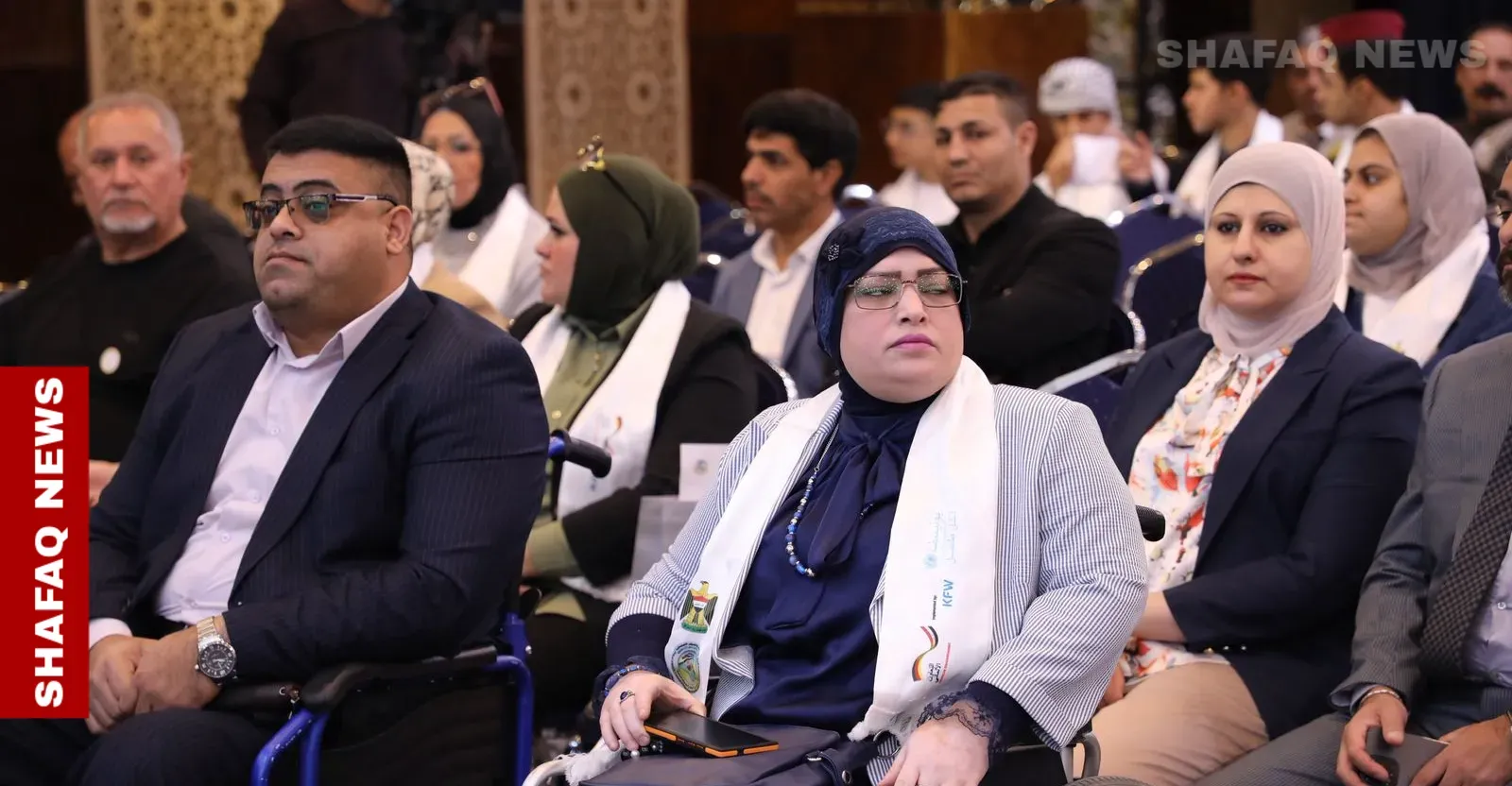
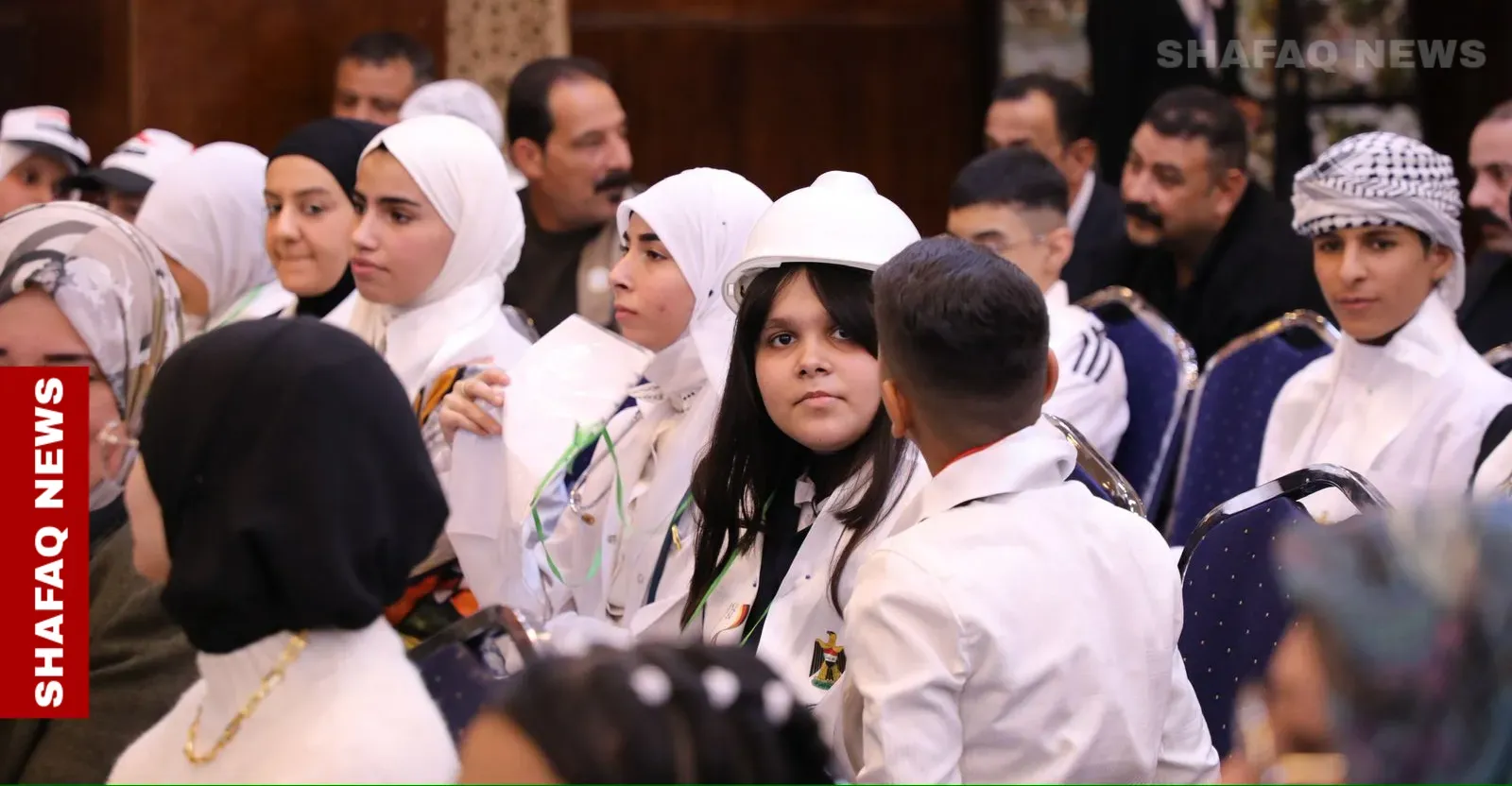
Hundreds of Iraqis with disabilities gathered at the
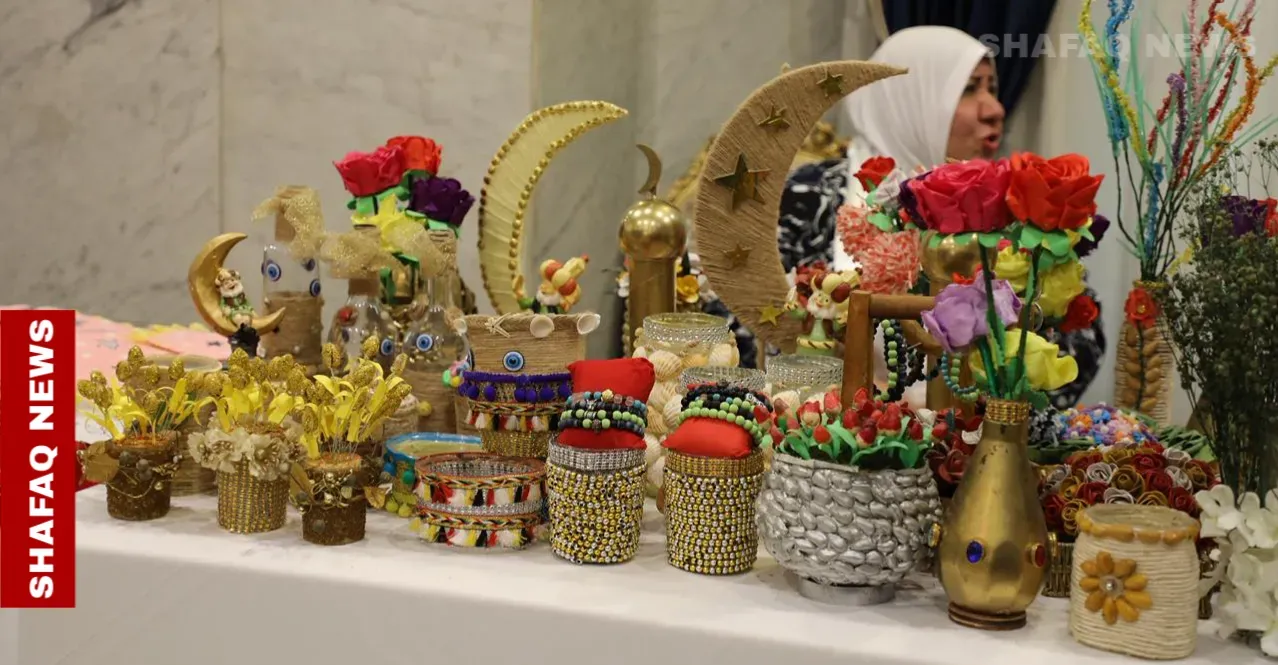
Ministry of Labor and Social Affairs, filling its halls with color,
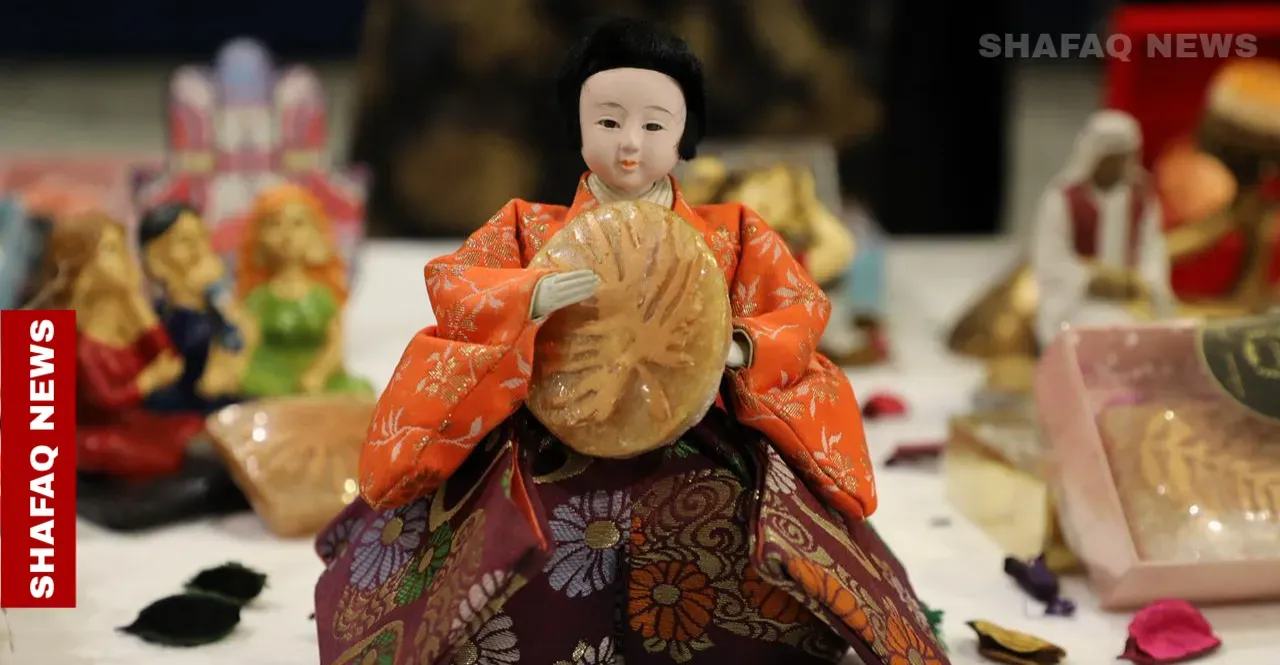
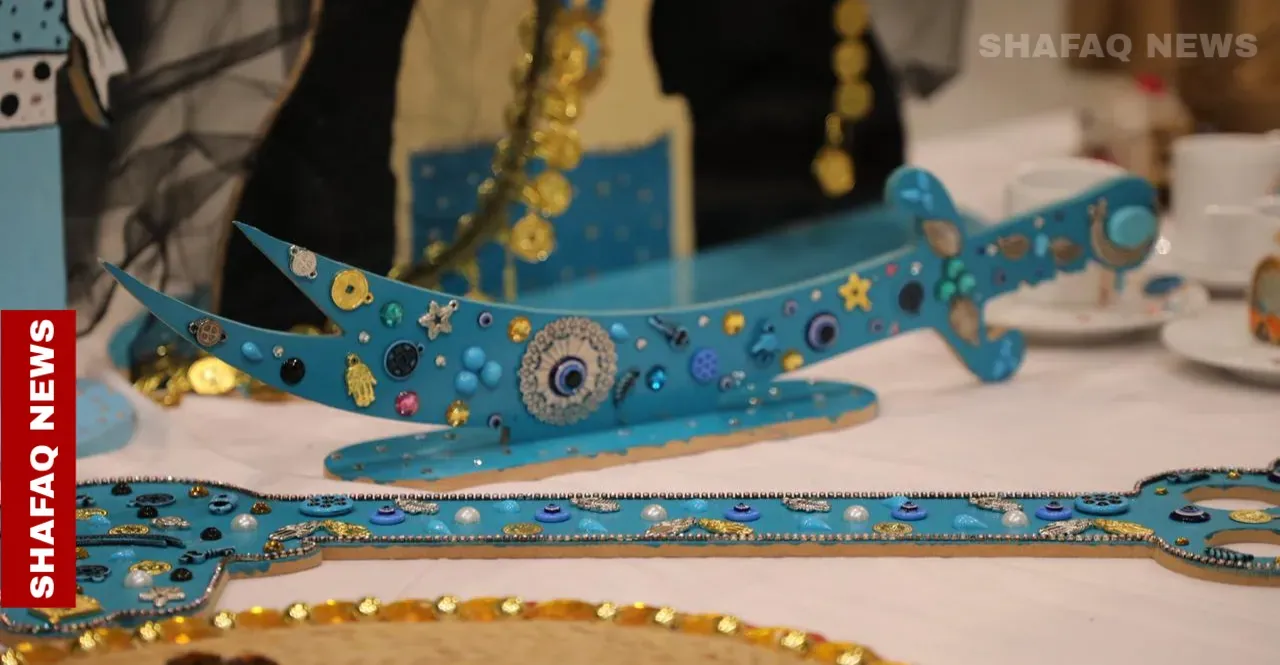
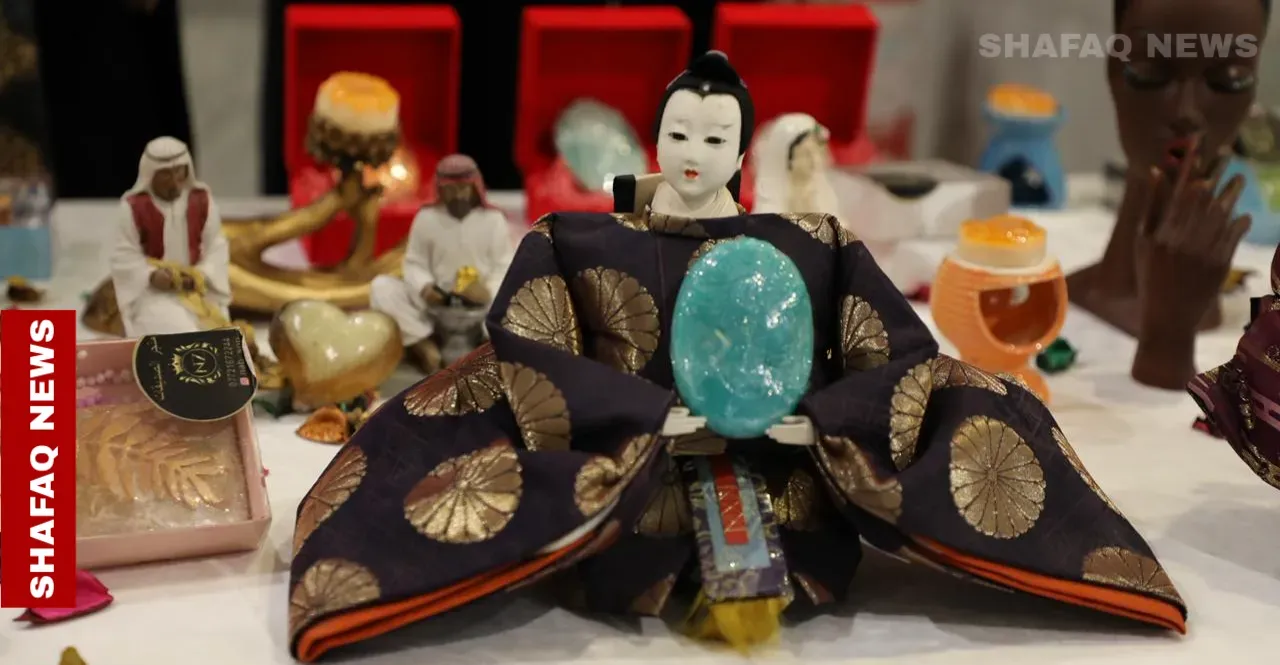
craftsmanship, and quiet persistence. Hand-woven shawls, carved wooden boxes,
and delicate ceramics displayed not only talent but also the resilience of a
community navigating one of Iraq’s most overlooked social challenges. The
event, organized for the International Day of Persons with Disabilities,
celebrated achievement — yet it also exposed the vast gaps that still define
daily life for nearly four million Iraqis with disabilities.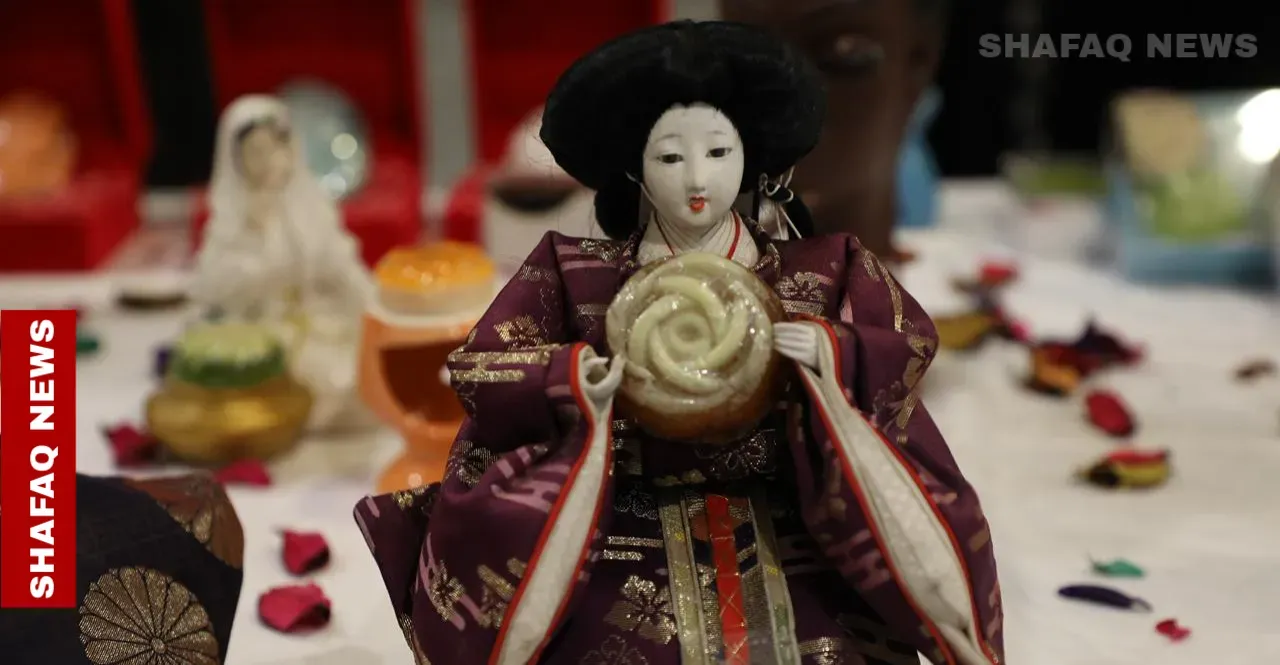
A Reality That Outpaces Policy
2024 UN-supported estimates place the number of persons with disabilities in Iraq between 4 and 4.5 million — roughly 10–12% of the population, with children making up 18%. Their conditions stem from congenital disorders, chronic illnesses, decades of war, road accidents, and explosive remnants of conflict.
During the ministry’s celebration, officials unveiled the 2026–2029 national initiative to support and empower persons with disabilities, promising rehabilitation, training, and pathways into the labor market. But the scale of need far exceeds the pace of progress.
Hassan Khawwam, spokesman for the Ministry of Labor, told Shafaq News, “These events are not just ceremonial. They are opportunities to assess progress and identify where we are failing to support our citizens.”
The Law Is Clear, The Implementation Is Not
Iraq’s amended Law No. 38 of 2013 grants full pensions and comprehensive benefits to those with a disability rating of 75% or above. Those below that threshold receive partial support such as school-fee exemptions, free travel tickets for themselves and caregivers twice a year, permission to import a car every five years, tax exemptions, and expanded access to healthcare and education.
However, the gap between legislation and lived experience
remains wide. As Khawwam acknowledges, “The law is clear, but implementation is
uneven. Bureaucracy, limited budgets, and inconsistent enforcement often
determine who truly benefits.”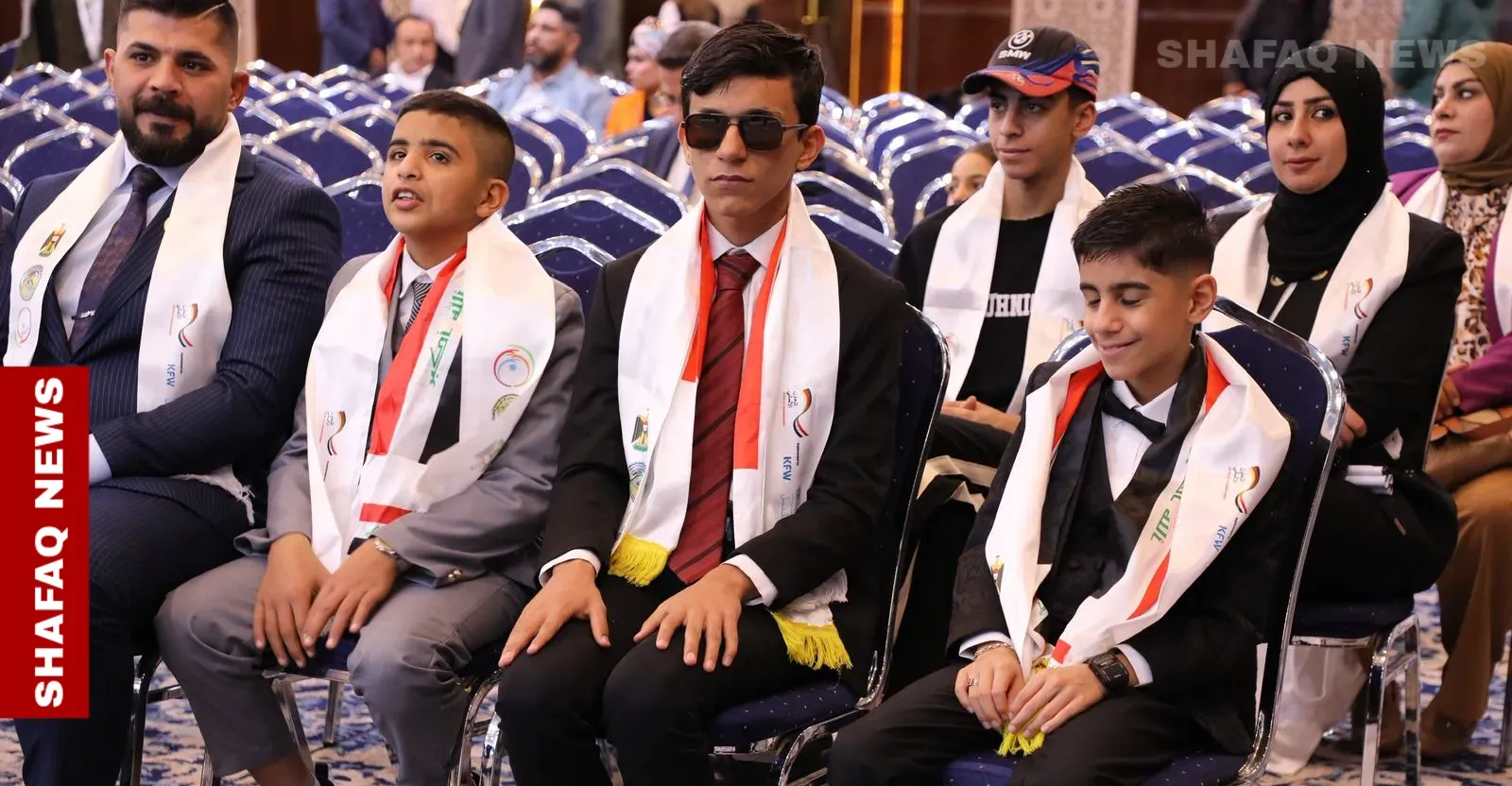
Quotas Without Impact
Employment laws require private companies to reserve 3% of jobs for disabled individuals and public institutions to allocate 5%. There are also provisions related to residential land. In practice, however, these mechanisms have produced minimal results: only 1,434 people have been employed through public-sector quotas since 2019, and fines for private-sector violations — 500,000 Iraqi dinars ($380) per case — remain largely unenforced.
Many businesses cite inaccessible facilities or limited training as reasons for noncompliance, while others simply ignore the requirements due to weak enforcement. Existing vocational programs cannot meet national demand, leaving many Iraqis with disabilities dependent on home-based work or family support.
The handicraft bazaar itself is a reflection of this dynamic: carpets, knitted garments, wooden carvings, and ceramics display exceptional talent, yet most artisans lack access to stable markets or sustained income beyond occasional events.
Nahla Muayyad, one of the event’s attendees, summarized the community’s mixed feelings. “Support and integration are slowly improving,” she said, “but employment, specialized schools, and proper healthcare remain scarce. We see progress, but it is too slow to meet our needs.”
A Fragmented Support Network
Across Iraq, services remain limited. Only 19 registered organizations assist persons with disabilities — three in Baghdad and two in Erbil — supported by 48 rehabilitation centers nationwide. That means roughly one center for every 94,000 people with disabilities. Rural areas, in particular, often lack even basic services.
The needs, according to the ministry, are diverse:
• 42% have physical or mobility impairments
• 21% have learning difficulties
• 15% experience visual impairments
• 9% have hearing impairments
• 6% live with intellectual or severe disabilities
Each group requires tailored programs, yet specialized
services outside major cities are scarce. Over 600,000 Iraqis need physical
rehabilitation, while more than 200,000 require prosthetics or orthoses. Even
in Baghdad, overcrowded clinics delay treatment. In Erbil, the rehabilitation
center operating since 1996 has treated 16,407 people, including 8,200 amputees
— one-third injured by landmines or conflict — but thousands across Iraq still
lack basic care.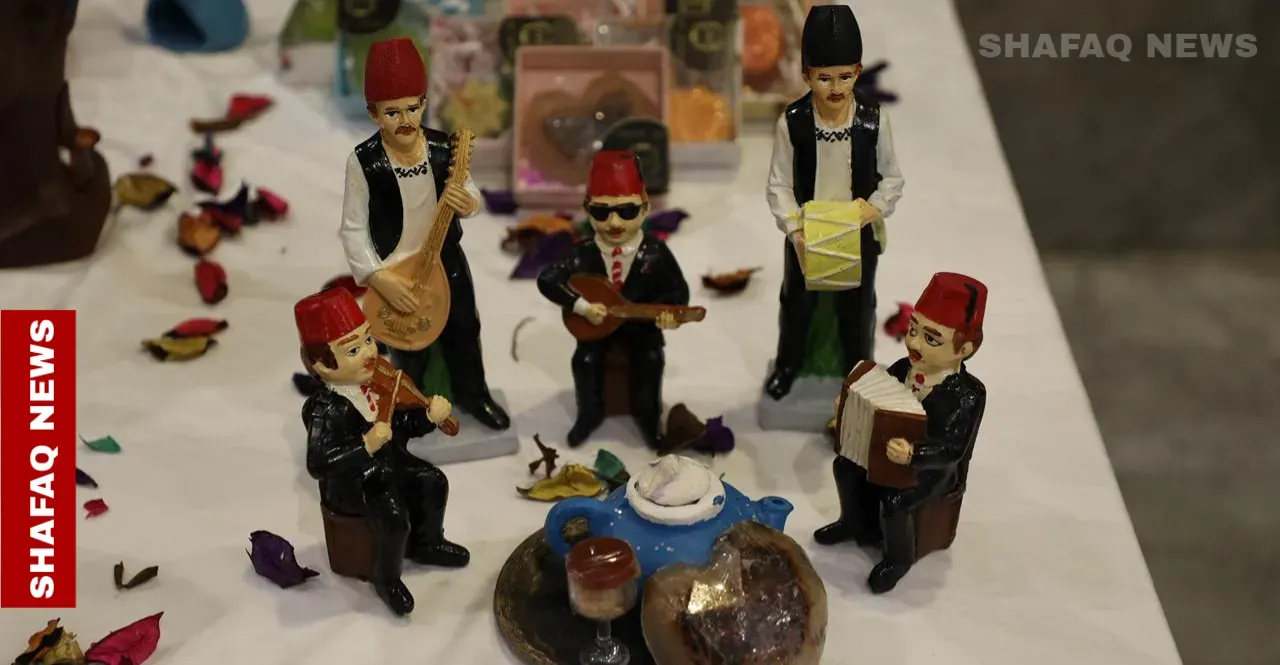
Children at the Greatest Risk
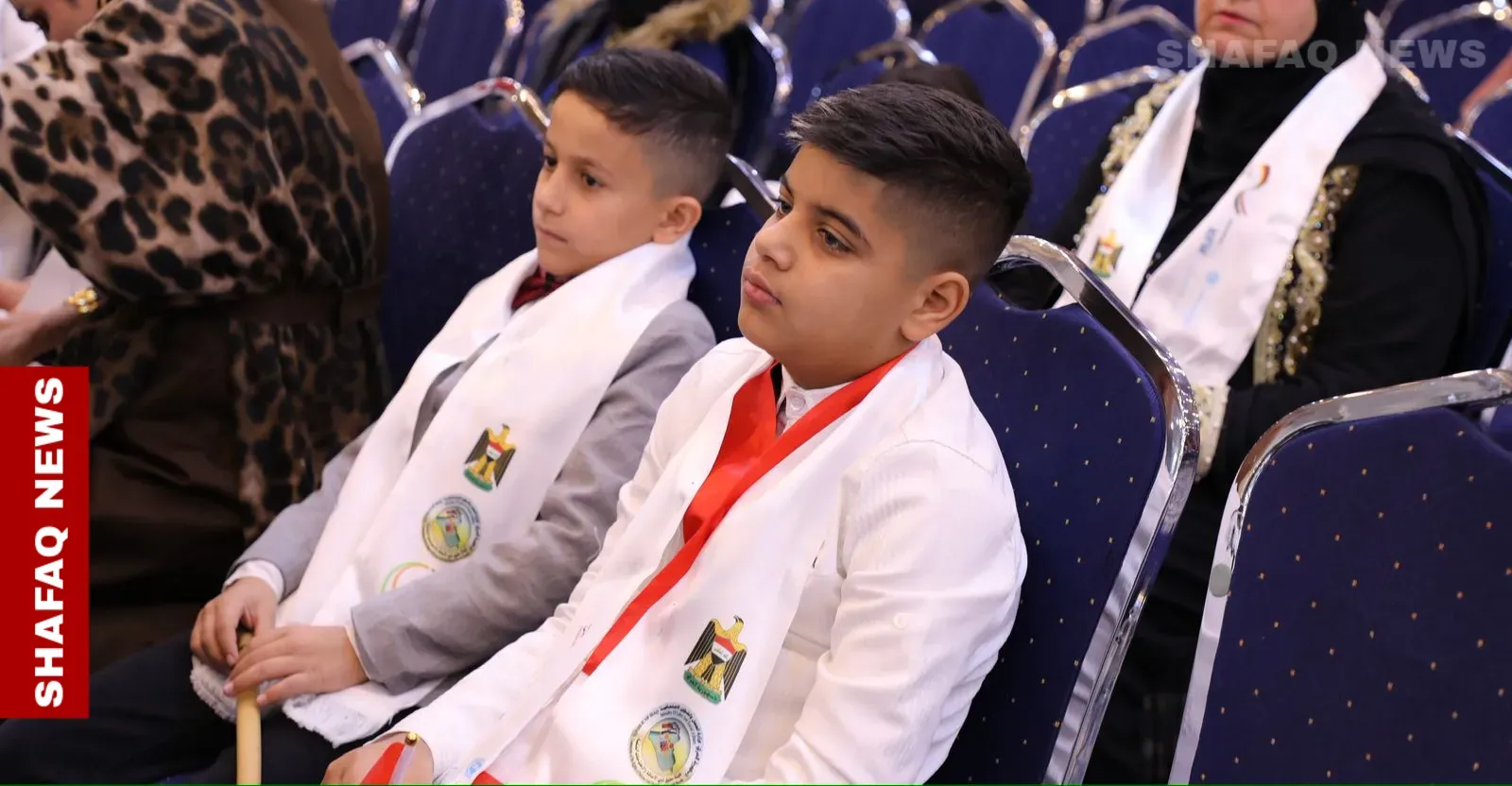
Children with disabilities are the most vulnerable group. Christian Skog, UNICEF’s representative in Iraq, describes them as “the most at-risk group.”
UNICEF and UN agencies work to integrate these children into education, healthcare, and community life, often introducing global programs and technologies while urging Iraqi authorities to adopt long-term, stable budgets.
The potential benefits are immense: investing in children
with disabilities strengthens Iraq’s future human capital and improves
individual lives. But classrooms often lack proper accommodations for hearing,
visual, cognitive, or mobility impairments. Teachers rarely receive specialized
training, and accessible learning materials are limited. As a result, many
children remain excluded from formal education, setting them on a path toward
lifelong marginalization.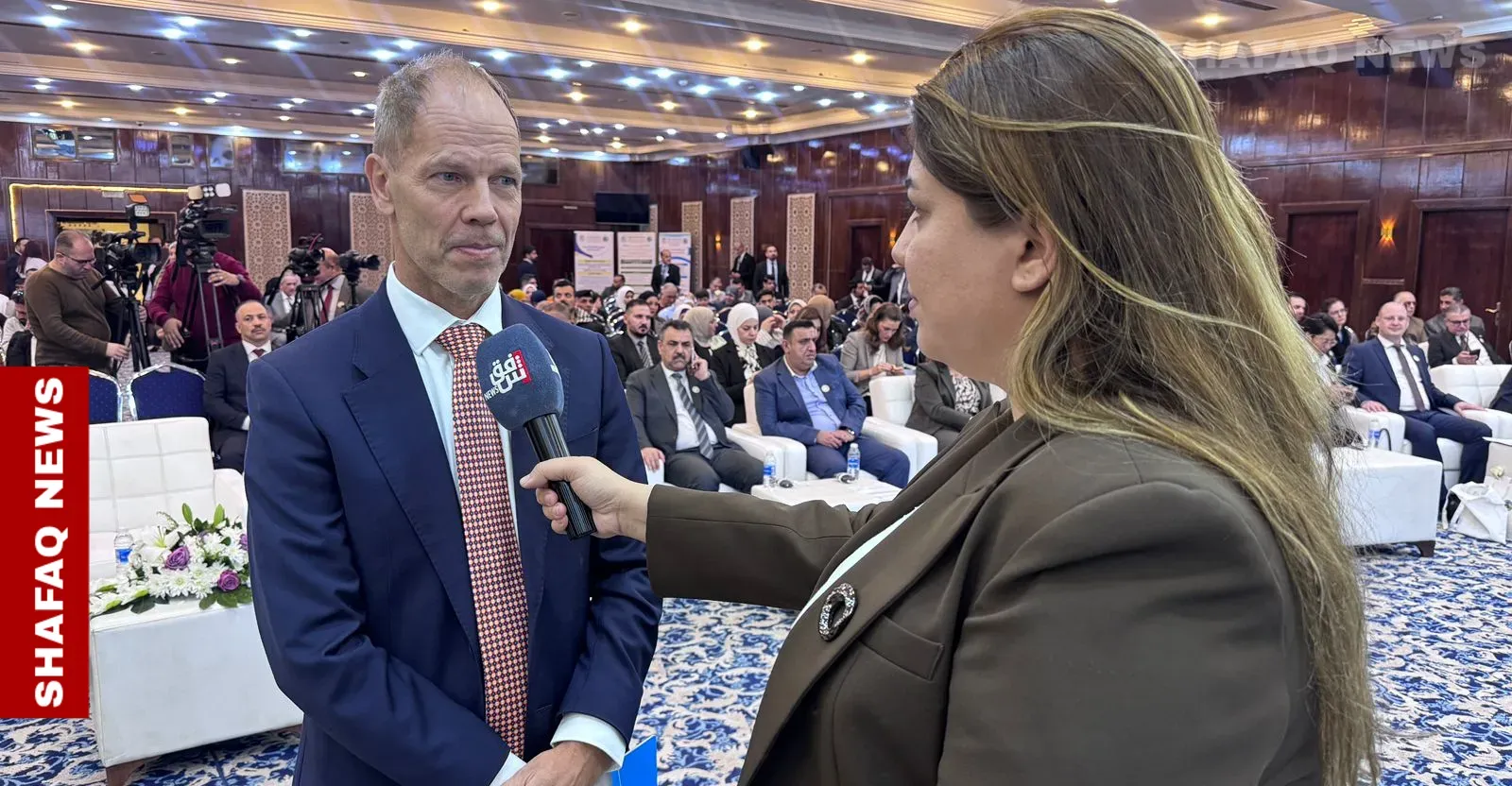
A Step Forward, Miles to Go
Zekra Abdulrahim, chairwoman of the Persons with Disabilities Commission, noted that 19,000 individuals have enrolled in free health insurance, a modest gain measured against the millions still waiting for support.
Yet even this small advance carries meaning. Across Iraq, people with disabilities continue to navigate classrooms not designed for them, jobs that remain out of reach, and systems that struggle to see them fully. Their persistence — woven into every shawl, etched into every carving, carried in every daily effort — is a reminder that they are not seeking special treatment, only the chance to live with dignity in a country still learning how to include them.
Written and edited by Shafaq News staff.