Historic Baghdad house of Agatha Christie nears ruin
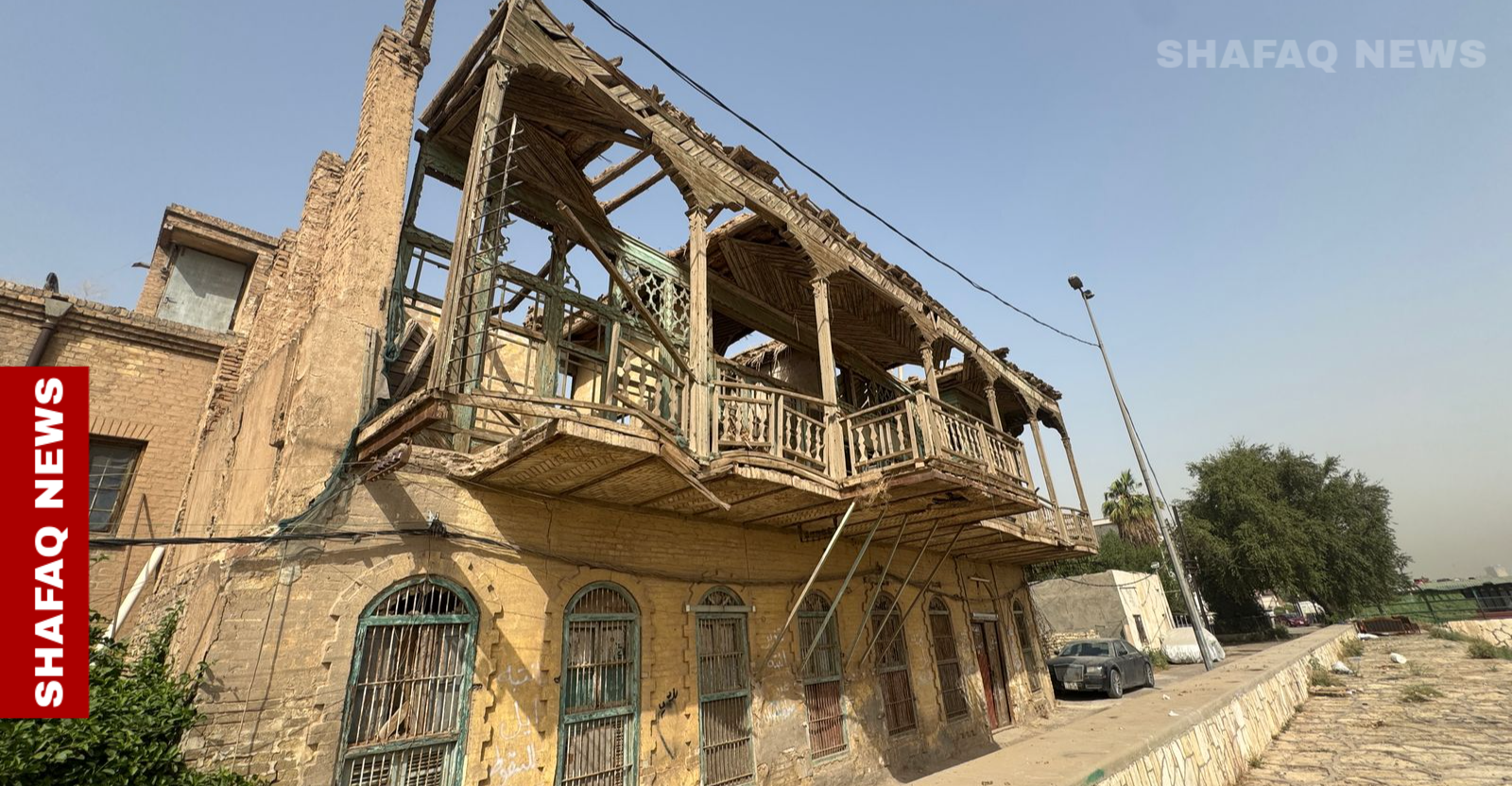


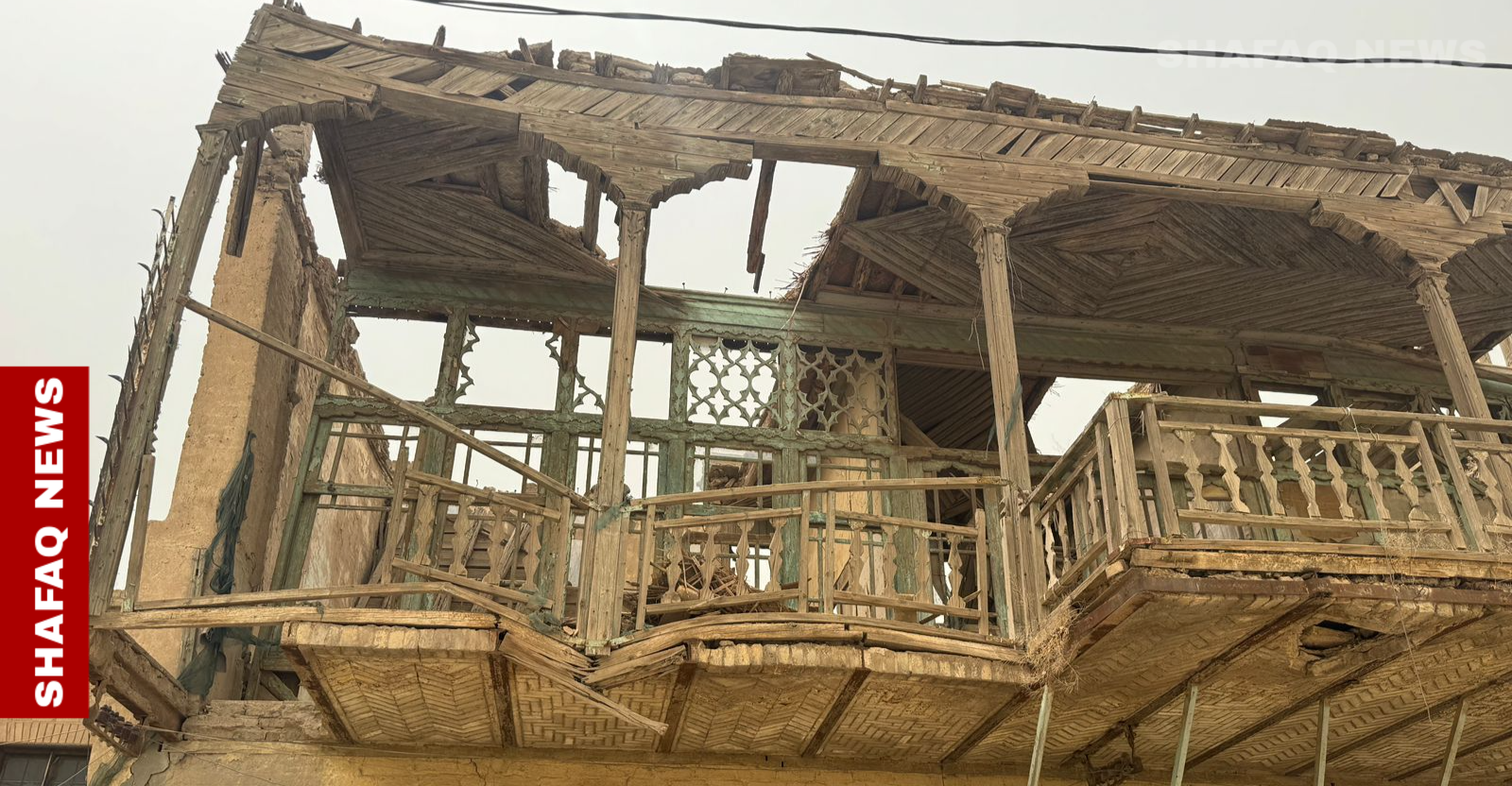
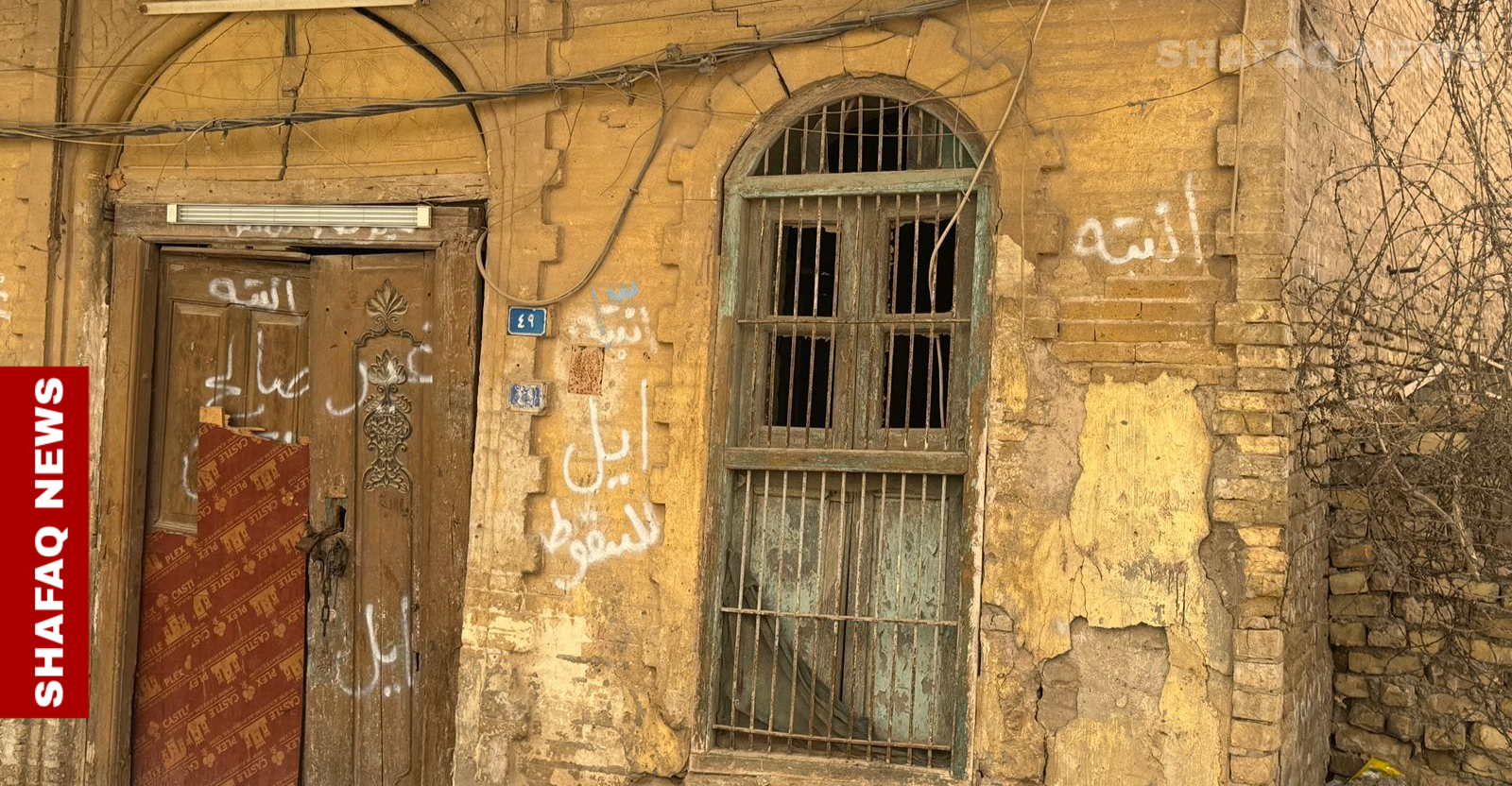
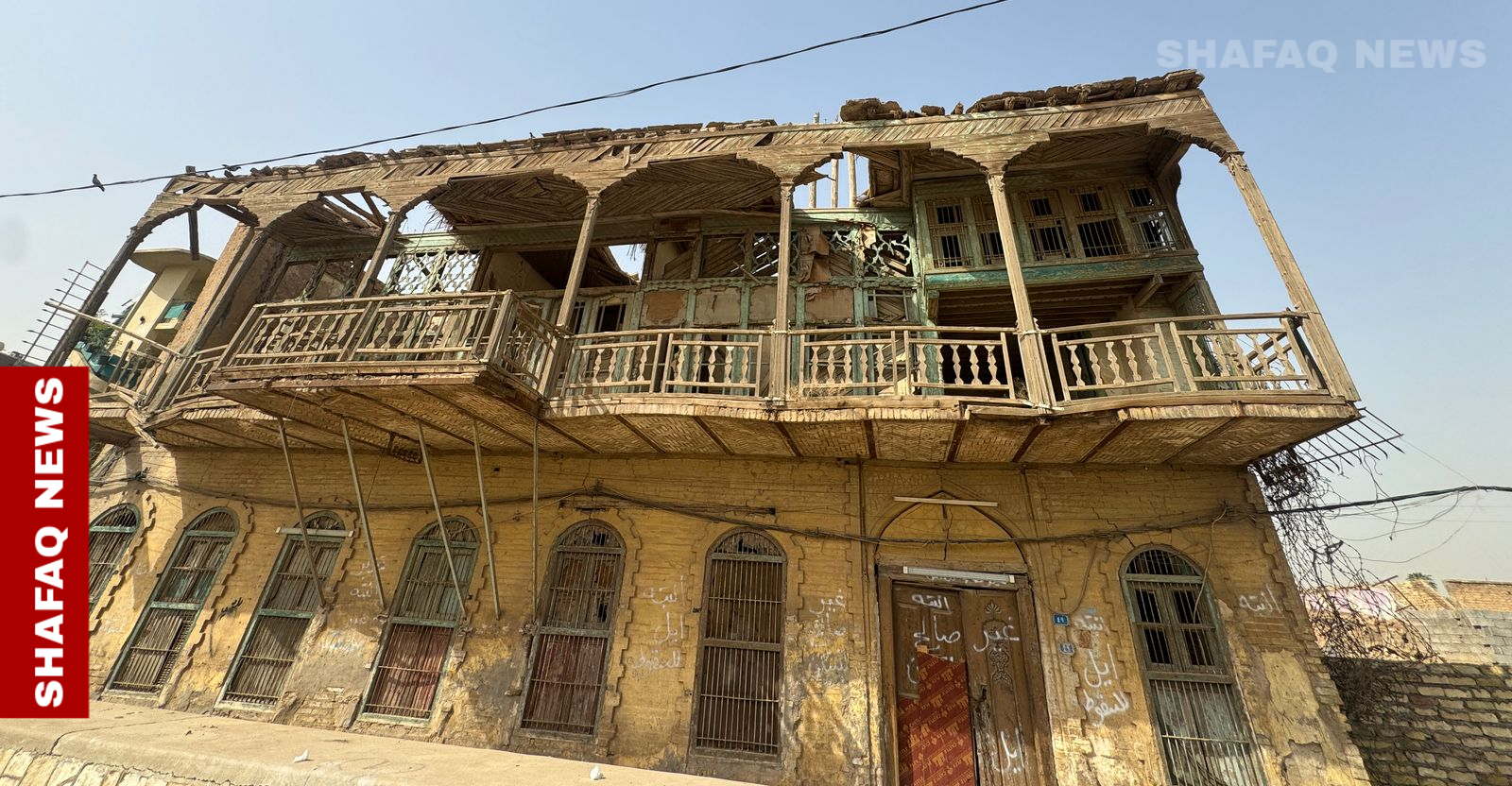
Shafaq News/ Overlooking the Tigris River in the Karadat Maryam district of western Baghdad, a once-grand Ottoman-era house bearing the warning “Danger: At Risk of Collapse” continues to quietly mark a forgotten chapter of literary and archaeological history.
This
now-dilapidated building once hosted famed British crime novelist Agatha
Christie and her archaeologist husband, Max Mallowan, during their excavation
expeditions across Iraq and Syria in the mid-20th century.
A Source of
Inspiration
Christie,
who authored 66 detective novels and 14 short story collections, stayed at the
house during her time with the British archaeological mission in Nineveh.
Scholars and biographers note that the Baghdad residence heavily influenced her
work, with references to it appearing in her novel They Came to Baghdad.
Iraqi
archaeologist Mehdi Al-Badiri said the house previously belonged to Prince Ali
bin Al-Hussein, the brother of King Faisal I of Iraq. “Christie called it the house
of the king in her novel.”
The novelist
herself reminisced about the home in her autobiography, describing it as “a
delightful old Turkish house on the west bank of the Tigris.” She wrote fondly
of its cool courtyard, high palms brushing the balcony, and the surrounding
date groves watered by small canals.
An
Endangered Cultural Treasure
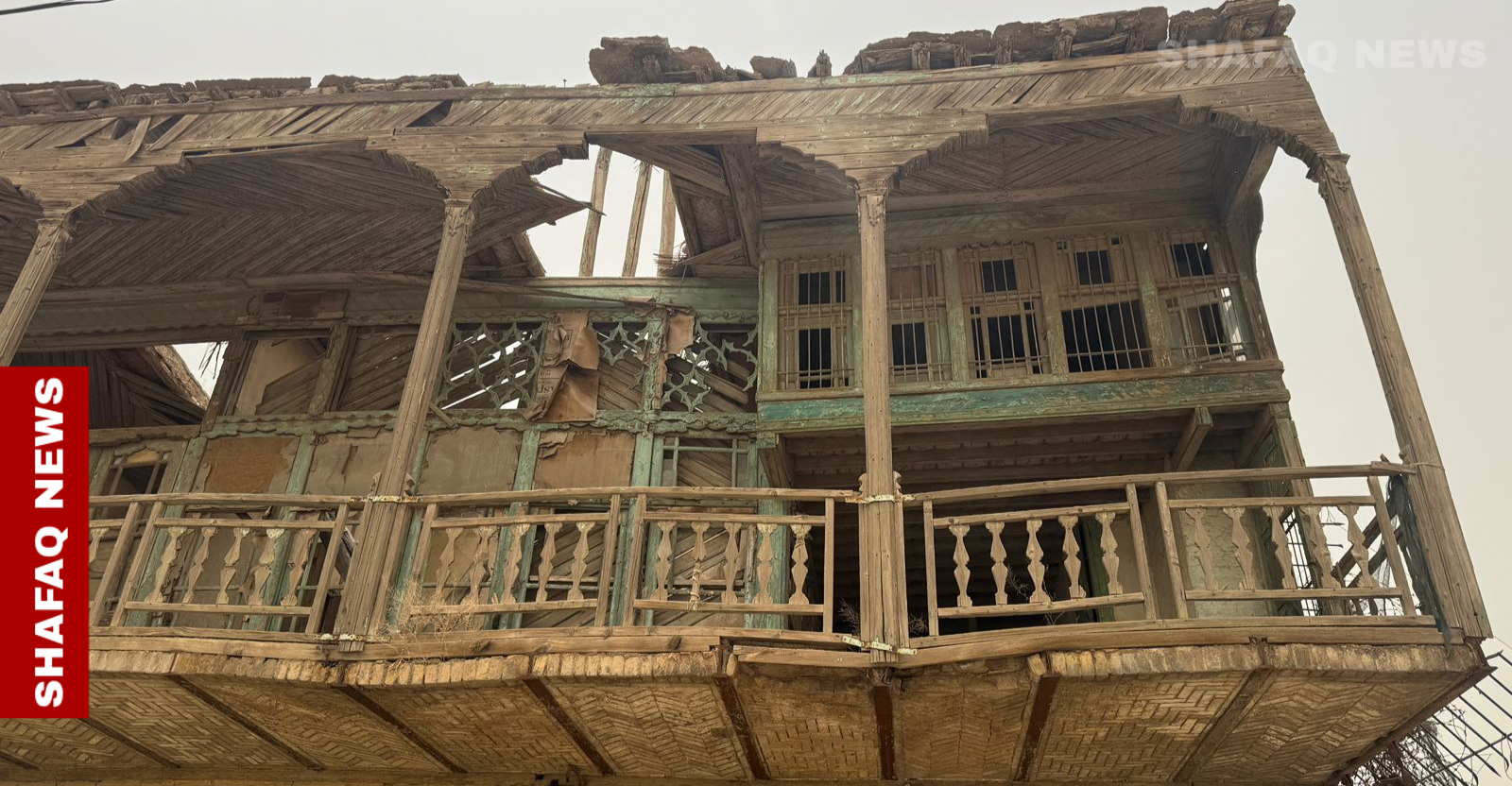
The home,
once described by late Palestinian writer Jabra Ibrahim Jabra as “one of the
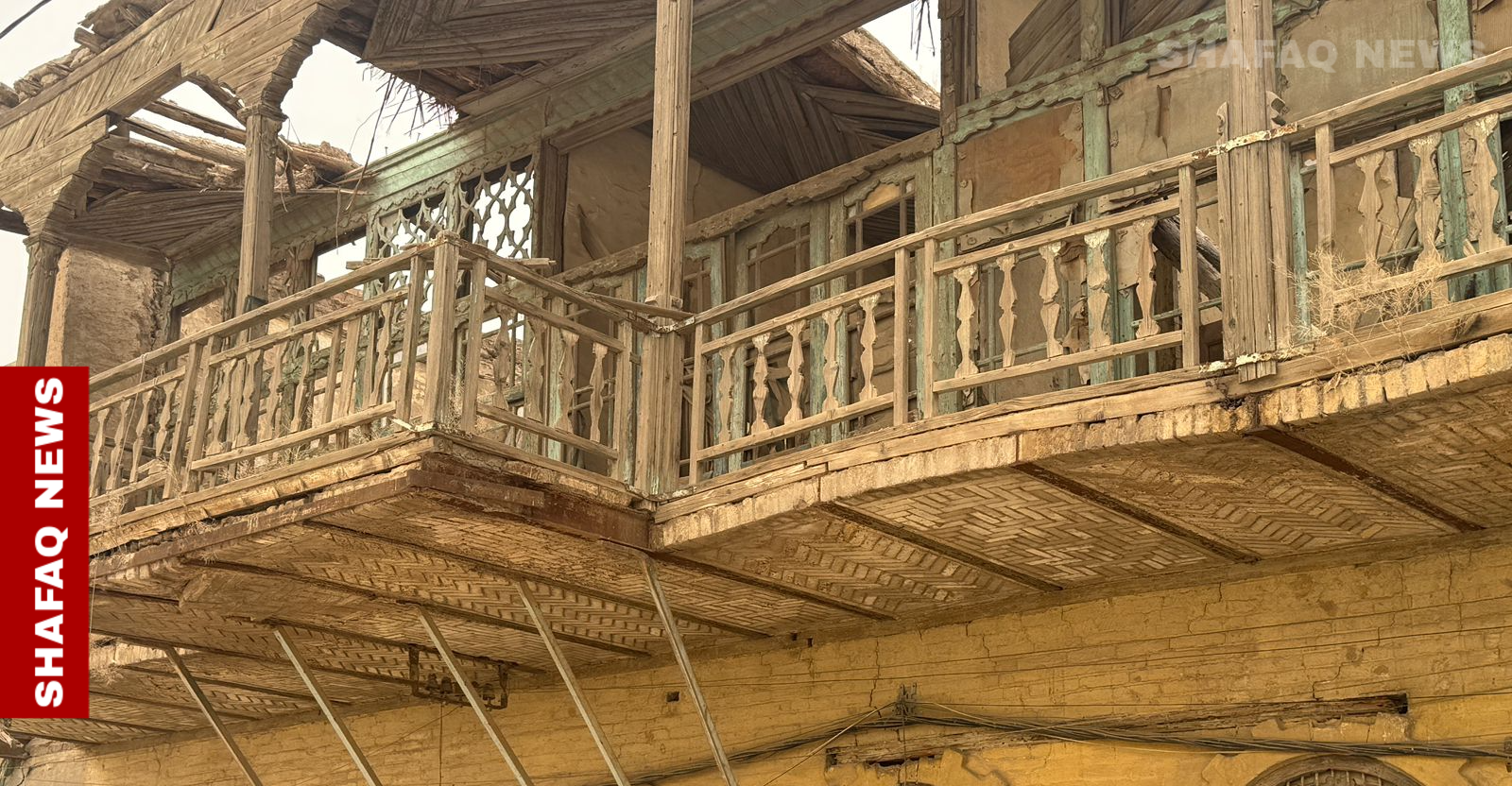
finest Ottoman-era houses,” features a two-story layout with wooden ceilings, a
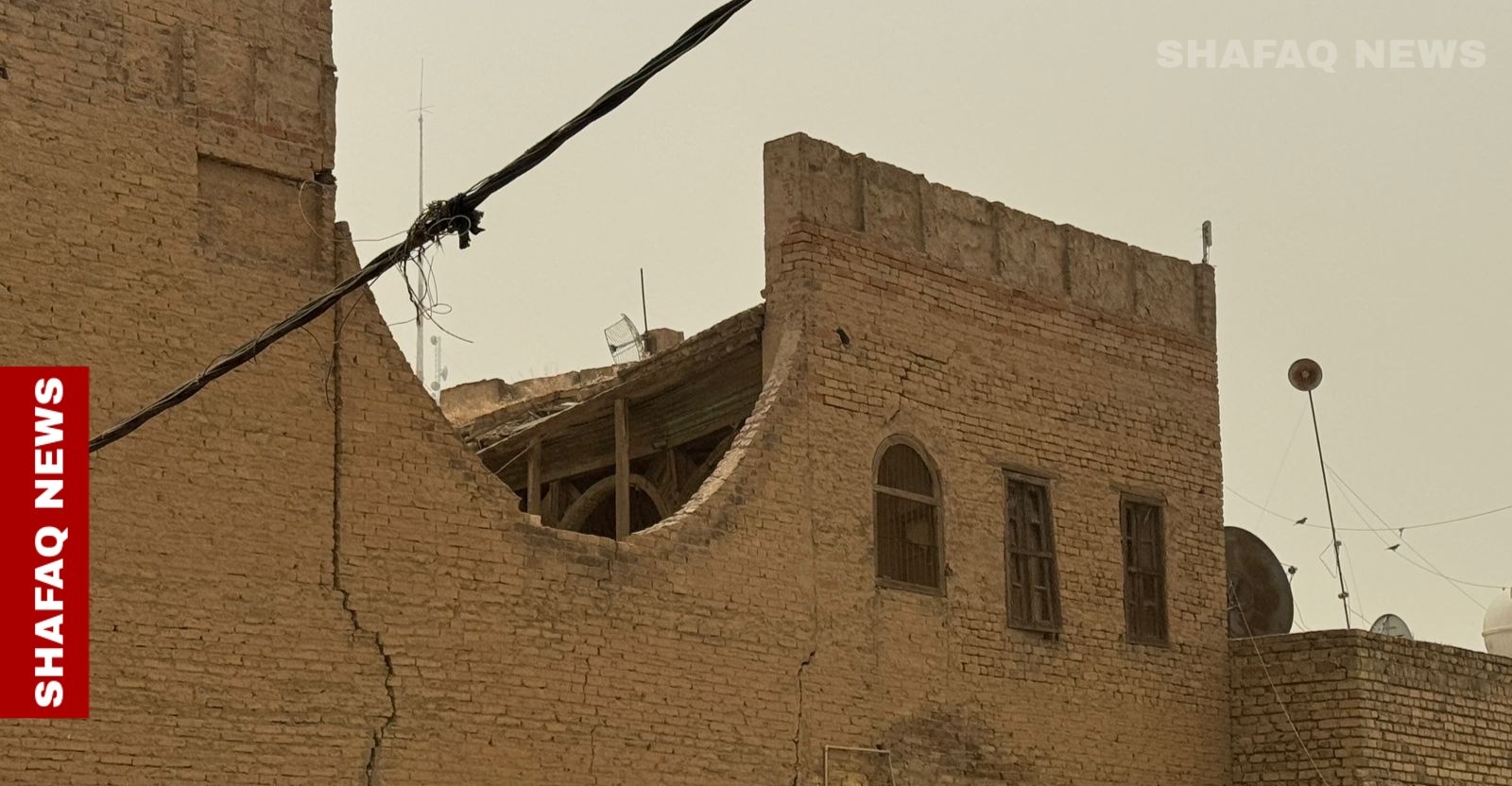
narrow upper balcony, and a courtyard flanked by towering date palms. However,
parts of the roof have collapsed, and its structural integrity now poses a
danger to pedestrians and nearby buildings.
Local
activist Dhekra Sarsam, who lives adjacent to the house, confirmed its
deteriorating condition. “It’s beautiful, but the upper level is collapsing.
It’s dangerous,” she told Shafaq News.
A Literary
Landmark in Decay
From the
outside, the house appears fragile and partially ruined, yet passersby still
regard it as one of the most beautiful buildings on the street.
“This house
is a registered heritage property, but it remains under private ownership,”
said Iyad Kazem, Director General of the State Board of Antiquities and
Heritage, in comments to Shafaq News. “According to Law No. 55 of 2002, public
funds cannot be allocated to restore private properties unless legally
acquired.”
Kazem
explained that the government has repeatedly offered to purchase the house from
its current owner, Humam Al-Qaraghouli, who has consistently refused. “He
insists on restoring it himself in cooperation with international
organizations,” Kazem said, noting that recent contact with the owner was made
through the Prime Minister’s Office just last month.
Preservation
Challenges
The home’s
future remains uncertain. Al-Qaraghouli, the current owner, said he purchased
the property three years ago and has recently agreed with the British Embassy
in Baghdad to collaborate on its restoration.
Meanwhile,
heritage advocates express frustration with laws that prevent intervention in
privately owned historic buildings. “Many important sites like this one remain
off-limits to restoration,” said cultural expert Amer Junaid, calling for
updated legislation to enable public-private partnerships in heritage
preservation.