Gaza's spiral: Famine and conflict lead to irreversible collapse


Shafaq News
Nearly 10% of Gaza’s 2.3 million residents had been killed or wounded in Israel’s ongoing military campaign, as famine, displacement, and the systematic destruction of health and economic infrastructure pushed the enclave toward irreversible collapse.
Gaza’s Health Ministry reported at least 60,034 fatalities and 144,870 injuries since October 7, 2023. More than 30% of those killed were children, over 16% were women, and 7% elderly—figures that collectively made up the majority of the dead. However, those numbers were likely incomplete.
Speaking to Shafaq News, Salah Abdel-Ati, head of the International Commission to Support the Palestinian People’s Rights, estimated that over 75,000 had been killed and more than 145,000 wounded, attributing the underreporting to the destruction of civil registries, mass graves, and inaccessible neighborhoods.
Of the enclave’s 38 hospitals, 36 had been destroyed or disabled, leaving only two partially functional. According to the World Health Organization, fewer than 15% of Gaza’s primary care centers continued to operate — many of which were unreachable, overwhelmed, or lacked essential supplies.
Abdel-Ati emphasized that patients were now succumbing to otherwise treatable conditions, as services such as dialysis, surgery, maternity care, and cancer treatment vanished in many parts of the territory. Fuel shortages and supply blockades pushed the remaining health sector to the brink.
“The collapse of the healthcare system was causing preventable deaths every day,” he warned.
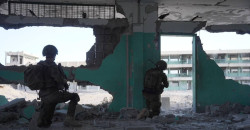
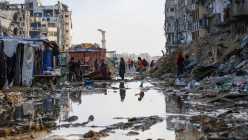
Turning to the economic toll, Abdel-Ati noted that “policies of starvation and the prevention of imports pushed prices far beyond people’s ability to pay.” He further revealed that more than 140,000 tons of explosives had leveled 95% of Gaza’s buildings and infrastructure, displacing over 90% of the population.
Earlier, the Palestinian Businessmen Association reported that over 90% of Gaza’s factories, markets, workshops, and utilities suffered damage or destruction, with the United Nations Conference on Trade and Development further estimating that economic losses had already exceeded $18 billion.
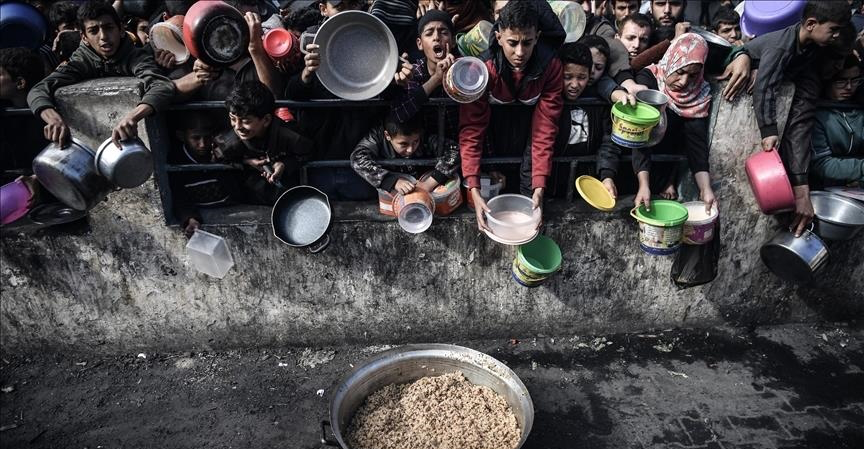
Fishing and agriculture — both critical to local livelihoods — had also been decimated. Fishing fleets were inoperable, and farmlands were razed or contaminated. Flour, when available, costs more than $30 per kilogram.
“There were no jobs, no income, and barely any food,” Abdel-Ati added, painting a bleak picture of survival on the brink.
Ceasefire Efforts Falter
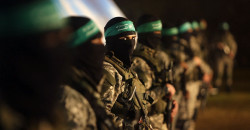
As conditions on the ground deteriorated, diplomatic efforts toward a ceasefire stalled, casting doubt on the near-term prospects for de-escalation. Khalil al-Hayya, Hamas leader, affirmed that his movement had exercised “maximum flexibility” throughout 22 months of indirect negotiations, participating in all mediation rounds initiated by regional and international actors.
While Hamas engaged in tough talks without compromising core principles, al-Hayya expressed surprise at Israel’s sudden withdrawal and the American envoy’s alignment with the occupation.
“They are prolonging the war and increasing pressure on civilians,” he argued.
Although no official announcement declared the collapse of talks, multiple sources confirmed recent progress had stalled. Analysts point to political considerations as a key factor behind the breakdown, rather than mere deadlock.
Egyptian military analyst General Samir Farag traced the stalemate to Israeli domestic politics. He explained to Shafaq News that the Israeli Prime Minister Benjamin Netanyahu refuses any ceasefire out of fear it could lead to his removal from office and prosecution over several cases.
With no results on freeing hostages, defeating Hamas, or seizing Gaza, Farag believes Israel is prolonging the conflict to shift political pressure and exhaust Hamas militarily.
“There is a clear effort to pressure Hamas through starvation and exhaustion, while exploiting internal Palestinian divisions,” Farag added, highlighting how the Palestinian Authority in Ramallah continues to view Hamas as the root of the crisis, demanding its exit from Gaza and the release of remaining hostages.
Written and edited by Shafaq New staff.