Discover Iraq: Duhok —haven and hardship in Iraqi Kurdistan's frontier


Shafaq News
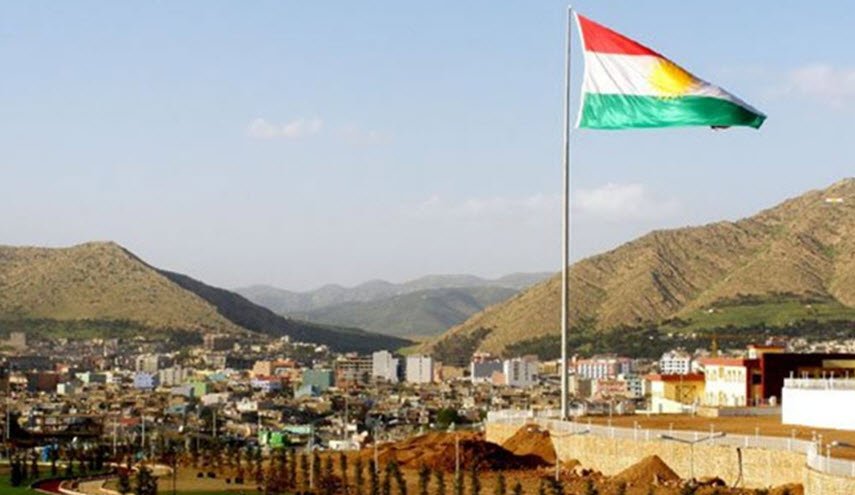
Tucked into Iraq's far north-western corner, Duhok is a province defined by contradiction. Bordered by Turkiye and Syria, and nested within the Kurdistan Region, it has long absorbed the movements of armies, empires, and refugees. Today it absorbs something else: the weight of displacement without resolution, development without stability, and beauty without peace.
Woven Identities
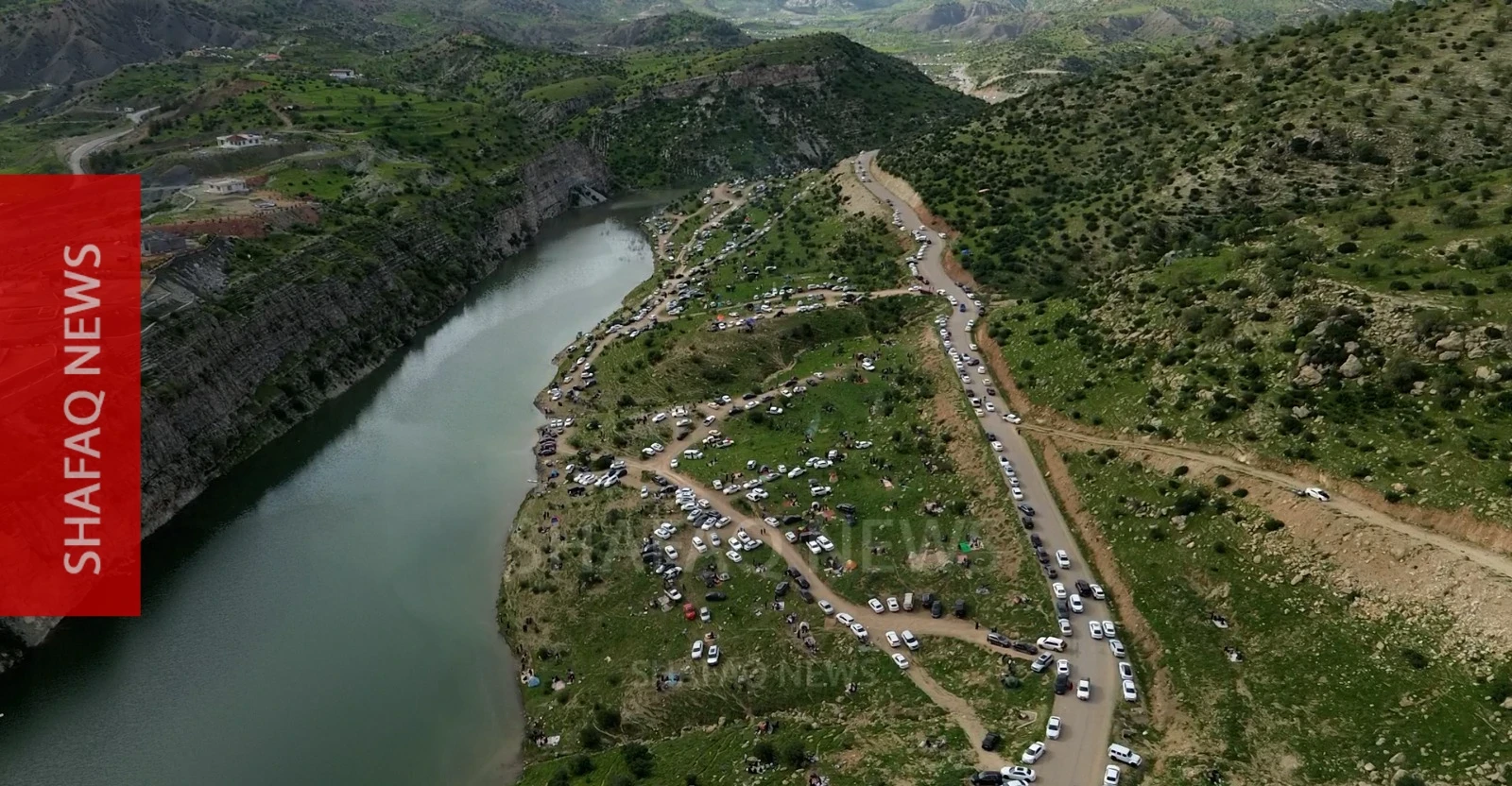
Duhok spans 6,553 square kilometers of jagged mountains, fertile valleys, and two vital rivers, the Great Zab and the Khabur. The province is divided into five districts: Duhok, Zakho, Al-Amediya (Amedi), Akre, and Sheikhan, each with its own historical character.
Its population, estimated at over 1.5 million, is predominantly Kurdish, with Kurmanji as the primary spoken dialect. But Duhok is also home to Yazidis, Assyrians, Chaldeans, Armenians, and Arabs, communities that have coexisted for generations in an arrangement that is diverse by history and fragile by circumstance.
Read more: Duhok begins restoration of six key archaeological sites
Scars of Displacement
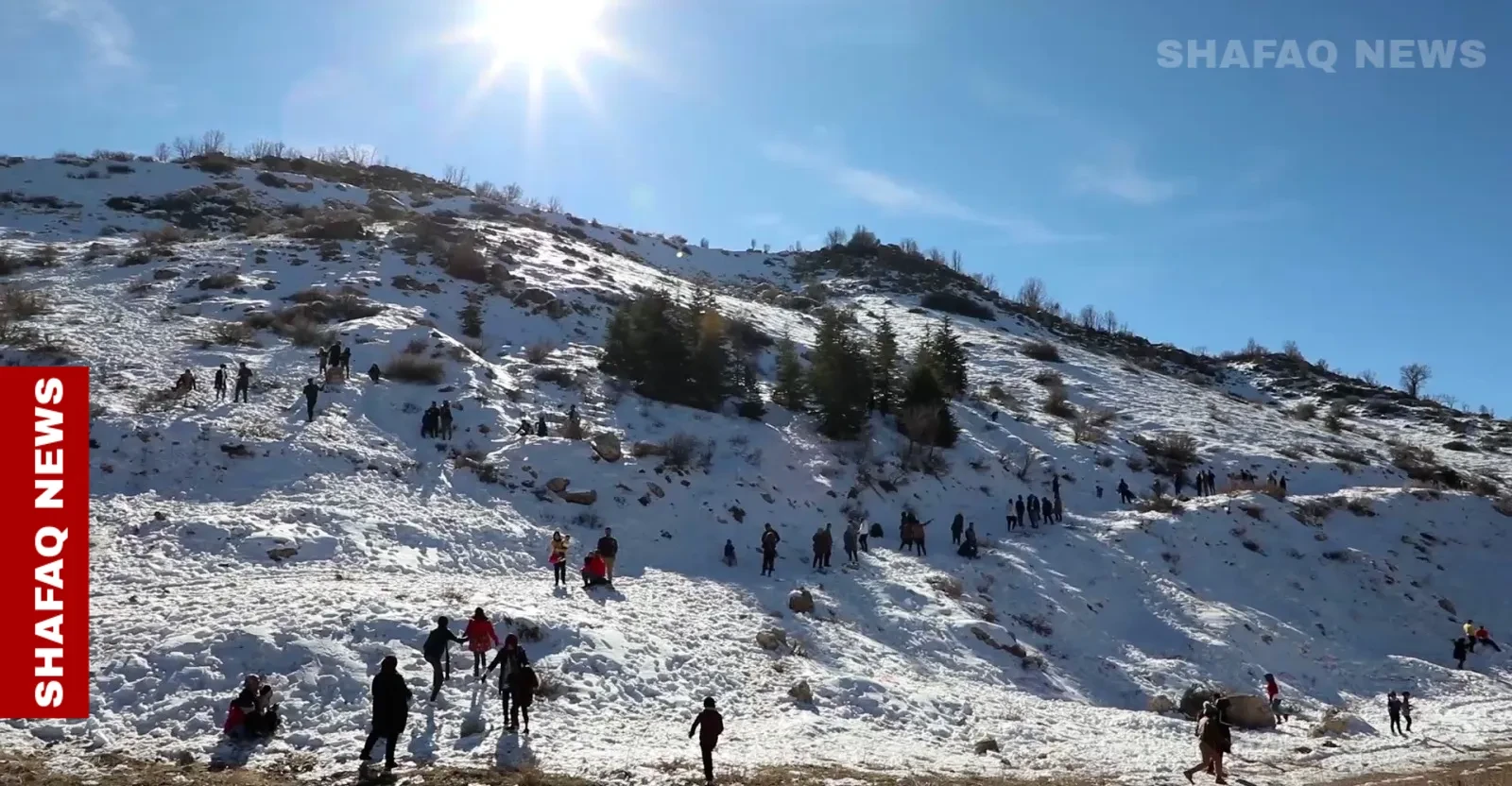
Few provinces in Iraq carry as heavy a humanitarian burden. Assyrians and Chaldeans fled Mosul and Baghdad following the 2003 US invasion. Over 100,000 Syrian refugees arrived after 2011. Then came the 2014 Yazidi exodus due to ISIS violence, an event that reshaped Duhok more dramatically than any other in recent memory.
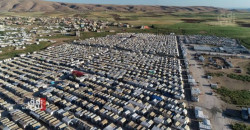
Today, the province hosts over 380,000 displaced people, many in camps such as Domiz, Sharya, Khanke, and Bajid Kandala, shelters that were meant to be temporary and have become, for many, permanent. A 2023 UNHCR survey found that 60% of camp residents have no plans to return, citing destroyed homes, uncleared landmines, and ongoing insecurity.
"There is no home to return to in Sinjar," said Rojen Haji, a 21-year-old student who fled the region. "It was burned down. Our land is mined. Our people are divided. We have nowhere left to go."
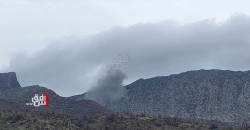
The crisis is compounded by Turkiye's military campaign against the Kurdistan Workers' Party (PKK) in Duhok's border areas. Between 2018 and 2025, Turkish intensive operations have escalated across the Metina, Avashin, and Gara regions. Human rights organizations report that 145 villages have been evacuated since 2015 due to airstrikes and sustained military pressure.
"Duhok is a living archive of genocide, survival, and reconstitution," said Dr. Khalid Khorsheed, a historian at the University of Duhok. "Each community here has been displaced at least once, but they endure."
Spirit Endures
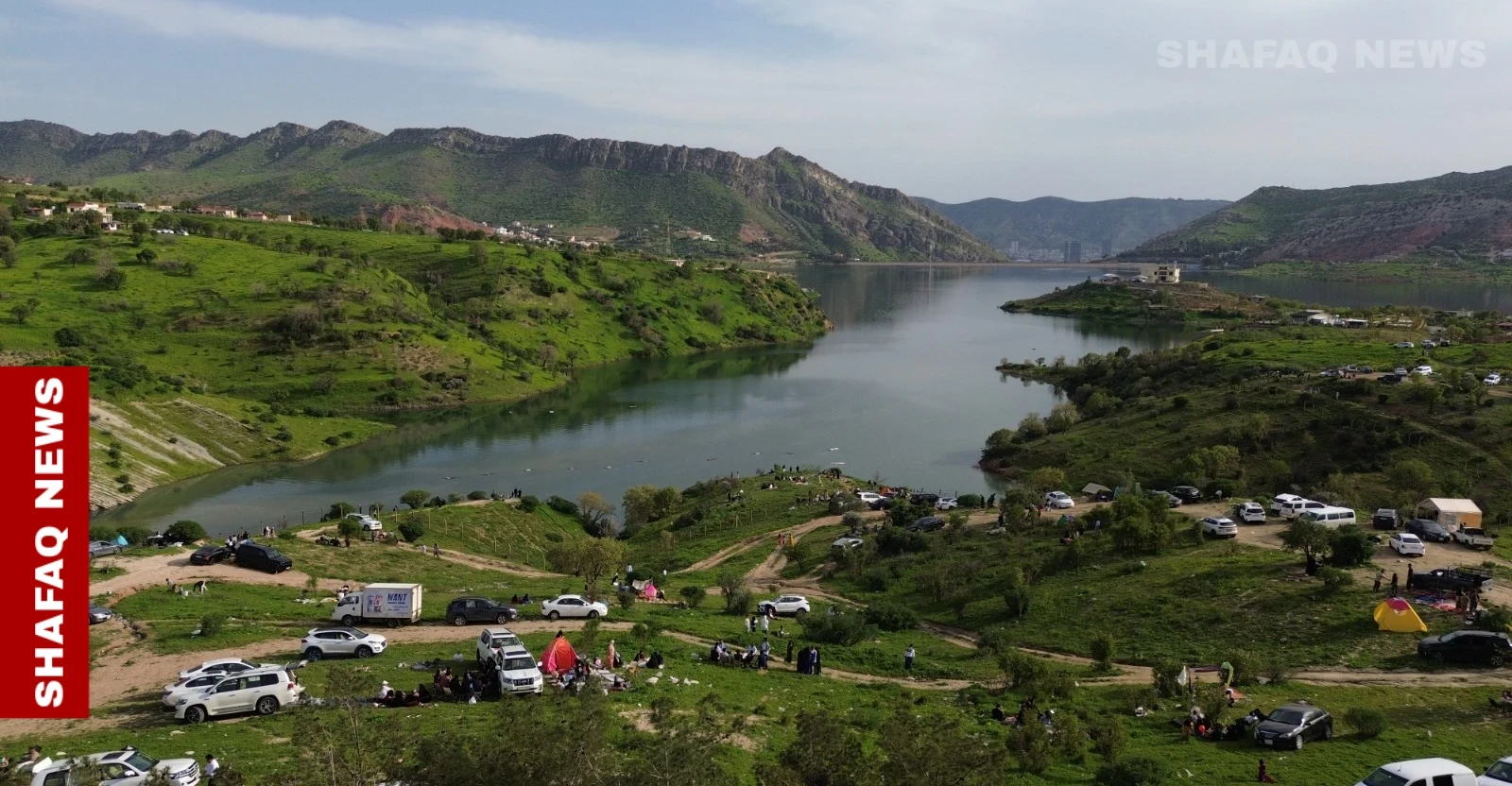
Displacement has not erased Duhok's cultural life. Yazidis continue to make pilgrimages to the Lalish temple in Sheikhan, the holiest site in Yazidism. In the highlands of Amedi and Akre, Christian communities maintain ancient Aramaic liturgies in churches that predate Islam.
The University of Duhok, with over 18,000 students, has emerged as a research hub for Yazidi history, environmental science, and agriculture. Yet youth unemployment stands at 27.4%, and many graduates remain uncertain about their prospects in the region.
Thirsty Economy
Duhok's economy rests on agriculture, trade, and public sector employment, all three under pressure. The Ibrahim Khalil border crossing remains a major asset, generating an estimated $12 billion in trade annually, but widespread informal commerce has fueled corruption and eroded institutional trust.
Agriculture, once the backbone of communities in Amedi and Akre —known for their apple and grape orchards— is struggling. Upstream damming by Turkiye, combined with climate change and irregular rainfall, has reduced river flows and left farming communities adapting under difficult conditions.
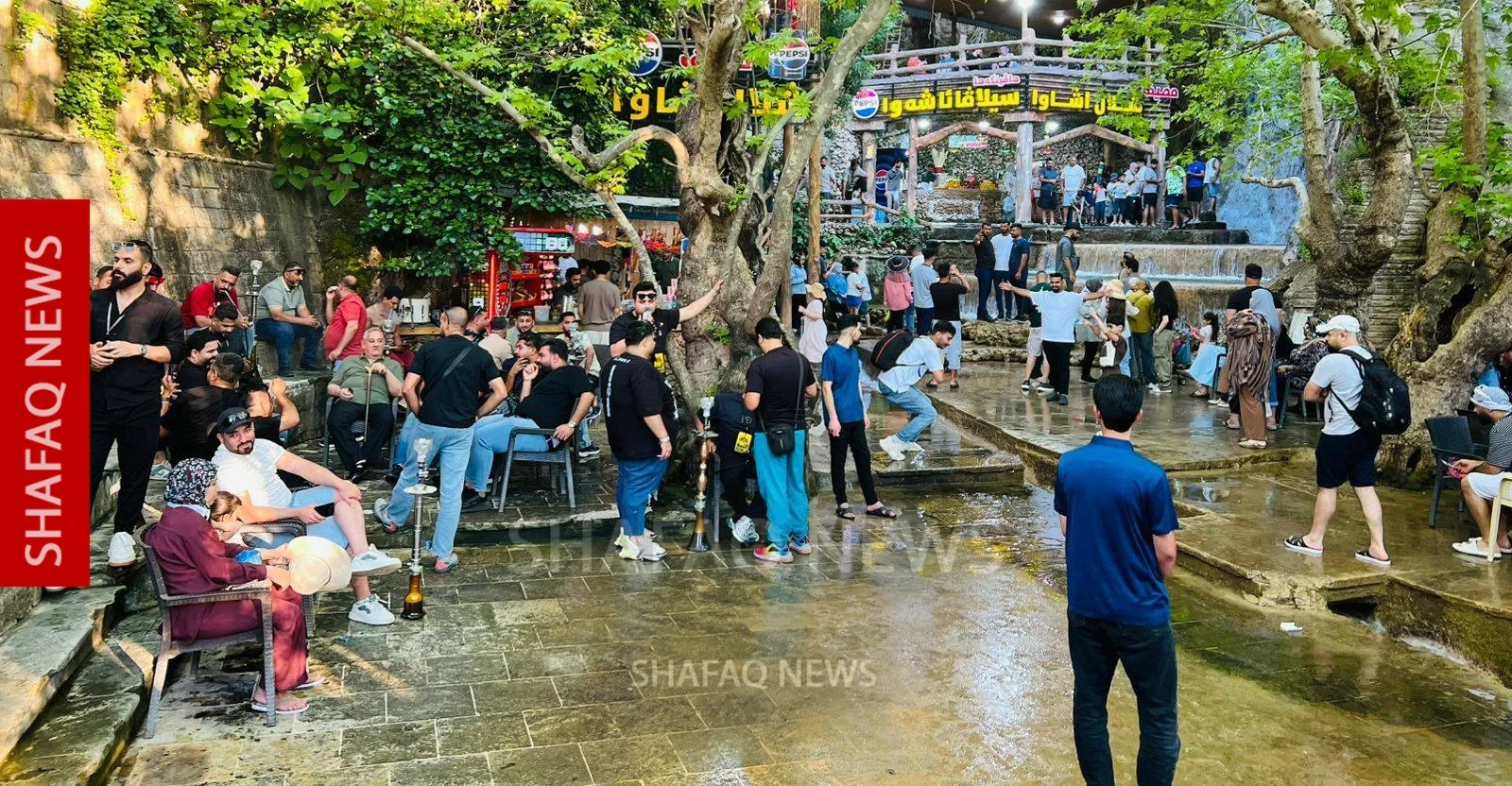
Tourism had offered a measure of relief. In 2023, over 850,000 visitors came to Duhok, drawn by the ancient citadel of Amedi, the Bekhal waterfall, and the mountain scenery around Akre, a 12% increase on the previous year.
But that momentum has since reversed sharply. Ihsan Issa, head of the Restaurants and Hotels Association, told Shafaq News that the sector has been in a "severe crisis" for the past two years, with most hotels and motels forced to close. He estimated that the suspension of tourism has cost Duhok's market nearly four billion Iraqi dinars (roughly $2.58 million) every month. The situation deteriorated further in 2026 following the outbreak of war between Iran and the United States, which led to the closure of approximately 95% of hotels in the province.
"Duhok has a wealth of natural beauty and cultural significance, but we risk losing it to uncontrolled development," said Tara Hasan, founder of the Amedi Heritage Foundation. "Tourism must serve to preserve, not plunder."
Thirsty Lands
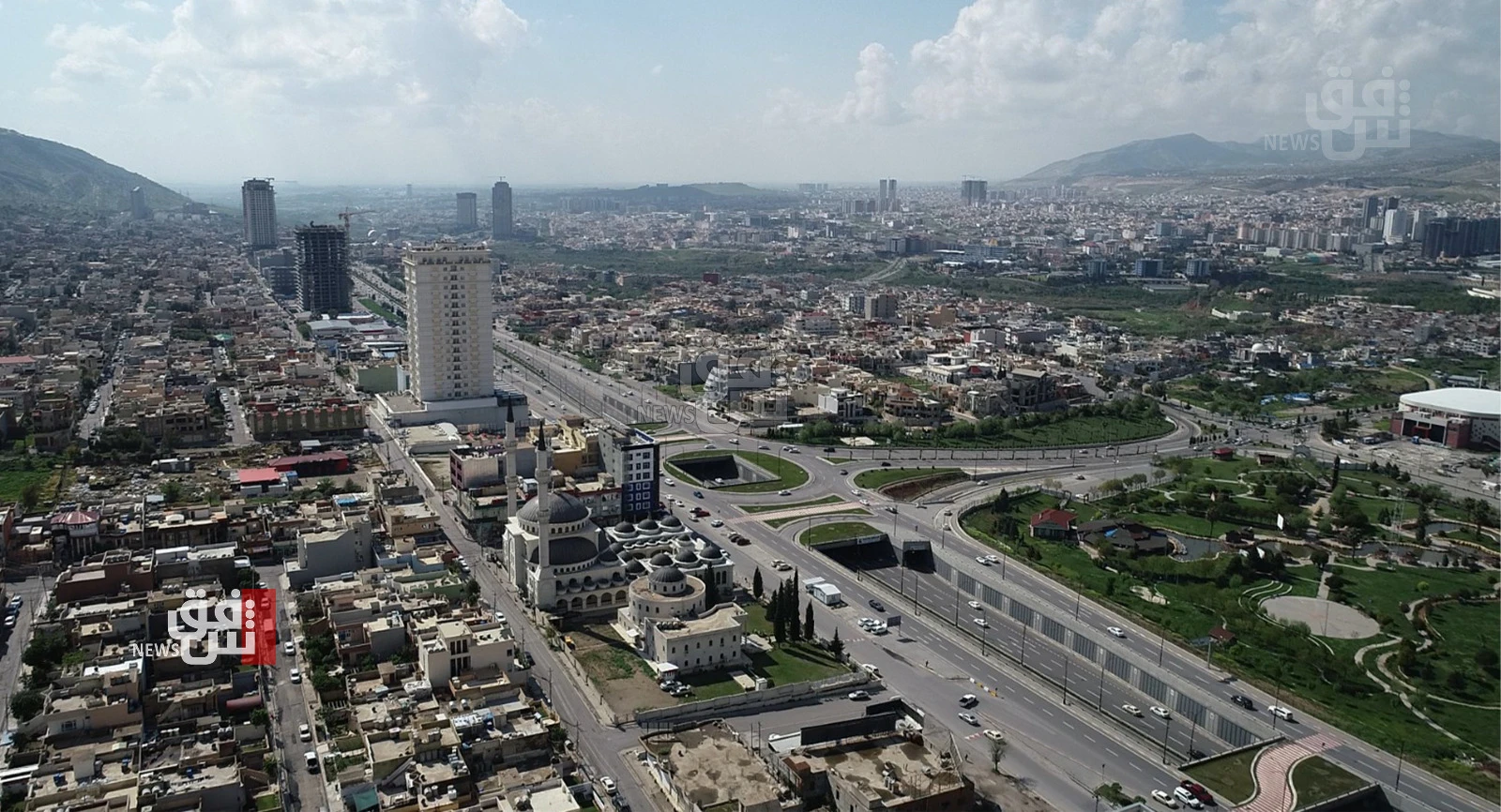
The environment is under parallel stress. Data from Global Forest Watch shows that Duhok lost 15% of its tree cover between 2000 and 2022, driven by deforestation, military activity, and infrastructure expansion. Turkish dam construction on the Tigris and Zab rivers has worsened water scarcity, threatening both agriculture and natural resources.
Local responses are underway. The University of Duhok's Renewable Energy Research Centre is piloting solar-powered irrigation to address water shortages. In 2024, a $7.2 million ecotourism initiative, backed by European partners, was launched to promote sustainable development and conservation.
Duhok stands at a crossroads not of its own choosing. Its past is marked by forced movement and survival. Its present is defined by camps that outlasted their purpose, border conflicts that emptied its villages, and an economy caught between opportunity and collapse. What it retains, its diversity, its cultural memory, its stubbornness, may yet be enough to shape a different future
Written and edited by Shafaq News staff.