Diabetes in Iraq: A mounting public-health crisis as the country marks World Diabetes Day


Shafaq News
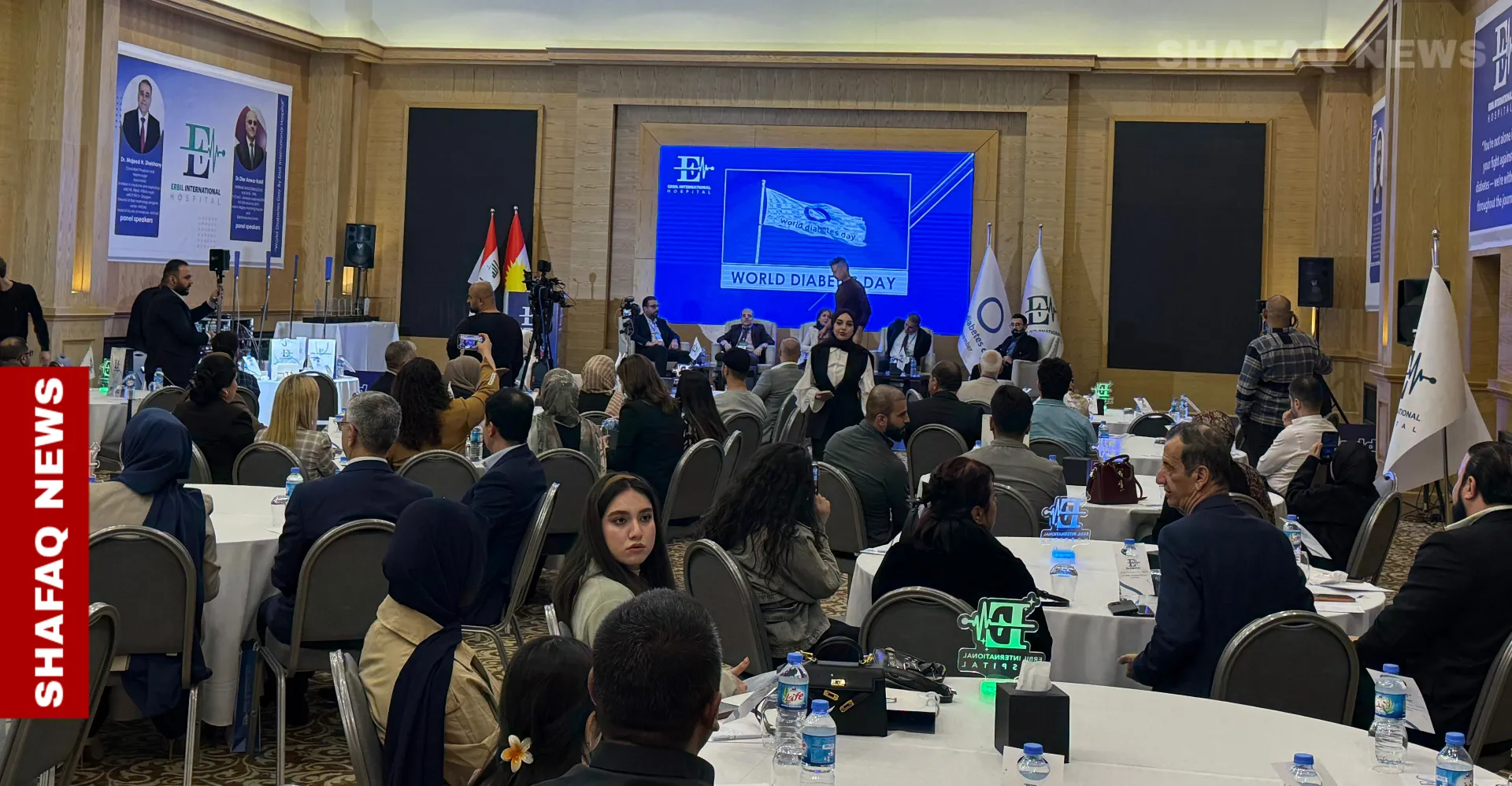
Iraq marked World Diabetes Day amid growing concern over the rapid rise of the disease, as updated national and global estimates highlighted the mounting pressure on the country’s already strained healthcare system.
According to the International Diabetes Federation, over the past two decades, diabetes cases in Iraq have accelerated sharply. In 2000, the number of adults aged 20–79 living with the disease stood at 449,900. By 2011, the figure had reached 1.1 million, increasing to 2.7 million in 2024. Projections show the number could rise to 5.9 million by 2050, placing Iraq among the countries facing the steepest long-term increases in diabetes prevalence.
Based on the WHO, Iraq also recorded 21,751 diabetes-related deaths in 2021, with 7.2% occurring among adults younger than 60. Nearly 47.1% of diabetes cases remain undiagnosed, leaving almost half of patients unaware of their condition and at heightened risk of developing complications.
This rise mirrors global patterns. A recent study published in The Lancet estimated that the number of adults with diabetes worldwide could exceed 1.3 billion by 2050, doubling the 529 million recorded in 2021.
Despite improvements in service delivery, Iraq’s health system continues to face major challenges in diabetes management and care. Primary health centers do not provide free glucose-testing strips, forcing many low-income patients to cover the cost themselves. Multidisciplinary teams—essential for comprehensive diabetes care—remain limited, meaning most patients are treated solely by primary-care physicians without access to nutritionists, diabetes educators, or specialized nurses.
In addition, the glycosylated hemoglobin (HbA1c) test, a crucial tool for monitoring long-term glucose control, is not consistently available in primary health centers. Patients are often referred to specialized facilities, causing delays in both diagnosis and follow-up.
Recurring shortages of essential medicines, especially insulin, remain one of the most pressing obstacles. These disruptions frequently push patients toward private pharmacies, increasing out-of-pocket spending at a time when household incomes are already under strain.
The Ministry of Health has introduced several measures in response to the rising burden, though most efforts remain centered on public-awareness campaigns. Clear data on the provision of free medicines, diagnostic tests, or expanded service coverage is still lacking, raising questions about the practical impact of these initiatives on patients’ daily access to care.
In 2023, Prime Minister Mohammed Shia al-Sudani expanded social-protection measures by including children with diabetes under the full-time caregiver salary and the social protection network. He also instructed the Ministry of Health to widen diagnostic access and ensure the continuous availability of essential medications.
Endocrinologist Dr. Delshad Chomani described diabetes as a “complex challenge” requiring broader early-screening initiatives and stronger long-term monitoring.
International assessments highlight the structural weaknesses that intensify these pressures. In the 2025 CEOWORLD Healthcare Index, Iraq ranked 79th globally and 12th among Arab states. While the country scored reasonably well on medical infrastructure and professional capacity, it performed significantly lower—52.88 points—on the availability and affordability of medicines.
“Without stronger procurement systems, broader screening programs, and more reliable diagnostic services, diabetes will continue to expand its footprint, deepening long-term pressure on Iraq’s healthcare system,” Dr. Chomani warned.
Written and edited by Shafaq News staff.