Dhi Qar Elections: Wealth and tribal power test Iraq’s political patience


Shafaq News
Iraq is heading toward parliamentary elections on November 11, 2025, and the southern province of Dhi Qar has emerged as a decisive arena where money, tribal authority, and public disillusionment intersect. Once the epicenter of Iraq’s 2019 protest movement, the province today stands at a crossroads between its legacy of dissent and the resilience of entrenched political networks.
In Nasiriyah, the provincial capital, the electoral landscape resembles the broader Iraqi scene: sitting and former governors, tribal leaders, political officials, and social media figures are competing alongside new independent candidates. Yet unlike Baghdad, Dhi Qar’s contests are deeply shaped by local economic fragility, tribal loyalties, and the enduring weight of protest-born movements.
Elections as an “Economic Process”
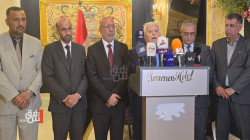
Local voices increasingly describe the election as less about ideology than finance. Writer Badr Qasim told Shafaq News that wealthy businessmen and financiers—often aligned with major political parties—are directly or indirectly backing many candidate lists, reshaping the campaign into an economic marketplace.
“The elections are controlled by economic capital,” Qasim explained. “The big parties once again rely on socially influential names—tribal sheikhs, activists, and online personalities—many of whom lack real political experience.”
He noted that Dhi Qar has remained “politically dormant” since 2003, administered more by Baghdad-based blocs than by homegrown parties. This structural weakness leaves the field open to those with financial clout. “The balance will tip toward the moneyed elites,” Qasim warned, while stressing that only voter awareness can prevent failed figures from returning to parliament.
Protest Legacy Meets Electoral Apathy
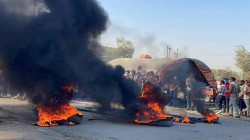
Dhi Qar was the birthplace of the 2019 Tishreen protest movement, whose demands for accountability, services, and an end to corruption resonated across Iraq. The movement’s energy translated into the rise of the Imtidad bloc, which secured five seats in the 2021 elections. Yet the failure to sustain momentum and internal fractures have since weakened its influence.
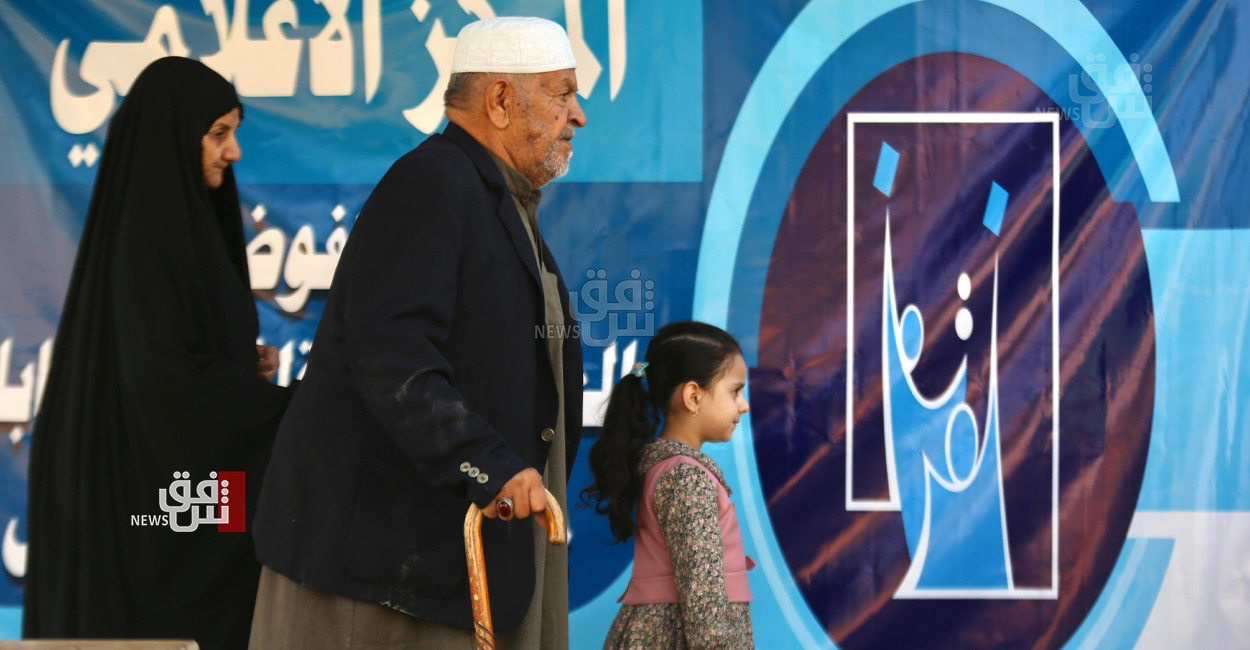
Political analyst Salah al-Mousawi underscored how Dhi Qar disillusionment has deepened voter apathy. “People have lost hope in their ability to change,” he told Shafaq News. “They see the same faces dominate every election cycle, driven by personal gain rather than public service.”
Al-Mousawi argued that tribal leaders, once seen as mediators, have become instruments of dominant elites who use wealth and patronage to maintain power. Dhi Qar's dynamic, he said, explains both the persistence of boycotts and the recycling of old political forces.
Tribes as Electoral Brokers
In Dhi Qar, as in much of southern Iraq, tribes remain central to the political process. Candidates routinely invoke their tribal identity in campaign speeches, while sheikhs view elections as opportunities to strengthen political alliances.
Writer Alaa Koli explained that candidates deliberately highlight their clan or sectarian affiliations to secure votes. “Some voters still see such figures as the most suitable representatives, believing they defend the tribe and the sect,” he said.
Dhi Qar's reliance on tribal identity is not unique. Across Basra, Maysan, and Muthanna, candidates use the same strategies, transforming tribal loyalty into electoral capital. The danger, analysts warn, is that it narrows politics to identity-based appeals, overshadowing policy debates about economic recovery, youth employment, and infrastructure collapse.
Independents on Unequal Ground
Against Dhi Qar’s backdrop, independent candidates face formidable challenges. Their campaigns rely on grassroots discontent with the established parties, but they lack access to patronage networks and the vast resources required for competitive outreach.
“The contest is profoundly unequal,” Koli told Shafaq News. “Party candidates offer voters money, job promises, and services, while independents must rely only on citizens’ anger and hope for change.”
The experience of 2021 illustrates Dhi Qar imbalance. While Imtidad’s rise was significant, its five seats were dwarfed by the nine won by the Sadrist Movement led by Muqtada al-Sadr, now rebranded as the Patriotic Shiite Movement, and four by State of Law, headed by former PM Nouri Al-Maliki. Without strong organizational structures, independents remain vulnerable to cooptation or marginalization.
Turnout was only 42 percent, despite 1.2 million registered voters—a figure that reflected both the weight of protest fatigue and the persistence of boycott campaigns.
Read more: Iraq's democratic malaise: Challenges mount ahead of 2025 Elections
Testing Grounds for 2025
The 2025 elections in Dhi Qar will unfold without the Sadrist Movement, which has announced a boycott. Their absence removes the strongest organizational force from the province’s political map and may create space for new faces or smaller blocs to claim seats that once belonged to the Sadrists. Whether these openings benefit independents, protest-born movements, or traditional parties remains uncertain.
Despite the shifting landscape, former prime minister Nouri al-Maliki’s State of Law coalition still commands a substantial base in Dhi Qar. Its networks, built over years of alliances and patronage, remain influential and could allow the bloc to consolidate gains at the expense of rivals.
Another factor shaping the race is the dual strength of certain prominent figures. Many candidates are not only wealthy elites but also tribal sheikhs, giving them financial leverage and social authority at the same time. This combination grants them broader appeal and deeper influence in mobilizing voters, making them among the most formidable contenders.
The balance between boycotts, entrenched networks, and emerging contenders will determine whether Dhi Qar produces new political leadership or reinforces Iraq’s traditional power structures.
Read more: Iraq's 2025 Elections: A mix of political realignment and fragile stability
Written and edited by Shafaq News staff.