Deficit soars, projects freeze: Iraq heads into 2026 with NO BUDGET


Shafaq News
Iraq is approaching 2026 without the detailed budget tables for 2025, even as the fiscal deficit widened to 17.7 trillion dinars ($13.5 billion) through September. Rising expenditures, stagnant revenues, and an unresolved political impasse have pushed the country into a restrictive spending environment that is freezing projects nationwide and tightening pressure on ministries and provinces.
Although parliament passed a three-year budget framework for 2023–2025, the government has yet to submit the 2025 tables. Under Financial Management Law No. 6 of 2019, Iraq remains bound by the 1/12 monthly spending rule—an emergency mechanism that permits only minimal expenditure and blocks new service or investment commitments. The result is a growing deficit and a paralyzed development agenda.
Eco Iraq Observatory said on Saturday that the deficit has risen month after month without effective measures to curb spending or improve revenue collection. Government expenditures reached 108.9 trillion dinars through September, while oil and non-oil revenues totaled 91.2 trillion dinars—leaving a gap equal to 19.4 percent of total revenues.
Multiple overlapping factors have compounded the deadlock. Government calculations assumed an oil price of $70 per barrel, but global volatility and regional tensions kept prices unpredictable. OPEC’s mandated cuts—95,000 barrels per day in the first quarter of 2025 and 70,000 barrels per day thereafter—further constrained income.
Read more: Iraq’s budget: political fiscal gaps threaten national stability in 2025
The political dispute with the Kurdistan Region continues to weigh heavily. Article 12, which regulates production, transport, and delivery of Kurdish oil to the State Oil Marketing Organization (SOMO), remains unresolved. The 2024 census added another layer: the Kurdistan Region now accounts for 14.03 percent of Iraq’s population—higher than the 12.63 percent allocation used in the budget—requiring technical adjustments that have yet to be negotiated.
Non-oil revenue collection has also underperformed, reaching less than half of projected levels for two consecutive years, leaving the fiscal system overwhelmingly dependent on oil.
Across the country, provinces are feeling the consequences of stalled financing.
In Basra and Nineveh, water treatment upgrades, school rehabilitation, electricity works, and road projects remain suspended. Routine maintenance of power stations, water networks, and municipal roads has slowed sharply, causing visible deterioration in essential services. Funding shortages have even threatened critical medical facilities, including cancer and cardiac centers.
In the Kurdistan Region, the absence of the 2025 tables has disrupted planning in Erbil and Al-Sulaymaniyah, particularly salary allocations and investment scheduling—issues that have already strained local finances.
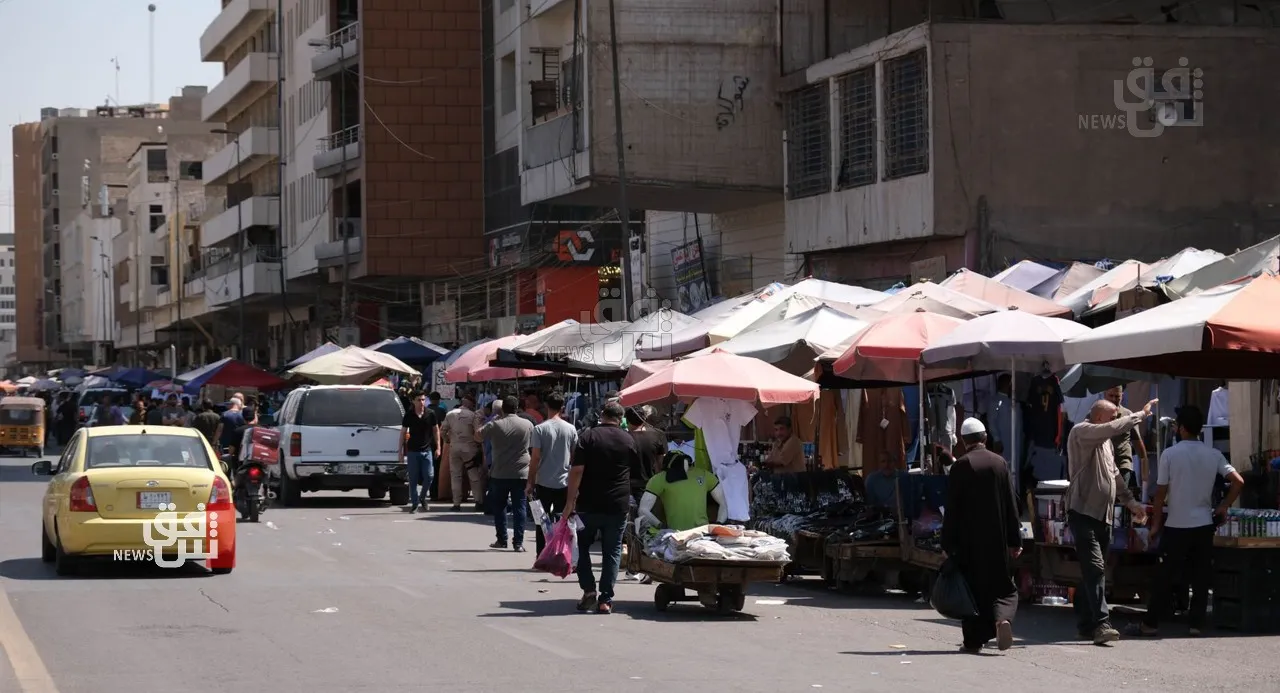
In the capital, the crisis is even more pronounced. Baghdad Provincial Council member Amer Dawood al-Feyli said the absence of approved budgets has broadly halted projects, noting that the 2025 budget for the Baghdad Provincial Council “has not been released so far,” delaying service work and payments to contractors.
He said the problem is most evident in the Projects Directorate of the Baghdad Municipality, where contractors have stopped work due to the lack of financing. “This has directly affected service levels in the capital and slowed progress across key sectors,” he warned.
Former Parliamentary Finance Committee member Mouin Al-Kazemi explained to Shafaq News that the repeated budget delays undermine long-term planning, discourage foreign investment, and increase operational risks. “Payments to international oil companies have already been postponed, and several field-development plans have slowed.”
In turn, Parliamentary Economic Committee member Kazem Al-Shammari cautioned that the issue goes far beyond parliamentary approval as the budget determines allocations for vital investment projects and essential services—such as social welfare and Iraq’s food ration card—which affect millions of citizens.
He stressed that parliament has repeatedly urged the government to submit the 2025 tables, but those calls have gone unanswered. “The government is clearly failing in its constitutional duties,” Al-Shammari said, warning that the delay directly limits the state’s ability to meet its obligations.
Eco Iraq Observatory recommended reducing non-salary expenditures—particularly investment spending, which already exceeded 14 trillion dinars ($10.7 billion)—cutting nonessential purchases and raising taxes on non-food imports. It also called for higher fees on foreign workers and tourists to increase non-oil revenue.
Al-Kazemi said members of the Shiite Coordination Framework are pushing for a realistic budget that aligns spending with actual revenues. He expects the 2026 budget to total around 150 trillion dinars ($114.5 billion), significantly lower than the 211 trillion dinars approved for 2025, of which only 150 trillion were actually spent.
Iraq’s fiscal system continues to suffer from structural vulnerabilities. Salaries alone consume more than a quarter of total expenditure in a government workforce that has quadrupled since 2003. Oil accounts for more than 93 percent of the state's income in 2025, leaving the economy exposed to global price swings and limiting fiscal maneuverability.
With ministries unable to launch new projects, provinces unable to pay contractors, and parliament unable to debate a budget that has yet to arrive, Iraq risks carrying the 1/12 rule well into 2026. That scenario could constrain investment in an election year, strain Baghdad–Erbil relations further, and weaken the government’s ability to deliver basic services.
Read more: Recession alert: 2025 budget deadlock threatens Iraq
Written and edited by Shafaq News staff.