Culture vs. conflict: Is Baghdad’s golden age memory only?


Shafaq News
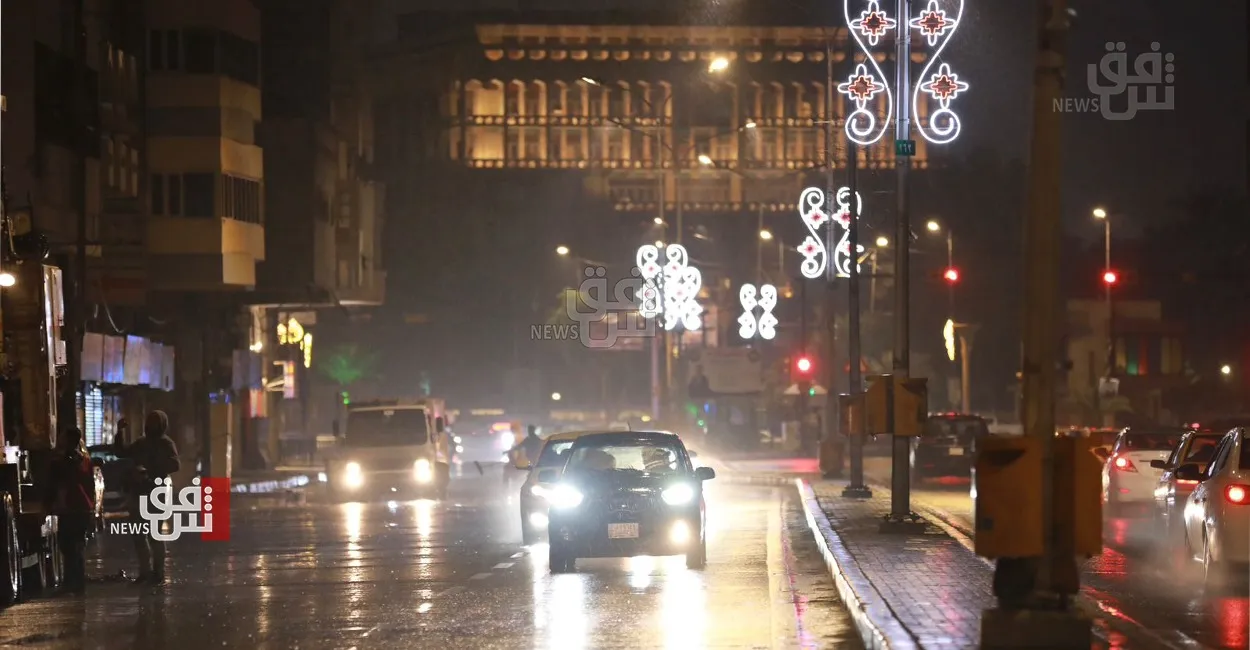
Baghdad marks 1,263 years since its founding with an unusually reflective mood, confronting how a city conceived as the “City of Peace”—once the intellectual heart of a global empire—grapples with today’s political strains, social divisions, and urban pressures while searching for a credible path forward.
Founded in 762 CE by Abbasid Caliph Abu Ja‘far al-Mansur, Baghdad emerged from an exacting imperial blueprint rather than organic growth, its circular layout—unmatched in global urban history—expressing a worldview that fused governance, scientific inquiry, and cosmology at the center of an ascendant empire.
From the City of Peace to a Global Center
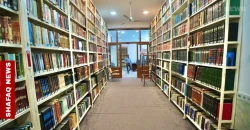
Within a few decades, Baghdad evolved into a dominant seat of medieval scholarship, attracting physicians, translators, astronomers, mathematicians, and philosophers from Persia, Central Asia, Anatolia, and the Mediterranean to its academies and translation houses, where vast libraries and research institutions forged scientific traditions that stretched far beyond the region.
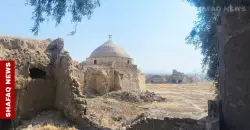
Abbasid political fragmentation eventually weakened central authority, yet cultural life endured until the Mongol invasion of 1258 shattered the city’s intellectual infrastructure, destroyed its libraries, and leveled entire districts, leaving a trauma that still shapes Baghdad’s collective memory even as later dynasties rebuilt portions of the capital without restoring its original global prominence.
Shifting Empires and Making of Modern Baghdad
Ottoman administration from the sixteenth century onward, followed by British influence in the early twentieth century, reshaped Baghdad’s institutions and demographics. By the time Iraq entered statehood, the city had become a multi-ethnic commercial hub where Muslims, Christians, Jews, Kurds, Armenians, and others played formative roles in the creation of modern Iraq.
After the 1958 political transition, Baghdad expanded rapidly through new universities, cultural centers, and modernist architecture that redefined its skyline and reinforced its status as a leading cultural capital of the Arab world. Yet decades of wars, sanctions, and political upheaval eroded infrastructure, weakened public administration, and strained social cohesion.
After 2003: Conflict and Reconstruction
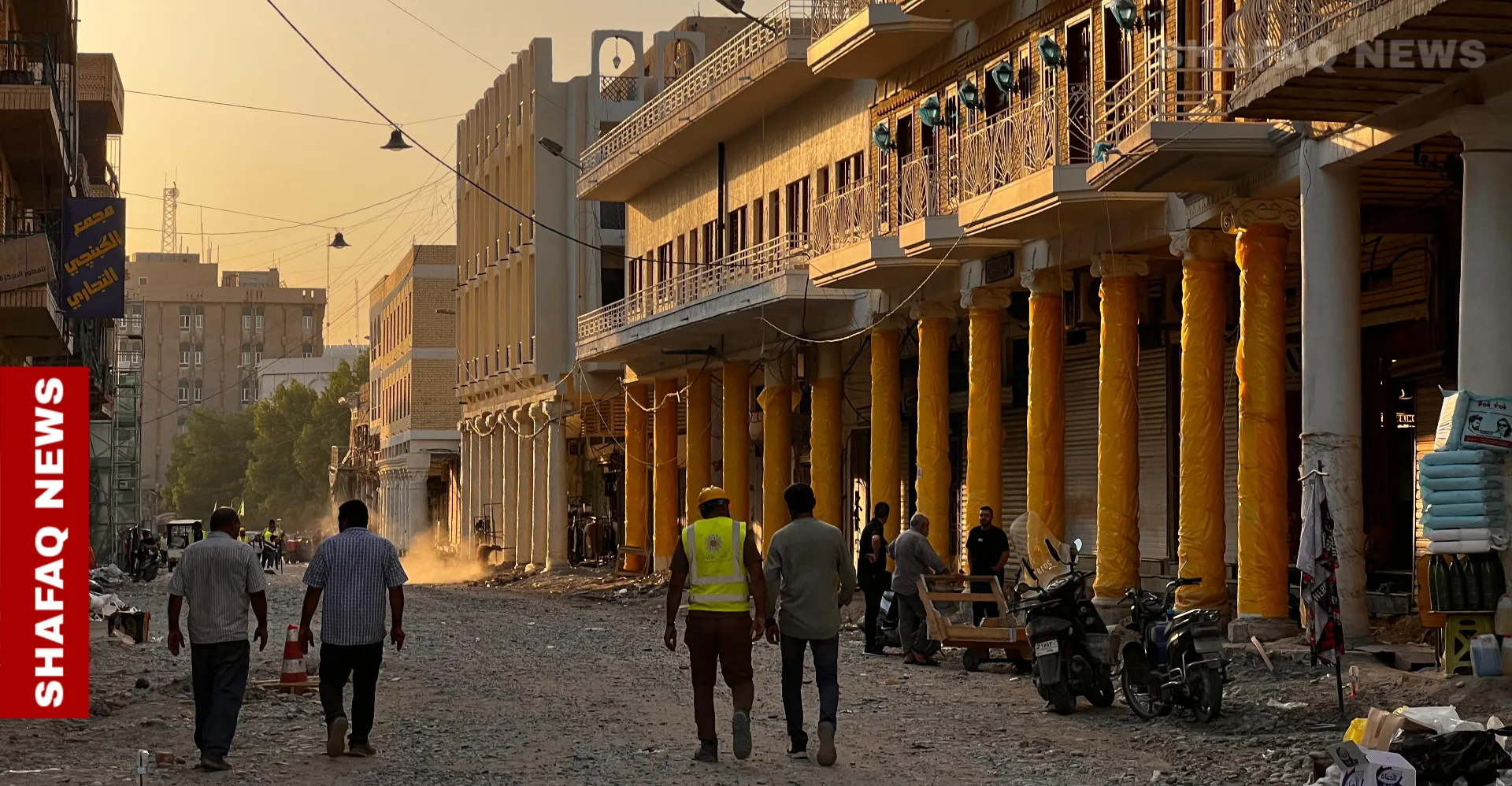
The period following 2003 transformed Baghdad more profoundly than any era since the Mongol assault, as insurgency, sectarian bloodshed, and mass displacement redrew demographic lines, fractured municipal boundaries, turned public spaces into targets, and inflicted severe damage on essential services and administrative systems.
Speaking to Shafaq News, Deputy Minister of Culture, Tourism, and Antiquities Fadel Al-Badrani described those years as “a deliberate effort to undermine Baghdad’s civilizational depth,” recalling extensive destruction of museums, archives, and heritage sites.
He argued that destabilizing groups attempted to “storm Baghdad in the manner of Hulagu—through killing and destruction,” but maintained that the city’s cultural memory and intellectual networks helped it endure until ISIS’s defeat in 2017 initiated a slow, uneven recovery.
For Al-Badrani, Baghdad’s selection as Arab Tourism Capital for 2025 and Islamic Culture Capital for 2026 reflects its enduring cultural stature.
A Social Fabric Rewoven
The city’s demographic landscape shifted sharply between 2003 and 2008 as sectarian conflict triggered one of Iraq’s largest displacement waves. Today, roughly 8.5 million residents occupy a capital where the Ministry of Planning estimates for 2024 show Shiite Muslims comprising 80–82 percent of the population and Sunnis 17–19 percent, patterns reflected in neighborhoods such as Sadr City, Kadhimiya, and Hurriya on one side and Adhamiyah, Dora, and parts of Ghazaliya on the other.
Kurdish communities maintain a strong presence in Karrada and New Baghdad; Turkmen families live across several districts; and the Christian population—once central to Baghdad’s commercial and cultural life—has declined from more than 50,000 in the late 1990s to fewer than 10,000 today. Armenian churches continue to operate despite smaller congregations, while the Sabean-Mandaeans, now only a few hundred, remain known for their artisanal trades. Yazidi families displaced after 2014 have also become more visible.
Between Two Eras: Baghdad’s Evolving Role
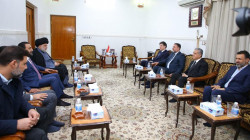
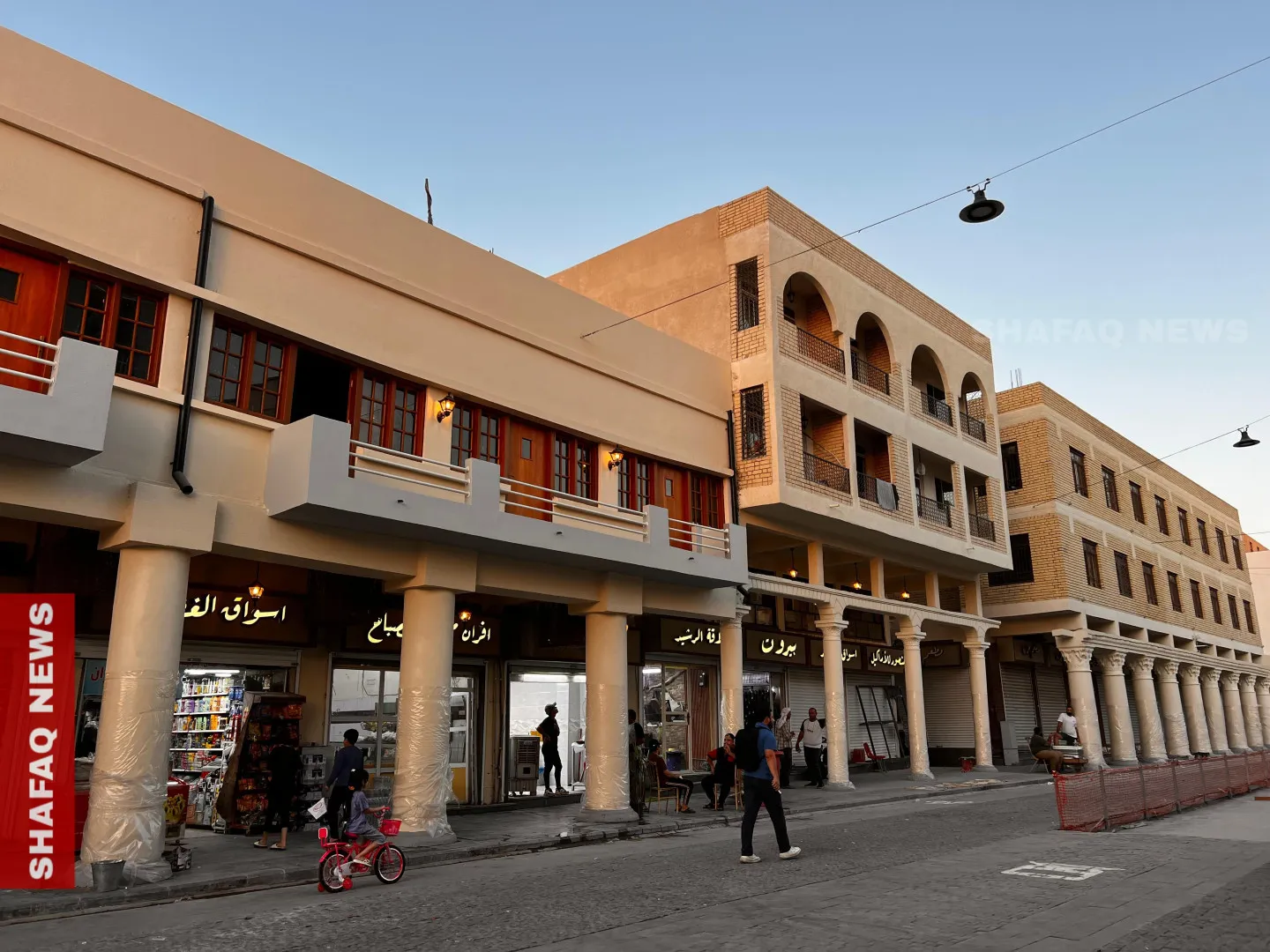
Debates over Baghdad’s current role dominate conversations among officials and intellectuals. Politician Mithal Al-Alusi told our agency, “The city’s influence rests not only on political institutions but on its enduring literary, scientific, and human legacy,” contending that capitals thrive through openness, stability, and internal cohesion—conditions, he argued, Baghdad must strengthen to project cultural weight regionally and internationally.
Al-Alusi also warned that the political and security foundations needed to complete this transformation remain fragile, reflecting a broader sentiment that Baghdad stands between the glow of its historic brilliance and the realities of a state still rebuilding.
Achievements and Enduring Challenges
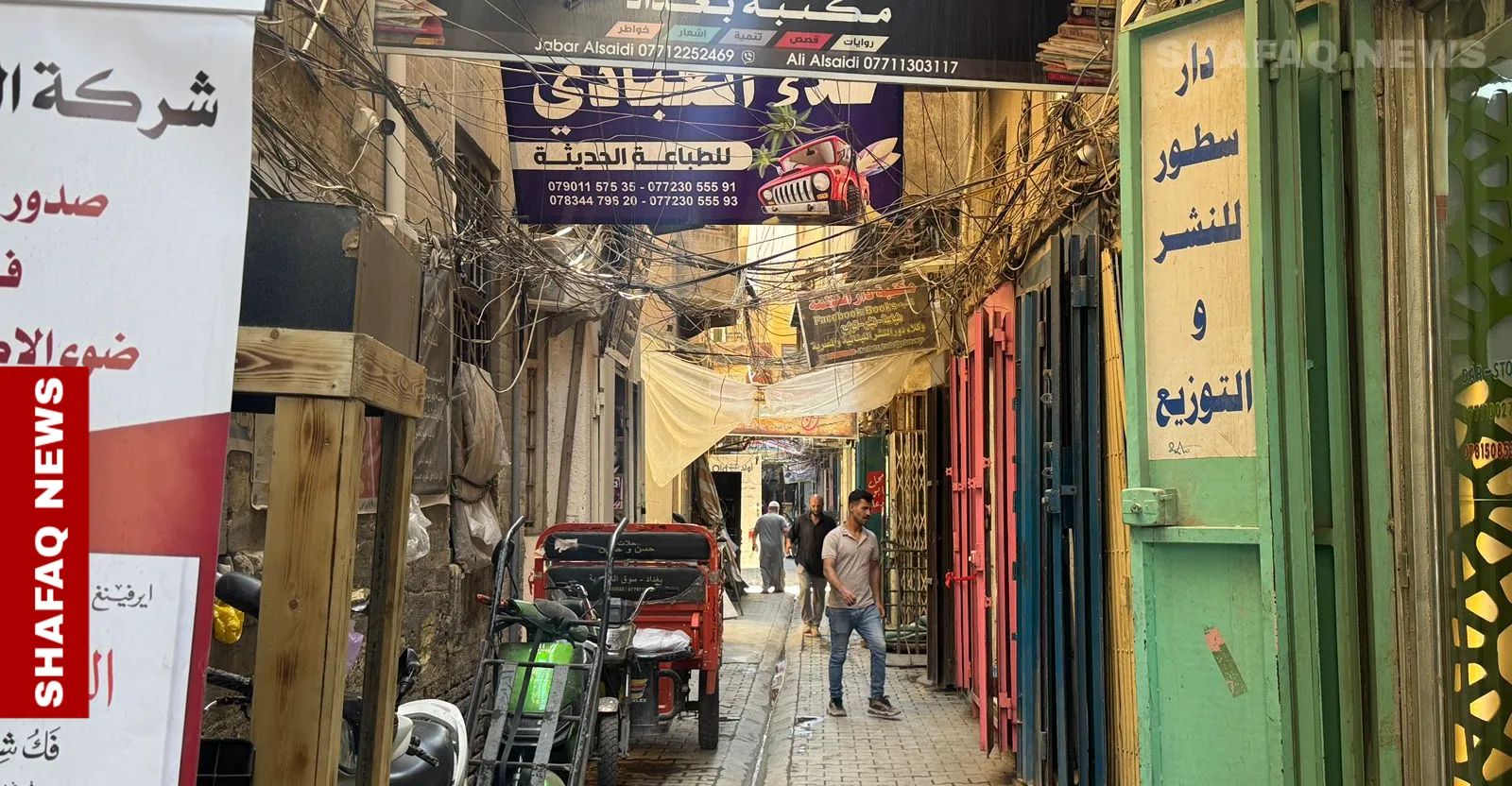
Meanwhile, writer Shawqi Kareem Hassan views Baghdad as exceptional among Arab cities because of its symbolic and cultural depth, noting improved security, the gradual reactivation of institutions, the revival of Al-Mutanabbi Street, and expanding telecommunications and civic engagement.
Still, he pointed to persistent challenges, which, according to him, include the absence of an integrated urban plan, severe traffic congestion in the absence of a modern transportation network, weak municipal administration, deteriorating public services, and limited protections for historic architecture.
“These factors leave Baghdad at a crossroads, with a past that grants legitimacy and a present that remains unsettled,” Hassan told Shafaq News.
Reclaiming a Place in the World
Speaking to our agency, strategic expert Ahmed Al-Sharifi linked Baghdad’s potential resurgence to leadership capable of converting its historic weight into contemporary relevance, arguing that a city that once shaped global knowledge now requires leaders who grasp regional dynamics and recognize that influence in the modern world emerges from strategic vision and institutional strength, because “leadership builds individuals, and through them, nations and civilizations.”
A City Still Writing Its Story
Every November 15 reminds Iraqis that Baghdad became the cultural and scientific nucleus of an empire, and today it remains both witness and survivor, carrying a golden age in memory while confronting present demands for effective governance, coherent urban planning, and preservation of its layered heritage.
Read more: Discover Iraq: Baghdad, a city shaped by conflict and enduring hope
Written and edited by Shafaq News staff.