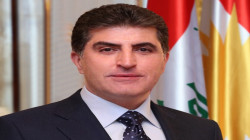
Beyond the Chaos: How Nechirvan Barzani is Redefining Kurdish Diplomacy


Jawad Qadir
Fellow at the Institute for Research and Development-Kurdistan
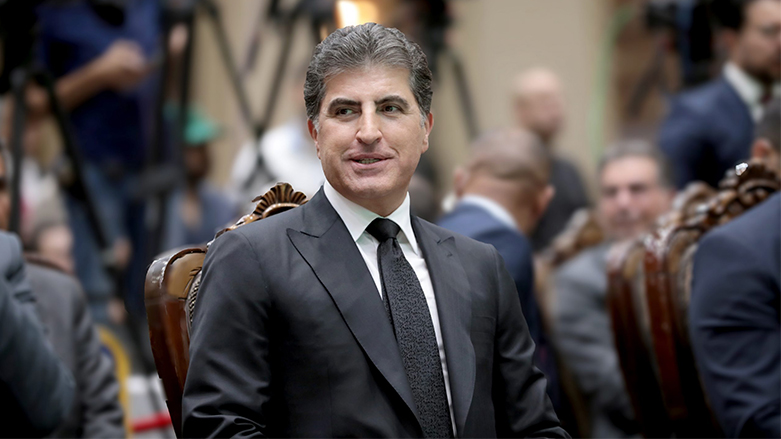
In the volatile landscape of Middle Eastern politics, few leaders have managed to maintain relevance across such diverse and often competing interests as Nechirvan Barzani, President of the Kurdistan Region. His diplomatic approach has garnered attention from regional powers and Western allies alike, demonstrating a pragmatic yet principled stance that merits examination.
Strategic Positioning in a Crisis-Ridden Region
Barzani’s diplomatic approach rests on two fundamental pillars that have proven both ambitious and practically sound. First, his commitment to ensuring the Kurdistan Region does not become a proxy battlefield for international conflicts represents a mature understanding of regional dynamics. This approach recognizes that the security of neighboring countries—Turkey, Iran, and Syria—is intrinsically linked to the Kurdistan Region’s own stability. Second, his assertion of the region’s right to form strategic alliances while maintaining constitutional obligations to Iraq demonstrates sophisticated federal thinking.
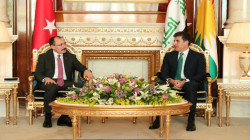
The recent expressions of goodwill from both Tehran and Ankara toward the Kurdistan Region’s leadership reflect the success of this balanced approach. Iran’s official praise for Barzani’s handling of regional tensions and Turkey’s reliance on Kurdistan Region leadership for Kurdish outreach suggest that his diplomatic strategy has created genuine value for traditional adversaries. This is particularly noteworthy given the historical suspicions these capitals have harbored toward Kurdish autonomy.
Testing Diplomatic Principles
Barzani’s diplomatic credibility was notably tested during Syria’s recent upheavals and the broader regional conflicts. His response—calling for restraint rather than opportunism—demonstrated the kind of strategic thinking that builds long-term trust. Rather than viewing regional crises as opportunities for Kurdish territorial or political gains, he consistently warned against the consequences of prolonged conflict. This approach, while potentially criticized by Kurdish maximalists, has built substantial goodwill even among previously skeptical regional actors.
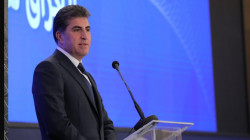
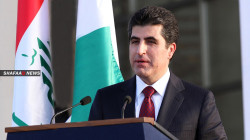
His September 2021 speech at the “Iraq, a Tragic Destiny” conference represents perhaps his clearest articulation of this philosophy. The speech’s emphasis on citizenship rights, ethnic and religious recognition, and inter-communal tolerance offers a framework that transcends narrow Kurdish interests while advancing them through broader regional stability.
Balancing Act: Strengths and Limitations
The strategic balance Barzani has achieved—serving simultaneously as a reliable Western ally and acceptable regional partner—represents a significant diplomatic achievement. His success in maintaining strong ties with the United States and European Union while addressing Turkish and Iranian concerns demonstrates sophisticated statecraft. The policy of “inclusion, not separation” for Kurds across the region supports state sovereignty while advancing Kurdish rights—a formula that could serve as a model for other minority-majority relationships.
However, this approach is not without risks and limitations. The delicate balance requires constant recalibration and depends heavily on Barzani’s personal credibility and relationships. Any significant shift in regional power dynamics or leadership changes in key capitals could destabilize this carefully constructed equilibrium. Moreover, the approach may disappoint Kurdish constituencies seeking more assertive advancement of national aspirations.
Regional Impact and Future Prospects
The broader implications of Barzani’s diplomatic approach extend beyond Kurdish interests. His emphasis on creating “common interests between the states of the region, the Kurds and other communities on the issue of security” offers a potential framework for addressing some of the Middle East’s most intractable conflicts. The principle that minorities should be treated as “equals, not guests” in their states, while maintaining full constitutional participation, could inform solutions to various ethnic and sectarian tensions across the region.
Final words
Nechirvan Barzani’s regional diplomacy represents a pragmatic evolution in Kurdish political strategy. By prioritizing stability over maximalist positions and building trust through consistent adherence to stated principles, he has created space for Kurdish advancement within existing state structures. While the approach requires constant diplomatic finesse and may not satisfy all Kurdish aspirations, it has demonstrably improved the Kurdistan Region’s security and international standing.
The test of this diplomatic strategy will ultimately be its durability through changing regional circumstances and its ability to deliver tangible improvements for Kurdish populations across the region. Thus far, the evidence suggests that principled pragmatism may indeed offer a more sustainable path than confrontational nationalism in the complex realities of Middle Eastern politics.