Baghdad’s bright minds: Engineering Iraq’s comeback


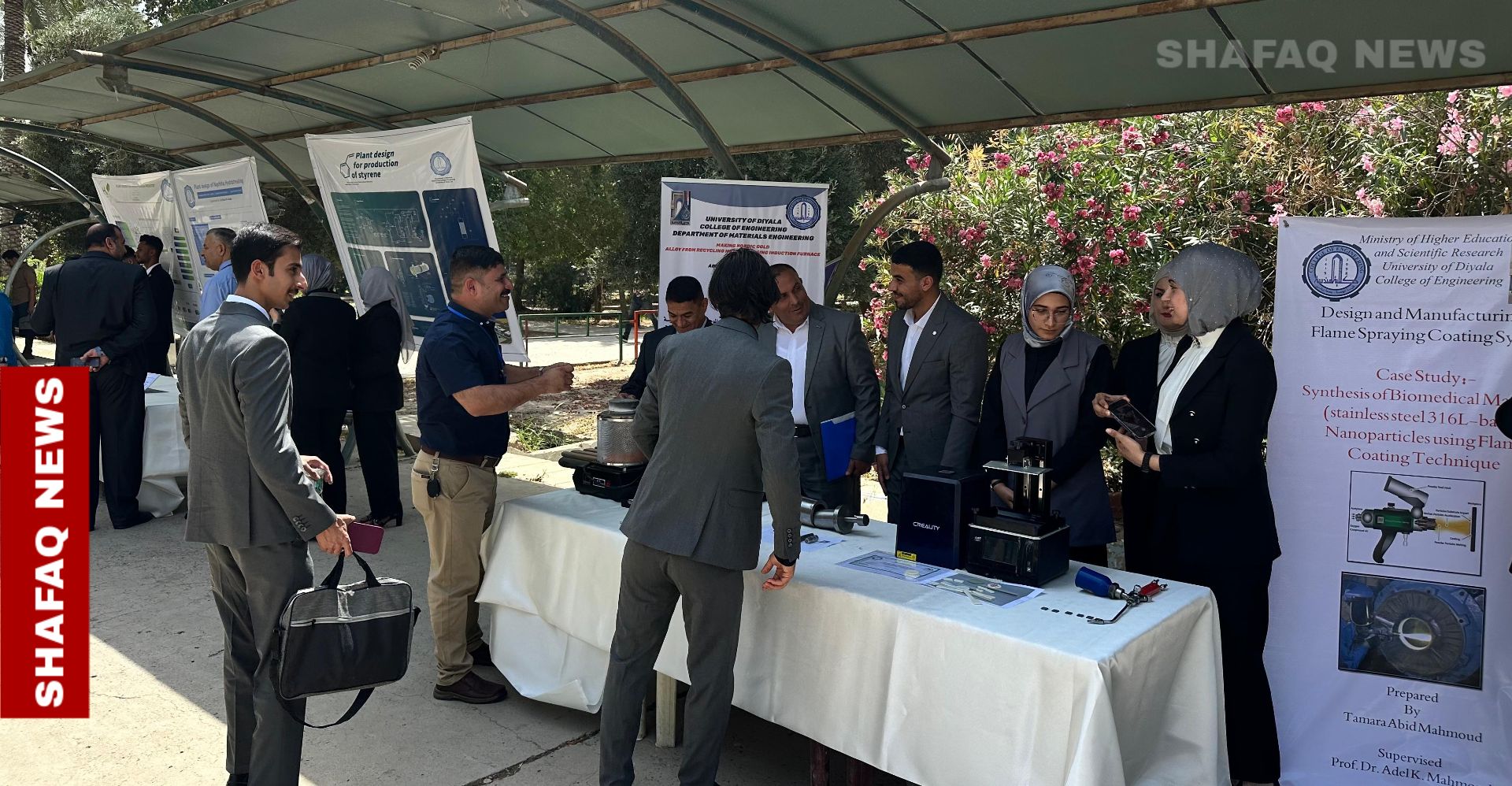
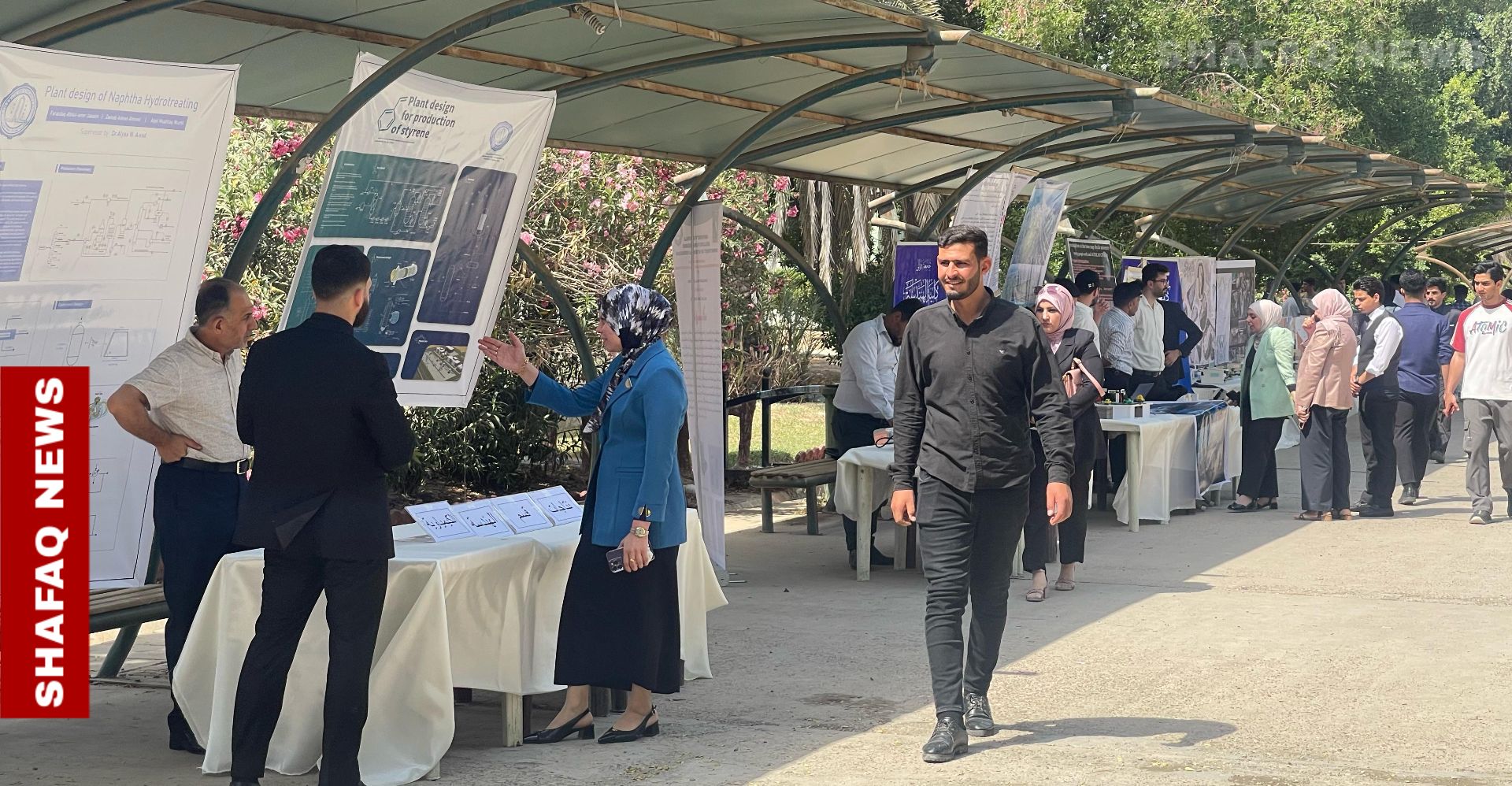
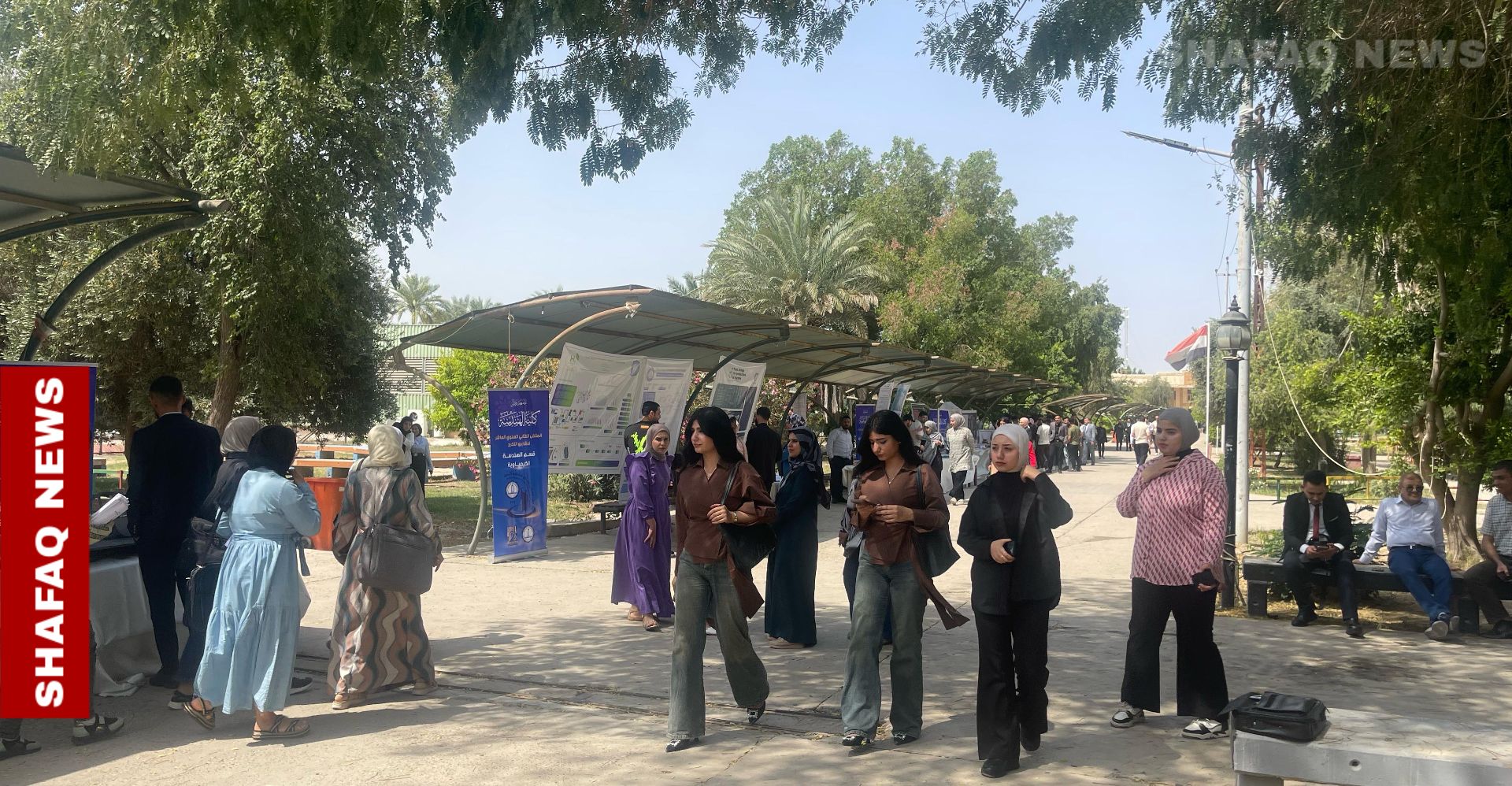
Shafaq News/ In a country too often associated with crisis, a student exhibition at Diyala University’s College of Engineering offered a compelling counterpoint—highlighting Iraq’s overlooked potential as a rising force in science and technology.
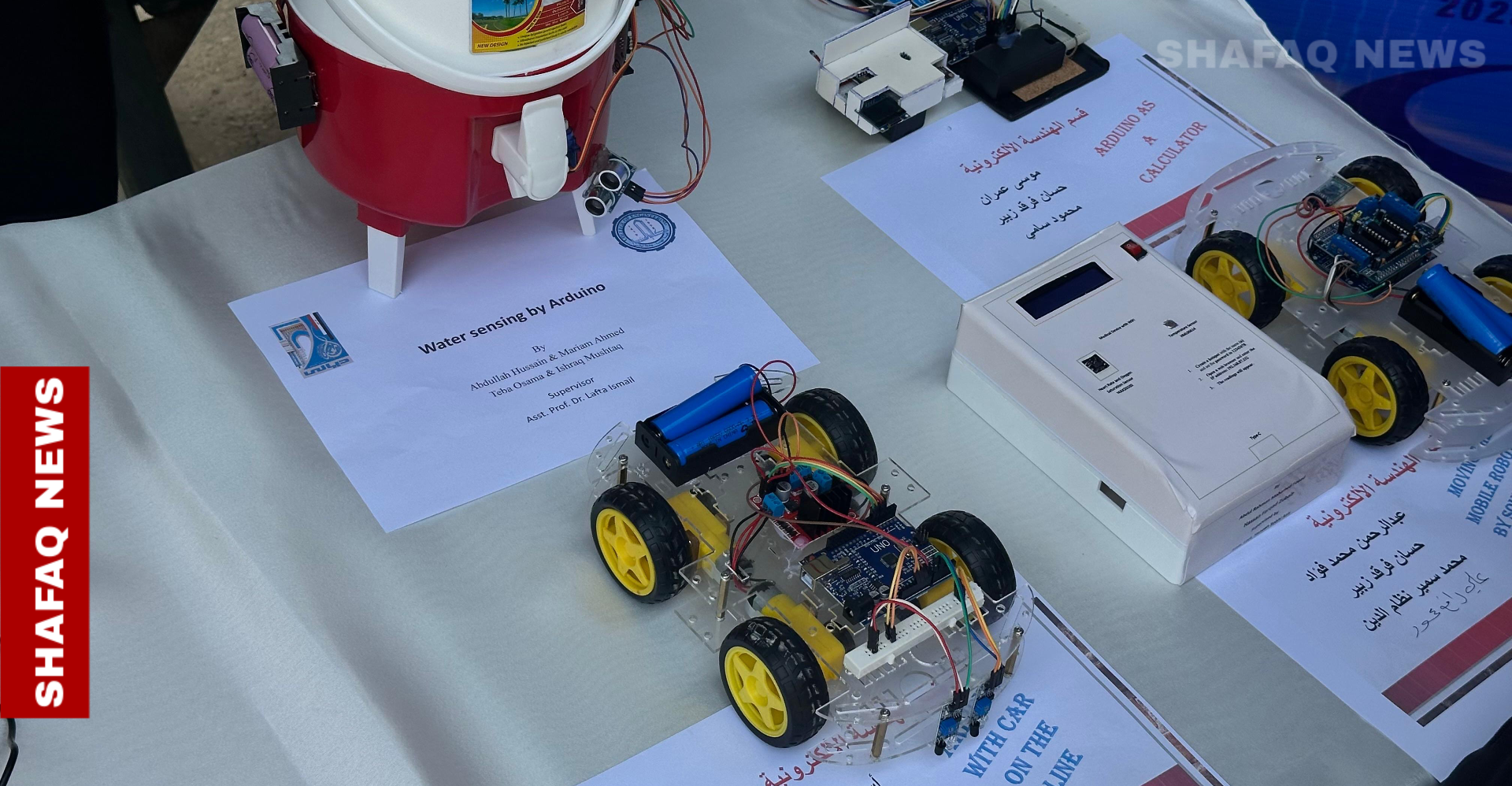
The event, held Tuesday, showcased original student work in electronic engineering, communications, energy, and digital security. Far from academic theory, these were practical, field-ready solutions targeting real-world challenges—from renewable energy to autonomous systems and secure communications.
Reconnecting with a Legacy of Innovation
Iraq’s contributions to innovation span millennia. As the cradle of civilization, ancient Mesopotamia pioneered the wheel, irrigation, and early systems of mathematics and writing. Centuries later, Baghdad’s House of Wisdom became a global center for scholarship, producing breakthroughs in astronomy, medicine, and mechanical engineering.
More recently, in the mid-20th century, Iraq led the region in fields like telecommunications and energy research. Public universities—including Baghdad, Basrah, and Mosul—were engines of technical progress, advancing satellite communication and petroleum engineering.
Though war and sanctions undermined this progress, Iraq’s scientific legacy endures. Today, institutions like Diyala University are helping to revive that tradition, empowering a new generation of engineers to address the country’s evolving needs.
Innovation on Display
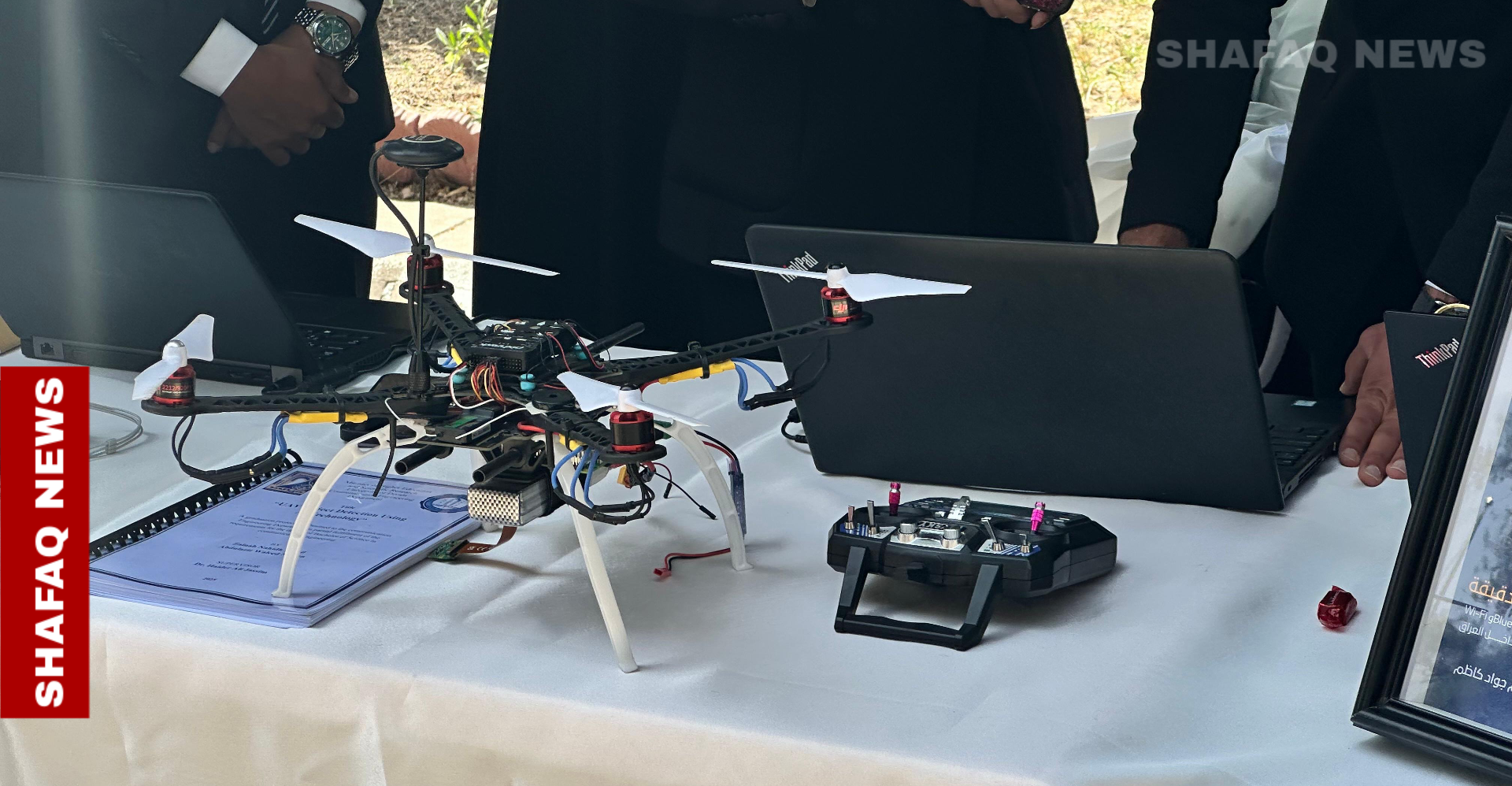
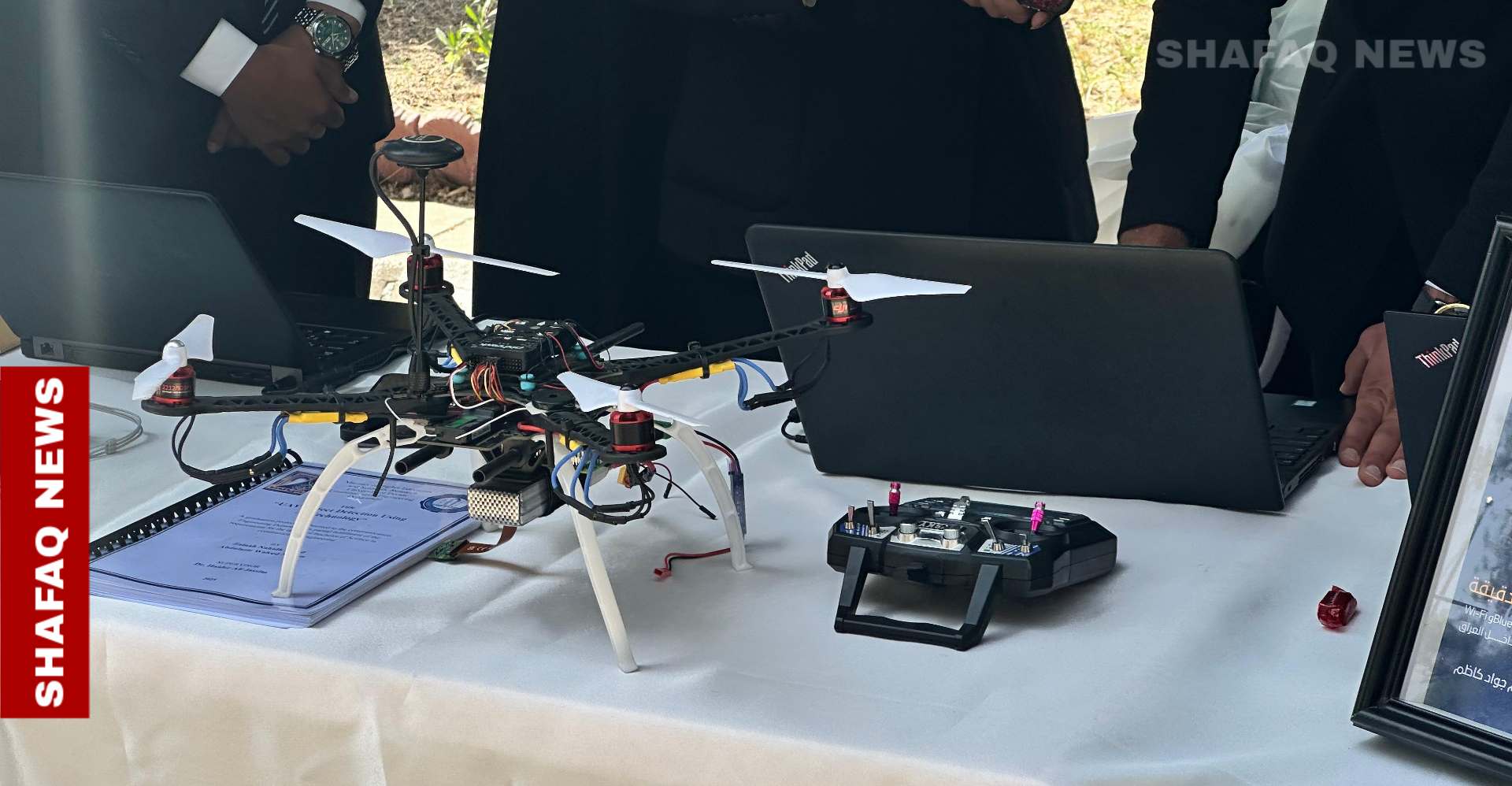
Among the exhibition’s highlights was an advanced drone designed by Zainab Nahidh and her colleague from the Department of Electronic Engineering. Their prototype features real-time object detection using onboard processing—eliminating the need for ground-based analysis and enhancing both speed and accuracy.
“This technology improves surveillance capabilities by processing data mid-flight, making it far more efficient than conventional drones,” Nahidh told Shafaq News.
Another standout project came from communication engineering student Sabrin Mohsen Alawi, who introduced a prototype for an underwater communication device. Using a stabilized electromagnetic field, the system maintains signal integrity regardless of depth or environmental conditions.
“It’s highly adaptable,” Alawi explained, “and applicable in military operations, marine exploration, and offshore oil platforms.”
In the energy sector, Haidar Abdul Hadi presented a smart solar panel equipped with a motorized 360-degree tracking mechanism. The system follows the sun throughout the day, maximizing energy capture—an especially valuable innovation for a country with high solar exposure but minimal renewable energy infrastructure.
The International Renewable Energy Agency estimates Iraq receives over 3,000 hours of solar radiation annually, yet renewable energy accounts for a negligible share of national consumption.
From Campus to Market
Crucially, these innovations won’t be left to gather dust. Diyala University President Tahseen Hussein confirmed that the university has already begun the process of moving select projects toward commercialization through its technology incubator. Scientific committees are assessing designs for potential patent registration, particularly in artificial intelligence, wind energy, and smart infrastructure.
“Several of these innovations are already eligible for patents,” Hussein told our Agency. “The university will develop some of the projects for use and benefit within the campus.”
This approach—channeling academic research into viable startups—is rare in Iraq’s higher education system but could prove transformative. With public sector employment dominant and research and development spending below 0.1% of GDP (UNESCO, 2023), models like this could help lay the groundwork for a more innovation-driven economy.
Bridging the Talent Gap
Despite these positive signals, structural obstacles remain. Iraq continues to suffer from brain drain, with thousands of skilled professionals leaving the country due to limited opportunities and security concerns. Public universities face chronic underfunding, and collaboration between academia and industry is the exception rather than the rule.
However, recent developments suggest a shift may be underway. Iraqi ministries have begun partnering with international tech companies and development organizations to improve digital infrastructure and revitalize STEM education. Such efforts, though still emerging, reflect growing recognition that investing in talent and innovation is essential for long-term national resilience.
Events like the Diyala exhibition demonstrate that the talent pipeline exists—the question is whether the country can retain and empower it.