Baghdad is dying: The cost of environmental neglect


Shafaq News
By Ali Hussein Feyli
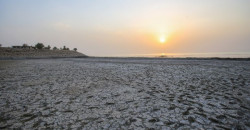
When this country’s water, land, and skies are in their worst condition, the plans and statistics placed on the desks of environmental policymakers are not enough to grasp the depth of the crisis. Official reports may measure falling water levels in the Tigris and Euphrates or concentrations of dust and fine particles over cities, but the long-term risks are far greater than figures and indicators alone can capture.
What Iraq faces today is not merely environmental degradation, but a decline in the historical awareness that shaped a culture of adapting to nature over thousands of years. Mesopotamian civilization was built around the value of land and rivers as foundations of life and stability, and as resources to be preserved rather than depleted, because society’s prosperity was always tied to its ability to manage its resources and live within nature’s limits.
That balance began to break down when oil extracted from beneath the ground became the center of the economy, while the value of resources above it —water, agricultural land, orchards, and other natural assets— declined. Over decades, short-sighted decisions subjected the environment to unregulated exploitation and turned large areas of Iraq’s fertile landscape into sites of uncontrolled construction, without a long-term vision to protect what remained of the country’s resources.
Read more: Iraq’s water crisis: A structural rewrite of agricultural governance
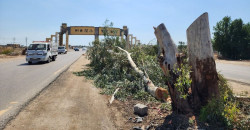
Large areas of orchards that once served as natural lungs for cities and as shields against heat, dust, and desertification were removed, while concrete development expanded at the expense of green land, reducing cities’ ability to withstand the effects of climate change and rising temperatures.
This painful shift went beyond poor management, leaving society with pollution, declining water resources, and shrinking vegetation while creating a cultural disconnect between younger generations and the natural environment that once formed part of Iraq’s memory and identity. Today, younger generations are growing up less connected to rivers, orchards, and clean air, and more accustomed to dust, pollution, and urban congestion.
Environmental decline is not simply the result of temporary administrative failures, but a sign of a deeper problem in how responsibility toward the country and future generations is understood. Addressing it requires more than superficial water agreements with neighboring countries or budgets for projects that lack planning, oversight, and effectiveness; it demands a change in how Iraq manages its land, water, and cities.
Read more: Salinity and drought ravage Iraq’s historic farmlands
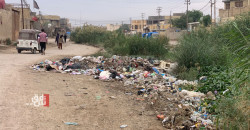
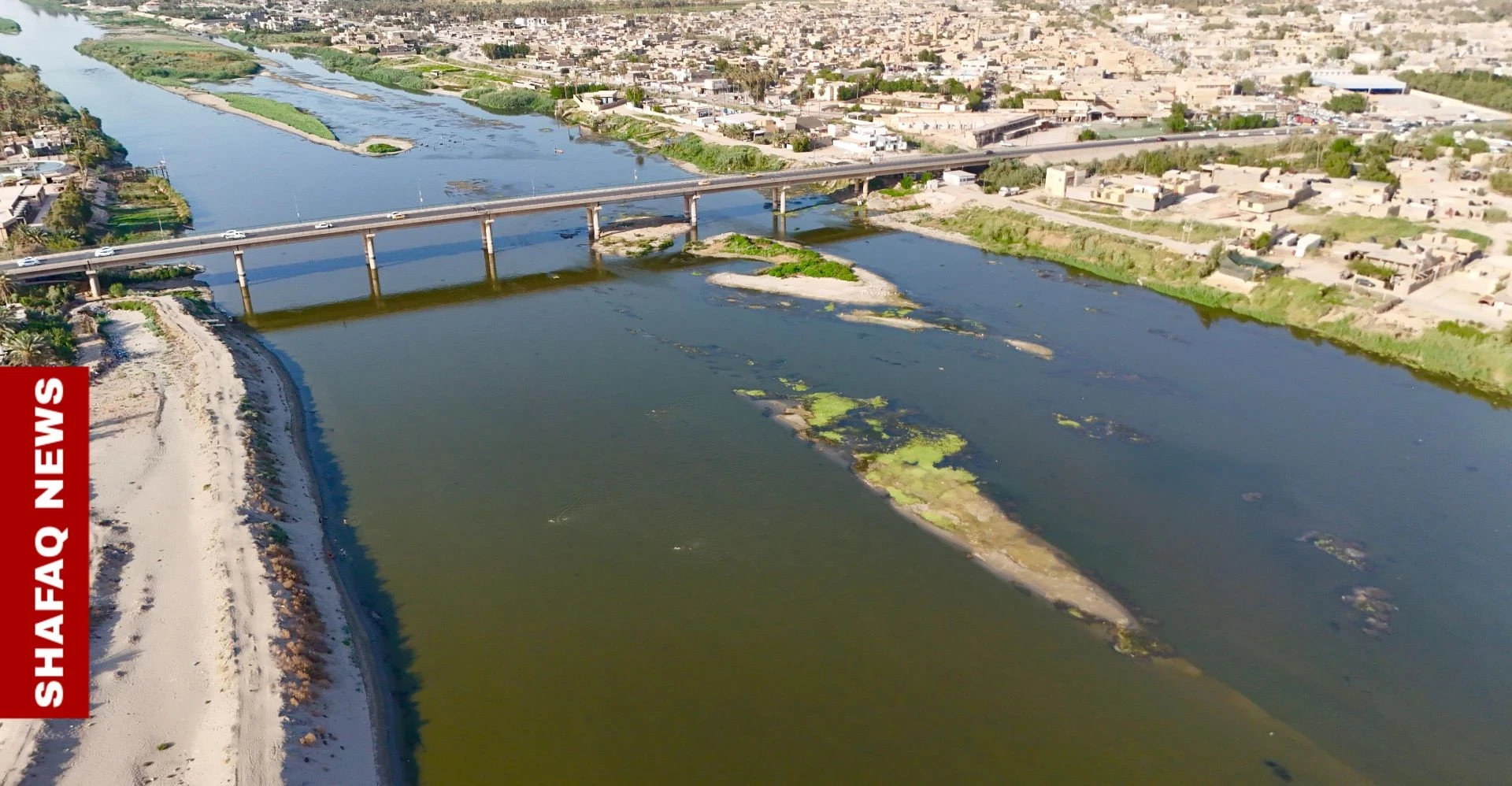
Baghdad today offers a painful example of the consequences: polluted land, dust-laden air, and water under growing pressure show that the environmental crisis is no longer a marginal issue, but has become part of the crisis affecting quality of life itself.
When nature is depleted and the country itself is turned into a commodity, the cost of repair becomes far greater than the cost of protection, with some losses eventually reaching a point where money alone, regardless of how much is spent in the future, can no longer compensate for them.
This article was originally written in Arabic.