A thousand years of presence: Daqouq minaret awaits heritage revival


Shafaq News
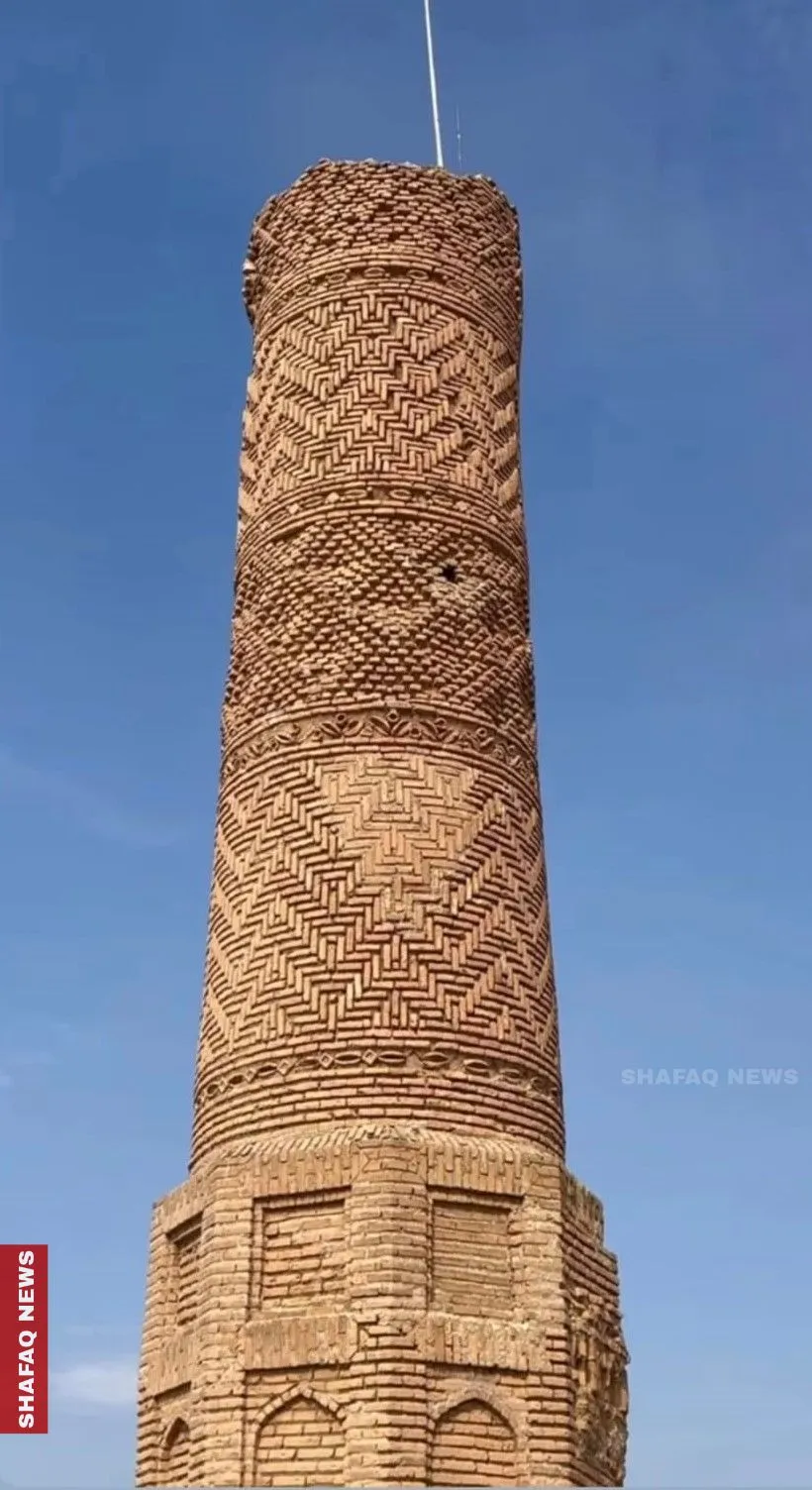
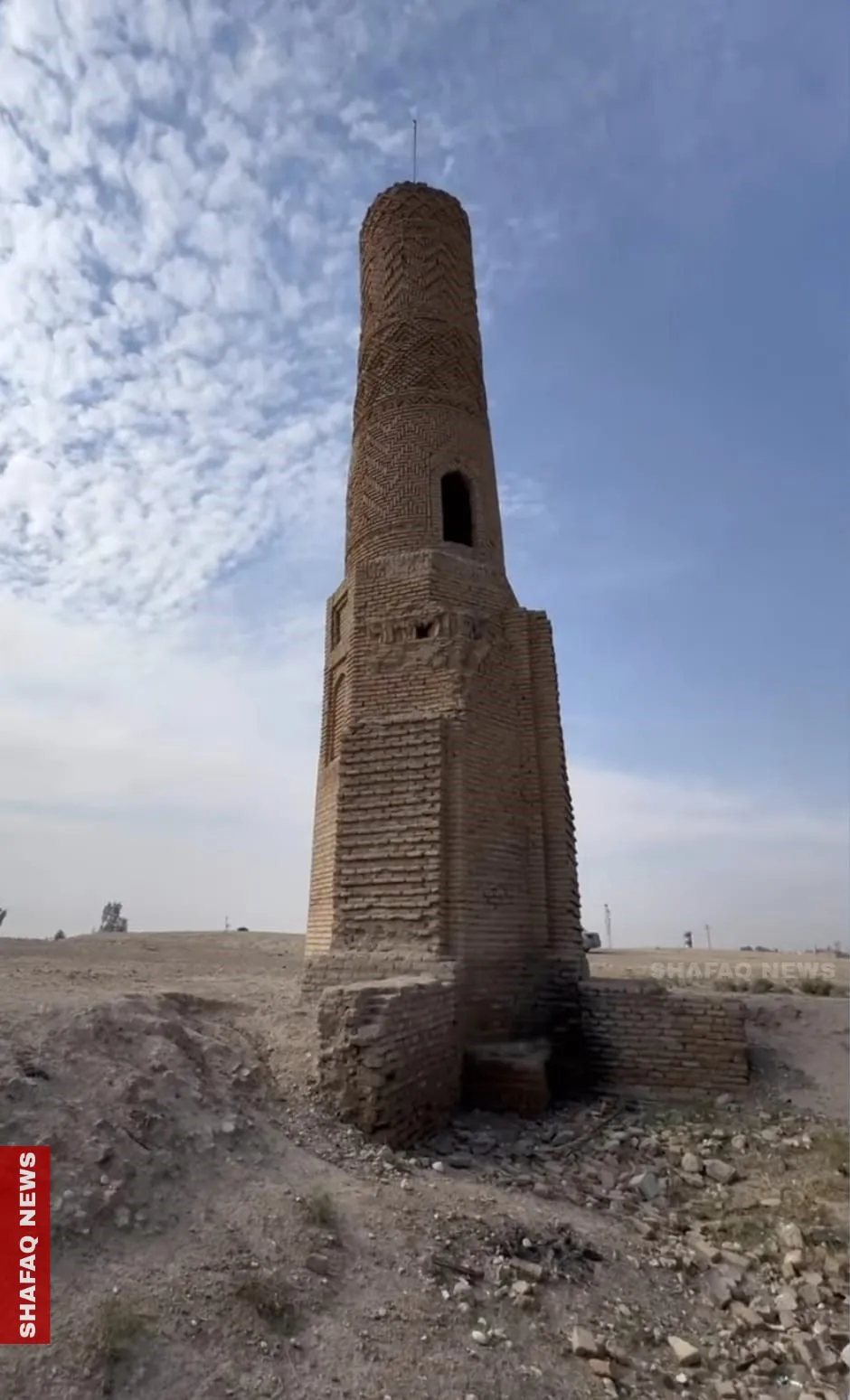
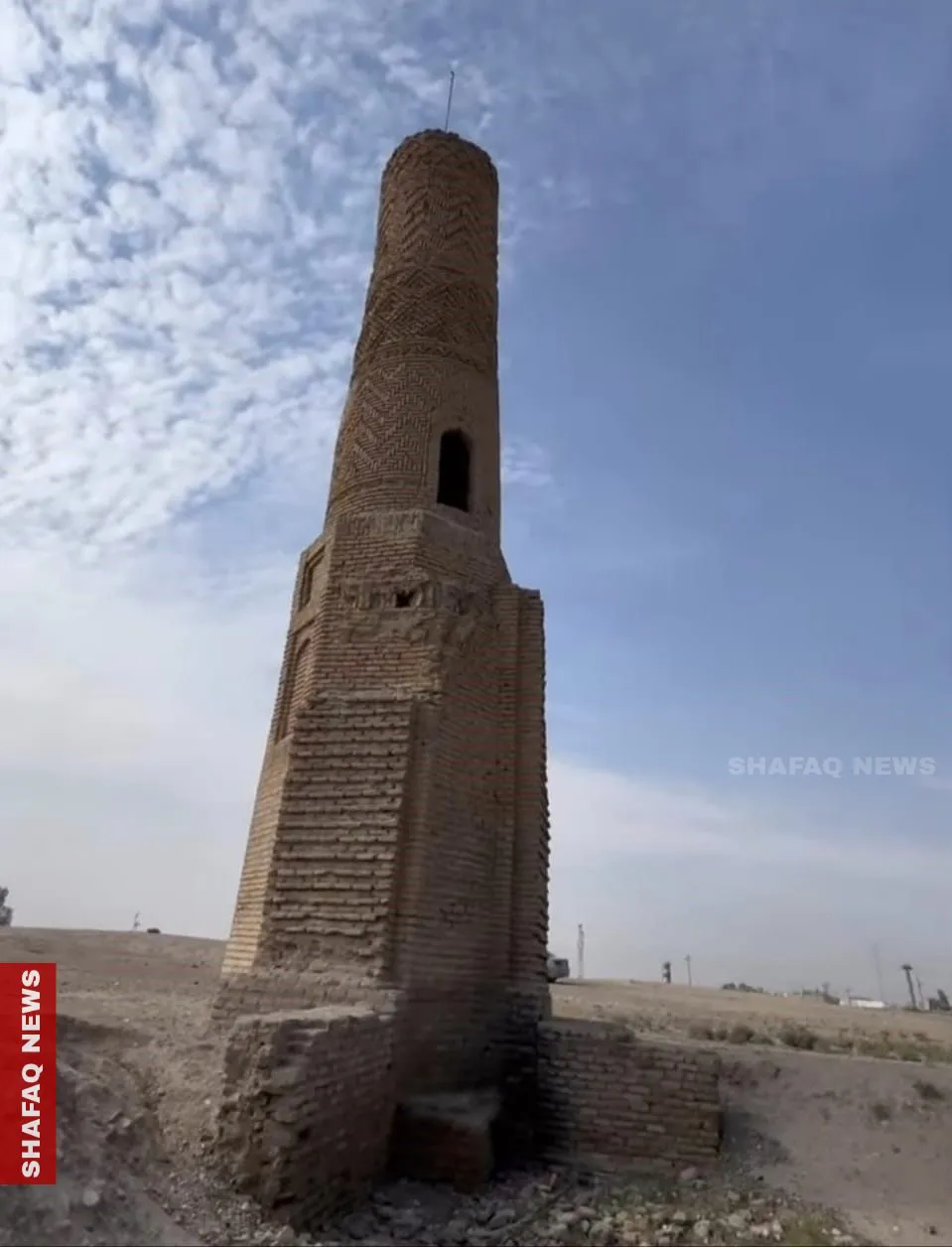
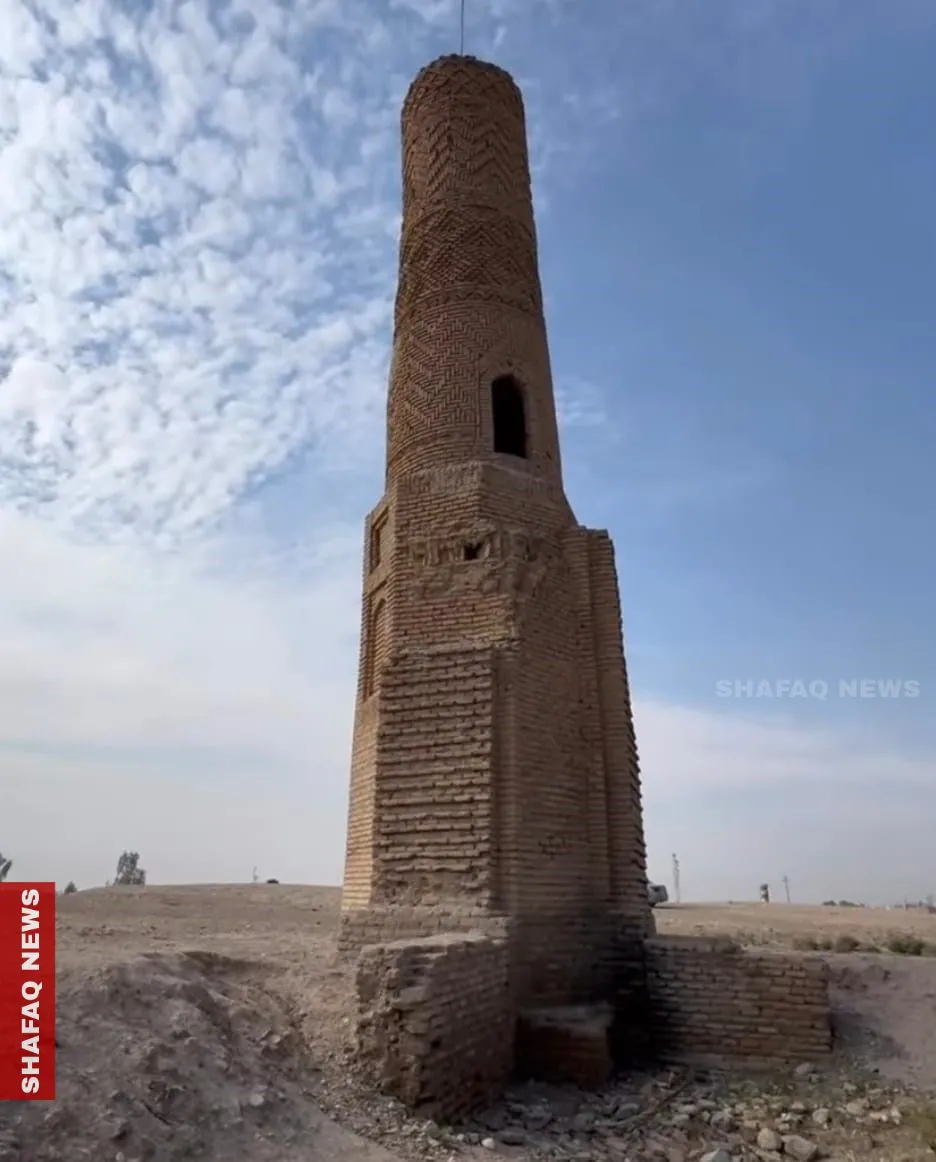
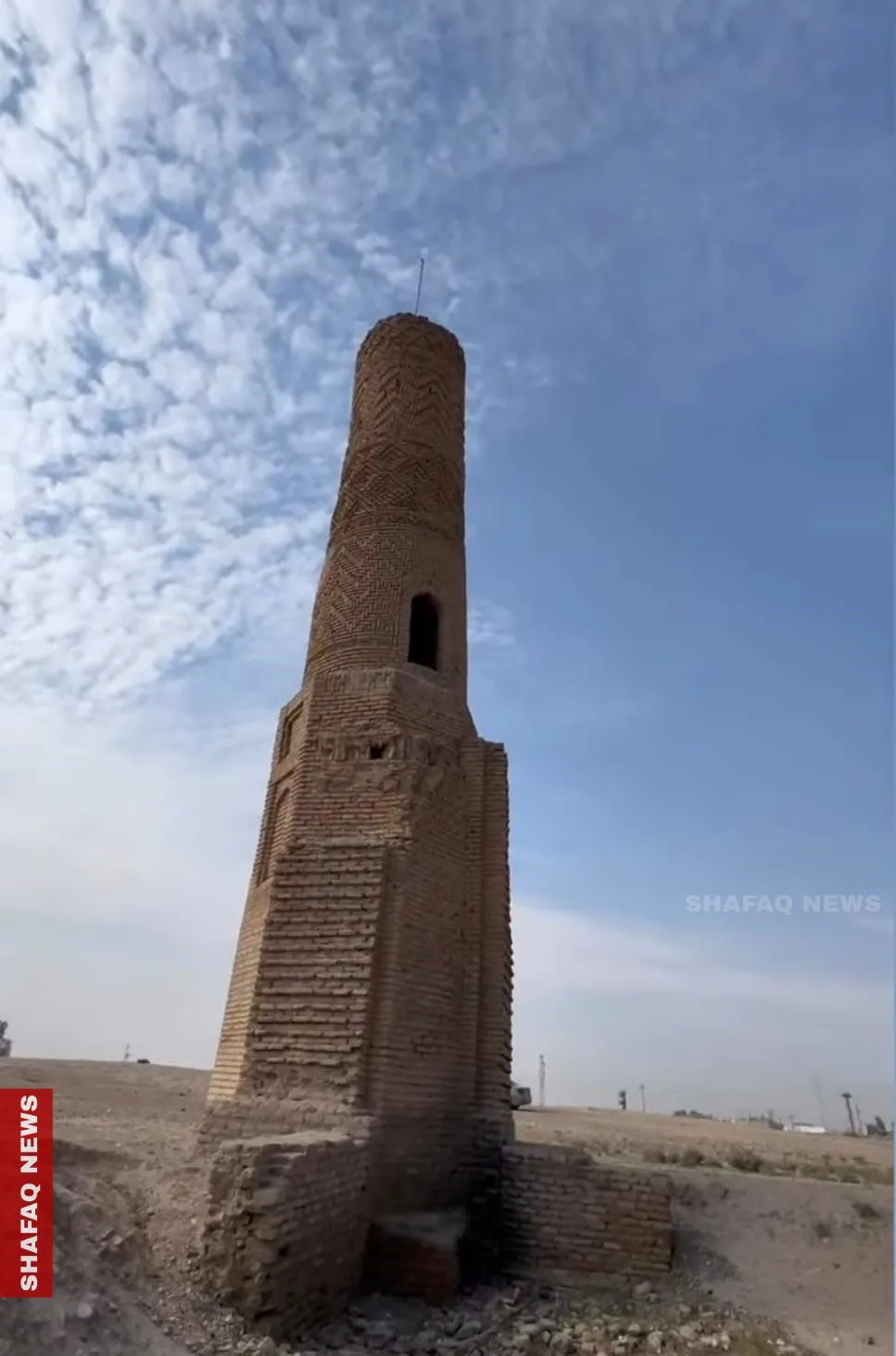
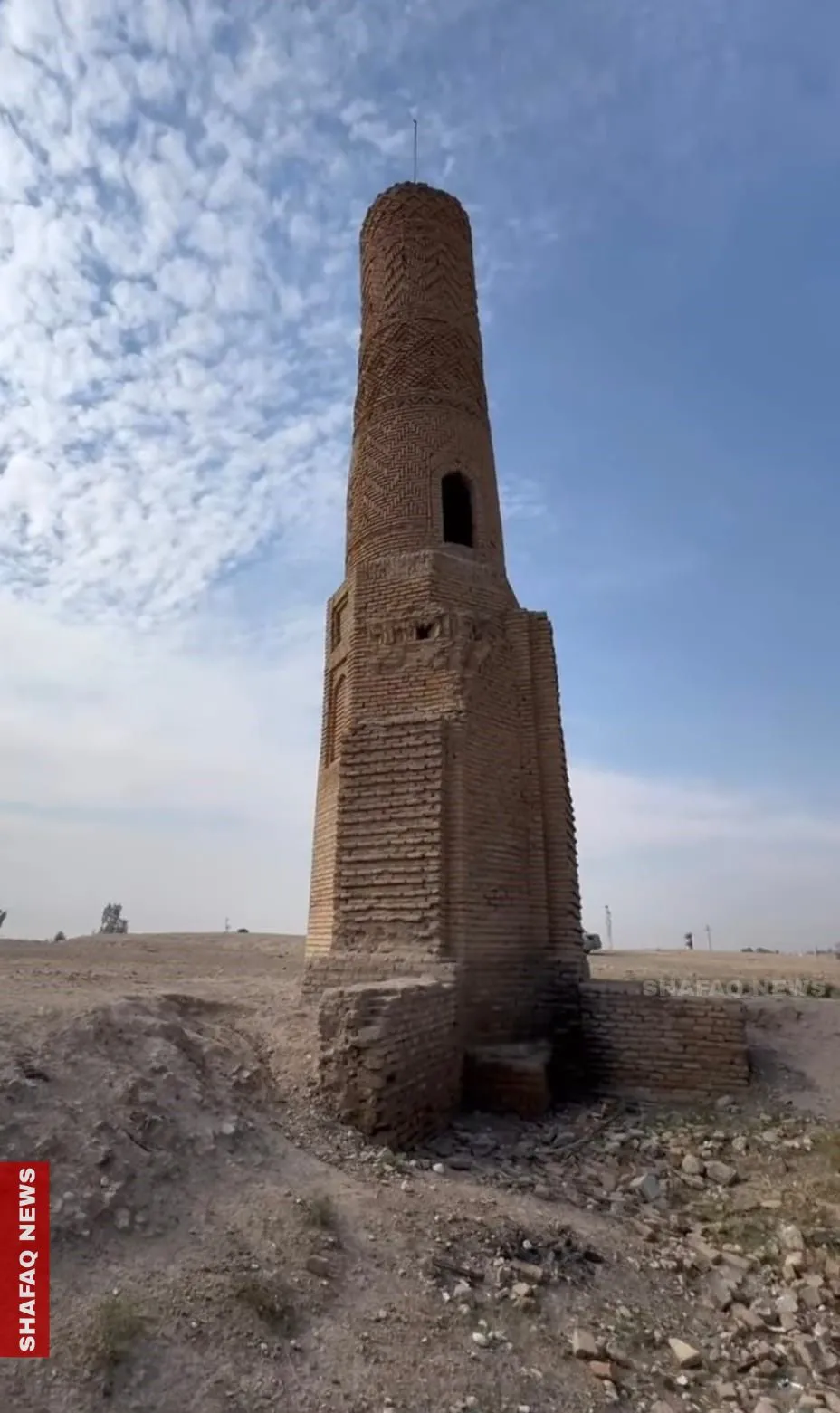
For anyone driving along the old road that links Kirkuk to Baghdad, a single structure rises from the flatlands long before the rest of Daqouq comes into view. It is the Daqouq Minaret — a slender, weather-worn tower that has watched over caravans, travelers and changing empires for nearly a thousand years.
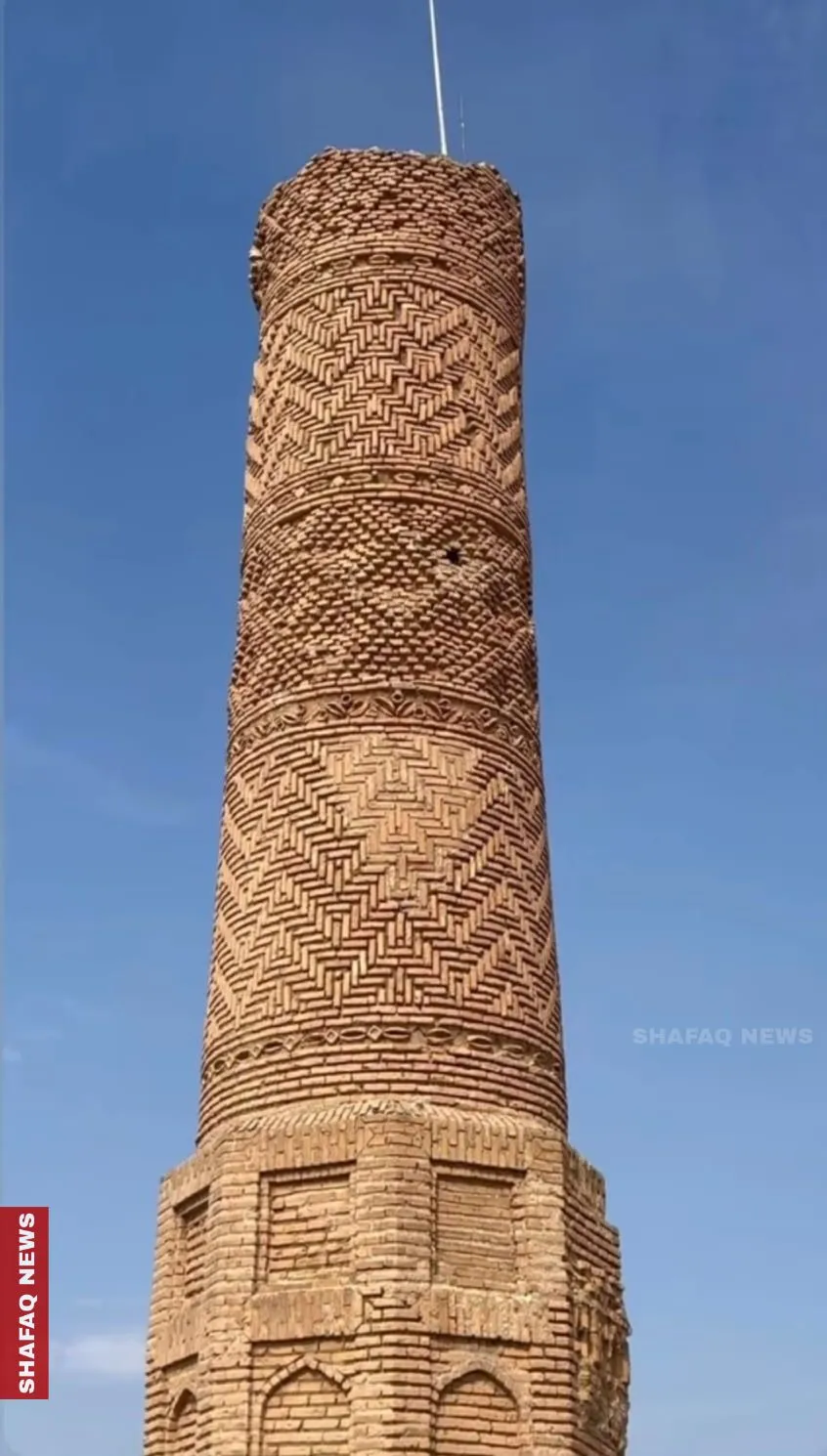
Even today, with cracks along its cylindrical body and pieces of its crown missing, the minaret stands with a stubborn kind of elegance, reminding visitors that northern Iraq’s history is never far from sight.
Locals often describe the minaret as the “last survivor” of a grand Abbasid-era Mosque that once anchored religious life in the district. Studies indicate it was built sometime between the 11th and 12th centuries, a period when the Abbasid realm expanded its architectural influence deep into Iraq’s northern regions. The mosque itself has long vanished, but the minaret — almost 20 meters high — continues to rise from its square foundation, anchored to the memory of the community that once surrounded it.
Its builders fashioned it from brick and gypsum, two materials that defined Abbasid construction and were widely used across Iraq for their resilience to heat and shifting winds. The exterior features simple geometric patterns — measured and symmetrical, reflecting the restrained style often observed in Islamic architecture of the Middle Ages.
Inside, a narrow spiral staircase once led callers to the top balcony, where the “muezzin’’ delivered the call to prayer, and just as importantly, provided guidance to caravans traveling at night along the busy trade route between Baghdad and Mosul. For centuries, the minaret served as both a religious structure and a navigational marker.
Even in its current state, its
visibility remains striking. Rising above the surrounding fields, it is easy to
see why travelers once relied on it. Despite erosion nibbling at parts of its
structure and fissures spreading across its body, the minaret maintains a
presence that is hard to ignore.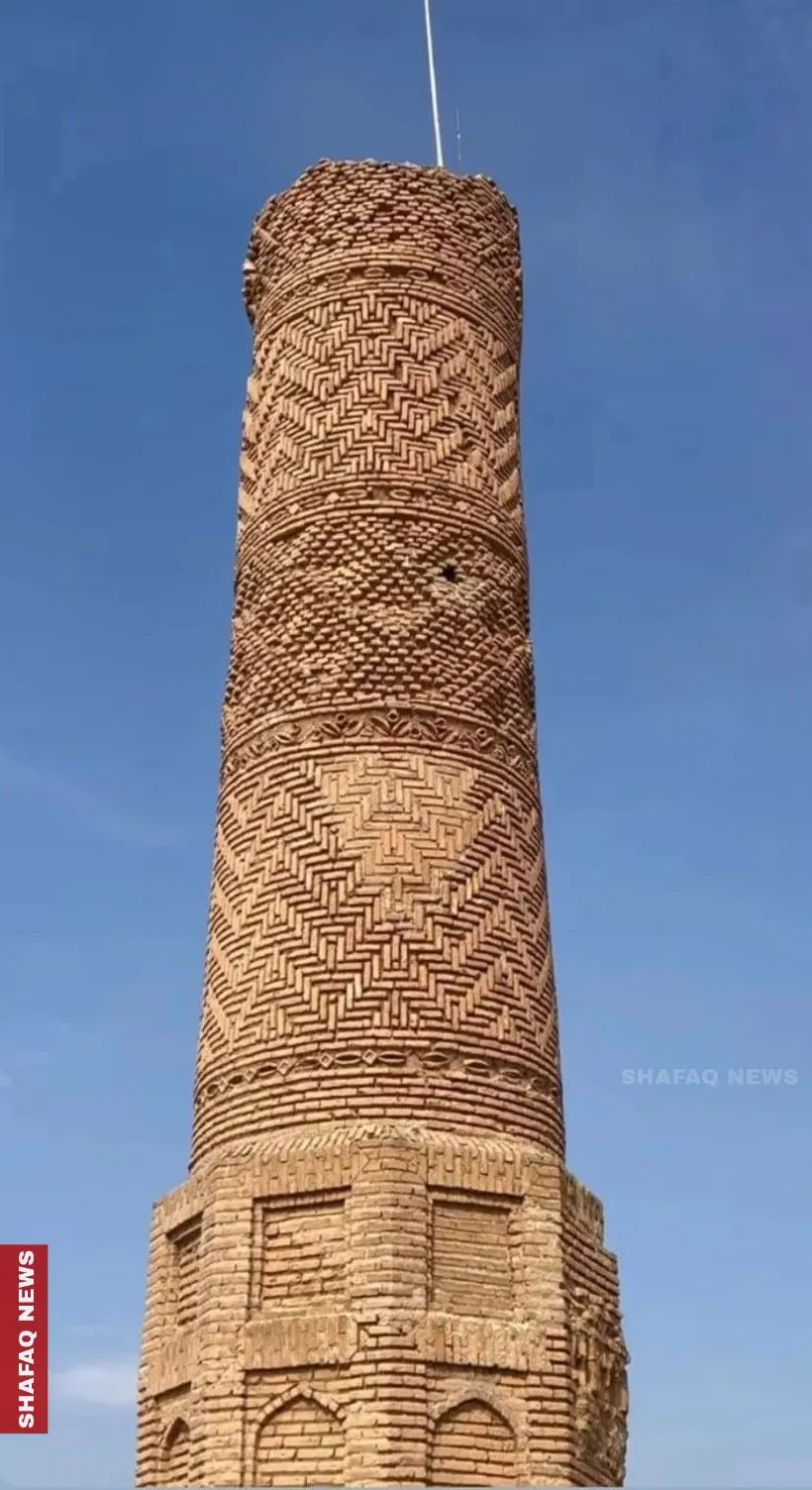
Local officials recognize the minaret’s historical and tourism potential. Daqouq District Administrator Sarhad Al-Din Nazem Al-Asi considers it “one of the district’s most important heritage sites in southern Kirkuk, a cultural symbol that must be preserved as part of the area’s identity.”
Speaking to Shafaq News, he notes that his administration is coordinating with relevant authorities to place the site on priority restoration lists — an initiative aimed at boosting tourism and supporting local businesses.
Al-Asi adds that securing technical and financial assistance is essential to “ensure scientific restoration and protect the site from encroachment and natural damage,” particularly as Iraq experiences increasingly harsh seasonal weather.
Kirkuk Antiquities and Heritage Director Raed Akleh Al-Ubaidi, who has overseen multiple inspections of the minaret, describes it as “one of the province’s oldest Islamic landmarks, representing an important example of early Islamic architecture in northern Iraq.”
Al-Ubaidi explains to our agency that his team recently completed site surveys and engineering documentation to map the cracks and assess structural stability, noting that the minaret requires “proper funding and specialized technical teams to carry out precise restoration work that preserves its authenticity.”
“Preserving the minaret is a national responsibility tied to safeguarding Iraq’s heritage,” Al-Ubaidi asserts. “It is a historical witness that has endured over time without losing its character.”
The challenges are evident. Without
fencing or security measures, the site is vulnerable to encroachment and
accidental damage. Wind, rain, and extreme temperature swings — which Iraq’s
Meteorological Authority reported have increased by nearly 15% in intensity
over the past two decades — continue to erode the surface. “Without
intervention, deeper structural damage could develop within the next few
years,’’ Al-Ubaidi warns.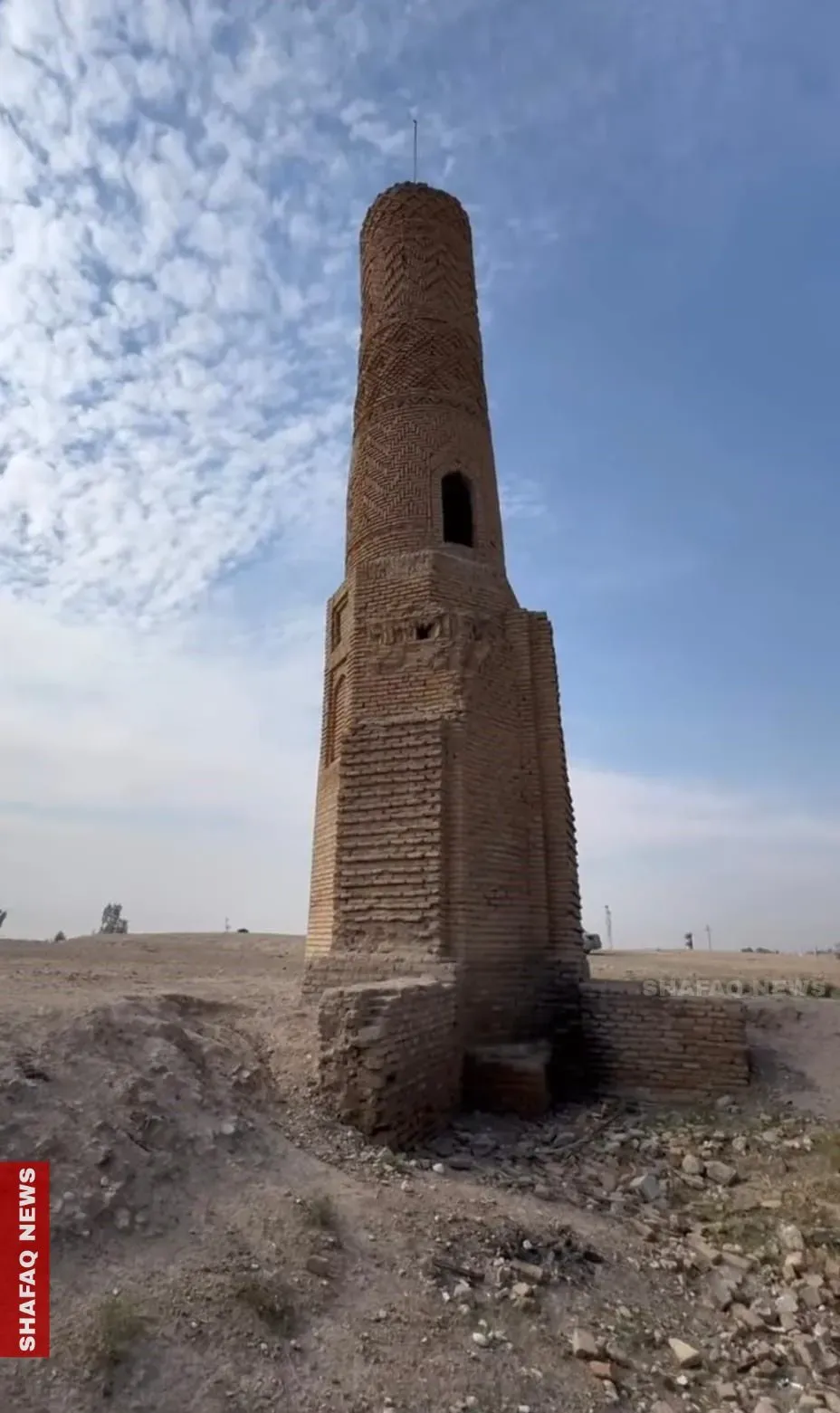
Still, the minaret remains one of Kirkuk’s most promising heritage assets. Its position along the main highway provides natural visibility, and tourism planners suggest it could be included in a broader cultural circuit featuring sites such as Kirkuk Citadel, the Qishla Clock Tower and the historic houses surrounding the old market.
Across Iraq, similar structures have successfully attracted domestic and foreign visitors. The famous minaret of Al-Hadba in Mosul — though severely damaged in 2017 — is now under reconstruction, with UNESCO estimating that over 300,000 people visited the surrounding area last year.
In Samarra, the iconic spiral minaret of the Great Mosque continues to draw tens of thousands of tourists annually, while surviving Abbasid minarets in Al-Anbar and Diyala serve as reminders of a period when Islamic architectural innovation flourished along the Tigris.
These examples place Daqouq’s minaret within a wider national context of heritage revival. Iraq’s Tourism Board reported a 22% rise in internal heritage tourism in 2023 — a trend driven by improved security, better road access and increased public interest in historical sites.
If restored, the Daqouq Minaret could join this growing map of destinations. Restoration would not only preserve a centuries-old structure but also reconnect Kirkuk to an era when architecture, faith and trade defined life along northern Iraq’s routes.
Written and edited by Shafaq News staff.