A Lost Term: Iraq’s weakest parliament since 2003


Shafaq News
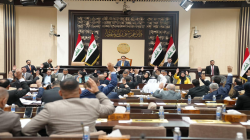
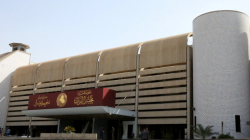
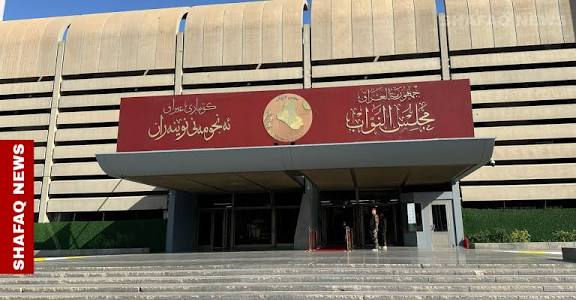
For nearly four years, Iraq’s current parliament has struggled to function, earning a reputation as one of the weakest since 2003. The fifth chamber, since the 2005 constitution was adopted, has consistently fallen short of expectations, missing chances for reform despite a period of relative stability and strong oil revenues.
Quorum Lost
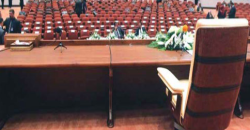
Repeated postponements, deadlocks, and cancellations due to lack of quorum have defined this term. Lawmaker Thaer Mukhif, from the State of Law Coalition, told Shafaq News that these disruptions stem from “some deputies’ disregard for the responsibility and trust granted to them by the people,” with many agenda items serving narrow interests rather than the broader public.
He said sectarian appeals remain a political tool for leaders who “have achieved nothing substantial on the ground,” using them to mobilize supporters “without a sense of national responsibility.”
Mukhif also cast doubt on progress in the coming months, saying, “The current political environment is not conducive to holding parliamentary sessions,” making it unlikely that meaningful meetings will take place.
According to Shafaq News data, as of April 2, 2025, parliament has held only 132 sessions since January 2022, less than 51 percent of its mandated workload. Under internal rules, parliament must hold eight sessions per month, or 32 in each four-month term. Several scheduled sittings collapsed, including two consecutive failures earlier this week despite 11 agenda items, seven of which involved draft laws.
Leadership disputes have added to the paralysis. After former Speaker Mohammed al-Halbousi’s removal in 2023, the speakership remained vacant for nearly a year. Deputy speakers often clashed, leading to boycotts and withdrawn agenda items.
Independent lawmaker Mohammed Anouz, a member of the Legal Committee, described this record as “a clear neglect of responsibility toward the public,” citing absenteeism and the absence of penalties. He stressed that deputies must treat their positions as a mandate to serve citizens, “not a political luxury.”
Unfinished Laws, Unmet Needs
Political analyst Muhannad al-Rawi told Shafaq News the current term represents “the lowest level of parliamentary performance since 2003,” blaming leadership disputes, the withdrawal of the Muqtada Al-Sadr-led Patriotic Shiite Movement, and the year-long vacuum after al-Halbousi’s removal. He added that parliament’s credibility suffered when it passed three divisive laws — the General Amnesty Law, the Personal Status Law, and the Property Restitution Law — amid quorum controversies.
Several foundational laws remain unpassed, including the long-delayed Federal Court Law (defining the powers of Iraq’s top judiciary), the Oil and Gas Law (regulating revenue sharing with the Kurdistan Region), and reforms on party financing and provincial governance. Fewer than 100 laws were passed during this term, compared with more than 400 in the first post-2003 parliament. Oversight has also weakened, with ministers rarely questioned and committees often failing to issue timely reports.
Al-Rawi emphasized that earlier parliaments, even during the civil war (2006–2010) or the ISIS conflict (2014–2018), passed more laws and maintained oversight, underscoring the extent of paralysis in today’s calmer circumstances.
Read More: No end in sight: Iraq's Parliament drowns indelays and disagreements
Political analyst Abdallah Shalash al-Kinani agreed, describing this chamber as “one of the least successful parliaments among all,” with repeated absenteeism and quorum failures disrupting crucial legislation. “The chamber is in a critical stage, barely functioning, with disarray inside its leadership,” he said.
Constitutional law professor Ahlam al-Taie of Baghdad University argued parliament “failed to use its constitutional tools effectively, whether in forming investigative committees or enacting foundational laws,” citing the Federal Court, Oil and Gas, and party regulation laws as key unfinished business.
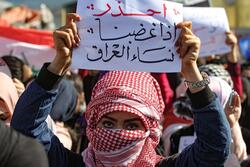
Civil society voices warned of direct consequences. Activists Haidar Karim and Haidar al-Taie told Shafaq News that parliament has failed to address unemployment, housing, public services, and corruption, leaving citizens frustrated and deepening political apathy.
A 2024 Baghdad University study estimated public trust in parliament at below 20 percent and projected voter turnout in the next elections could fall below 40 percent — raising questions about the legitimacy of the coming chamber.
A recent leadership meeting urged deputies and bloc leaders to attend sessions and pass laws, calling it “a national duty that cannot be postponed.”
Against this backdrop, nearly 20 million Iraqis are eligible to vote in the upcoming parliamentary elections.
Written and edited by Shafaq News staff.
Read More: Iraq’s Parliament in crisis: Only 51% of session sheld