150,000 archaeological sites, 556 tourists: Iraq's oil economy explains the gap


Shafaq News
Four thousand years after the Sumerians built the world's first cities on the banks of the Tigris and Euphrates, Iraq cannot build a hotel near one of them.
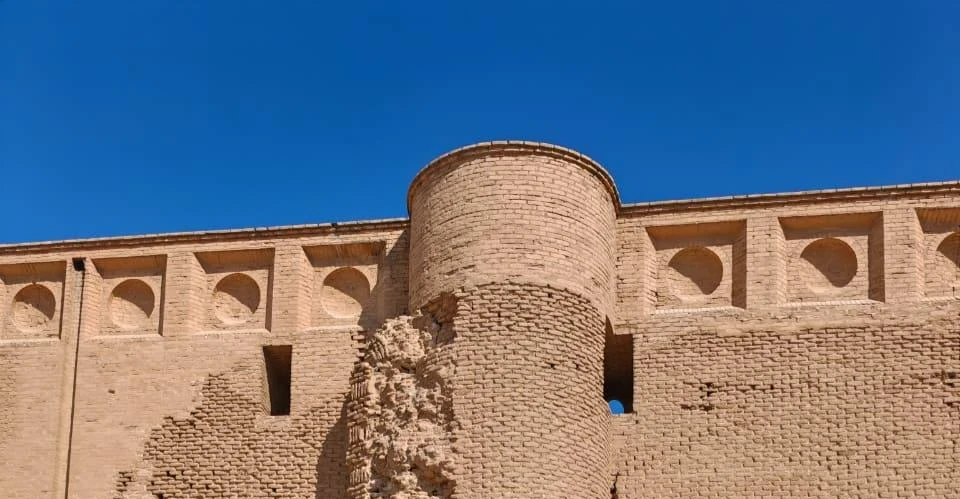
That is not a figure of speech. The Great Ziggurat of Ur —ancient Sumerian capital, birthplace of Prophet Abraham according to three of the world's major religions, and one of the best-preserved ziggurats on earth— sits near Nasiriyah with no hotel of international standard nearby, no signage on the roads leading to it, and no visitor infrastructure of any kind.
Iraq's Tourist Guides Syndicate president Mohammad Ouda al-Obaidi told Shafaq News that the country holds 150,000 registered archaeological sites, and “the state that owns them has not developed them in two decades, and the reason is that the oil always covers the bill.”
Iraq cannot develop its touristic assets, not primarily because of what was destroyed, but because the political economy, built on oil, has never built the institutional conditions that archaeological tourism requires. The infrastructure, the trained workforce, the transportation links, the visitor facilities —none have materialized, and the fiscal architecture of the Iraqi state explains precisely why.
What Was Lost
Over 36 hours in April 2003, 15,000 artifacts were stolen from the Iraq National Museum, according to UNESCO documentation. US-led Coalition forces established a military base inside the ancient city of Babylon, with damage documented in formal Iraqi Ministry of Culture complaints to the World Heritage Committee.
Then came ISIS. The ancient city of Nimrud, capital of the Assyrian Empire under Ashurnasirpal II, inhabited continuously from the 13th century BC and home to the most extensive surviving record of Assyrian royal bas-relief iconography, was stormed by ISIS fighters in March 2015. The five-meter-tall Bull of Nimrud, a lamassu, the winged bull with a human head that stood as a guardian to the palace gates, constructed in the ninth century BC, was destroyed with bulldozers and explosives. By the time Iraqi forces retook Nimrud in November 2016, 90% of its excavated zone had been completely destroyed, according to UNESCO's state of conservation records for Iraqi World Heritage sites. Hatra was bulldozed. The Mosul Museum was ransacked on camera. Antiquities looting became ISIS's second-largest source of income after oil, with some estimates suggesting the group earned up to $100 million annually from the illicit trade.
Tourism researcher Ayid Ghalib al-Taai, speaking to Shafaq News, noted that the withdrawal of foreign archaeological missions —the ministry's deputy minister confirmed more than 60 were active before the recent regional conflict— left sites undocumented, unexcavated, and unable to attract the infrastructure investment that turns a ruin into a destination.
International Efforts
The international response to Iraq's heritage destruction has been genuine and, in specific locations, consequential, but monument restoration and tourism infrastructure are two different problems, and only one has received sustained international attention.
On September 1, 2025, Iraq's Prime Minister Mohammed Shia al-Sudani inaugurated three major landmarks in Mosul: the Al-Nouri Mosque complex, Al-Saa'a Convent, and Al-Tahera Church, completing a UNESCO-led restoration project that UNESCO Director-General Audrey Azoulay described as "unprecedented in its complexity" as 80% of Mosul's Old City had been destroyed.
Read more: Al-Nouri Mosque: a historical and architectural examination
Italy also contributed to a full-scale 3D-printed replica of the Bull of Nimrud, relocated at the entrance of the Basrah Museum in February 2024, following display at the Colosseum in Rome and UNESCO's Paris headquarters. At Babylon, Iraq's sole UNESCO World Heritage Site, inscribed in 2019, restoration work at the Temple of Ninmakh and the Ishtar Gate continues under the World Monuments Fund, documented in Iraq's state of conservation report submitted to the World Heritage Committee in September 2024, according to the UNESCO World Heritage Centre.
Read more: From Babylon to Erbil: Iraq’s UNESCO sites and those next in line
What these initiatives have not resolved is the infrastructure gap. A 2026 academic study in the International Journal of Tourism Research, identifying Iraq's persistent challenges, noted security concerns, inadequate infrastructure, and insufficient professional training as the primary barriers to attracting international visitors, barriers that exist independently of heritage restoration progress.
Pope Francis's 2021 visit to Ur, the first papal visit to Iraq in history, illustrated the same dynamic precisely. Before the visit, archaeological director Ali Kadhim Ghanim told reporters: "We are counting on the Pope's visit, because it will increase the number of tourists in the city of Ur." The visit generated global media coverage and brought inter-religious significance to the Sumerian heartland. According to the Iraqi Tourism Authority, around 556 European and American tourists visited Iraq in 2024, three years after the papal visit. Tourism income in 2023 stood at $4.6 billion, a figure driven overwhelmingly by religious pilgrimage, not archaeological tourism. The symbolic moment did not translate into sustainable visitor flows because the infrastructure to receive those visitors was not built before, during, or after the visit.
Recognition Without Capacity
The Arab Tourism Organization's designation of Baghdad as the Arab Capital of Tourism for 2025 was the most significant institutional recognition Iraq's tourism sector had received in decades. Iraq's tourism income grew 25% in 2024 to $5.7 billion, up from $4.6 billion in 2023, and the Interior Ministry confirmed a sharp increase in Arab and foreign tourist arrivals in 2025 and early 2026, with Baghdad topping visitor numbers.
Read more: Discover Iraq: Baghdad, a city shaped by conflict and enduring hope
The growth is real, but its composition reveals the structural problem. The majority of foreign visitors in 2025 came for religious tourism, with more than 20 million pilgrims participating in Arbaeen, the world's largest annual religious gathering. European and American archaeological tourists numbered 556 in 2024, according to the Iraqi Tourism Authority —a negligible fraction of total arrivals. Jordan, with no Mesopotamia and a fraction of Iraq's archaeological inventory, generates comparable tourism revenues from a genuinely diversified international visitor base, according to World Bank tourism data.
Read more: Faith and finances: Religious tourism fuels Iraq’s economy
The Iraqi Tourism Authority acknowledged that the sector faces obstacles, including security warnings issued by European countries, China, and the United States against visiting Iraq, calling on foreign governments to reconsider those classifications.
Read more: Baghdad crowned Arab Capital of Tourism 2025: A turning point for Iraq's future
Then the US-Iran war began on February 28, 2026, in which Iraqi factions were involved and attacked American sites within the country. Tourism Economics, a division of Oxford Economics, projected that a two-month escalation could lead to a drop of as much as 27% in regional tourist arrivals across the Middle East in 2026, with non-GCC countries potentially seeing declines of up to 34% instead of a projected 33% increase. Iraq, sitting geographically between the conflict's primary parties, faced immediate travel advisory upgrades from multiple governments, erasing the gains the Baghdad Capital of Tourism designation had been designed to consolidate.
Built on Oil
Deputy Minister of Culture Fadel al-Badrani confirmed to Shafaq News that the ministry is operating on old plans and mechanisms currently in the process of being updated. Al-Taai told Shafaq News directly that the availability of oil resources is itself one of the causes that limited the turn toward archaeological tourism investment.
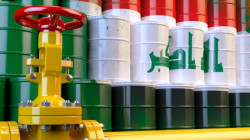
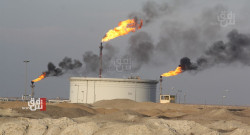
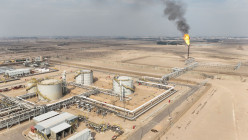
The fiscal data from Iraqi government sources explains the mechanism. According to the Iraqi Ministry of Finance's 2025 budget execution reports, salaries and pensions consumed more than 60% of federal expenditure, with investment spending falling to just 6.9% of total expenditures in the first half of 2025. The IMF's 2025 Article IV mission, citing Iraqi federal finance data, found that the oil price required to balance the budget rose to $84 per barrel in 2024, up from $54 in 2020. A state in which development spending is the first casualty of every fiscal squeeze has not built the hotels, roads, visitor infrastructure, and trained workforce that archaeological tourism requires; the fiscal calculus has consistently prioritized salary obligations over capital investment.
Al-Taai told Shafaq News that "necessity is the mother of invention," pointing to fiscal pressure rather than policy planning as the more likely driver of change in the sector.
Iraq's National Development Plan for 2024–28, with an estimated budget of $184 billion, lists tourism as a priority alongside anti-corruption reforms and governance improvements —a structure consistent with previous diversification plans Iraq has produced since 2003.
The Ziggurat of Ur will keep rising from the Mesopotamian plain, built by the Sumerians, survived by four thousand years of history, and still waiting, on a road with no signage, for the infrastructure that would allow the world to reach it.
Written and edited by Shafaq News staff.