Water and fuel scarce: Gazans struggle to survive


Shafaq News – Gaza
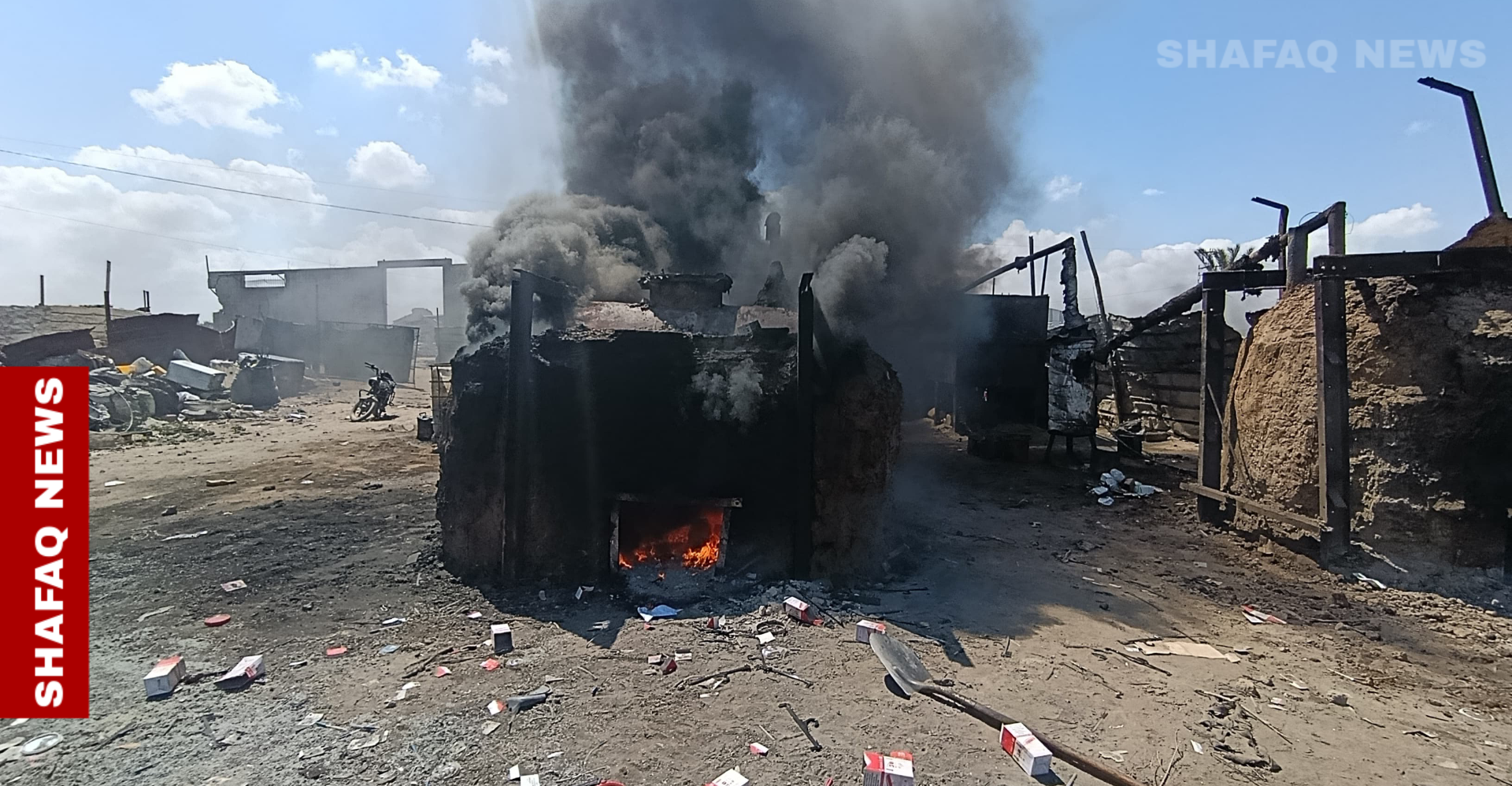
With fuel nearly gone and prices soaring, Gaza residents are improvising dangerous methods to power vehicles and survive under conditions where risk takes a back seat to necessity.
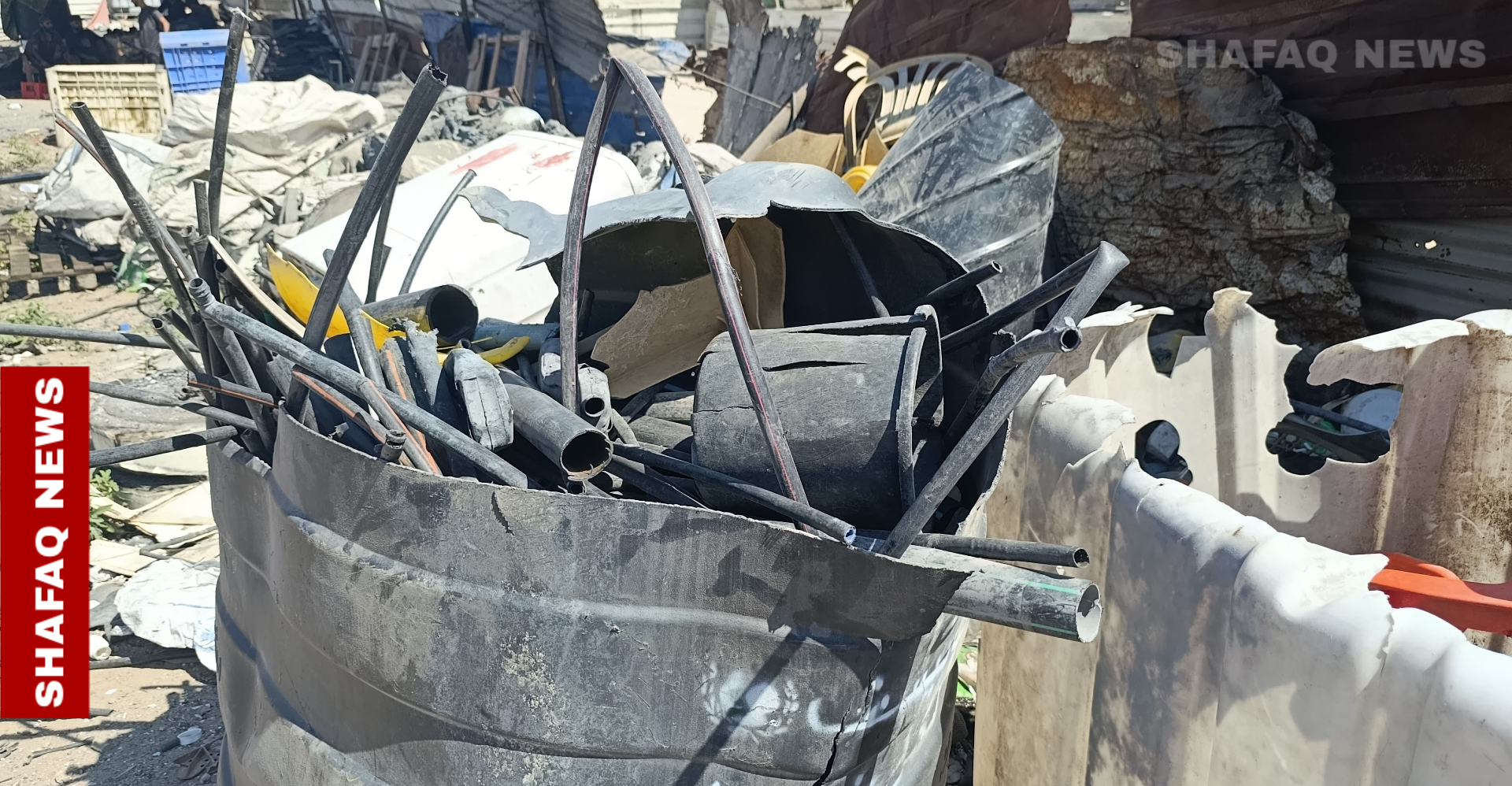
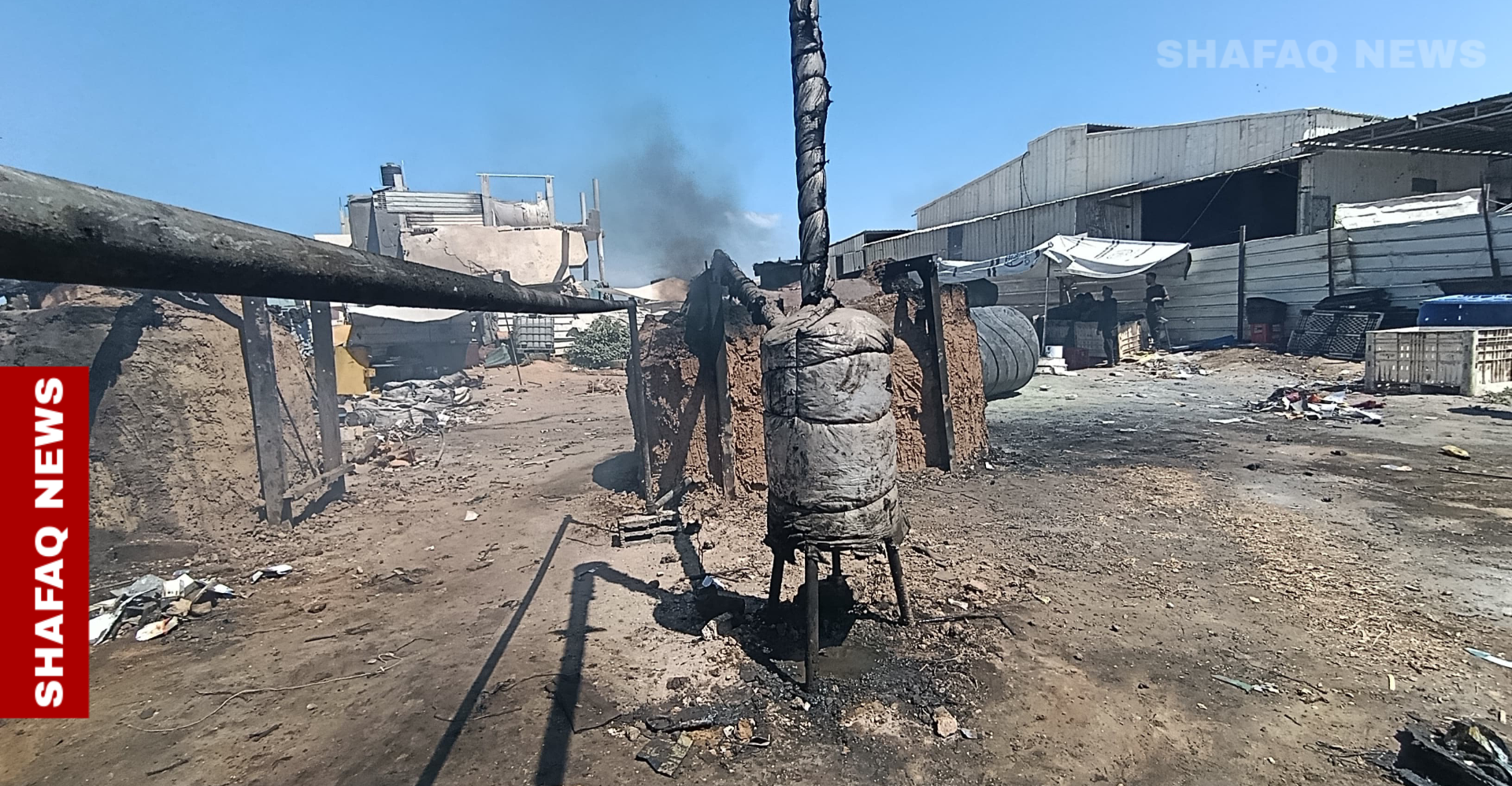
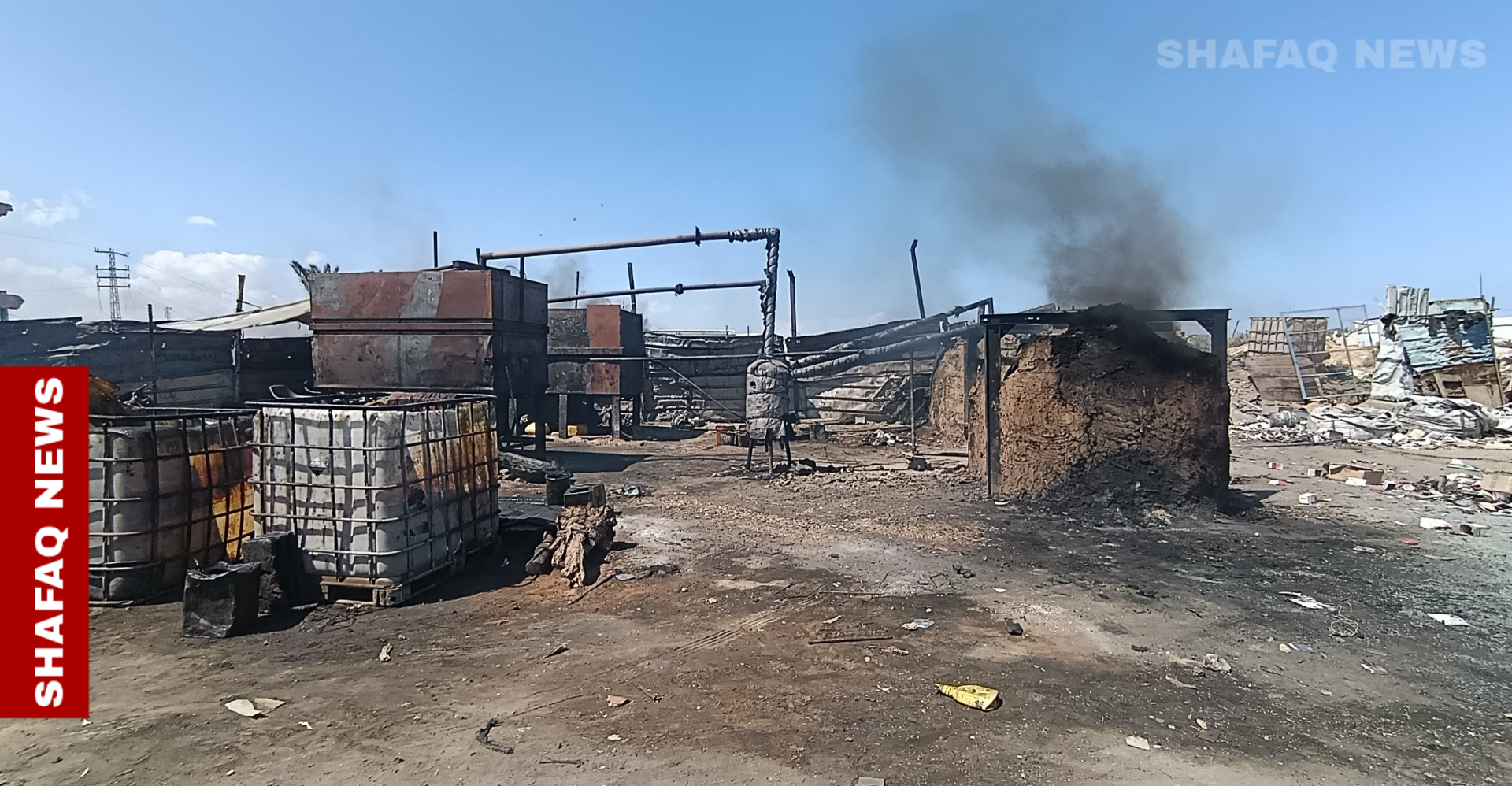
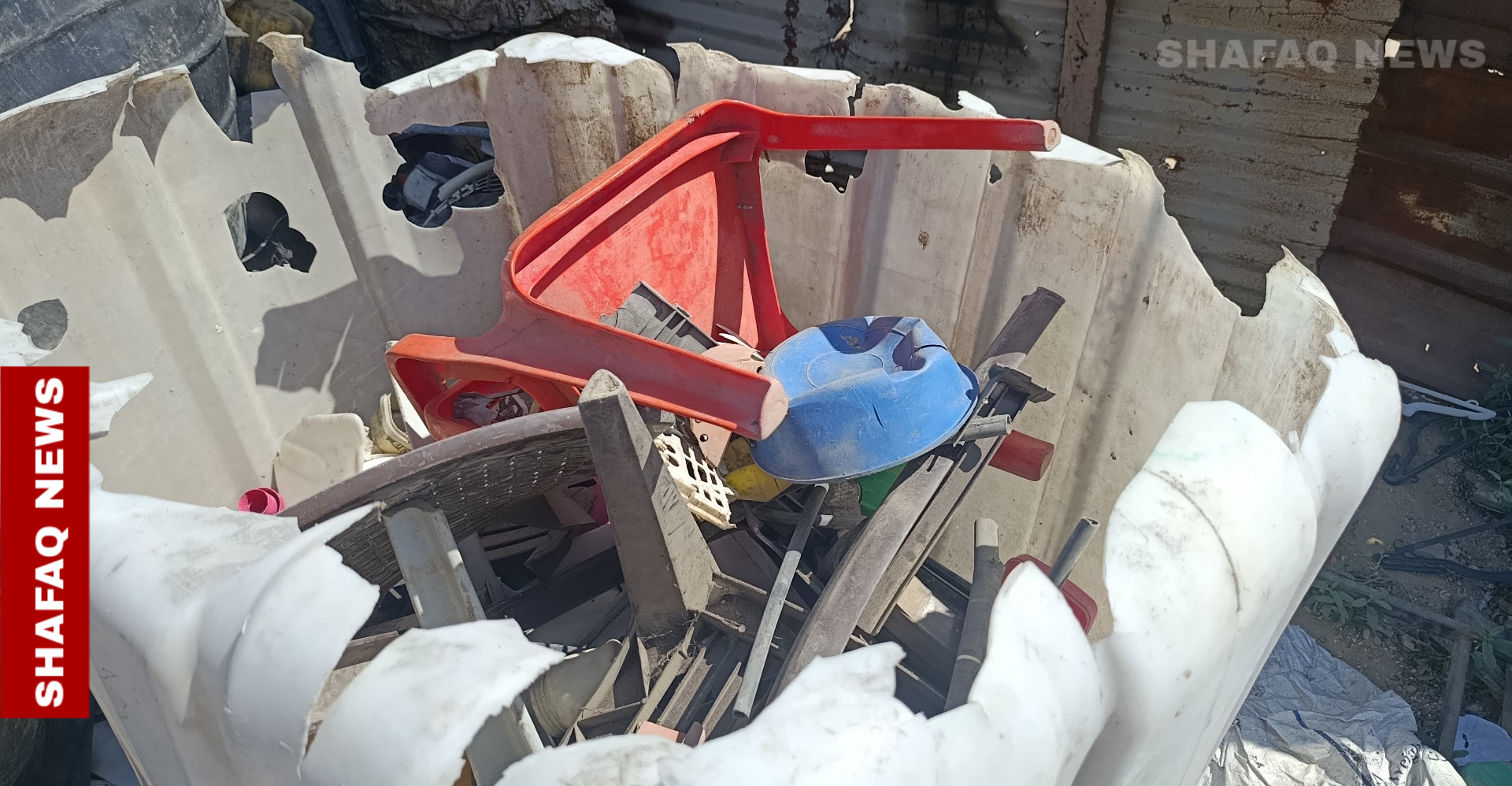
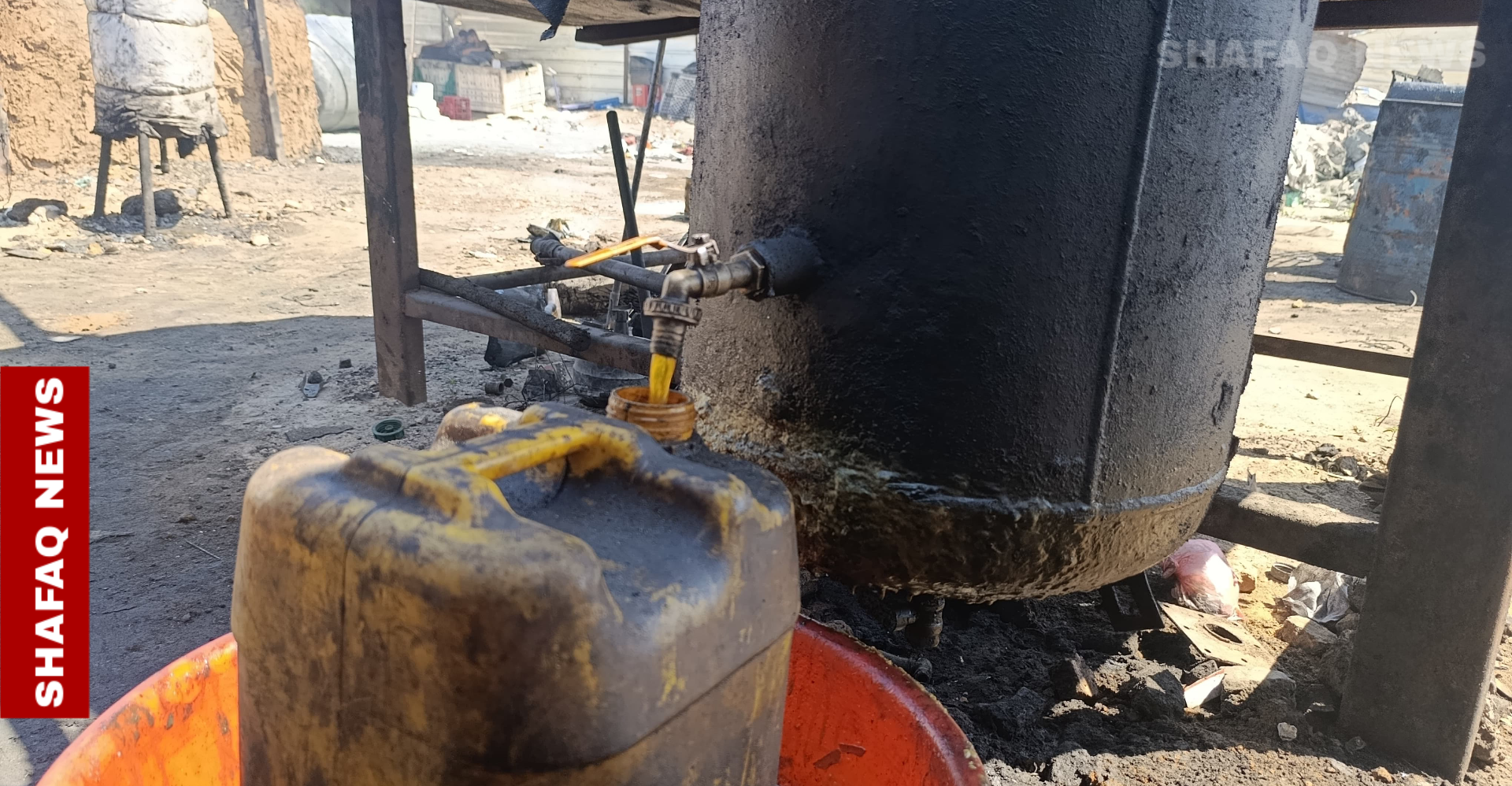
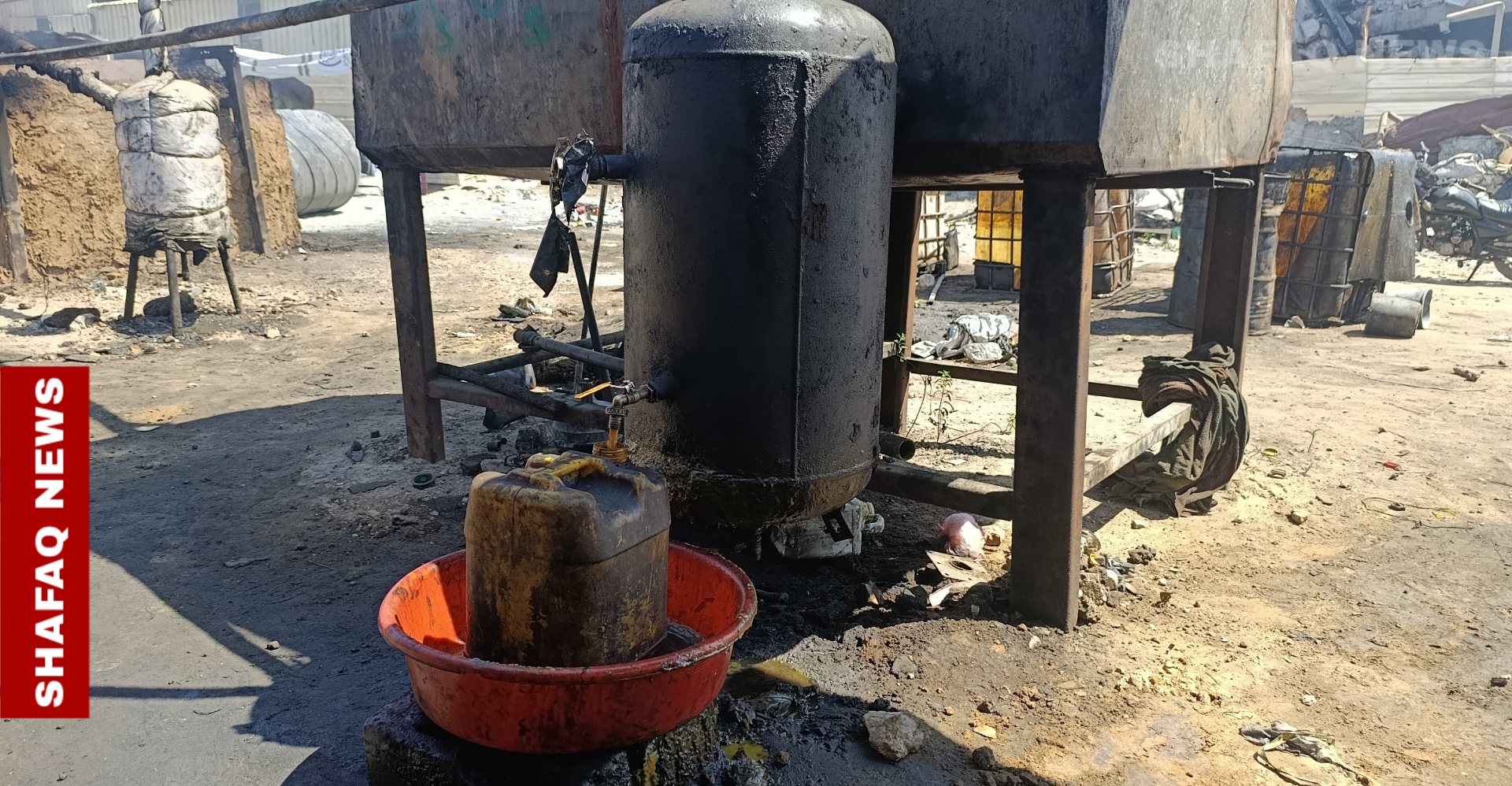
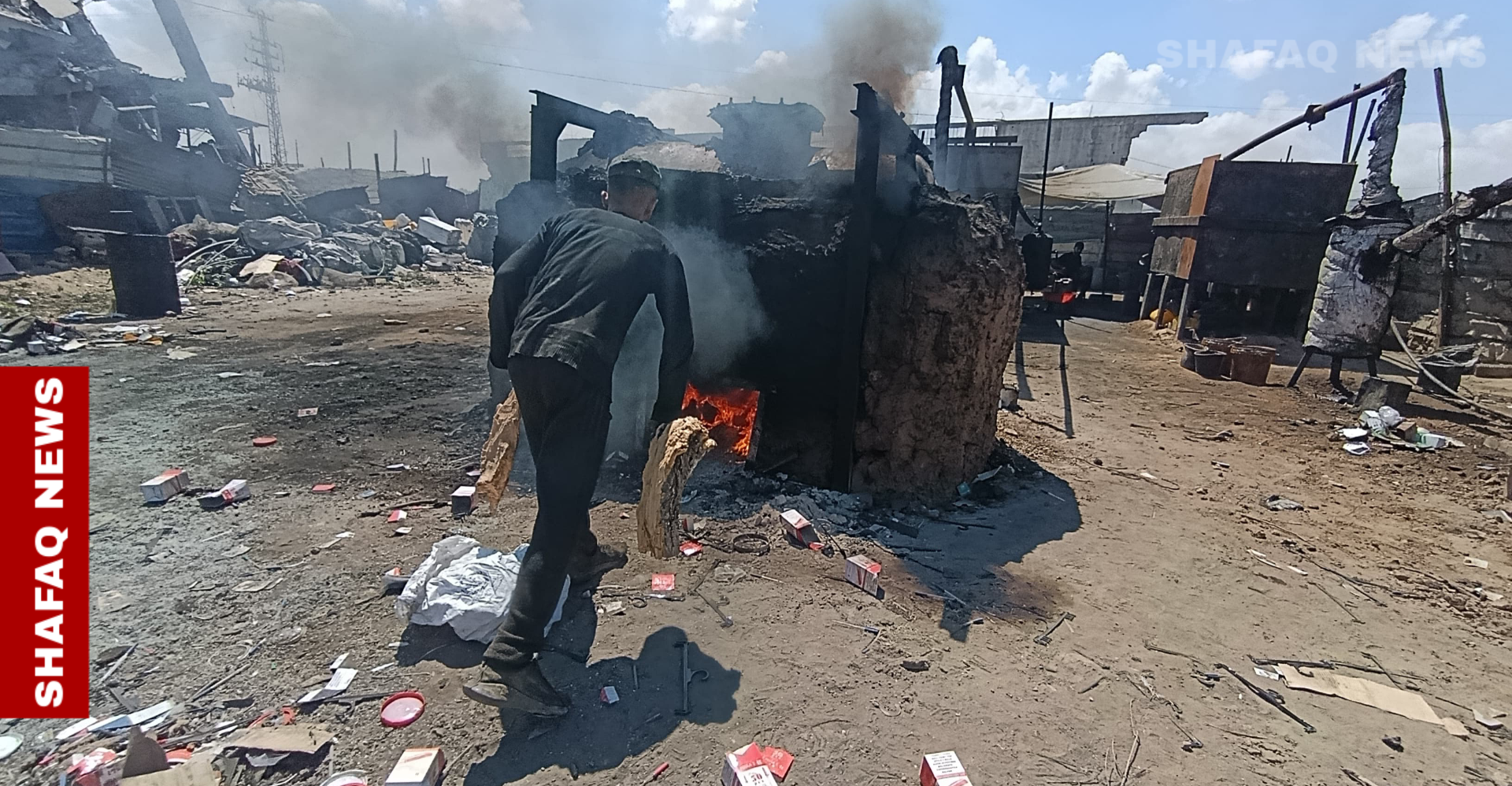
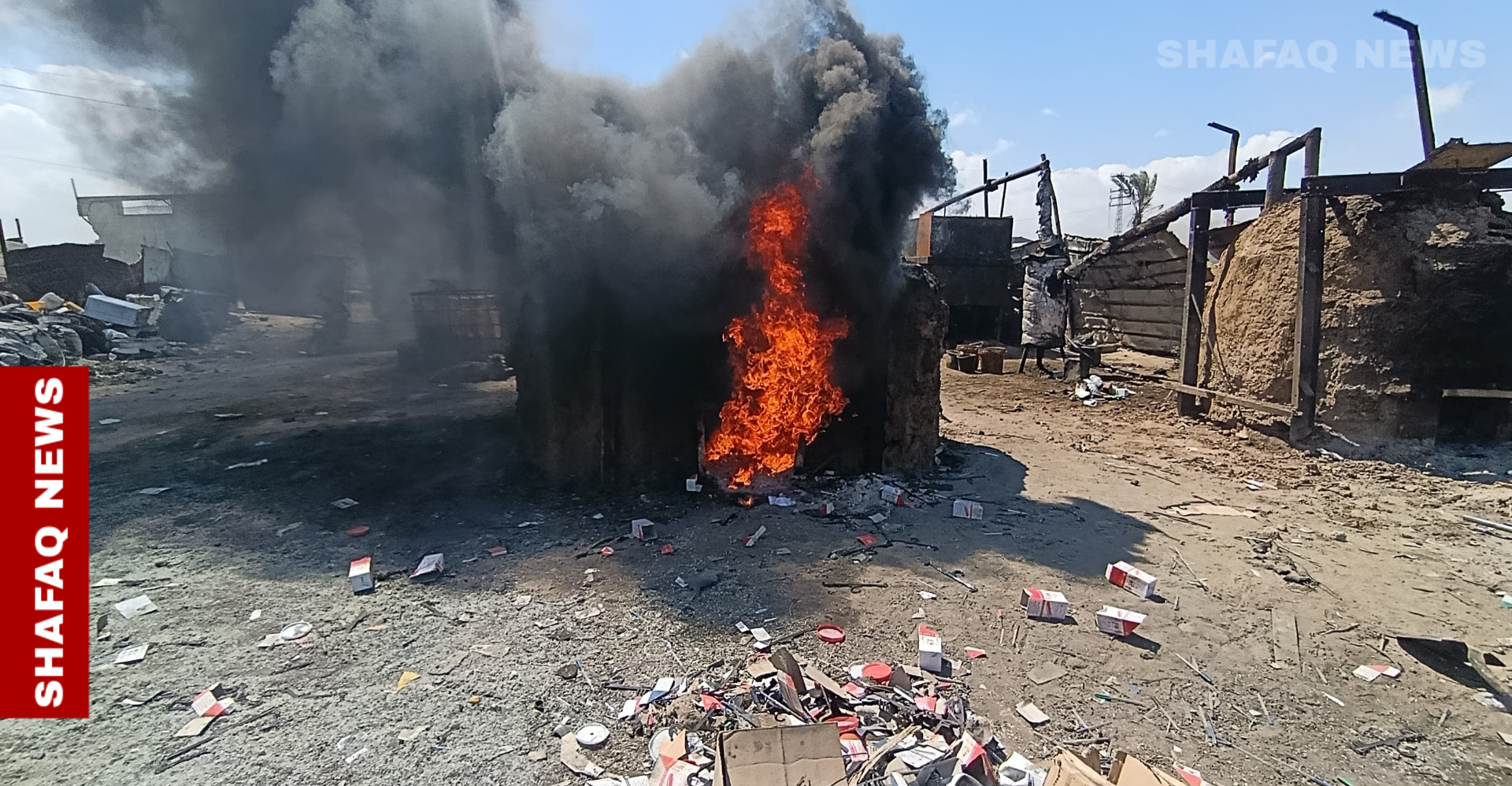
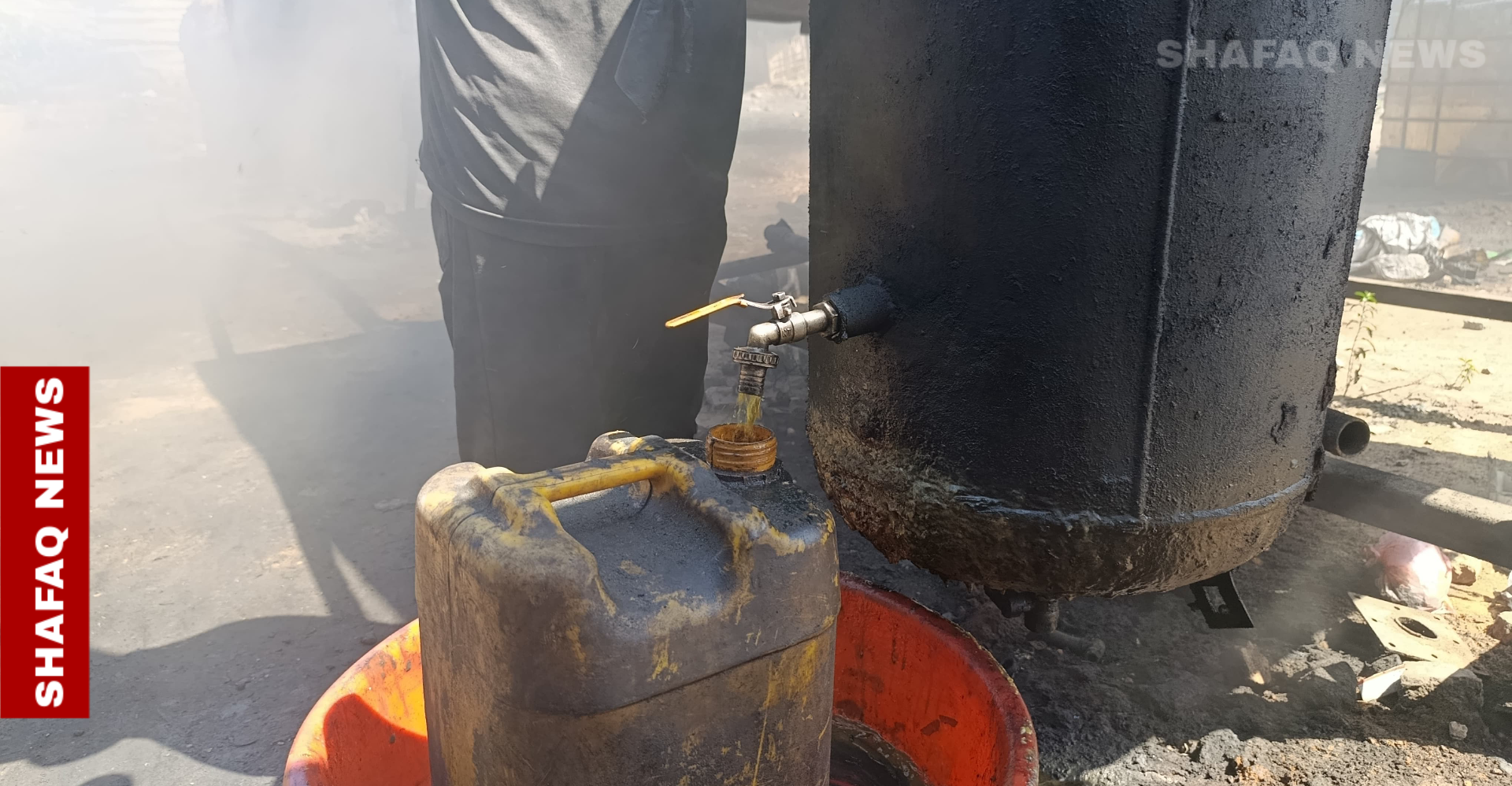
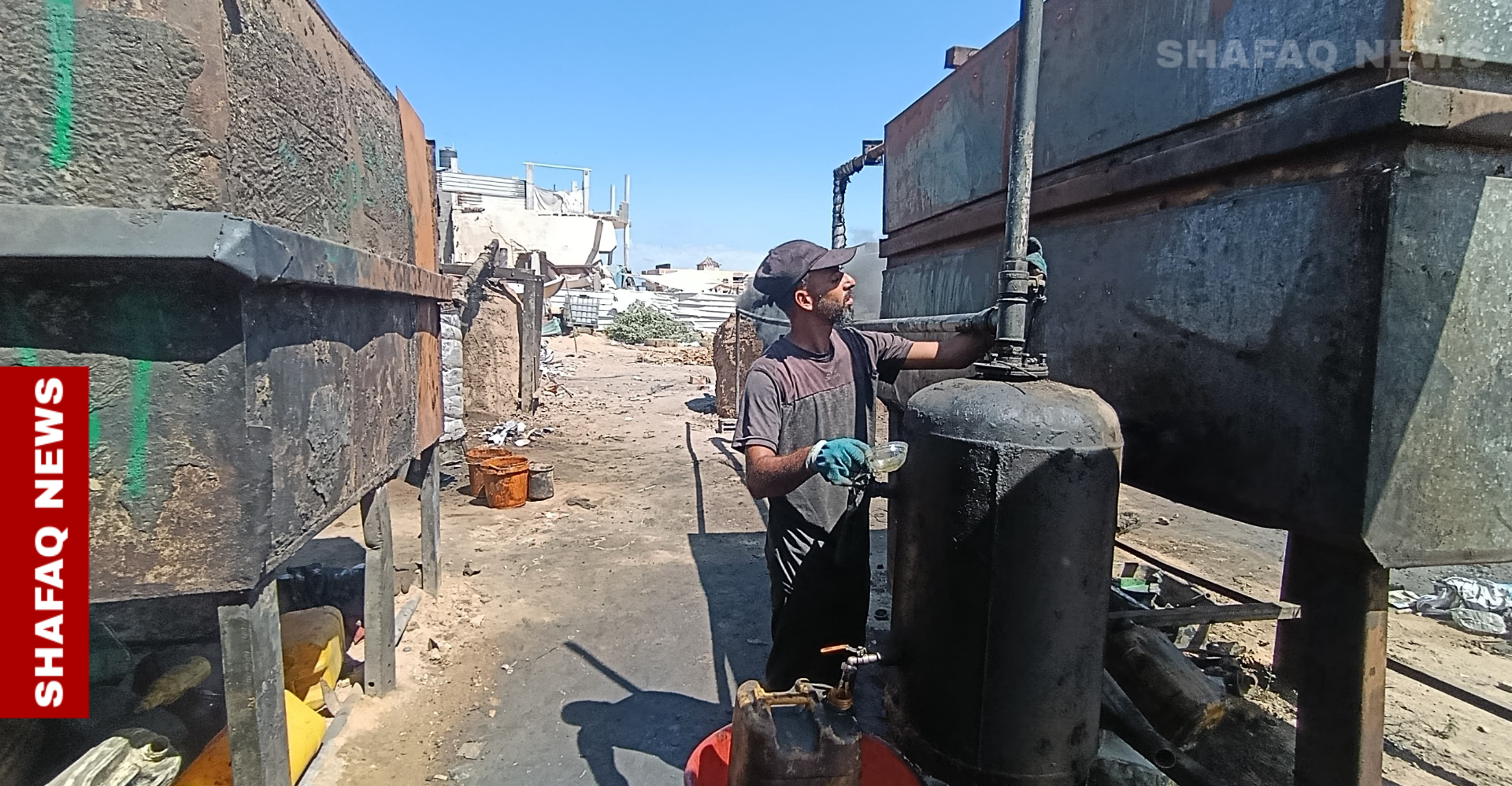
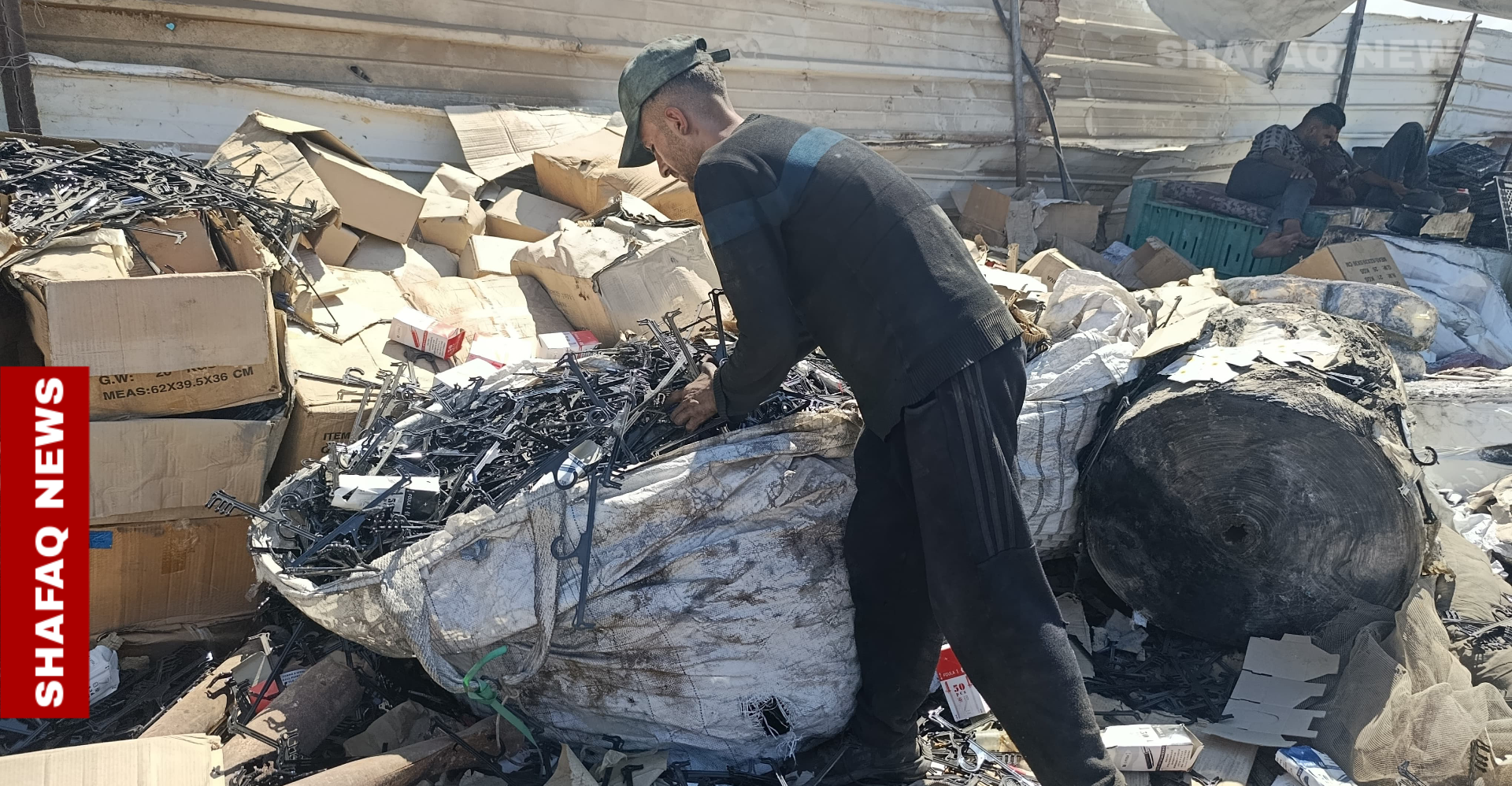
Lacking any stable fuel supply, some have begun converting plastic waste into crude fuel, with Abu Hamza Hamad—who runs one of these makeshift plants—explaining to Shafaq News that plastic is shredded, heated into a thick liquid, and refined into a substance that keeps cars running.
Although not identical to standard fuel, Hamad maintained the product doesn't harm engines, noting that prices are so extreme that workers now rely on these hazardous alternatives.
He also described the physical toll, saying that even basic hygiene is impossible without soap or clean water. “We risk being targeted just to gather materials.”
Despite offering a sliver of income, these unregulated plants expose workers to toxic fumes and chronic illness. “The smoke is choking and unbearable,” Mohammad Sarour, who works at one of the plants, told Shafaq News. “I earn 100 shekels [about $29.11] a day, most of it goes to food and medicine.”
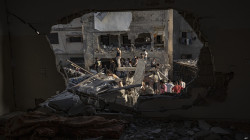
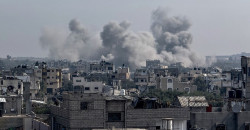
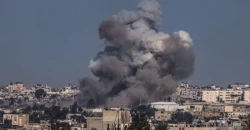
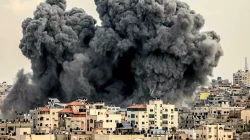
The United Nations has warned that Gaza's fuel crisis is at a breaking point, as nearly 60% of Palestinian Civil Defense vehicles sit idle after nearly two years of Israeli bombardment by land, air, and sea.
That shortage has now sparked a full-scale water emergency, forcing groundwater pumps to run on weak generators and leaving residents to find water by any means available.
Muath Mokhaimer, 23, walks nearly a kilometer multiple times a day to fetch water, hauling containers for both drinking and washing on a handcart for his family of 22 sheltering in tents.
His mother, Um Muath, 53, said the children are always thirsty and that even tomorrow’s supply is uncertain.
Meanwhile, Oxfam’s Bushra Khalidi warned that without a ceasefire and full humanitarian access, people will continue dying from waterborne illnesses as daily consumption drops to as little as three liters per person.
Danish Malik of the Norwegian Refugee Council said residents now choose between drinking water and washing, while Palestinian water official Munther Salem noted that children have become full-time water carriers, chasing trucks and hauling jugs.
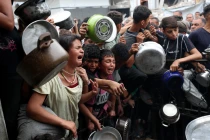
Long lines at fill points often break into fights, and as families focus on food and shelter, children are increasingly left to shoulder the burden of finding water in a crisis with no end in sight.