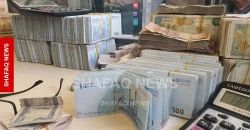
Toman value sinks: Iran battles economic downturn with fuel tax



Shafaq News – Tehran
All proceeds from the recently approved gasoline price hike will go directly to supporting citizens’ livelihoods and will not be diverted elsewhere, Iranian government spokeswoman Fatemeh Mohajerani said on Tuesday.
On November 16, the cabinet approved the price increase, raising gasoline to 50,000 rials per liter (around $0.044), effective December 6.
At a press conference, Mohajerani explained the move aims to expand public transport networks and reduce reliance on private cars, stressing that the extra revenue will flow into a “dedicated, transparent fund to support citizens, rather than to generate profit.”
“Gasoline prices for taxis and public transport—including online ride-hailing vehicles, small trucks, and motorcycles—will remain unchanged,” she noted, adding that these operators will receive compensation matching any price increase.
Mohajerani also pointed out that Iran consumes the equivalent of $180 billion in domestically produced gasoline each year. With daily production at roughly 110 million liters and consumption averaging 133 million liters, the country imports about $6 billion worth of gasoline annually.
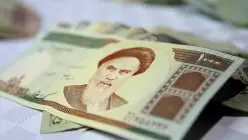
The price hike comes amid a deepening economic downturn, with the Iranian toman sliding past 119,000 to the dollar on Tuesday.
While the official currency is the Iranian Rial (IRR), everyday transactions often use the Toman, an informal unit equal to 10 rials.
Last week, the exchange rate hit 115,300 tomans per dollar, up from 112,800 the previous week, marking a jump of more than 5,000 tomans, or roughly 5.2 percent.
According to the Statistical Center of Iran, annual inflation reached 40.4 percent this month, reflecting rising costs for goods and services over the past 12 months compared with the same period last year.
Tasnim News attributed the recent surge in the currency to several factors, including the failure of foreign currencies to re-enter the system, the establishment of a coordinated market, and the increase of the official exchange rate from 40,000 to 70,000 tomans.
Additional measures, such as extending the partial foreign currency release policy (90-10) and launching a “second hall” to unify exchange rates, also contributed to the pressure.