Syrian government reveals plan to revive industry


Shafaq News – Damascus
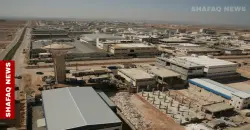
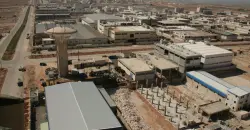
Amid Syria’s protracted financial crisis and mounting calls to revive the economy, the Ministry of Trade announced on Thursday a multi-phase plan to restore the industrial sector’s role.
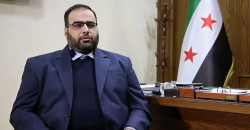
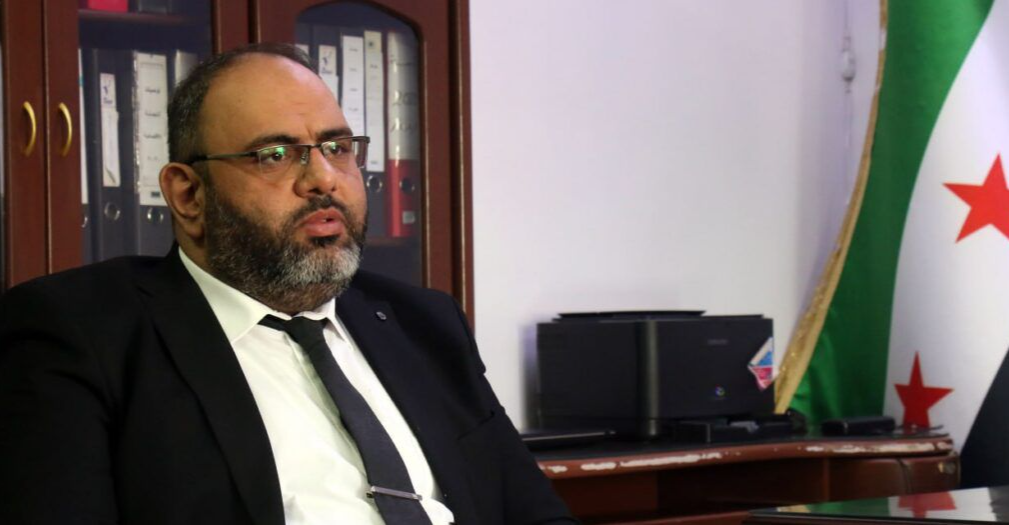
Deputy Minister for Industrial Affairs Mohammed Yassin Hourieh told Shafaq News that the sector continues to face three main obstacles, led by prolonged power shortages that force factories to rely on costly private generators, inflating production costs and undermining competitiveness.
Short-term measures include rehabilitating power plants, securing fuel, and expanding renewable energy projects — particularly solar — supported by soft loans and customs exemptions. Longer-term plans focus on strategic energy ventures with allied states to modernize infrastructure.
Hourieh said access to raw materials has eased following tariff restructuring and reduced import duties, but financing remains a challenge. To address this, the government is promoting leasing mechanisms, an industrial development fund for small and micro projects, and a rural industries fund through public and private banks. He also cited Decree 112 of 2025, which created a reconstruction fund offering interest-free loans for infrastructure and basic services.
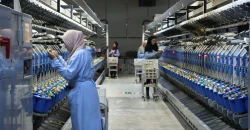
“Restarting idle factories is a priority,” he stressed, highlighting partnerships with the private sector and incentives for Syrian expatriates. Official data show 945 projects worth $220M licensed in the first half of 2025, with 80 projects worth $4.5M already completed.
Hourieh further pointed to Decree 114 of 2025, which grants broad exemptions, including lifting customs and financial fees on industrial machinery, construction equipment, and new medical facilities. The decree also provides full tax relief for agricultural and livestock ventures, and 80% tax reductions for export-oriented industries, pharmaceuticals, recycling, and environmentally friendly projects.
“The challenges are immense, but determination is stronger,” he said, emphasizing that recovery depends on government support, private-sector initiative, and public backing for local production.