Syria’s road freight rebounds as Iraq route reopens


Shafaq News- Damascus/ Baghdad
Syria’s road freight sector is seeing a strong recovery in trade with Iraq, Lebanon and Turkiye, with the reopening of the Rabia border crossing giving a particular boost to traffic with Iraq, Syrian National Shipping and Logistics Association Chairman Mohammad Riyad al-Sairafi told Shafaq News on Sunday.
Al-Sairafi said freight traffic has generally increased as border crossings reopen and restrictions ease, although visa requirements for Syrian drivers traveling to Gulf states remain a major obstacle. During recent Syrian-Saudi talks, officials raised cases in which drivers had waited around 40 to 50 days for visas, delays he said directly affect the operation of Syria’s trucking fleet.
Saudi-bound traffic, for example, has risen from around 10 Syrian trucks a day to nearly 30, with further growth expected if restrictions along the Syria-Jordan-Turkiye corridor are eased, he added.
Jordan is particularly important not only as a market but as the main transit route for Syrian trucks heading to Saudi Arabia, the UAE and other Gulf states. Al-Sairafi said the Nasib crossing has previously handled more than 1,000 trucks a day in both directions, underscoring its importance to Syrian trade.
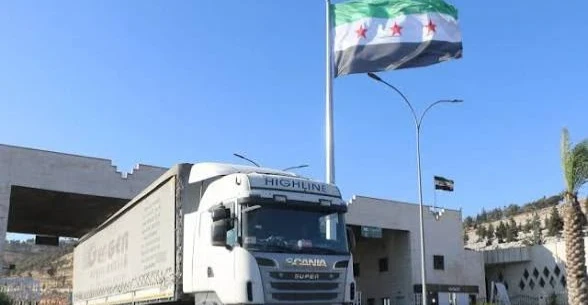
Iraq has emerged as another growing route following the reopening of the al-Yarubiyah-Rabia crossing. Al-Sairafi said oil and fuel tankers began moving through the crossing in May, initially in the dozens, with some later convoys exceeding 100 tankers. The reopening has also given eastern Syria renewed logistical importance and created room for greater trade and freight movement through the area.
Syrian overland exports consist largely of agricultural produce, including fruit, vegetables and citrus, as well as food products, clothing, textiles and other manufactured goods. Imports include industrial products, construction materials, machinery, production lines, spare parts, raw materials, food and some petroleum products.
Despite the recovery, al-Sairafi said freight traffic remains below its potential, pointing to differing regulations and fees between countries, repeated inspections, cargo transfers between trucks at some borders, limited crossing capacity and congestion.