Syria raids cannabis farm as expert urges “real” security alliance


Shafaq News – Damascus
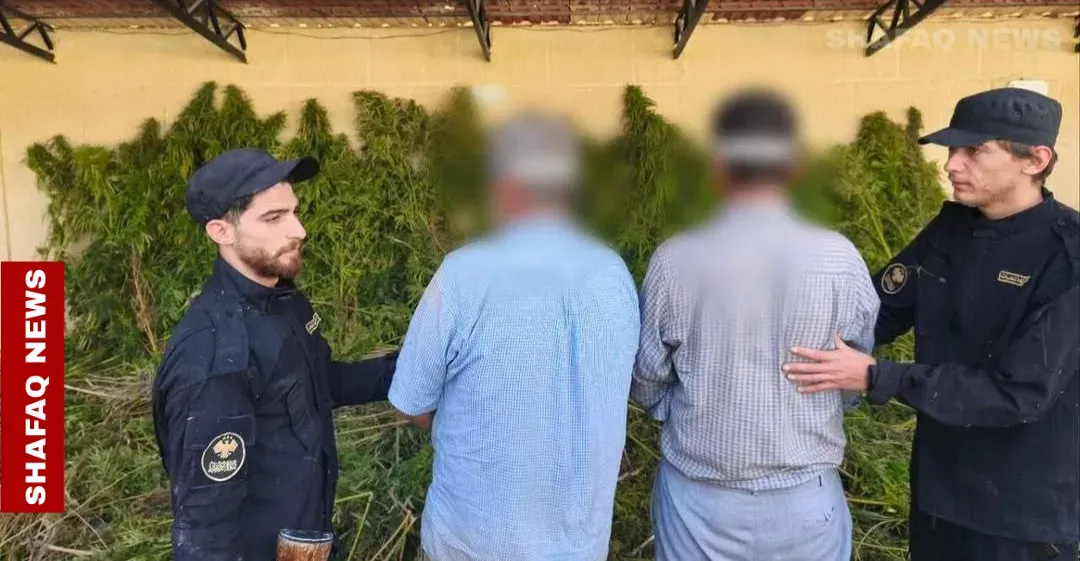
Syrian security forces uncovered a large cannabis farm during a joint operation in Douma, Damascus countryside, the Interior Ministry announced Thursday, as experts link recent crackdowns in Syria, Iraq, Lebanon, and Jordan to the emergence of a regional anti-drug alliance.
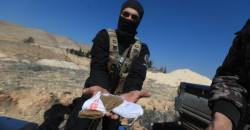
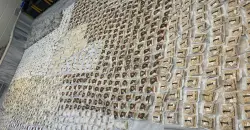
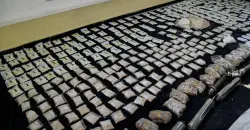
In a statement, the ministry explained that the raid followed “precise field monitoring and intelligence coordination,” resulting in the seizure of about 240 kilograms of cannabis plants used to produce hashish, with the detainees referred to judicial authorities.
استناداً إلى المعلومات الواردة والمتابعة الميدانية الدقيقة، نفّذ فرع مكافحة المخدرات في ريف دمشق، وبالتعاون مع مديرية الأمن الداخلي في دوما، عملية مداهمة استهدفت إحدى المزارع على أطراف المدينة.أسفرت العملية عن ضبط مزرعة تحتوي على غراس من نبتة القنّب، pic.twitter.com/7GKCbUXOZk
— وزارة الداخلية السورية (@syrianmoi) October 9, 2025
Read more: Captagon Empire: How Syria fuels a $2B regional drug trade
Security Alliance a Must
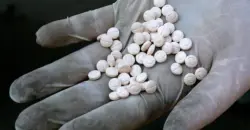
Syria has become the epicenter of the Middle East’s booming drug trade, dominated by Captagon, serving as both a production hub and a transit corridor for a market worth over $2 billion a year. From the Jordanian border to the Iraqi frontier, and from Mediterranean ports to routes through Turkiye, trafficking networks operate with growing sophistication and reach.
Security expert Mazen Khalaf told Shafaq News that the drug crisis “has evolved into a strategic and security threat tied to the financing of armed groups and to border stability.” He warned that traffickers exploit “fragile border zones and weak intelligence links,” stressing that success requires “a real security alliance among Syria, Lebanon, Jordan, and Iraq, supported by international assistance.”
Regional and International Efforts
The United Nations Office on Drugs and Crime (UNODC), in its 2025 report, described the Middle East as the world’s largest source of captagon production and urged sustained intelligence sharing between producing, transit, and consumer countries.
Iraq tightened border surveillance after major drug seizures, with the Interior Ministry underscoring coordination with neighboring states. Jordan vowed to prevent any infiltration from Syria, while Damascus confirmed joint operations with Lebanon and Jordan to target drug production sites. Lebanese law enforcement agencies continue dismantling illegal captagon factories and intercepting shipments, rejecting the use of the territory as a transit route for narcotics.
Read more: Iraq fights back against synthetic drug flood engulfing the Middle East